How to Develop the Pincer Grasp in Toddlers and Preschoolers
“`html
When it comes to early childhood development, one of the key milestones that parents and caregivers should pay attention to is pincer grasp development. This skill is crucial for toddlers and preschoolers as it lays the foundation for more complex tasks they will encounter as they grow. Understanding the importance of this developmental stage not only prepares children for everyday activities but also enhances their fine motor skills, which are critical for academic success and independence. Here’s a comprehensive guide on how to nurture pincer grasp development in your little ones.
1. Understanding the Pincer Grasp
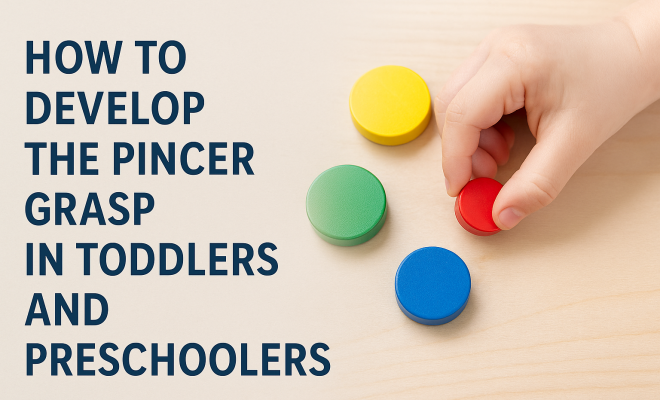
The pincer grasp is a fine motor skill that typically develops between 9 to 12 months of age. It involves using the thumb and the index finger to pick up small objects, allowing for greater dexterity and control. This technique is vital for various everyday tasks, such as feeding themselves, dressing, and later, writing. To understand why this development is so important, consider that the pincer grasp is not just about picking things up; it reflects the child’s ability to coordinate their movements and develop hand-eye coordination.
As toddlers practice their pincer grasp, they enhance their ability to manipulate objects, which leads to more complex skills. It’s fascinating to note that this skill isn’t just about physical capability; it also ties into cognitive development, as children learn problem-solving skills while they explore their environment. So, encouraging the growth of the pincer grasp can have a lasting impact on a child’s overall development.
2. Why Pincer Grasp Development Matters
Pincer grasp development plays an essential role in a child’s motor skill progression. Children who develop this skill tend to be more successful in activities that require precision, such as writing or using scissors later in life. Delays in mastering the pincer grasp can lead to challenges in these areas, which may affect a child’s confidence and willingness to engage in fine motor tasks.
Moreover, the development of fine motor skills is linked to academic achievement. According to various studies, children who demonstrate fine motor proficiency in preschool often perform better in school settings. By focusing on pincer grasp development early, parents can set the stage for a smoother transition to more complex tasks, thereby fostering a love for learning and exploration in their children.
3. Identifying the Right Activities
When it comes to promoting pincer grasp development, engaging activities are key. Activities should be tailored not only to be enjoyable but also to encourage the child to practice and refine their skills. Simple items around the house can serve as excellent tools for this purpose. Here are some effective activities:
- Pick Up Small Objects: Use small toys, beads, or cereal pieces to encourage your child to pick them up using their thumb and index finger.
- Play Dough Fun: Manipulating play dough can help strengthen the fingers and improve dexterity. Encourage your child to pinch, roll, and flatten the dough using their fingertips.
- Using Tongs: Provide child-friendly tongs and have your child transfer small items from one bowl to another. This activity mimics the pincer grasp while adding a fun challenge.
- Sorting Games: Use items like coins or buttons and have your child sort them by size or color. This encourages pincer grasp use and critical thinking.
- Arts and Crafts: Activities like gluing, cutting with safety scissors, or coloring can also help in refining fine motor skills while being fun.
Incorporating these activities into daily routines is an excellent way to foster skill development without making it feel like a chore. Children learn best when they are having fun, so keeping the activities light-hearted and enjoyable is essential.
4. Creating a Supportive Environment
The environment in which children learn and play can significantly impact their pincer grasp development. A safe, engaging, and accessible environment encourages children to experiment with their motor skills. Consider creating a dedicated play area that includes a variety of materials for fine motor practice. Here are some tips to enhance your child’s play environment:
- Accessible Materials: Ensure that toys and tools for fine motor skills are within reach so children can explore them independently.
- Variety of Textures: Include objects of different shapes, sizes, and textures to stimulate the child’s senses and encourage exploration.
- Safe Space for Exploration: Designate a space where children can freely explore and practice their skills without the risk of injury.
- Organized Play Stations: Create themed play areas (like a crafting corner or a mini kitchen) that encourage creativity and dexterity.
Fostering an enriching environment allows children to engage in activities at their own pace, promoting not only the development of their pincer grasp but also their creativity and problem-solving skills.
5. Integrating Everyday Tasks
One of the most effective ways to promote pincer grasp development is by integrating fine motor skills into daily routines. Everyday tasks can serve as excellent opportunities for practice. For instance, while preparing meals, involve your child in activities like tearing lettuce for a salad or helping to pour ingredients into a bowl. These activities naturally encourage the use of their pincer grasp. (See: CDC milestones for child development.)
Additionally, activities like buttoning clothing, zipping jackets, or using forks and spoons during meals can enhance their dexterity. As children engage in these tasks, they not only practice their skills but also gain a sense of accomplishment and independence, reinforcing their confidence. Involving your child in household chores, such as sorting laundry or organizing toys, can also provide practical scenarios to enhance their fine motor skills.
6. Encouraging Peer Interaction
Peer interactions can be an excellent way to promote pincer grasp development. Playdates with other toddlers or preschoolers can provide opportunities for cooperative play that supports motor skills. Activities such as building blocks, crafting, or even simple games can encourage children to use their fingers in ways that develop their pincer grasp.
During these interactions, children can learn from one another, observing different techniques and approaches to tasks that involve fine motor skills. As they work together, they not only practice pincer grasp development but also cultivate social skills and teamwork. This combination of skills is essential for overall childhood development.
In addition to playdates, structured group activities like art classes or sports can also enhance fine motor skills while promoting social interaction, allowing children to learn from their peers in a fun environment.
7. Recognizing Developmental Milestones
Monitoring your child’s progress in pincer grasp development is crucial. While every child develops at their own pace, there are key milestones that can help you assess their skills. By 12 months, most children can pick up small objects using their thumb and index finger. By 15 months, they should be able to use their pincer grasp with greater precision, while by 2 years old, they should be able to stack blocks and use crayons with some control.
If you notice that your child is struggling with these tasks beyond the expected age range, it may be beneficial to consult a pediatrician or an occupational therapist. Early intervention can make a significant difference in helping children acquire the necessary skills for their development.
Additionally, keep an eye out for signs that indicate progress, such as their ability to imitate movements or try new tasks independently. Celebrating small achievements can motivate them to keep practicing their skills.
8. Utilizing Educational Resources
As parents and caregivers, it’s essential to utilize available resources that can guide you in promoting pincer grasp development. Numerous books, websites, and community programs are dedicated to early childhood development and fine motor skills. Consider enrolling in parenting workshops or classes that focus on developmental milestones. These can offer valuable insights and practical strategies tailored to your child’s needs.
Additionally, there are countless online resources, including videos and blogs from childhood development experts, that provide innovative ideas for activities to support fine motor skills. Engaging with these resources can empower you to provide the best possible support for your child’s pincer grasp development.
Libraries often have parenting sections with informative books on child development, including fine motor skills. Visiting your local library for storytime can also expose your child to new vocabulary and concepts, further aiding their cognitive development alongside their motor skills.
9. The Long-Term Benefits of Pincer Grasp Development
Ultimately, fostering pincer grasp development in toddlers and preschoolers is about more than just mastering a skill. The long-term benefits extend into various aspects of a child’s life. Children who develop strong fine motor skills tend to be more confident in their academic pursuits, from writing to art projects. Furthermore, these skills translate into independence in self-care tasks, such as dressing and feeding themselves.
In addition to these practical benefits, the emotional and cognitive implications are profound. Children who demonstrate proficiency in fine motor tasks often exhibit improved concentration, patience, and problem-solving abilities. As you support your child’s pincer grasp development, you’re giving them the tools they need to thrive both in and out of the classroom. (See: WHO on child development.)
Research has shown that children with strong fine motor skills often engage more effectively with their environment, leading to better overall learning experiences. They become more willing to tackle new challenges, which can contribute positively to their self-esteem and resilience.
10. Pincer Grasp Development Across Cultures
Interestingly, the approach to encouraging pincer grasp development can vary greatly across different cultures. In some cultures, children are given more freedom to explore their environment independently, which naturally fosters fine motor skills. For example, in certain communities, it’s common for toddlers to assist in household tasks, like cooking or gardening, providing a rich context for practicing their dexterity.
Additionally, cultural toys and games can influence the way children develop their pincer grasp. In cultures where traditional crafts or activities are prevalent, such as weaving or beadwork, children may encounter opportunities to refine these skills earlier. This cultural context not only aids in physical development but also enriches children’s understanding of their heritage and community.
By observing and learning from different cultural practices, parents can adopt new strategies for encouraging fine motor skills that may be unique or particularly effective, expanding the range of activities available for their children.
11. Common Challenges in Pincer Grasp Development
While many children develop their pincer grasp without significant issues, some may face challenges that can impede their progress. Factors such as delayed motor skills, lack of opportunity to practice, or even certain medical conditions can affect development. For instance, children with developmental coordination disorder (DCD) often struggle with fine motor skills, making it difficult for them to master the pincer grasp.
Recognizing these challenges early on is crucial. If you suspect your child may be facing difficulties, it’s important to consult with professionals who can provide targeted interventions. Occupational therapists can offer specialized exercises and activities tailored to help children overcome specific obstacles in their pincer grasp development.
Additionally, it can be beneficial to discuss any concerns with your child’s pediatrician. They can provide insight into the developmental timeline and recommend further assessments if necessary, ensuring that your child receives the support they need.
12. FAQs about Pincer Grasp Development
What is the pincer grasp?
The pincer grasp is the ability to hold small objects using the thumb and index finger. It is an essential skill for various everyday tasks and typically develops between 9 and 12 months of age.
How can I tell if my child is developing their pincer grasp properly?
Look for milestones such as your child being able to pick up small objects with their thumb and index finger, transfer items between hands, and use utensils during mealtime. Most children should master these skills by age two.
What are some activities to encourage pincer grasp development?
Activities such as picking up small toys or beads, manipulating play dough, using tongs to transfer items, or engaging in arts and crafts where cutting and gluing are involved can all promote pincer grasp development. (See: NIH resources on learning and development.)
At what age should I be concerned if my child hasn’t developed their pincer grasp?
If your child is not showing signs of using their pincer grasp by 15 months, or if they struggle significantly with fine motor tasks by the age of 2, it may be worth consulting a pediatrician or occupational therapist for further evaluation.
Can I support my child’s pincer grasp development without structured activities?
Absolutely! Everyday tasks like helping with cooking, dressing, or engaging in play with peers can all naturally encourage pincer grasp development. Integrating these activities into daily routines allows for organic skill-building.
Are there specific toys that help with pincer grasp development?
Toys such as building blocks, puzzles with small pieces, and art supplies (like crayons or markers) are great for practicing pincer grasp. Look for toys designed for fine motor skills, which often include elements that require pinching or grasping.
How can I make fine motor skill practice fun for my child?
Incorporating games and playful challenges can make fine motor practice enjoyable. Consider activities like treasure hunts with small objects to pick up, crafting projects, or even simple cooking tasks that involve measuring and pouring.
What should I do if my child resists practicing fine motor skills?
If your child is resistant, try to make the activities more enticing by introducing elements of play. Turn exercises into games, and be playful about the tasks. Praise their efforts, and avoid putting pressure on them, allowing them to explore at their own pace.
Can pincer grasp development vary based on gender?
While there can be some individual variability, research generally shows that gender does not significantly influence pincer grasp development. Each child’s development is unique and can depend more on personal interest, opportunities for practice, and encouragement rather than gender alone.
In summary, fostering pincer grasp development is an essential aspect of early childhood growth. By engaging children with appropriate activities, creating supportive environments, and recognizing their achievements, you can help pave the way for their success. Embrace this opportunity to nurture their skills and watch them flourish!
“`
Trending Now
- our breakdown of iep accommodations for high school students: a complete list
- How to Write Effective IEP Goals…
- this guide on iep vs. 504 plan: which does your child need?
- our breakdown of mindfulness and conscious discipline: a natural partnership
- The Science Behind Mindfulness Practices in Education
Frequently Asked Questions
What is the pincer grasp in toddlers?
The pincer grasp is a fine motor skill that typically develops between 9 to 12 months of age. It involves using the thumb and index finger to pick up small objects, which is essential for tasks like feeding, dressing, and later, writing.
Why is pincer grasp development important?
Pincer grasp development is crucial as it lays the foundation for fine motor skills needed in everyday tasks. Mastery of this skill enhances hand-eye coordination and problem-solving abilities, affecting a child's overall development and academic success.
How can I help my child develop a pincer grasp?
To nurture pincer grasp development, encourage activities that involve picking up small objects, such as using tweezers, beads, or small toys. Activities like playing with playdough or finger painting can also promote this essential skill.
At what age should a child develop a pincer grasp?
Most children develop the pincer grasp between 9 to 12 months of age. However, each child develops at their own pace, and some may take longer to master this skill.
What activities promote fine motor skills in preschoolers?
Activities like using scissors, threading beads, playing with building blocks, and engaging in arts and crafts can promote fine motor skills in preschoolers. These activities help enhance their dexterity, including the pincer grasp.
Agree or disagree? Drop a comment and tell us what you think.