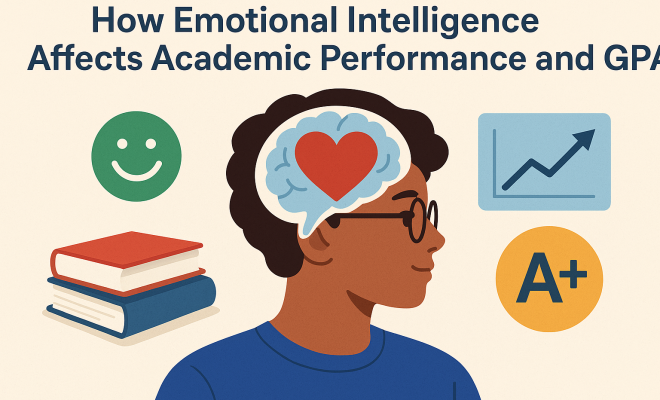
How Emotional Intelligence Affects Academic Performance and GPA
“`html
Understanding Emotional Intelligence: More than Just a Buzzword
Emotional intelligence (EI) is often discussed in the realms of business and personal relationships, but its role in education, particularly regarding academic performance, is becoming increasingly evident. Emotional intelligence refers to the ability to recognize, understand, manage, and utilize emotions effectively in oneself and others. This capability can significantly impact various areas of life, including how students perform academically.
In a learning environment, students with high emotional intelligence can better navigate social complexities, manage stress, and show resilience, all of which contribute to improved academic performance. The connection between emotional intelligence and GPA is not just theoretical; research indicates that emotional intelligence can enhance a student’s ability to achieve and maintain high academic standards.
The Components of Emotional Intelligence
To grasp how emotional intelligence impacts academic performance, it’s essential to understand its core components. Psychologist Daniel Goleman popularized the concept, identifying five key elements:
- Self-awareness: Recognizing and understanding one’s emotions.
- Self-regulation: The ability to control impulsive feelings and behaviors.
- Motivation: A passion for work that goes beyond money and status, driven by internal values and goals.
- Empathy: The ability to understand the emotional makeup of other people and treat them according to their emotional reactions.
- Social skills: Proficiency in managing relationships and building networks.
Each of these aspects plays a vital role in how students interact in educational settings, affecting both their learning processes and their relationships with peers and teachers.
The Impact of Emotional Intelligence on Academic Performance
Research has consistently shown a positive correlation between emotional intelligence and academic performance. A study conducted by the University of Queensland found that students with higher emotional intelligence often had better academic outcomes, including higher GPAs. One of the most significant ways EI influences academic performance is through enhanced learning abilities.
For instance, emotionally intelligent students tend to cope more effectively with stress and anxiety, which are common among learners. This resilience allows them to focus better on their studies without being overwhelmed by negative emotions. Furthermore, students who understand and manage their emotions effectively can create a conducive learning environment for themselves and their peers.
Motivation: A Key Factor
Motivation, a crucial component of emotional intelligence, directly affects academic performance. Students who are intrinsically motivated — that is, driven by personal satisfaction and a love for learning — tend to perform better academically than those who are primarily motivated by external rewards, such as grades or parental approval.
Emotional intelligence fosters intrinsic motivation by helping students set personal goals and understand the value of their education beyond grades. This deeper connection to learning can lead to more sustained engagement and effort in their studies, ultimately resulting in better academic outcomes.
Empathy and Social Skills in the Classroom
Empathy and social skills are essential for collaborative learning, an increasingly popular educational approach. Students with high emotional intelligence are better equipped to work in groups, communicate effectively, and resolve conflicts, leading to harmonious classroom environments.
In classrooms where cooperative learning is promoted, students must understand their peers’ emotions, perspectives, and reactions. High emotional intelligence allows students to create supportive relationships, enhancing collaboration and reducing feelings of isolation or anxiety, which are detrimental to both academic performance and mental health. (See: Understanding emotional intelligence.)
The Role of Teachers and Emotional Intelligence
Teachers play a pivotal role in creating an emotionally intelligent learning atmosphere. Educators who possess high emotional intelligence can foster a supportive classroom environment, leading to improved student engagement and performance. A teacher’s ability to connect with students emotionally can make a significant difference in how students respond to challenges.
For instance, teachers who understand their students’ emotional states can tailor their instructional approaches to meet individual needs, whether that means providing additional support to struggling students or encouraging high achievers to take on more challenging material. This individualized attention can help nurture students’ emotional and academic growth.
Emotional Intelligence Training Programs
Recognizing the importance of emotional intelligence in academic settings, many schools and educational institutions have begun implementing EI training programs. These programs often focus on developing self-awareness, self-regulation, and social skills among students.
Evidence suggests that students who participate in emotional intelligence programs show significant improvements in their academic performance. For example, a program developed by the Collaborative for Academic, Social, and Emotional Learning (CASEL) has gained traction in various educational institutions, demonstrating that teaching students how to handle their emotions and interact with others effectively can lead to better academic outcomes.
Challenges in Implementing Emotional Intelligence Strategies
While the benefits of emotional intelligence on academic performance are clear, implementing effective EI strategies in schools is not without its challenges. One significant hurdle is the lack of training for teachers in emotional intelligence and how to integrate it into their teaching methods.
Many educators may feel overwhelmed by their existing curriculum demands and might not know how to incorporate emotional intelligence into their teaching. Additionally, the assessment of emotional intelligence is not standardized, making it difficult to measure its impact consistently.
Real-World Examples of Emotional Intelligence in Action
To illustrate the practical application of emotional intelligence in education, consider the example of a high school in California that implemented an emotional intelligence curriculum. The school introduced workshops centered on self-awareness, empathy, and interpersonal skills. As a result, they reported a 20% decrease in disciplinary actions and a 15% improvement in overall academic performance within a year. Students expressed feeling more connected to their peers and teachers and showed an increase in participation in class discussions.
Another notable case comes from a university that integrated emotional intelligence training into its freshman orientation program. Incoming students participated in activities designed to enhance their emotional awareness and social skills. By the end of the semester, the students who went through this program had higher retention rates and reported feeling more engaged in their academic pursuits compared to their peers who did not participate in the training.
Statistics on Emotional Intelligence and Student Success
Research consistently highlights the benefits of emotional intelligence in relation to academic success. For instance, a study published in the Journal of Educational Psychology found that students with higher emotional intelligence had GPAs that were, on average, 1.5 points higher than those with lower emotional intelligence scores. This statistic underscores the tangible impact that emotional intelligence can have on students’ academic achievements.
Furthermore, a meta-analysis conducted by researchers at the University of Pennsylvania found that emotional intelligence was a strong predictor of academic performance, even when controlling for other factors such as IQ and socioeconomic status. This suggests that emotional intelligence plays a unique role in influencing students’ success beyond cognitive abilities alone.
Expert Perspectives on Emotional Intelligence and Learning
Experts in the field of education and psychology emphasize the critical role emotional intelligence plays in learning. Dr. Marc Brackett, director of the Yale Center for Emotional Intelligence, states, “Emotional intelligence is not just an add-on; it’s a fundamental skill that impacts how students learn, relate to others, and manage their lives.” His research advocates for integrating emotional intelligence training into the curriculum to prepare students for academic success and personal well-being.
Additionally, educational psychologist Dr. Linda Lantieri argues that emotional intelligence should be viewed as a foundational element of education. “When we nurture emotional intelligence, we are equipping students with the tools they need to navigate challenges effectively,” she explains. “This not only enhances their academic performance but also prepares them for the complexities of life beyond school.”
Frequently Asked Questions
1. What is emotional intelligence?
Emotional intelligence refers to the ability to recognize, understand, manage, and utilize emotions in oneself and others. It includes skills like self-awareness, self-regulation, motivation, empathy, and social skills. (See: Research on emotional intelligence and GPA.)
2. How does emotional intelligence affect academic performance?
Students with high emotional intelligence tend to cope better with stress, engage more fully in learning, and build positive relationships with peers and teachers, all of which contribute to improved academic performance.
3. Are there specific programs for developing emotional intelligence in schools?
Yes, many schools implement emotional intelligence training programs that focus on developing students’ self-awareness, self-regulation, social skills, and empathy. Programs developed by organizations like CASEL have shown positive results in improving academic outcomes.
4. Can emotional intelligence be measured?
While emotional intelligence can be assessed through various tools and questionnaires, standardized measures are still evolving. Many educators use observational assessments and self-reports to gauge emotional intelligence in students.
5. How can parents support their children’s emotional intelligence development?
Parents can foster emotional intelligence at home by encouraging open communication about feelings, modeling empathetic behavior, and providing opportunities for their children to engage in social activities. Teaching children to recognize and express their emotions in a healthy way is crucial.
6. Is emotional intelligence more important than intellectual intelligence (IQ) in academic settings?
While IQ plays a significant role in academic performance, emotional intelligence has been shown to be equally, if not more, important in determining a student’s success. EI helps students manage stress, collaborate with others, and stay motivated, which are essential skills for academic achievement.
The Future of Emotional Intelligence in Education
As the emphasis on social and emotional learning (SEL) grows, the future of emotional intelligence in education looks promising. Increasingly, educators and policymakers recognize that emotional intelligence is not just a “nice-to-have” but essential for fostering well-rounded, capable students.
Incorporating emotional intelligence into educational frameworks can lead to significant improvements in student success, not only academically but also in their personal development. Learning environments that prioritize emotional intelligence can empower students to thrive in various aspects of their lives, preparing them for the challenges of the future.
Additional Insights on Emotional Intelligence and Student Engagement
Beyond mere academic performance, emotional intelligence has a profound impact on student engagement. Engaged students are more likely to participate actively in class, pursue extracurricular activities, and develop a love for learning. Research shows that emotionally intelligent students are often more engaged because they can relate better to their teachers and peers.
For example, a study conducted at the University of California found that students who scored high on emotional intelligence assessments were 30% more likely to report enjoying school and feeling connected to their peers. This connection not only enhances their learning experience but also their overall mental health and well-being.
Comparative Analysis: Emotional Intelligence vs. Traditional Learning Models
Traditional education models have largely focused on cognitive abilities and rote learning, often neglecting the emotional and social aspects of learning. This has led to a one-dimensional approach, where students are assessed mainly on their intellectual capabilities. However, as emotional intelligence gains recognition, educators are beginning to see the benefits of integrating EI into curricula.
For instance, while a traditional learning model might measure success solely through standardized tests, an emotionally intelligent model would assess students on their ability to collaborate, resolve conflicts, and manage stress. This shift in perspective can lead to more comprehensive assessments of student success, focusing not just on grades but also on the overall growth of the student.
Case Studies Highlighting the Benefits of Emotional Intelligence
Several case studies illustrate the transformative power of emotional intelligence in schools. One notable example is the “4Rs” initiative (The Morning Side Center), implemented in New York City public schools. This program integrates social-emotional learning into the daily curriculum. As a result, schools participating in this program reported a 25% drop in suspensions, highlighting the positive influence of EI on student behavior and academic engagement.
Another compelling case is found in a middle school in Texas where teachers employed mindfulness practices, a key component of emotional intelligence training. With regular mindfulness sessions, students reported significant decreases in anxiety and increases in focus, ultimately leading to improved academic performance.
Future Research Directions in Emotional Intelligence and Education
As the understanding of emotional intelligence in educational contexts grows, so does the need for further research. Future studies could explore the long-term effects of emotional intelligence training on academic performance and personal development. Additionally, there’s an increasing interest in how emotional intelligence can be adapted for various cultural contexts, as emotional expressions and interpretations vary widely across different cultures.
Longitudinal studies could also provide insight into how emotional intelligence influences students over time, providing data on its impact not just in school, but throughout their lives. This kind of research could further solidify the case for integrating emotional intelligence into educational frameworks globally.
Final Thoughts: Emotional Intelligence as a Lifelong Asset
Understanding and developing emotional intelligence is not just beneficial for academic performance; it’s crucial for lifelong success. As students transition from school to higher education and eventually into the workforce, the ability to manage emotions and interact effectively with others becomes invaluable.
Ultimately, fostering emotional intelligence in students can lead to happier, more resilient individuals who are well-prepared to navigate life’s complexities, both inside and outside the classroom. It’s clear that emotional intelligence is an essential ingredient for not only achieving academic success but also for thriving in all areas of life.
With continued focus on emotional intelligence in education, we have the opportunity to shape future generations into well-rounded individuals who can contribute positively to society.
“`
Trending Now
Frequently Asked Questions
How does emotional intelligence affect academic performance?
Emotional intelligence affects academic performance by enabling students to better manage stress, navigate social complexities, and demonstrate resilience. Students with high emotional intelligence often achieve higher GPAs as they can effectively recognize and regulate their emotions, leading to improved focus and collaboration in learning environments.
What are the components of emotional intelligence?
The components of emotional intelligence include self-awareness, self-regulation, motivation, empathy, and social skills. Each of these elements plays a crucial role in how students interact with peers and teachers, ultimately influencing their academic success and performance.
Can emotional intelligence improve GPA?
Yes, emotional intelligence can improve GPA. Research indicates that students with higher emotional intelligence are better equipped to handle academic challenges, maintain motivation, and build positive relationships, all of which contribute to achieving and sustaining high academic standards.
Why is emotional intelligence important in education?
Emotional intelligence is important in education as it helps students manage their emotions and relationships effectively. This ability enhances their learning experiences, promotes resilience, and fosters better interactions with peers and teachers, which can lead to improved academic outcomes.
What role does empathy play in academic success?
Empathy plays a significant role in academic success by allowing students to understand and respond to the emotions of others. This skill enhances collaboration and communication, creating a supportive learning environment that can lead to better academic performance and higher GPAs.
What did we miss? Let us know in the comments and join the conversation.