How Mindfulness Helps Students with ADHD Improve Focus
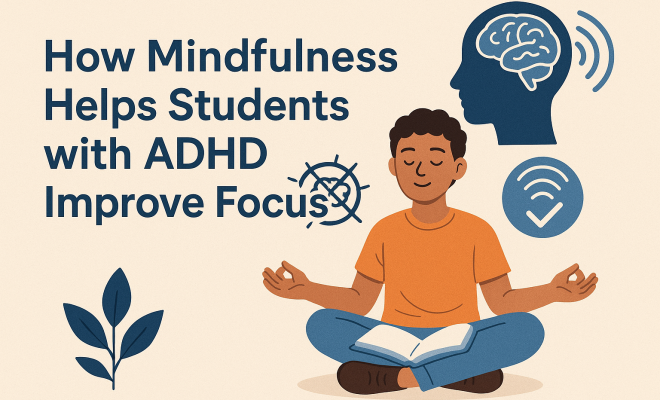
“`html
For many students, the classroom can feel like a whirlwind of distractions, especially for those with Attention Deficit Hyperactivity Disorder (ADHD). Traditional learning environments often overlook the unique needs of these students, leading to frustration and disengagement. However, recent studies have uncovered a remarkable tool that can help — mindfulness for ADHD students.
Understanding ADHD: A Brief Overview
ADHD is a neurodevelopmental disorder characterized by a persistent pattern of inattention, hyperactivity, and impulsivity. According to the Centers for Disease Control and Prevention (CDC), approximately 6.1 million children in the United States are diagnosed with ADHD, which translates to about 9.4% of the youth population. These statistics underscore the importance of finding effective strategies to support these students in their academic journeys.
Children with ADHD often struggle to focus, complete tasks, and maintain organization, leading to academic challenges. This is where mindfulness practices can make a significant impact. By fostering self-awareness and emotional regulation, mindfulness can help ADHD students improve their concentration and engagement.
What Is Mindfulness?
Mindfulness is defined as the practice of being fully present and engaged in the moment, without judgment. It’s about paying attention to your thoughts, feelings, and surroundings with a sense of acceptance. Mindfulness can be practiced through various techniques, including meditation, breathing exercises, and sensory awareness.
Research has shown that mindfulness can reduce stress and anxiety, enhance emotional regulation, and improve overall well-being. For students with ADHD, these benefits can be particularly transformative. By incorporating mindfulness into their daily routines, they can learn to navigate distractions more effectively and cultivate a deeper sense of focus.
How Mindfulness Benefits ADHD Students
Integrating mindfulness practices in the lives of ADHD students can lead to numerous benefits that enhance their learning experience:
- Improved Attention Span: Mindfulness techniques help students train their attention, allowing them to focus on tasks for longer periods.
- Emotional Regulation: Mindfulness enhances students’ ability to manage their emotions, reducing impulsivity and frustration.
- Reduced Anxiety: Mindfulness practices can alleviate anxiety, which is often prevalent among students with ADHD.
- Increased Self-Awareness: Mindfulness fosters a greater understanding of personal strengths and weaknesses, empowering students to advocate for themselves.
- Enhanced Academic Performance: By improving focus and emotional stability, mindfulness can lead to better academic outcomes.
Mindfulness Techniques for Students with ADHD
Implementing mindfulness practices doesn’t require extensive training or resources. Here are some practical techniques that can easily be integrated into the daily routines of ADHD students:
1. Breathing Exercises
Breathing exercises are a foundational element of mindfulness. Simple techniques, such as deep belly breathing, can help students calm their minds and regain focus. For instance, a student can take a moment to inhale deeply through the nose, hold for a few seconds, and then exhale slowly through the mouth. Practicing this for even just five minutes can provide immediate benefits.
2. Mindful Observation
Mindful observation encourages students to engage their senses. In a classroom setting, teachers can ask students to take a moment to look around the room and note three things they see, two things they hear, and one thing they can feel. This practice helps ground students in the present moment and reduces anxiety about upcoming tasks.
3. Body Scans
A body scan is a mindfulness exercise that involves mentally scanning the body for tension or discomfort. Students can lie down or sit comfortably and focus on each part of their body, starting from their toes to the top of their heads. By acknowledging physical sensations without judgment, students can develop a deeper awareness of their bodies and reduce restlessness. (See: CDC facts about ADHD prevalence.)
4. Guided Meditation
Guided meditation is another effective technique for enhancing focus. Teachers can use audio recordings or apps that provide guided sessions tailored for children. These meditations often include themes of relaxation and concentration, making them accessible and engaging for students.
5. Mindful Movement
Incorporating movement into mindfulness practices can be particularly beneficial for ADHD students. Activities such as yoga or tai chi emphasize gentle movements and focus on breath, allowing students to connect with their bodies while calming their minds. Even a brief session can help reset their attention span.
Implementation Strategies for Teachers
For educators looking to integrate mindfulness for ADHD students in the classroom, there are several strategies to consider:
- Start Small: Begin with short mindfulness exercises, gradually increasing the duration as students become more comfortable.
- Create a Routine: Incorporate mindfulness practices at the beginning or end of class to establish consistency.
- Involve Parents: Encourage parents to participate in mindfulness practices at home, reinforcing the techniques learned in school.
- Make It Fun: Use engaging activities such as mindfulness games or storytelling to capture students’ attention.
- Provide a Safe Space: Create a designated area in the classroom for mindfulness activities where students can feel comfortable and uninterrupted.
Challenges and Considerations
While mindfulness can be transformative, it’s essential to acknowledge that implementing these practices comes with challenges. Some students may initially resist mindfulness due to discomfort with silence or difficulty focusing on their breath. Educators should approach these challenges with patience and flexibility.
It’s also important to recognize that mindfulness is not a one-size-fits-all solution. Each student with ADHD has unique needs, and mindfulness practices should be tailored to fit individual preferences and learning styles. Educators may need to adjust their techniques based on their students’ reactions and engagement levels.
Research Backing Mindfulness for ADHD Students
Numerous studies support the effectiveness of mindfulness practices for students with ADHD. A 2016 study published in the journal Mindfulness found that children with ADHD who participated in mindfulness training demonstrated significant improvements in attention, emotional regulation, and behavior. Another study from 2018 indicated that a mindfulness program improved students’ academic performance and reduced anxiety levels.
Moreover, research has shown that mindfulness can positively impact the brain’s structure and function. Neuroimaging studies reveal that mindfulness practices can increase grey matter density in areas related to attention and emotional regulation. This suggests that mindfulness can lead to lasting changes in brain function, potentially benefiting ADHD students well beyond their school years.
Current Trends in Mindfulness Education
Mindfulness education is gaining traction in schools across the globe. Many educational institutions are incorporating mindfulness programs into their curricula to support not only students with ADHD but all students facing stress and anxiety. Programs like “Mindful Schools” and “Calm Classroom” provide resources and training for educators seeking to implement mindfulness effectively.
Furthermore, the rise of technology has made mindfulness more accessible. Numerous apps and online platforms offer guided meditations, mindfulness exercises, and educational resources tailored for children. This accessibility allows students to practice mindfulness independently, encouraging them to take ownership of their mental health and focus.
Final Thoughts: The Power of Mindfulness for ADHD Students
Mindfulness for ADHD students is not just a trend; it’s a powerful approach to enhancing focus, emotional regulation, and academic performance. By integrating mindfulness practices into their routines, students can cultivate the skills necessary to navigate the complexities of the classroom and beyond.
As educators, parents, and advocates, embracing mindfulness as a valuable tool can create an environment where ADHD students feel supported, engaged, and empowered to reach their full potential. By fostering a culture of mindfulness, we can unlock the unique gifts that these students bring to our educational landscape.
Mindfulness and Neurodiversity
When discussing ADHD and mindfulness, it’s essential to understand the broader context of neurodiversity. Neurodiversity celebrates the different ways that brains function and emphasizes the value of diverse neurological conditions. ADHD is just one of many neurodevelopmental variations that individuals may experience. By incorporating mindfulness, we can support ADHD students in a way that acknowledges and values their unique perspectives and learning styles. (See: NIH overview of ADHD.)
Understanding the neurodiversity perspective helps educators approach mindfulness not just as a tool for correction but as a means of enhancing the natural strengths found in ADHD students. For instance, many individuals with ADHD possess heightened creativity and problem-solving abilities. Mindfulness can help channel these strengths and reduce the effects of distractibility and impulsivity.
Mindfulness as a Lifelong Skill
Learning mindfulness isn’t just beneficial for ADHD students in their current academic environments; it’s a skill that can serve them throughout their lives. The ability to focus, manage stress, and regulate emotions is invaluable not only in school but also in future workplaces and personal relationships. Research indicates that mindfulness can contribute to lifelong mental health and well-being, making it an essential skill for everyone.
As students transition from high school to college or the workforce, the mindfulness techniques they’ve learned can continue to help manage the challenges they face. For instance, college students often encounter increased stress, and those who practice mindfulness may be better equipped to handle it. The practice can foster resilience, enabling students to bounce back from setbacks and maintain a positive outlook in the face of challenges.
Mindfulness in the Home Environment
While integrating mindfulness in the classroom is crucial, the home environment plays an equally significant role. Parents can reinforce mindfulness practices by creating a mindfulness-friendly atmosphere at home. Simple activities, such as family meditation sessions, mindful eating practices, or quiet reflection time, can help children with ADHD feel supported in their mindfulness journey.
Encouraging family involvement in mindfulness not only strengthens the practices but also fosters communication and bonding. Families that practice mindfulness together often find improved emotional connections and understanding among members. This can be particularly advantageous for families with ADHD, as it allows for an open dialogue about challenges and shared experiences.
Examples of Mindfulness Programs in Schools
Several schools and organizations have successfully integrated mindfulness programs tailored to ADHD students. For instance, the “Mindfulness in Schools Project” offers a curriculum designed for students aged 7-18, focusing on attention, emotional awareness, and resilience. This program has reported positive outcomes in students’ focus and emotional regulation.
Another example is the “Mind Up” program, founded by the Goldie Hawn Foundation, which includes mindfulness exercises as part of a broader curriculum that emphasizes social-emotional learning. Schools implementing “Mind Up” have seen improvements in student behavior, academic performance, and overall classroom climate.
These programs highlight the versatility of mindfulness and its adaptability to various educational contexts, showing that it can be effective regardless of the specific structure of the school or the demographic of the students involved.
Frequently Asked Questions about Mindfulness for ADHD Students
What age is appropriate to start teaching mindfulness to children with ADHD?
Children as young as five can begin learning mindfulness through simple techniques like breathing exercises and mindful observation. Tailoring practices to fit their developmental stage is crucial for maintaining engagement.
Can mindfulness replace medication for ADHD?
Mindfulness should not be seen as a replacement for medication. Instead, it can be a complementary practice that enhances the effects of medication or serves as an alternative for those who prefer non-pharmaceutical approaches. It’s essential for parents and teachers to consult healthcare professionals when considering treatment options.
How long does it take to see benefits from mindfulness practices?
Benefits can often be seen within a few weeks of regular practice. However, individual experiences may vary. Consistency is key; the more regularly mindfulness practices are integrated, the more likely students are to experience positive changes in focus and emotional regulation.
Is mindfulness suitable for all students with ADHD?
While many students with ADHD can benefit from mindfulness, each child is unique. Some may find mindfulness techniques more helpful than others based on their personal preferences and learning styles. It’s important to experiment with various mindfulness practices to discover what resonates best with each student.
How can parents support mindfulness practices at home?
Parents can engage in mindfulness activities with their children, set aside quiet time for reflection, or introduce mindfulness apps designed for families. Creating a routine around mindfulness can help reinforce the practices learned in school.
Are there any specific mindfulness techniques that work better for ADHD students?
Different techniques resonate with different students, but some that have shown promise for ADHD students include breathing exercises, mindful movement (like yoga), and sensory activities that engage their environment. It’s all about finding what clicks for each individual.
How can schools measure the effectiveness of mindfulness programs?
Schools can assess effectiveness through a combination of qualitative and quantitative measures. This might include surveys evaluating students’ emotional well-being, attention levels, and behavior changes, as well as academic performance metrics and feedback from teachers about classroom dynamics.
What resources are available for teachers wanting to implement mindfulness?
Numerous resources exist for teachers, including websites like Mindful Schools, apps such as Headspace for Kids, and books on mindfulness tailored for educators. Professional development workshops can also provide guidance on integrating these practices into the classroom.
Conclusion
Mindfulness for ADHD students presents an opportunity not just for improved focus and emotional regulation but for fostering a holistic approach to education that values and respects the diverse cognitive profiles of all students. By embracing these practices, we create a more inclusive and supportive learning environment that can empower ADHD students to thrive both academically and personally.
“`
Trending Now
Frequently Asked Questions
How can mindfulness help students with ADHD?
Mindfulness helps students with ADHD by fostering self-awareness and emotional regulation. It enables them to navigate distractions more effectively, improve concentration, and enhance engagement in the classroom. Techniques such as meditation and breathing exercises can significantly reduce stress and anxiety, leading to better academic performance.
What are some mindfulness techniques for ADHD?
Some effective mindfulness techniques for ADHD include meditation, breathing exercises, and sensory awareness practices. These methods encourage students to focus on the present moment, helping them manage their thoughts and emotions, which can lead to improved attention and reduced impulsivity.
Can mindfulness improve focus in children?
Yes, mindfulness can improve focus in children, especially those with ADHD. By practicing mindfulness, children learn to enhance their concentration and reduce distractions, which are common challenges for those with attention difficulties. Regular mindfulness practice can lead to significant academic benefits.
What is the relationship between ADHD and mindfulness?
The relationship between ADHD and mindfulness lies in the ability of mindfulness practices to address the unique challenges faced by ADHD students. Mindfulness promotes emotional regulation and self-awareness, which can help these students manage their symptoms, improve focus, and engage more fully in their educational experiences.
Is mindfulness effective for all students with ADHD?
While mindfulness has shown significant benefits for many students with ADHD, its effectiveness can vary individually. Some students may respond exceptionally well to mindfulness practices, while others might require additional strategies or support. It is essential to tailor approaches based on individual needs.
Agree or disagree? Drop a comment and tell us what you think.