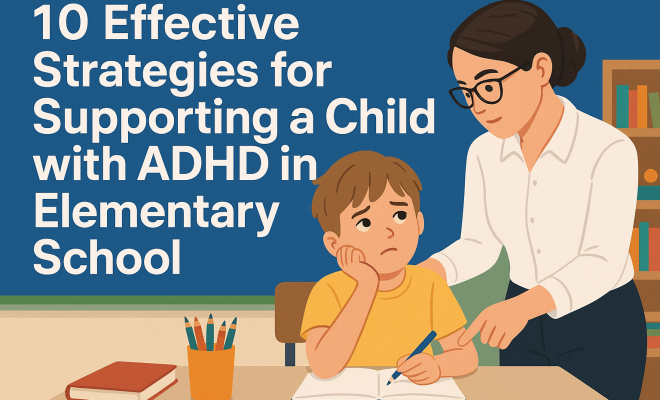
10 Effective Strategies for Supporting a Child with ADHD in Elementary School
“`html
Supporting a child with ADHD (Attention-Deficit/Hyperactivity Disorder) in elementary school can be a multifaceted challenge for teachers, parents, and the children themselves. With a clear understanding of ADHD, its symptoms, and effective strategies, educators can create a nurturing environment that promotes success and confidence among students with this condition. Here are ten effective strategies to help you support a child with ADHD in the classroom.
1. Understand ADHD:
Understanding ADHD is the first step in providing effective support. ADHD is characterized by symptoms that include inattention, hyperactivity, and impulsivity, which can vary in intensity among individuals. According to the Centers for Disease Control and Prevention (CDC), ADHD affects an estimated 6.1 million children in the United States, and it can persist into adulthood. Recognizing the symptoms can help educators tailor their approach and foster a supportive learning environment.
Being aware of the specific challenges a child with ADHD may face is crucial. For instance, they might struggle with staying focused during lessons, have difficulty following instructions, or find it challenging to remain seated. Understanding these dynamics allows teachers to be more empathetic and responsive to students’ needs.
2. Communicate with Parents:
Effective communication with parents and guardians is vital in supporting a child with ADHD. Regularly updating parents about their child’s progress, behaviors, and any concerns can help create a cohesive support system. A collaborative approach ensures that both home and school environments are consistent in strategies and support provided to the child.
Consider setting up periodic meetings to discuss the child’s strengths and areas that need improvement. This proactive communication helps parents feel more involved in their child’s education and allows them to share insights about what works at home, which can be adapted in the classroom.
3. Set Clear Expectations:
Children with ADHD benefit from having clear and consistent expectations. It’s essential to establish rules and routines that are straightforward and easy to understand. Visual aids, like charts or checklists, can help reinforce these expectations in a way that is both engaging and accessible for students.
Additionally, remind students of expectations regularly, especially when transitioning between activities or subjects. This clarity can help reduce anxiety and improve focus, making it easier for children with ADHD to stay on task.
4. Incorporate Movement Breaks:
Incorporating movement breaks into the daily routine can be particularly beneficial for children with ADHD. Short, structured breaks allow these students to release pent-up energy, helping them refocus and return to their tasks with renewed attention. Activities could include simple stretching, walking around the classroom, or quick exercises.
Research supports this approach, showing that physical activity can enhance cognitive function and reduce impulsivity. By integrating movement into the classroom, educators can create a more conducive learning environment for students who find it hard to sit still for extended periods.
5. Utilize Classroom Accommodations:
Implementing specific classroom accommodations is a vital part of supporting a child with ADHD. These might include preferential seating away from distractions, extended time on tests and assignments, or the use of technology like tablets and audio books to assist with learning. Each child’s needs are unique, so it’s important to tailor accommodations based on individual assessments.
Working closely with special education staff or school psychologists can help delineate effective accommodations. Additionally, documenting what works helps create a robust support structure that can be shared with future educators.
6. Use Positive Reinforcement:
Positive reinforcement can be a powerful tool in motivating children with ADHD. Recognizing and rewarding good behavior encourages these students to engage more positively in the classroom. Rewards can be as simple as verbal praise, stickers, or a small privilege, such as choosing the next classroom activity.
Creating a reward system that is clear and visually represented can also help students with ADHD understand their progress. Such systems not only reinforce positive behavior but also provide a sense of accomplishment that boosts self-esteem.
7. Encourage Organization Skills:
Helping a child with ADHD learn organization skills can be transformative in their academic success. Teach them how to use planners or organizational tools, such as binders or color-coded folders, to keep track of assignments and materials. Regularly reviewing these tools together can help reinforce the importance of staying organized.
Additionally, breaking down larger tasks into smaller, manageable steps can prevent students from feeling overwhelmed. When children learn to set small, achievable goals, they become more engaged in their work and less likely to procrastinate.
8. Foster a Growth Mindset:
Encouraging a growth mindset is essential when supporting a child with ADHD. Help them understand that effort and perseverance lead to improvement and success. Use language that emphasizes progress rather than perfection, reminding them that everyone makes mistakes and that learning is an ongoing process.
By cultivating resilience, children with ADHD will be better equipped to handle challenges and setbacks. Sharing stories of famous individuals who have overcome difficulties can serve as powerful motivation and inspiration.
9. Promote Social Skills Development:
Children with ADHD often face challenges in social interactions, which can lead to feelings of isolation or frustration. Providing opportunities for social skill development in a structured setting can enhance their communication and relationship-building abilities. Role-playing scenarios or guided group activities can help children practice social cues and responses.
Creating a classroom culture that fosters inclusivity and teamwork is vital. Encourage peer collaboration on projects and facilitate friendships by pairing students who can positively influence each other, thereby enriching the social landscape of the classroom.
10. Stay Informed and Seek Support:
Lastly, staying informed about ADHD and its impact on learning is essential for educators. Attend workshops, read current research, and connect with other professionals who are experienced in supporting students with ADHD. This ongoing professional development not only enhances your teaching strategies but also contributes to a more compassionate classroom environment.
Don’t hesitate to seek support from specialists, such as school counselors or psychologists, who can provide guidance on specific challenges. Building a network of resources creates a stronger support system for both the teacher and the students.
11. The Role of Diet and Nutrition:
Research suggests that diet and nutrition can play a role in managing ADHD symptoms. A balanced diet rich in whole grains, fruits, vegetables, lean proteins, and healthy fats may help improve focus and behavior. Some studies indicate that certain nutrients, such as omega-3 fatty acids, can have a positive impact on cognitive function and behavior.
Encouraging children to eat regular meals and snacks that include these nutrients can help support their concentration and overall well-being. It’s also important to consider the impact of sugar and processed foods, which some studies have linked to increased hyperactivity in some children.
Parents and educators can work together to ensure that children with ADHD are getting the nutrition they need. This collaborative approach can also involve providing healthy snack options in the classroom.
12. Utilizing Technology to Support Learning:
Technology can be an invaluable tool for supporting a child with ADHD. There are a variety of apps and software designed specifically for helping children with focus, organization, and study skills. For example, apps that include timers can help children manage their time effectively, while digital planners can assist with organization.
Interactive learning platforms can also cater to different learning styles, allowing children with ADHD to engage more thoroughly with the material. Incorporating technology into lessons can make learning more engaging and less monotonous, which is often beneficial for students with attention difficulties.
It’s essential to balance technology use with traditional learning methods, ensuring that students don’t become overly reliant on devices for their learning processes.
13. Individualized Education Plans (IEPs) and 504 Plans:
Many students with ADHD may benefit from an Individualized Education Plan (IEP) or a 504 Plan, which provide tailored educational support. An IEP is designed for students who qualify for special education services, while a 504 Plan offers accommodations for students with disabilities who do not require special education.
Creating an IEP or a 504 Plan involves collaboration among teachers, parents, and special education professionals. These plans can include specific goals and objectives, accommodations, and modifications to help the child succeed academically. Regularly reviewing and updating these plans is crucial to ensure they meet the evolving needs of the student.
14. Expert Perspectives on ADHD:
Listening to insights from child psychologists and ADHD specialists can provide invaluable information on effective support strategies. Experts often emphasize the importance of early intervention. Research shows that children who receive support early on are more likely to succeed academically and socially. Dr. Russell Barkley, a leading expert in ADHD, highlights the necessity of understanding the neurobiological aspects of ADHD to provide the best support possible.
Moreover, expert opinions suggest that a collaborative approach, involving parents, teachers, and mental health professionals, is most effective in supporting children with ADHD. This collective effort ensures a comprehensive understanding of the child’s needs and a unified approach in addressing them.
15. Common Myths about ADHD:
There are many misconceptions surrounding ADHD that can influence how children with the disorder are perceived and treated. One common myth is that ADHD is just a result of poor parenting. In reality, ADHD is a neurodevelopmental disorder with biological underpinnings, often influenced by genetic and environmental factors.
Another misconception is that children with ADHD cannot focus at all. While they may struggle with attention in specific settings, they can often hyperfocus on activities that interest them, like video games or sports. Educators should understand these nuances to create more effective learning strategies.
16. Creating a Supportive Classroom Environment:
The overall classroom environment plays a significant role in how children with ADHD learn and interact. A supportive, understanding atmosphere can make a world of difference. This includes not only physical space—like minimizing distractions and providing comfortable seating—but also emotional support from teachers and peers.
Encouraging resilience and celebrating small victories can create a positive feedback loop for children with ADHD. For instance, teachers can implement class-wide initiatives that focus on kindness and understanding, fostering a culture where every child feels valued and supported.
17. FAQ about Supporting a Child with ADHD:
What are the main symptoms of ADHD?
The primary symptoms of ADHD include inattention, hyperactivity, and impulsivity. Children may have trouble focusing on tasks, following instructions, or sitting still. Symptoms can vary significantly from one child to another.
How can I tell if my child might have ADHD?
If you suspect your child may have ADHD, look for consistent patterns of inattentiveness, hyperactive behaviors, or impulsive actions that impact their daily life and learning. Consulting with a pediatrician or mental health professional can provide clarity.
Can ADHD improve over time?
Many children with ADHD see an improvement in symptoms as they grow older. Some may develop more effective coping strategies, while others may still require support into adolescence and adulthood. Ongoing assessment and adaptation of support strategies is key.
What role do medication and therapy play in managing ADHD?
For some children, medication can be beneficial in managing ADHD symptoms. Behavioral therapy is also a common approach, helping children develop skills to manage their behaviors and emotions. Parents should work closely with healthcare providers to determine the best course of action for their child.
How can schools support children with ADHD?
Schools can provide various supports, including accommodations, individualized instruction, and access to counselors or special education services. Teachers trained in ADHD-specific strategies can create a more inclusive and effective learning environment.
18. Strategies for Homework Support:
Homework is often a challenging area for children with ADHD due to difficulties with organization, focus, and time management. Establishing a consistent homework routine can greatly aid in this area. Designate a specific time and quiet space for homework that is free of distractions. Consider using a timer to help the child work in short bursts, followed by breaks to maintain engagement.
Parents can also play a role here by checking in on assignments, helping to break tasks into smaller, more manageable chunks, and offering praise for completed tasks. Tools like visual schedules or homework trackers can serve as effective aids to help children stay organized and on track.
19. The Importance of Emotional Regulation:
Many children with ADHD struggle with emotional regulation, making it essential to teach them coping strategies. Practicing mindfulness techniques, such as deep breathing exercises or guided imagery, can help children manage their emotions and reactions. Role-playing different scenarios can also be useful in teaching them how to respond to various emotional triggers.
Encouraging children to express their feelings through journaling or art can also be a therapeutic outlet. Creating a safe space where they can share their feelings with trusted adults helps foster emotional intelligence and resilience.
20. Building Self-Esteem in Children with ADHD:
Children with ADHD often struggle with self-esteem due to their challenges, so building their self-worth is crucial. Celebrate their achievements, no matter how small, and provide opportunities for them to showcase their strengths. Focus on their interests and talents, whether in academics, sports, or arts, to help them shine in areas where they feel confident.
Teaching self-advocacy skills is also important. Help children learn how to ask for help and communicate their needs in various settings, ensuring they feel empowered and capable. This approach allows children with ADHD to view themselves as competent individuals, which is vital for their overall well-being.
In summary, supporting a child with ADHD requires a comprehensive and tailored approach. By understanding the condition, fostering open communication, utilizing effective strategies, and creating a supportive environment, educators can empower these children to thrive academically and socially. With the right tools and resources, every child has the potential to succeed.
“`
Trending Now
Frequently Asked Questions
What are effective strategies for teaching children with ADHD?
Effective strategies for teaching children with ADHD include understanding the disorder, maintaining open communication with parents, creating structured routines, using positive reinforcement, and providing clear instructions. Tailoring teaching methods to accommodate their needs can enhance their learning experience and boost confidence.
How can parents support a child with ADHD at school?
Parents can support a child with ADHD at school by maintaining regular communication with teachers, sharing insights about effective strategies used at home, and participating in meetings to discuss their child's progress. Collaboration between home and school can create a consistent support system.
What are the symptoms of ADHD in children?
Symptoms of ADHD in children typically include inattention, hyperactivity, and impulsivity. These symptoms can vary in intensity and may lead to challenges in staying focused, following instructions, and remaining seated during lessons, necessitating tailored support strategies in the classroom.
How can teachers create a supportive environment for students with ADHD?
Teachers can create a supportive environment for students with ADHD by understanding the disorder, implementing structured routines, using visual aids, providing frequent breaks, and fostering open communication with both students and parents to address individual needs effectively.
What role do parents play in supporting children with ADHD?
Parents play a crucial role in supporting children with ADHD by collaborating with teachers, sharing valuable insights about their child’s behavior and strengths, and reinforcing positive behaviors at home. Their involvement helps create a cohesive support system that enhances the child’s educational experience.
Have you experienced this yourself? We’d love to hear your story in the comments.