ADHD & Executive Function: Navigating Middle School Challenges
“`html
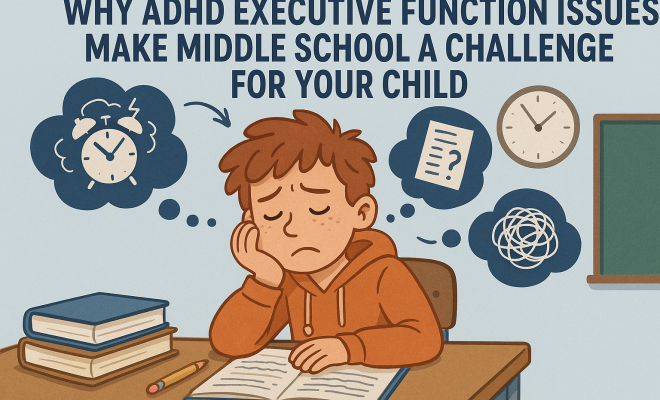
For many parents, seeing their child struggle with organization and time management in middle school can be a perplexing and emotional experience. If your child has been diagnosed with ADHD (Attention-Deficit/Hyperactivity Disorder), you might often wonder why simple tasks like keeping a backpack organized or remembering to turn in homework seem so daunting. Understanding the connection between ADHD and executive function is key to addressing these challenges and supporting your child through their academic journey.
What is Executive Function?
Executive function refers to a set of cognitive processes that help individuals manage their thoughts, actions, and emotions in a way that allows them to reach their goals. This includes a variety of skills, such as:
- Planning and organization
- Prioritizing tasks
- Working memory
- Self-control and emotional regulation
- Flexible thinking
These functions are crucial for students, especially in middle school, where academic demands increase significantly. Children with ADHD often experience impairments in executive function, which can lead to difficulties in school environments.
The Link Between ADHD and Executive Function
In children diagnosed with ADHD, the brain’s executive functions may not develop in sync with their peers. Research suggests that the areas of the brain responsible for executive function, particularly the prefrontal cortex, often show differences in structure and activity in children with ADHD.
As a result, tasks that require organization, such as managing schoolwork and adhering to schedules, can be overwhelming. This can lead to symptoms commonly recognized in ADHD, such as forgetfulness, impulsivity, and disorganization. A study published in the journal Neuropsychology Review highlights that these executive function deficits can be more pronounced during middle school due to the increased cognitive demands placed upon students.
Why Middle School is a Pivotal Time
Middle school is often viewed as a transitional phase, where children shift from the structured environment of elementary school to the more independent setting of high school. This transition can be particularly challenging for those with ADHD, as they face increased expectations for self-management. Here’s why:
- Increased Workload: As students progress to middle school, they typically encounter a greater volume of assignments and projects that require organizational skills. Managing multiple subjects can overwhelm those with ADHD.
- Less Structure: Middle school often means less direct supervision from teachers, which can be difficult for students who struggle with self-regulation.
- Social Dynamics: Adolescents are navigating new social environments, which can exacerbate feelings of anxiety and distraction for those with ADHD.
These factors combine to create a high-pressure situation, making it crucial for parents and educators to understand the challenges their students face.
Common Executive Function Challenges for Middle Schoolers with ADHD
Understanding the specific executive function challenges that your child may face can help you provide the right support. Some common difficulties include:
- Organization: Children with ADHD may struggle to keep track of assignments, notes, and school supplies, leading to lost homework or forgotten deadlines.
- Time Management: Estimating how long tasks will take or prioritizing activities can be particularly difficult. This can result in procrastination or last-minute cramming.
- Task Initiation: Getting started on assignments can be a significant barrier, often caused by overwhelm or lack of motivation.
- Emotional Regulation: Struggling to manage emotions can lead to outbursts or frustration when tasks become overwhelming.
- Working Memory Deficits: Retaining information long enough to use it can present hurdles, such as forgetting multi-step instructions.
These challenges can significantly impact performance in school, leading to lower grades and increased frustration for both students and parents.
Supporting Your Middle Schooler with ADHD
Equipping your middle schooler with ADHD with strategies to manage executive function challenges can make a profound difference. Here are several effective approaches: (See: CDC ADHD guidelines.)
- Create Structured Routines: Establishing a daily routine can help your child anticipate what’s next and reduce anxiety. Consistency in when homework is done, when to study, and when to relax can enhance their sense of control.
- Use Visual Aids: Tools like planners, calendars, or color-coded binders can provide visual reminders and help your child stay organized. Encouraging them to check off completed tasks can also boost motivation.
- Break Tasks into Smaller Steps: Large assignments can be daunting. Breaking them down into smaller, more manageable steps can help your child feel less overwhelmed and promote task initiation.
- Incorporate Technology: Utilize apps designed for organization and time management. Many educational platforms now offer tools specifically tailored for students with ADHD.
- Encourage Self-Advocacy: Teach your child to communicate their needs with teachers and peers. Understanding how to ask for help or accommodations can empower them in their academic environment.
Implementing these strategies at home can provide your child with the support they need to thrive academically and socially.
The Role of Educators
Teachers play a crucial role in supporting students with ADHD in middle school settings. Educators can be instrumental in creating an inclusive environment that acknowledges the unique challenges these students face. Here are a few ways teachers can assist:
- Flexible Teaching Methods: Incorporating various teaching styles and allowing for alternative assessments can cater to different learning preferences.
- Provide Clear Instructions: Clearly outlining tasks and expectations helps students focus and reduces confusion. Visual prompts or written instructions are often beneficial.
- Regular Check-Ins: Frequent communication with students regarding their progress can help teachers identify when a student is struggling and provide timely support.
- Implement Classroom Accommodations: Adjustments such as extended time on tests or a quiet space for completing work can significantly improve performance for students with ADHD.
Collaboration between parents and educators is vital for forming a strong support system tailored to the child’s needs.
Advocating for Your Child
As a parent, advocating for your child with ADHD is essential in ensuring they receive the necessary support in school. Here are some strategies for effective advocacy:
- Understand the Laws: Familiarize yourself with laws such as the Individuals with Disabilities Education Act (IDEA) and Section 504 of the Rehabilitation Act, which ensures that students with disabilities receive appropriate accommodations.
- Document Everything: Keep records of your child’s assessments, teacher communications, and any interventions implemented. This documentation can be critical during meetings with school staff.
- Be Proactive: Don’t wait for issues to arise. Schedule regular meetings with teachers and staff to discuss your child’s progress and any adjustments needed.
- Partner with Professionals: Collaborate with school counselors or special education teachers to create an Individualized Education Plan (IEP) or a 504 Plan tailored to your child’s unique challenges.
Being an informed and proactive advocate can make a significant difference in your child’s educational experience.
Understanding the Emotional Impact
The emotional toll of struggling with executive function can be significant for middle schoolers with ADHD. Feelings of frustration, inadequacy, and anxiety are common as they grapple with academic pressures. It’s crucial to understand and address these emotions to foster a supportive environment.
Encouraging open conversations about their feelings can help your child feel validated and understood. Use supportive language that reinforces their strengths and capabilities. Remind them that struggling doesn’t mean failure and that everyone has challenges to overcome.
The Importance of Self-Care
Both students and parents should prioritize self-care amidst the challenges presented by ADHD. For students, engaging in activities that promote mental well-being, such as exercise, hobbies, or mindfulness practices, can significantly reduce stress. For parents, ensuring you also take time for self-care can help maintain your mental health, allowing you to be a better advocate and support system for your child.
Remember, encouragement and positive reinforcement can go a long way. Celebrating small successes fosters a growth mindset and helps build resilience in your child.
Strategies for Enhancing Executive Function Skills
In addition to the supportive strategies previously discussed, there are specific practices designed to enhance executive function skills that can be incorporated into daily routines. These include: (See: NIH ADHD causes and effects.)
- Mindfulness Practices: Mindfulness exercises, such as meditation and focused breathing, can help improve emotional regulation and concentration. Teaching your child simple mindfulness techniques can empower them to manage stress and anxiety more effectively.
- Goal Setting: Involving your child in setting realistic and achievable goals can promote accountability. Encourage them to define short-term and long-term goals and discuss the steps needed to reach them.
- Role-Playing Scenarios: Role-playing can be a fun and engaging way to practice social skills and problem-solving. Use common scenarios they might face in school to help them prepare for social interactions or difficult conversations.
- Physical Activity: Regular physical activity has been shown to improve concentration and cognitive function. Encourage your child to participate in sports or outdoor activities that they enjoy.
- Consistent Feedback: Regularly providing feedback on their progress can help reinforce positive behaviors and strategies that work for them. Use a reward system to celebrate improvements and efforts, no matter how small.
Engaging with Experts
Connecting with professionals who specialize in ADHD can provide valuable insights and strategies tailored to your child’s needs. Consider seeking support from:
- Psychologists or Psychiatrists: Professionals can provide therapy or medication management and can help your child develop coping strategies.
- Educational Therapists: These specialists can work with your child on specific academic skills and executive function challenges, offering personalized support.
- Coaches or Tutors: ADHD coaches or tutors experienced in working with students with ADHD can provide individualized strategies and support tailored to your child’s learning style.
- Support Groups: Engaging with parent support groups can provide a platform to share experiences and strategies with other families facing similar challenges.
Comparative Analysis: ADHD and Other Learning Differences
While ADHD presents unique challenges regarding executive function, it’s essential to understand how it compares to other learning differences. For instance, students with dyslexia may excel in creative problem-solving but struggle with reading and writing. Conversely, students with ADHD might find themselves overwhelmed by organizational demands but can excel in creative and spontaneous thinking.
Understanding these differences helps educators and parents create a more supportive and tailored educational environment. For example, students with dyslexia might benefit from auditory learning methods, while those with ADHD might need more hands-on, interactive learning experiences. Recognizing the unique strengths and challenges of each condition can lead to more effective teaching strategies and support systems.
Frequently Asked Questions (FAQ)
What is the best way to help my child with ADHD stay organized?
Using visual aids, such as color-coded folders and weekly planners, can help your child keep track of assignments and deadlines. Regularly reviewing these materials together can also reinforce their use.
How can I help my child manage their time better?
Encouraging the use of timers or alarms can help your child understand how to allocate time for tasks. Breaking assignments into smaller pieces and setting deadlines for each piece can also make time management less overwhelming.
What should I do if my child refuses to use organizational tools?
It’s important to engage your child in the process. Ask for their input on which tools they would be interested in using and why. Making it a collaborative effort can increase their willingness to try these strategies.
How can I discuss ADHD with my child?
Talk openly and honestly about ADHD, emphasizing that it’s simply a different way the brain works. Normalize their experiences and assure them that they aren’t alone. Use age-appropriate language and provide examples that can help them relate.
What role do teachers play in supporting students with ADHD?
Teachers can implement individualized strategies, provide clear instructions, and offer accommodations to support students with ADHD. Regular communication between parents and teachers is essential to monitor progress and adjust strategies as needed.
Understanding the Role of Technology
In today’s digital age, technology can be a powerful ally for students with ADHD. There are numerous apps designed specifically to help improve organizational skills and support executive functioning. For example, apps like Todoist and My Study Life allow students to create to-do lists, set reminders, and manage their schedules effectively.
Additionally, tools like Google Calendar or Trello can help visually break down projects and deadlines, making it easier for students to stay on track. Integrating technology into your child’s routine can not only foster independence but also provide them with valuable skills for the future as they navigate high school and beyond.
Building a Supportive Home Environment
Creating a supportive home environment is vital for helping middle schoolers with ADHD thrive. Consider implementing a dedicated homework space that is free from distractions, with all necessary supplies at hand. This space should be organized and comfortable, allowing your child to focus on their tasks effectively.
Additionally, regular family check-ins can provide opportunities for open discussions about school, feelings, and any challenges your child may face. This can foster a sense of security and connection, encouraging them to share their experiences and seek help when needed.
Success Stories and Real-Life Examples
Hearing success stories can be incredibly motivating for both parents and students. There are numerous examples of individuals with ADHD who have gone on to achieve great things despite their challenges. For instance, famous figures like Michael Phelps and Richard Branson have shared their experiences with ADHD, emphasizing how they used their unique perspectives to excel in their respective fields.
These stories highlight the importance of understanding that ADHD can come with its own set of strengths as well. Encouraging your child to identify their talents and interests can help boost their confidence and motivate them to develop their skills further.
Concluding Thoughts
Navigating the world of middle school with ADHD can be complex, especially when it comes to executive function challenges. By understanding these difficulties, implementing effective strategies, and advocating for necessary support, you can empower your child to thrive academically and socially. The goal is to cultivate an environment where they can learn to manage their organization and time management skills, ultimately leading to greater independence and success.
As the journey unfolds, patience and persistence will be your best allies. Together, you and your child can tackle these challenges head-on, transforming struggles into stepping stones for future achievements.
“`
Trending Now
Frequently Asked Questions
What are executive function issues in children with ADHD?
Executive function issues in children with ADHD refer to difficulties in cognitive processes that help manage thoughts, actions, and emotions. These may include challenges with planning, organization, prioritizing tasks, working memory, self-control, and flexible thinking, which can significantly impact a child's ability to succeed in school.
How does ADHD affect a child's ability to organize?
ADHD affects a child's ability to organize by impairing executive functions, particularly in the prefrontal cortex. This can lead to struggles with tasks like keeping a backpack organized, managing schoolwork, and adhering to schedules, making everyday school activities feel overwhelming.
Why is middle school challenging for children with ADHD?
Middle school poses unique challenges for children with ADHD due to increased academic demands and the need for stronger executive function skills. The transition requires greater organization and prioritization, which can be particularly difficult for students with ADHD, leading to heightened feelings of frustration and anxiety.
What can parents do to help a child with ADHD in middle school?
Parents can help a child with ADHD in middle school by providing structured routines, using organizational tools like planners, and offering consistent support with homework and tasks. Additionally, engaging with teachers to create an accommodating learning environment can enhance the child's academic experience.
How can executive function deficits be addressed in ADHD?
Executive function deficits in ADHD can be addressed through behavioral strategies, such as breaking tasks into smaller steps, using visual aids, and teaching self-monitoring techniques. Interventions, including therapy and medication, may also support improved executive functioning in children with ADHD.
What did we miss? Let us know in the comments and join the conversation.