72% of Parents Feel Time Starved: Insights from the 2026 National Parent Survey
“`html
Introduction: The Time Crunch in Parenting
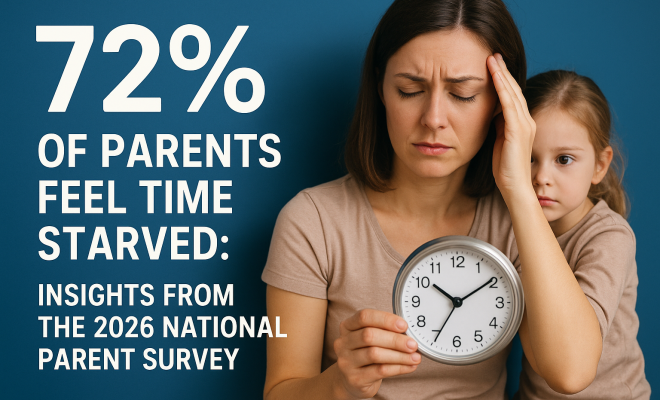
Modern parenting is entering uncharted territory, and the findings from the 2026 National Parent Survey reveal just how significant the struggle is for many families. With 72% of parents with children under six expressing a desire for more quality time with their kids, it’s evident that the issue resonates deeply across various demographics, including income levels, geographical locations, and cultural backgrounds. As parents grapple with the realities of work-life balance, many find themselves questioning whether they can truly be present for their children while managing the complexities of modern life.
Quality Time: A Universal Desire
The yearning for quality time is not just a personal sentiment; it’s a widespread phenomenon. The survey highlights that regardless of race, income, or geographical background, a significant majority of parents feel that they are not spending enough time with their young children. This common struggle reflects a broader societal issue wherein the demands of work often overshadow familial obligations. Parents want to create lasting memories and build strong bonds with their children, but many feel that their daily responsibilities keep them from achieving this goal.
Moreover, this desire for quality time is often intertwined with feelings of guilt. Parents frequently question whether they are doing enough, whether they are fully engaged with their children, or if they are missing out on important milestones. This mix of emotions can lead to stress and burnout, further complicating the parenting journey. The survey underscores this emotional weight, suggesting that it is not just about the hours spent together but the quality of those hours that truly matters.
Personal Time and Its Impact
The survey also uncovers another pressing concern: 63% of parents are in search of more personal time. This desire reflects the need for self-care and the importance of maintaining one’s own identity amidst the chaos of parenting. Whether it’s pursuing a hobby, spending time with friends, or simply enjoying a quiet moment alone, personal time is crucial for mental well-being.
However, the challenge lies in finding that time. Parents often juggle multiple responsibilities, from work commitments to household tasks, leaving little room for self-care. This struggle can lead to feelings of resentment and frustration, which can ultimately impact family dynamics. When parents are stretched thin, it can be difficult to provide the support and attention that children need. This cycle of stress not only affects parents but also trickles down to children, who may sense their caregivers’ emotional distress.
The Quest for Sleep
Perhaps unsurprisingly, 56% of parents reported wanting more sleep. Sleep deprivation is a common issue for parents of young children, especially during the early years when infants and toddlers often disrupt nightly routines. Lack of sleep can impact mood, decision-making, and overall health, creating a negative feedback loop that affects both parents and children.
When parents are sleep-deprived, their ability to engage meaningfully with their children diminishes. They may find themselves more irritable, less patient, and less able to enjoy precious moments with their kids. This is a significant concern, particularly given the importance of nurturing a child’s emotional health and development during their formative years.
The Financial Barrier
While many parents express a desire for more quality time, personal time, and sleep, a major barrier often stands in their way: financial constraints. The 2026 National Parent Survey points to money as the primary obstacle preventing parents from achieving the family life they envision. The high costs associated with childcare, housing, and other family-related expenses can create a heavy burden, pushing families into a cycle of work and stress.
For many parents, the financial pressure means that both caregivers must work, which further limits their time with children. This not only reinforces the cycle of time scarcity but can also lead to burnout, as parents struggle to meet both work and family obligations. The reality is that many families are trapped in a system that prioritizes economic stability over family cohesion.
Childcare Preferences Over Time
According to the survey, parents’ preferences for childcare evolve as their children grow. When children are infants and toddlers, there’s a stronger inclination for one parent to take on the primary caregiving role. This preference often stems from the unique needs of young children, who benefit from consistent, nurturing care during their early developmental stages. (See: Positive parenting resources.)
As children enter preschool and later school-aged years, parents may feel more comfortable exploring alternative childcare options, such as daycare or after-school programs. This shift can be seen as a means of regaining some of the precious time that parents crave. Nevertheless, the decision to seek external childcare is often fraught with its own set of challenges—like ensuring that the chosen environment aligns with the family’s values and offers quality care.
Balancing Work and Family Life
The tension between work and family life is a central theme in the parenting insights from the 2026 survey. Many parents find themselves caught in a relentless cycle of work, leaving little space for family engagement. The struggle to balance these competing demands often leads to feelings of inadequacy and frustration.
Employers, societal norms, and workplace policies play a significant role in shaping this dynamic. There’s a growing recognition that flexible work arrangements can help parents better manage their time, yet many still face stigma or resistance when seeking accommodations. The challenge is to create a culture that supports parents, allowing them to prioritize their families without sacrificing their professional aspirations.
Support Systems: The Key to Easing Burden
Finding ways to alleviate the burdens that parents face is critical to improving family life. Support systems, whether through family, friends, or community resources, can provide much-needed relief. The survey emphasizes the importance of building a network that can help lighten the load.
For instance, parents can benefit from joining local parenting groups, where they can share experiences, advice, and resources. These connections not only provide emotional support but can also lead to practical help, like babysitting co-ops or shared childcare arrangements. Communities can also play a pivotal role by advocating for policies that support family needs, such as affordable childcare options and parental leave.
Strategies for Quality Time
As parents navigate the challenges of modern life, finding ways to maximize quality time becomes essential. Even small moments can have a significant impact on family bonding and children’s emotional health. Here are a few strategies to help parents create meaningful connections:
- Be Present: When spending time with children, be fully engaged. Put away distractions like phones and focus on the moment.
- Schedule Family Time: Just like you would schedule work meetings, block out family time in your calendar. Whether it’s a weekend outing or a weekday dinner, consistency is key.
- Involve Kids in Daily Tasks: Turn routine chores into fun activities. Cooking, cleaning, or gardening can become opportunities for bonding.
- Establish Bedtime Rituals: Create a calming routine that encourages connection before sleep. Reading together or sharing stories can foster emotional intimacy.
Looking Ahead: Parenting Insights for 2026 and Beyond
The findings from the 2026 National Parent Survey reveal a growing awareness of the challenges facing modern families. As society evolves, so too do the needs and desires of parents. It’s crucial for parents to recognize that they are not alone in their struggles; the survey highlights a collective yearning for change.
Moving forward, it’s essential for families, communities, and employers to work together to create an environment that prioritizes family well-being. This involves advocating for policies that support work-life balance, investing in quality childcare, and fostering community connections. Only then can we begin to address the time scarcity that many parents experience and create a world where families can thrive.
Understanding Parenting Insights in Different Cultures
As we explore parenting insights for 2026, it’s important to recognize that parenting practices and beliefs can vary widely across cultures. In many cultures, extended family plays a pivotal role in raising children, providing additional support systems that are often lacking in nuclear family structures common in Western societies. For instance, in cultures where communal living is valued, parents may have regular help from grandparents, aunts, uncles, and even family friends, which can alleviate some of the pressures highlighted in the survey.
Additionally, different cultural expectations about parenting can influence how parents perceive their roles. In some cultures, the focus is heavily on academic achievement and discipline, while others may prioritize emotional intelligence and creativity. Understanding these differences can provide deeper insights into the diverse challenges parents face around the globe and how societal expectations shape their experiences.
Statistics on Parenting Trends
In 2026, trends in parenting continue to evolve, affected by economic, social, and technological changes. A recent study indicates that 45% of parents are using technology to enhance their parenting methods, with mobile apps for tracking child development and online communities for support becoming increasingly popular.
Moreover, the rise of remote work has transformed family dynamics, allowing 38% of parents to spend more time with their children. However, this shift also comes with challenges, as 67% of parents report difficulty in separating work from home life. Balancing these new realities requires ongoing adaptation and support. (See: Work-life balance in parenting.)
Expert Perspectives on Parenting Challenges
Experts in child development stress the importance of fostering a nurturing environment. Dr. Emily Carter, a child psychologist, emphasizes that the emotional well-being of parents directly impacts their children. “Parents need to prioritize their own mental health,” she says. “When parents are happy and fulfilled, they can provide a better environment for their children to thrive.”
Similarly, sociologist Dr. Michael Tan discusses the need for systemic change. “Policies that promote family-friendly workplaces can significantly improve the quality of family life,” he notes. “It’s about creating a society that values families and understands the challenges they face.” These insights underline the necessity for collaboration among parents, educators, employers, and policymakers.
FAQs About Parenting Insights 2026
What are the main challenges parents are facing in 2026?
Some of the main challenges include the struggle for quality time with children, balancing work and family obligations, financial constraints, and managing personal time and sleep needs.
How can parents create more quality time for their children?
Parents can create quality time by being present during interactions, scheduling regular family activities, involving kids in daily chores, and establishing bedtime rituals to connect emotionally.
Are there cultural differences in parenting practices?
Yes, parenting practices can vary significantly across cultures. Support systems, expectations, and child-rearing philosophies can shape how parents approach their roles and responsibilities.
What role does technology play in modern parenting?
Technology plays a significant role in modern parenting, with many parents using apps for tracking development, connecting with other parents online, and finding resources to support their parenting journey.
How can communities support parents more effectively?
Communities can support parents by providing resources like parenting groups, accessible childcare options, and advocating for policies that enable better work-life balance.
Understanding Mental Health in Parenting
Mental health is a crucial aspect of effective parenting. The pressures of modern-day parenting can lead to anxiety and depression, affecting how parents interact with their kids. In 2026, studies indicate that about 40% of parents report experiencing mental health challenges that interfere with their parenting. Recognizing the signs of burnout, stress, and anxiety is essential for parents to seek help and implement self-care strategies.
Therapist and parenting coach Lisa Monroe suggests that open conversations about mental health within the family can foster a supportive environment: “When parents model healthy coping strategies, children learn to navigate their emotions better. It’s all about creating a culture of understanding and openness.”
Workplace Policies and Their Impact on Parenting
Workplace policies significantly impact parents’ ability to balance their responsibilities. As more companies recognize the need for family-friendly policies, statistics show that parental leave and flexible work hours have become more common. In 2026, 55% of companies now offer some form of paid parental leave, an increase from previous years.
According to a survey by the Family Leave Project, 67% of parents believe that their workplace’s support directly affects their well-being and productivity. Many companies are also beginning to offer mental health days and wellness programs, recognizing that happy parents contribute to a healthier work environment.
Innovative Parenting Solutions in 2026
As parenting challenges evolve, innovative solutions have emerged. Technological advancements have led to the development of various tools that assist parents in managing their time and responsibilities. For instance, apps like “Family Organizer” allow parents to coordinate schedules, track family events, and share chores more efficiently.
Additionally, subscription services for meal kits and educational resources have gained popularity, providing parents with convenient options to enrich their family lives without the time-consuming planning. These solutions not only save time but also allow families to focus more on enjoying each other’s company.
The Role of Education in Parenting Insights
Education plays a vital role in shaping parenting insights. As parents become more informed about child development, they tend to adopt more supportive parenting styles. The 2026 National Parent Survey shows that 70% of parents participate in workshops or online courses to improve their parenting skills, covering topics ranging from child psychology to effective communication.
Moreover, schools are increasingly recognizing the need to support parents by offering resources that empower them to create nurturing home environments. Programs that focus on parent education can bridge the gap between school and home, fostering a unified approach to child development.
Conclusion: The Path Forward
The 2026 National Parent Survey outlines a clear message: parents are yearning for more quality time, personal time, and sleep, but financial barriers too often hinder their ability to achieve these goals. The insights gathered from this survey should serve as a wake-up call, prompting families, communities, and policymakers to rethink the structures that support modern parenting.
As we move into the future, understanding these parenting insights is crucial for fostering a nurturing environment for children. With collaboration and a commitment to change, there is hope for a future where families can enjoy the precious time together that they desire, ultimately enriching the experiences of both parents and children alike.
“`
Trending Now
Frequently Asked Questions
Why do parents feel time-starved?
Parents feel time-starved due to the overwhelming demands of work and family responsibilities. The 2026 National Parent Survey indicates that 72% of parents with children under six desire more quality time with their kids, highlighting the struggle to balance work-life commitments and familial obligations.
What percentage of parents want more quality time with their children?
According to the 2026 National Parent Survey, 72% of parents with children under six express a desire for more quality time with their kids, indicating a significant struggle across various demographics to achieve a balance between work and family life.
How does parental guilt affect time spent with children?
Parental guilt often arises from the feeling that they are not doing enough for their children. This emotional burden can lead to stress and burnout, complicating the parenting journey and making it challenging for parents to enjoy the quality time they do have with their kids.
What do parents need for self-care?
The survey reveals that 63% of parents are seeking more personal time, highlighting the importance of self-care. Parents recognize that maintaining their well-being is crucial for effectively managing family responsibilities and being present for their children.
How can parents create lasting memories with their children?
Creating lasting memories requires prioritizing quality time over quantity. Parents can engage in meaningful activities, establish routines, and be fully present during interactions, despite the challenges of modern life, to strengthen their bonds with their children.
What did we miss? Let us know in the comments and join the conversation.