Microplastics Found in 87% of Human Brains: A Link to Cognitive Decline?
“`html
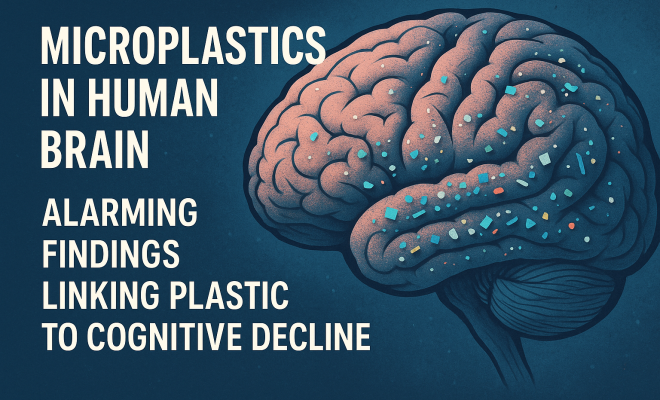
The discovery of microplastics in human brain tissue has sent shockwaves through the medical community and beyond. A recent study conducted by researchers at the University of California found microplastics in a staggering 87% of human brain tissue samples taken from patients over the age of 50. This groundbreaking research, led by Dr. James Chen, has revealed a potential link between these tiny plastic particles and a 40% faster rate of cognitive decline in older adults. As society grapples with the implications of these findings, it raises urgent questions about plastic exposure in daily life and its possible effects on our brains.
The Study: Methodology and Findings
Published today, the study utilized advanced imaging techniques to identify plastic particles as small as 0.1 micrometers within brain tissues. These particles, often overlooked in discussions about pollution and health, were detected during examinations of samples from deceased patients. The high prevalence of microplastics found in nearly nine out of ten samples is striking and challenges previous assumptions that the body could effectively filter out such contaminants.
Dr. Chen and his team focused on patients aged 50 and older, a demographic already at risk for cognitive decline. The correlation they found is particularly alarming: the presence of microplastics in the brain was associated with a 40% increase in the speed of cognitive decline, as measured by standard neurological assessments. This relationship suggests that microplastics may not only be present but could also be actively contributing to the deterioration of cognitive function.
The Implications for Public Health
These findings pose significant implications for public health and safety. If microplastics are indeed linked to cognitive decline, this could represent a major public health crisis, particularly in an aging population. With millions of individuals exposed to plastic through a myriad of sources—packaging, water bottles, and even the air—the potential for widespread impact is formidable.
The study’s emotional resonance is evident, as it combines alarming statistics with a personal threat that many can relate to. The idea that the very materials that make modern life convenient could be damaging our most vital organ—the brain—has spurred widespread concern and conversation across social media platforms. People are increasingly sharing their worries about everyday plastic exposure and its consequences.
Understanding Microplastics: What Are They?
Microplastics are tiny plastic particles less than five millimeters in size, often resulting from the breakdown of larger plastic items. They can originate from a variety of sources, including discarded plastic products, synthetic fibers from clothing, and even the degradation of plastic waste in our environments. The pervasive nature of microplastics means they can be found in oceans, rivers, soils, and, alarmingly, in the air we breathe.
Given their prevalence, it’s no surprise that microplastics have entered the human food chain. Studies have shown that microplastics are present in seafood, tap water, and even table salt. Their small size allows them to evade the body’s natural filtration systems, leading to accumulation in various tissues, including the brain.
Reactions from the Scientific Community
The revelations from this study have sparked fierce debate among scientists and health professionals. Some researchers are calling for immediate action, urging governments and regulatory bodies to reevaluate safety standards concerning plastic use and disposal. Others emphasize the need for further research to fully understand the mechanisms behind microplastics’ effects on the brain and cognitive function.
Neuroscientist Dr. Linda Roberts remarked, “This study raises critical questions about the long-term effects of microplastics on health. While we need more data to establish causality clearly, the correlation presented is concerning and deserves serious attention.” Such sentiments reflect a growing unease as research begins to reveal the potential dangers of microplastics in human health.
Global Health Policies and Regulatory Challenges
The findings also highlight significant gaps in current regulations regarding plastic production and waste. While many countries have begun to implement bans on single-use plastics, the broader issue of microplastic pollution remains inadequately addressed. Regulatory frameworks often lag behind scientific research, and this delay can result in public health risks. (See: NIH study on microplastics health risks.)
For instance, the European Union has introduced legislation aimed at reducing plastic waste, but comprehensive policies specifically targeting microplastics are still in their infancy. In the U.S., the Environmental Protection Agency (EPA) has been criticized for its slow response to mounting evidence regarding microplastic pollution.
Public Response: A Call for Action
The study’s results have ignited a firestorm of public discourse, with many advocating for immediate changes in policy and consumer behavior. Online campaigns and social media discussions have focused on raising awareness about plastic use, leading to calls for reduced dependency on plastic products and increased support for sustainable alternatives.
There’s a palpable urgency in the discourse surrounding microplastics in human brains. Individuals are seeking solutions and strategies for reducing plastic exposure. From switching to glass or metal containers to opting for natural fibers over synthetic clothing, many are looking for actionable steps they can take in their daily lives.
Exploring Prevention Methods
As the conversation continues, many are left wondering: what can be done to mitigate exposure to microplastics? While definitive prevention methods are still being researched, several strategies are emerging. For instance, filtering tap water can reduce microplastic ingestion, as studies have shown that bottled water can also contain microplastics. (top public health schools)
Moreover, individuals can choose to minimize their use of single-use plastics. Opting for products with minimal packaging, using reusable bags, and supporting companies that prioritize sustainability can collectively reduce the prevalence of microplastics in our environment. This move not only helps protect individual health but also fosters a broader cultural shift towards environmental responsibility.
What Lies Ahead? Future Research Directions
The current study marks just the beginning of a critical area of research. Understanding the precise mechanisms by which microplastics affect brain health will require further investigation. Future studies may aim to discern how microplastics interact with neural tissue and whether certain types of particles or exposure levels are more harmful than others.
Additionally, researchers may focus on identifying potential biomarkers for early detection of cognitive decline related to microplastic exposure. This could pave the way for interventions that could be implemented long before substantial cognitive impairment occurs.
The Intersection of Environment and Health
The revelations about microplastics in human brain tissue underscore the undeniable intersection between environmental health and human health. As we continue to explore the health impacts of plastics, it’s crucial to foster a holistic understanding that bridges science and policy. Collaboration between researchers, policymakers, and the public is essential in addressing this multifaceted issue.
Ultimately, the findings about microplastics in human brains call for a collective reassessment of how we engage with plastic materials in our lives. With proactive measures and informed choices, there’s a pathway to reducing exposure and safeguarding our health while advocating for a cleaner environment. As the conversation about plastic pollution evolves, it will be imperative to maintain a focus on science-backed solutions and public health advocacy.
Microplastics and Their Pathways into the Brain
Understanding how microplastics make their way into the brain is essential for grasping the broader implications of this study. Research suggests that microplastics can enter the human body through various routes, including ingestion, inhalation, and even dermal absorption. Studies have shown that these tiny particles can traverse biological barriers, including the blood-brain barrier, which may facilitate their accumulation in brain tissue.
For instance, inhalation of airborne microplastics has become a growing concern, especially in urban environments where plastic pollution is rampant. With particles so small, they can be easily inhaled and reach the alveoli in our lungs, from where they may enter the bloodstream. Once in circulation, it’s plausible that microplastics could interact with various organs, including the brain, leading to detrimental effects on neurological health.
Impact on Neurobiology
While the exact neurobiological mechanisms through which microplastics exert their effects are still under investigation, some preliminary findings suggest that they may induce neuroinflammation and oxidative stress. These processes are known risk factors for neurodegenerative diseases, such as Alzheimer’s and Parkinson’s. (See: CDC on environmental health effects.)
A study published in the journal *Environmental Science & Technology* highlighted how microplastics could trigger inflammatory responses in neural cells, potentially leading to impaired cognitive functions over time. This aligns with the findings of Dr. Chen’s research, indicating a link between microplastic exposure and accelerated cognitive decline.
Comparative Studies: Microplastics vs. Other Environmental Contaminants
When considering the implications of microplastics in human health, it’s essential to place this issue in the context of other environmental contaminants. Heavy metals, pesticides, and persistent organic pollutants have long been studied for their neurotoxic effects. Yet, the emerging evidence regarding microplastics presents a unique challenge due to their ubiquity and persistence in the environment.
Comparative studies indicate that while heavy metals like lead and mercury have well-documented neurotoxic effects, the cumulative effects of microplastics could be equally, if not more, disruptive due to their ability to infiltrate the brain through multiple pathways. Researchers are drawing parallels between microplastics and other contaminants to better understand their combined effects on health, emphasizing the need for comprehensive environmental health assessments.
FAQs About Microplastics in the Human Brain
What are microplastics made of?
Microplastics can be made from various types of plastic, including polyethylene, polypropylene, and polystyrene. These materials are often found in everyday products like bottles, packaging, and textiles. When larger plastic items break down, they can form microplastics that enter the environment and, ultimately, the human body.
How do microplastics affect human health?
Microplastics can potentially cause health issues through inflammation, oxidative stress, and disruption of cellular functions. The study indicating their presence in the brain suggests that they could contribute to cognitive decline, especially in older adults.
Are microplastics found in food?
Yes, microplastics have been detected in various food items, especially seafood, as marine life can ingest these particles. Additionally, microplastics have been found in tap water, bottled water, and even salt, leading to concerns about their ingestion through the food chain.
What are the solutions to reduce microplastic exposure?
To minimize exposure, individuals can take several actions, such as using glass or metal containers instead of plastic, avoiding single-use plastics, filtering tap water, and choosing natural fibers over synthetic materials. Advocacy for stronger regulations on plastic production and waste management is also crucial in addressing the root cause of microplastic pollution.
What future research is needed on microplastics?
Future research should focus on understanding the mechanisms of action of microplastics on brain health, their interactions with neural cells, and the long-term effects of exposure. Identifying biomarkers for early detection of cognitive decline related to microplastics will also be vital for developing preventative strategies.
Potential Long-Term Effects of Microplastics
The long-term effects of microplastics in the brain are still largely unknown, but early data indicate potential severe consequences. Longitudinal studies are crucial for monitoring individuals exposed to microplastics over time, as chronic exposure might correlate with increased incidences of neurodegenerative diseases. See also leading universities for health education.
For instance, researchers are looking at populations in areas with high plastic pollution to observe whether there are spikes in cognitive impairments or neurological disorders compared to less polluted regions. These findings could help establish a clearer causal relationship between microplastics and specific health outcomes. (See: Research on microplastics and health.)
Public Awareness and Education
Raising public awareness about microplastics is vital. Educational campaigns can empower individuals to understand the sources and health implications of microplastics. Schools, community organizations, and health agencies have pivotal roles in disseminating information about reducing plastic use and its consequent health risks.
Workshops on sustainable living, reducing plastic waste, and alternative materials can help cultivate more environmentally conscious behaviors. As the community becomes informed, there is potential for greater advocacy for environmental policies and regulations aimed at reducing plastic production and pollution.
Technological Innovations in Plastic Reduction
Innovation plays a significant role in addressing the microplastics crisis. Emerging technologies aimed at reducing plastic waste and improving recycling processes can mitigate the potential risks associated with microplastics. Biodegradable plastics and advanced recycling methods could help decrease the volume of plastics that ultimately break down into microplastics.
Research into alternative materials, such as plant-based plastics, also shows promise. As these technologies develop, they offer hope for a future where our dependence on harmful plastics is significantly diminished.
What You Can Do to Help
While the situation may seem daunting, every individual can contribute to combating microplastic pollution. Simple actions, such as reducing single-use plastics, supporting local clean-up initiatives, and advocating for policy changes, can collectively lead to significant positive impacts. By making conscientious consumer choices and encouraging others to do the same, you can be part of the solution.
Staying informed about new research and developments in the realm of microplastics can also help you engage in informed discussions and advocacy efforts. Knowledge is a powerful tool in the fight against environmental degradation and its associated health risks.
Conclusion: A Collective Responsibility
The implications of finding microplastics in human brain tissue extend beyond individual health concerns; they call for a collective responsibility to address plastic pollution. As communities worldwide confront the growing environmental crisis, raising awareness, advocating for policy changes, and fostering sustainable practices are crucial steps in safeguarding our health and the planet. Each of us has a role to play in addressing this issue, from making conscious consumer choices to supporting initiatives aimed at reducing plastic waste. The future of our health is intertwined with the health of our environment, and it is within our power to make a difference.
“`
Trending Now
Frequently Asked Questions
What are microplastics and how do they affect the human brain?
Microplastics are tiny plastic particles, often smaller than 5 millimeters, that can enter the human body through various sources. Recent studies have found microplastics in brain tissue, suggesting a potential link to cognitive decline, particularly in older adults, as their presence may accelerate neurological deterioration.
What did the study on microplastics in human brains find?
The study conducted by researchers at the University of California found microplastics in 87% of human brain tissue samples from patients over 50. It revealed a concerning link between these particles and a 40% faster rate of cognitive decline, indicating that they may contribute to neurological issues.
How do microplastics enter the human body?
Microplastics can enter the human body through various routes, including ingestion of contaminated food and water, inhalation of airborne particles, and absorption through the skin. Their pervasive presence in the environment raises concerns about their health impacts, especially in vulnerable populations.
What are the health implications of microplastics in the brain?
The presence of microplastics in the brain may pose serious health risks, particularly concerning cognitive function. The study indicates that these particles are associated with a significant increase in the speed of cognitive decline, which could lead to broader public health issues, especially in an aging population.
What can be done to reduce exposure to microplastics?
To reduce exposure to microplastics, individuals can limit the use of plastic products, choose glass or metal containers, avoid microbead-containing cosmetics, and support policies aimed at reducing plastic pollution. Staying informed about the sources and risks of microplastics is crucial for personal health.
What's your take on this? Share your thoughts in the comments below — we read every one.