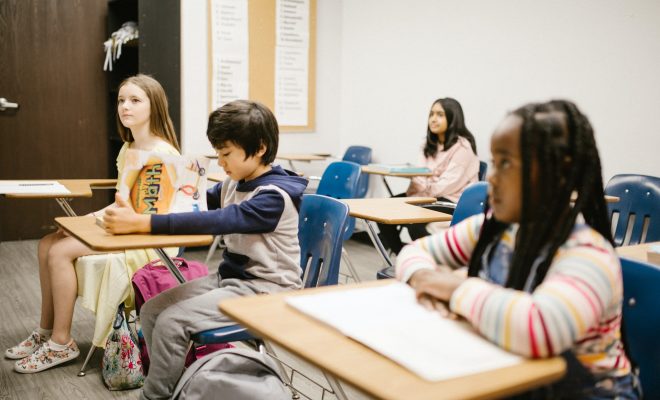
What are the goals of adaptive learning?

Goals of Adaptive Learning: Understanding the Objectives Behind Tailored Educational Experiences
Introduction: The Evolution of Educational Approaches
In recent years, the landscape of education has undergone a significant transformation, primarily driven by advancements in technology and a deeper understanding of how individuals learn. One of the most prominent developments in this realm is adaptive learning, a personalized method that modifies educational content based on the learner's needs, preferences, and pace. The goals of adaptive learning are multifaceted and aim to enhance the educational experience for individuals across various settings. This article delves into the primary objectives of adaptive learning, illustrating how they contribute to a more effective and engaging learning environment.
Personalization: Tailoring Education to Individual Needs
One of the primary goals of adaptive learning is to personalize education for each learner. Adaptive learning systems analyze a student’s strengths, weaknesses, learning styles, and preferences to create a customized learning path. By doing so, these systems ensure that learners engage with material that is appropriate for their current skill level, avoiding the frustration of being overwhelmed by difficult concepts or the boredom of reviewing material they already understand.
Personalization fosters a sense of ownership in learners, motivating them to take an active role in their education. Furthermore, it allows for differentiated instruction, catering to a diverse range of learners within a single classroom. This approach can be especially beneficial for students with learning disabilities or those who may require additional support to grasp certain concepts.
Engagement: Fostering a Deeper Connection to Learning
Another significant goal of adaptive learning is to enhance student engagement. Traditional educational methods often rely on a one-size-fits-all approach, which can lead to disengagement, especially when students find the material unchallenging or excessively difficult. Adaptive learning systems actively adjust content in real-time based on student interaction, providing challenges that are appropriate and encouraging.
By presenting material that aligns with a student's interests and learning pace, adaptive learning creates a more engaging educational experience. This heightened engagement is crucial, as research indicates that students who are more engaged in their learning are more likely to achieve better academic outcomes. Engaged learners are also more inclined to persist in their studies and develop a lifelong love for learning.
Skill Mastery: Ensuring Comprehensive Understanding
The goal of skill mastery is central to adaptive learning. Unlike traditional assessment methods that often focus on rote memorization, adaptive learning emphasizes a deep understanding of concepts. By continuously assessing a learner's grasp of material, adaptive systems can identify areas where a student is excelling and where further instruction is needed.
This real-time feedback loop enables educators to intervene promptly, providing additional resources or support where necessary. Ultimately, the aim is for learners to achieve mastery over subjects, ensuring that they have a solid foundation before moving on to more complex material. Mastery-based learning can lead to improved confidence among students, as they feel more competent in their abilities.
Efficiency: Optimizing Learning Time and Resources
Adaptive learning also aims to optimize the use of time and resources in educational settings. Traditional methods can be time-consuming, often requiring educators to spend significant amounts of time preparing lessons and assessing student performance. Adaptive learning systems streamline this process by automating assessments and adjusting instructional materials based on real-time data.
This efficiency not only saves time for educators but also allows students to utilize their learning time more effectively. By focusing on areas that require improvement and advancing through content they already understand, learners can progress at their own pace. The ultimate goal is to maximize learning outcomes within a limited timeframe, ensuring that students achieve their educational objectives without unnecessary delays.
Data-Driven Insights: Informing Instructional Strategies
A critical goal of adaptive learning is the use of data to inform instructional strategies. Adaptive learning systems generate a wealth of data on student performance, including metrics on engagement, completion rates, and mastery of content. Educators can leverage this information to gain insights into their students' learning habits and identify trends that may affect overall performance.
By analyzing this data, educators can make informed decisions about instructional strategies, curriculum design, and resource allocation. This data-driven approach empowers educators to tailor their teaching methods to better meet the needs of their students, ultimately enhancing the overall effectiveness of the educational experience.
Collaboration: Encouraging Cooperative Learning Environments
While adaptive learning often focuses on personalized experiences, one of its goals is to foster collaboration among learners. Adaptive learning systems can facilitate cooperative learning environments by grouping students with complementary skills and knowledge. This not only promotes peer-to-peer learning but also helps students develop essential social and communication skills.
Collaboration is vital in modern education, as it reflects the increasingly interconnected nature of the world. By engaging in collaborative activities, learners can share diverse perspectives, challenge one another’s thinking, and build a supportive community. This goal of collaboration within adaptive learning environments enhances the overall educational experience by combining personalized learning with the benefits of social interaction.
Equity: Promoting Inclusive Learning Opportunities
Adaptive learning seeks to promote equity in education by providing all learners with the opportunity to succeed. By recognizing and addressing individual differences, adaptive learning systems ensure that underrepresented or disadvantaged students receive the support they need to thrive academically. This approach helps to close achievement gaps that often exist in traditional educational settings.
Furthermore, adaptive learning can be particularly beneficial for non-traditional learners, including adult learners or those returning to education after a significant break. By offering flexible, personalized learning paths, adaptive learning systems create inclusive opportunities that cater to a diverse range of backgrounds and experiences.
Conclusion: The Multifaceted Goals of Adaptive Learning
The goals of adaptive learning are diverse and interconnected, focusing on personalization, engagement, skill mastery, efficiency, data-driven insights, collaboration, and equity. By addressing the unique needs of each learner, adaptive learning systems have the potential to revolutionize the educational experience, fostering a more inclusive and effective learning environment. As technology continues to advance, the implications of adaptive learning will only grow, paving the way for innovative educational practices that prioritize the success of every student.
Adaptive learning is not just about technology; it represents a commitment to understanding and improving the learning process for individuals, ultimately leading to a more educated and capable society.