15 Marvelous Classroom Organization Tips for Back-to-School

Introduction: Preparing for a Successful School Year
As the back-to-school season approaches, educators are tasked with the crucial responsibility of creating an organized and conducive learning environment for their students. A well-organized classroom not only enhances the aesthetic appeal but also significantly improves student engagement and productivity. Implementing effective organization strategies can help teachers streamline their workflow, manage classroom materials efficiently, and foster a positive atmosphere for learning. This article presents fifteen marvelous classroom organization tips that will help teachers prepare for a successful school year.
Creating a Functional Classroom Layout: Designing for Learning
The first step in classroom organization is establishing a functional layout that supports learning. Consider the following strategies:
Flexible Seating: Encourage collaboration and communication by incorporating various seating arrangements. Use bean bags, floor cushions, or movable desks that allow students to work in groups or independently.
Defined Learning Zones: Create distinct areas within the classroom for different activities, such as reading corners, group workspaces, and individual study areas. Clearly define these zones with rugs or furniture placement.
Efficient Traffic Flow: Ensure that there is ample space for students to move around the classroom without obstruction. A clear path allows for easier transitions between activities and reduces distractions.
Organizing Supplies: Streamlining Classroom Resources
An organized supply system can save time and reduce frustration. Implement these tips to manage classroom supplies effectively:
Label Everything: Use clear labels for bins, drawers, and shelves to categorize supplies. This practice helps students locate materials quickly and encourages responsibility.
Use Clear Containers: Transparent storage bins allow for easy visibility of contents. Organize supplies by subject or type and place them in designated areas for quick access.
Establish a Supply Check-Out System: Encourage students to borrow and return classroom supplies by creating a simple check-out system. This practice fosters accountability and keeps track of resources.
Classroom Management Tools: Enhancing Efficiency
Effective classroom management is essential for maintaining an organized environment. Consider the following tools:
Digital Task Management: Utilize apps or software to manage assignments and track student progress. Platforms like Google Classroom or Trello can help keep students informed and engaged.
Visual Schedules: Create visual schedules that outline daily routines and upcoming events. Display these schedules prominently to help students stay on track and anticipate transitions.
Classroom Jobs: Assign classroom responsibilities to students, such as supply manager or board cleaner. This approach promotes a sense of ownership and teamwork while reducing the workload for the teacher.
Paperwork Management: Streamlining Documentation
Managing paperwork can be a daunting task for educators. Implement these strategies to tackle paperwork efficiently:
Create a Filing System: Use a labeled filing cabinet or binder to organize important documents, such as lesson plans, student assessments, and administrative forms. A well-organized system reduces clutter and saves time.
Digital Documentation: Consider digitizing paperwork using cloud storage solutions. Scanning important documents allows for easy access and reduces physical storage needs.
Weekly Review: Set aside time each week to review and organize paperwork. This practice ensures that important documents do not pile up and become overwhelming.
Student Work Organization: Showcasing Achievements
Celebrating student work can enhance motivation and create a sense of pride in the classroom. Use the following tips to organize and display student achievements:
Display Boards: Create designated bulletin boards to showcase student projects, artwork, or writing samples. Rotating displays keeps the content fresh and encourages students to take pride in their work.
Portfolio System: Encourage students to maintain portfolios of their work throughout the year. This practice allows for reflection on progress and provides a tangible way to track growth.
Create a “Brag Wall”: Dedicate a space in the classroom for students to highlight their accomplishments. This area can feature student-selected work or peer-nominated achievements.
Technology Integration: Utilizing Digital Tools
Incorporating technology can enhance organization and efficiency in the classroom. Consider the following approaches:
Classroom Management Apps: Use apps like ClassDojo or Remind to communicate with students and parents. These platforms can streamline communication and help keep everyone informed.
Digital Notebooks: Encourage students to use digital notebooks, such as Google Docs or OneNote, to organize notes and assignments. This approach reduces the need for physical paper and allows for easy sharing and collaboration.
Online Calendars: Utilize online calendars to keep track of important dates, such as tests, project due dates, and school events. Sharing the calendar with students and parents fosters transparency and organization.
Engaging Students in Organization: Building Responsibility
Encouraging students to take an active role in classroom organization fosters responsibility and independence. Implement these strategies:
Organizational Workshops: Host workshops to teach students effective organization skills, such as time management and study techniques. Empowering students with these skills can lead to improved academic performance.
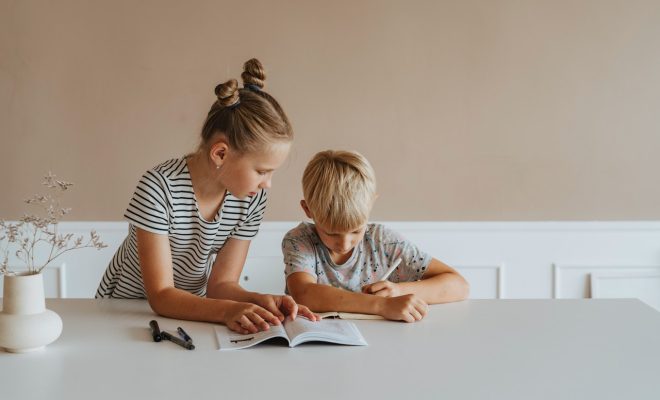
Peer Mentoring: Pair older students with younger ones to provide guidance on organization strategies. This practice fosters a supportive community and encourages collaboration among students.
Goal Setting: Encourage students to set personal organization goals for the school year. Regularly check in on their progress and celebrate their achievements to maintain motivation.Classroom Display and Decor: Creating an Inviting Environment
An aesthetically pleasing classroom can enhance the learning experience and make students feel more comfortable. Implement these tips to create an inviting environment:
Thematic Decor: Choose a theme for your classroom that reflects your teaching style and resonates with your students. This could be a seasonal theme, a literary focus, or a subject-specific decor that ties in with the curriculum.
Interactive Displays: Incorporate interactive elements into your classroom displays. For example, create a “question of the week” board where students can post their thoughts or a “mystery word” display that encourages students to guess words based on clues.
Personal Touches: Allow students to contribute to the classroom decor by displaying their artwork or projects. This not only personalizes the space but also instills a sense of belonging among students.
Maintaining Cleanliness: Encouraging Responsibility and Order
A clean classroom is essential for an effective learning environment. To maintain cleanliness, consider the following strategies:
Establish Cleaning Routines: Set aside time at the end of each day for students to participate in cleaning tasks. Assign specific roles, such as sweeping or wiping down surfaces, to promote teamwork.
Cleaning Supply Station: Create a designated area for cleaning supplies, such as wipes, brooms, and trash bags. Ensure that these supplies are easily accessible so that students can take initiative in keeping the classroom tidy.
Incorporate Cleanliness into Classroom Culture: Discuss the importance of a clean environment and its impact on learning. Encourage students to take pride in their classroom space and treat it with respect.
Managing Time Effectively: Developing Routines and Schedules
Time management is a crucial skill for both educators and students. Implement these strategies to make the most of your classroom time:
Daily Routines: Establish consistent daily routines that students can rely on. This predictability helps students feel secure and allows them to focus on learning rather than transitioning between activities.
Time Blocks: Divide lessons into time blocks to maintain student attention and engagement. Use a timer to track these intervals, signaling when it’s time to move on to the next activity.
Reflection Time: Incorporate time at the end of each day for students to reflect on what they learned and how they managed their time. This practice promotes self-awareness and helps students identify areas for improvement.
Encouraging Collaboration: Fostering Teamwork and Interaction
Collaboration among students enhances learning and reinforces social skills. Implement these strategies to encourage teamwork in the classroom:
Group Projects: Assign group projects that require students to collaborate and share their ideas. This approach not only fosters teamwork but also allows students to learn from one another’s strengths.
Peer Review Sessions: Organize peer review sessions where students can provide feedback on each other’s work. This practice encourages constructive criticism and helps students develop a sense of community.
Collaboration Tools: Utilize digital tools, such as shared online documents, that enable students to work together, even outside of the classroom. These tools can facilitate communication and enhance collaboration on projects.
Feedback Mechanisms: Improving Communication and Growth
Effective feedback is essential for student growth and development. Implement these strategies to enhance communication:
Regular Check-Ins: Schedule regular one-on-one check-ins with students to discuss their progress and address any concerns. This practice helps build trust and provides valuable insights into student needs.
Anonymous Feedback: Create a suggestion box where students can provide anonymous feedback about classroom organization and teaching methods. This approach encourages open communication and helps identify areas for improvement.
Peer Feedback: Encourage students to give and receive feedback from their peers. This practice not only builds communication skills but also fosters a supportive classroom environment.
Promoting Lifelong Organization Skills: Equipping Students for Success
Ultimately, the goal of classroom organization is to equip students with skills that extend beyond the classroom. Consider these tips to promote lifelong organization skills:
Model Organization: Demonstrate effective organization techniques in your own work habits. When students see their teacher practicing these skills, they are more likely to adopt similar behaviors.
Teach Time Management: Incorporate lessons on time management strategies, such as prioritizing tasks and breaking assignments into manageable steps. These skills are invaluable for students as they progress through their education and into their careers.
Encourage Self-Reflection: Foster a culture of self-reflection by encouraging students to assess their organizational practices. This can be done through journals or discussions, helping them recognize their strengths and areas for improvement.
By implementing these additional classroom organization strategies, teachers can create a more effective learning environment that not only enhances student engagement but also prepares students for academic success and personal growth.Conclusion: Embracing Effective Organization for a Successful School Year
Incorporating these 15 marvelous classroom organization tips can significantly enhance the learning environment for both students and teachers. By fostering an organized and efficient classroom, educators not only streamline their teaching processes but also empower students to take charge of their learning. As the back-to-school season approaches, implementing these strategies will pave the way for a productive and enriching academic year ahead.