25 Million Adults Live with Parents: Unpacking 2023’s Trend
“`html
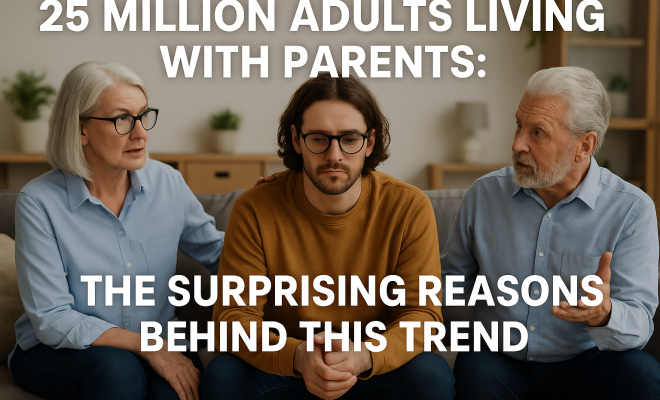
As of last year, a staggering 25 million adults are living with their parents in the United States, marking a record high. This figure comes from a recent analysis by Realtor.com, which has highlighted a trend that seems to defy conventional assumptions about young adults and their living situations. Many might link this phenomenon to the struggles of unemployment, but the reality is much more complex. Let’s explore the key factors prompting this shift in living arrangements, the implications it carries, and what it means for the future.
Understanding the Numbers: A Closer Look at the Statistics
According to the analysis, nearly a third of people under 35 are now sharing a home with their parents. Notably, among adults aged 30 to 34, almost 3 million are living with their parents, which is roughly double the number from the early 2000s. This statistic underscores a significant cultural shift and raises important questions about economic independence, societal expectations, and family dynamics.
Interestingly, the housing crisis is a key factor behind these numbers. The report reveals that the share of adults living with their parents has remained stubbornly high despite the strong job market. This suggests that the challenges are not solely rooted in employment opportunities but rather in housing affordability and the broader economic landscape.
The Impact of Housing Affordability
One of the primary drivers for the rising number of adults living with parents is the escalating cost of housing. With house prices soaring to unprecedented levels, many young adults find themselves unable to afford their own homes. A combination of stagnant wages and skyrocketing real estate prices has made it increasingly difficult for first-time buyers to enter the housing market.
For instance, in many urban centers, the median home prices have surpassed the capabilities of even dual-income households. The National Association of Realtors reported that as of June 2023, the median home price for a single-family home in the U.S. reached a staggering $400,000. This price point is simply out of reach for many, leading to a surge in adults opting to live with their parents.
Delayed Adulthood and Changing Social Norms
Another significant aspect of this trend is the shifting definition of adulthood. Traditionally, milestones like moving out, getting married, or starting a family were seen as indicators of growing up. However, for many young adults today, these milestones are delayed, often due to economic pressures.
The notion of adulthood has evolved, and now many young people prioritize financial stability before making major life decisions. It’s not uncommon to hear about adults in their late twenties or early thirties still living at home, focusing on saving enough for a down payment or paying off student loans before taking on the financial responsibilities of living independently.
Family Dynamics and Support Systems
Interestingly, for many families, having adult children living at home can be beneficial. It provides a support system for both parents and children. For parents, especially those who may be nearing retirement, having their adult children at home can ease the financial burden of maintaining a household. For adults, it can be a chance to save money while still benefiting from familial support.
In many cases, these arrangements allow for a more collaborative approach to finances and household responsibilities. This can foster a sense of community and shared goals within the family unit, rather than the traditional notion of independence being the ultimate goal.
The Economic Landscape: Job Market vs. Housing Crisis
While the job market has shown signs of strength, with low unemployment rates, the financial realities for many young adults paint a different picture. The jobs available today often come with lower wages and fewer benefits compared to previous generations. Recent studies indicate that the average starting salary for college graduates has not kept pace with the cost of living in many areas. (See: statistics on living arrangements.)
According to the Bureau of Labor Statistics, the unemployment rate for those aged 20 to 24 hovered around 7.1% in 2023. While this figure indicates a relatively healthy job market, it does not account for underemployment or the high cost of living, which plays a crucial role in determining whether young adults can afford to live independently.
Cultural Shifts: The New Normal?
The increase in the number of adults living with parents also reflects broader cultural shifts. The stigma that once surrounded multi-generational living arrangements is fading. More families are embracing this lifestyle, recognizing the financial and emotional advantages it can bring. The pandemic has accelerated this shift, as many adults returned home during lockdowns, highlighting the importance of family and support networks.
Moreover, the narrative surrounding success is evolving. It is no longer solely about owning a home or having a high-paying job; instead, many young adults prioritize experiences, mental health, and work-life balance. This shift can lead to alternative living arrangements that may not align with traditional societal expectations.
Financial Strategies for Adults Living at Home
For those who find themselves among the 25 million adults living with their parents, it’s essential to approach this situation strategically. Here are some actionable tips to make the most of this arrangement:
- Create a Budget: Track your expenses and income to better understand your financial situation. This can help you save for future goals, whether it’s moving out or investing in a home.
- Set Clear Expectations: Open communication with your parents about household responsibilities and contributions can prevent misunderstandings and foster a harmonious living environment.
- Focus on Financial Goals: Use this time to pay down debt, build an emergency fund, or save for a down payment on a home.
- Consider Personal Growth: Take advantage of this opportunity to further your education, pursue career advancement, or explore personal interests without the immediate pressure of financial independence.
Implications for Future Generations
As more adults choose to live with their parents, this trend may have long-lasting implications for future generations. Housing policies, economic strategies, and societal norms may need to adapt to accommodate this shift. There may be increased advocacy for affordable housing initiatives, as well as a reevaluation of financial literacy education in schools.
Furthermore, as attitudes shift, future generations might redefine what it means to be an adult. The traditional markers of adulthood could become less rigid, leading to a more flexible approach that values personal well-being over societal expectations.
Understanding the Psychological Impact
The psychological implications of living with parents extend beyond financial considerations. Young adults may experience a mix of feelings, including relief and stress. On one hand, living at home can alleviate monetary pressures, allowing for a focus on mental health and well-being. On the other hand, it can trigger feelings of inadequacy or failure, particularly in a society that often equates independence with maturity.
In a recent study, over 60% of young adults reported feeling embarrassed about living with their parents. This emotional conflict can influence their self-esteem and mental health, leading some to feel stuck or pressured to conform to societal expectations of independence.
How Family Dynamics are Changing
Family dynamics are evolving as more adults live at home, leading to new roles and expectations. Parents and adult children often find themselves sharing responsibilities in unprecedented ways. For example, parents may lean on their adult children for technological support, while adult children may contribute financially or help manage household tasks.
This shift can lead to a more equal partnership within the home. Many families report improved communication and a stronger bond, as they navigate financial and emotional challenges together. According to a survey conducted by Pew Research Center, 75% of families living in multi-generational households cite improved family dynamics as a significant benefit.
Comparative Analysis: U.S. vs. Other Countries
This trend of adults living with parents isn’t unique to the United States. Many countries around the world are experiencing similar phenomena, albeit for different reasons. For instance, in Italy and Spain, cultural norms around family and living arrangements encourage adult children to stay at home longer. These cultures emphasize family cohesion, often viewing the practice as a sign of strong family values rather than a failure to achieve independence. (See: housing affordability issues.)
In contrast, countries like Japan have seen a rise in “hikikomori,” where young adults isolate themselves at home, often out of anxiety related to societal pressures. Understanding these international perspectives can help illuminate why certain societies embrace multi-generational living, while others may struggle with the implications of such arrangements.
Tips for Parents Supporting Adult Children
If you’re a parent supporting an adult child living at home, fostering a healthy environment is key. Here are some strategies to enhance family dynamics:
- Encourage Open Communication: Regular check-ins can help address any issues that arise and promote mutual understanding.
- Set Boundaries: Establishing clear boundaries regarding shared spaces, finances, and personal time can prevent conflicts.
- Promote Independence: Encourage adult children to take charge of their finances and responsibilities within the household, supporting their journey toward independence.
- Be Supportive: Recognize the pressures faced by your adult child and be a source of encouragement as they navigate this transitional period.
Frequently Asked Questions
Why are so many adults living with their parents?
Several factors contribute to this trend, including housing affordability, economic pressures, and shifting social norms that redefine adulthood.
Is it common for college graduates to move back home?
Yes, many recent graduates move back in with their parents to save money while they search for jobs or further their education. This situation has become increasingly common in recent years.
What are the benefits of living with parents as an adult?
Benefits include financial savings, emotional support, and improved family bonds. Living at home can provide a safety net while adults work toward their financial and personal goals.
How can living with parents affect mental health?
While it can provide support and reduce financial stress, it may also lead to feelings of inadequacy or societal judgment. The key is to maintain open communication and set healthy boundaries.
What should parents consider when allowing adult children to stay at home?
Parents should consider setting clear expectations, encouraging independence, and promoting a supportive environment to maintain a healthy household dynamic.
Exploring Regional Variations in Living Arrangements
The trend of adults living with parents varies significantly across different regions of the United States. In metropolitan areas like San Francisco or New York City, exorbitant housing costs have forced many young adults to remain at home longer. In contrast, in less densely populated areas, the culture around independent living may not be as pronounced, allowing young adults to move out at an earlier age.
For example, in cities with high costs of living, it is common for individuals to live with multiple roommates or stay with their parents to afford rent. Data from the Census Bureau indicates that in cities like Los Angeles, nearly 35% of adults aged 18-34 live with their parents, while in a more rural state like Nebraska, the rate drops to about 20%. Understanding these regional differences can help provide more context to the broader national trend.
Expert Perspectives on Multi-Generational Living
Experts in sociology and family dynamics suggest that multi-generational living can have positive outcomes for both parents and adult children. Dr. Emily Smith, a sociologist at the University of California, emphasizes that living together can strengthen family ties and create a support network that benefits mental health and emotional stability. (See: impact of the housing crisis.)
“It’s about redefining what success looks like,” Dr. Smith explains. “Many young adults are still figuring out their life paths, and being at home can provide an environment that fosters growth rather than pressure.”
Long-Term Economic Effects of Living with Parents
The long-term economic implications of adults living with their parents are still unfolding. As this trend continues, it might influence the housing market, consumer spending, and overall economic growth. For instance, if young adults remain living with their parents longer, they may delay home purchases, affecting demand in the real estate market.
Additionally, this trend could shift the focus of consumer products and services. Businesses might see a rise in demand for products catering to multi-generational households, such as larger homes or home renovation services that accommodate shared living spaces.
Future Predictions: What Lies Ahead?
As we look to the future, the phenomenon of adults living with parents is likely to persist, but the dynamics may change. With ongoing discussions about housing affordability and economic reform, there may be a push towards developing policies that support affordable housing initiatives and financial literacy programs aimed at young adults.
Furthermore, as societal attitudes continue evolving, we could see a more accepted view of adult children living at home, with less stigma attached. This may lead to a cultural shift where multi-generational living becomes the norm rather than the exception, impacting how future generations perceive independence and success.
Conclusion: Embracing Change in Family Dynamics
In summary, the record number of adults living with parents is a multifaceted issue that reflects significant economic, social, and cultural changes. While the rising housing costs and delayed adulthood are at the forefront of this trend, the implications extend far beyond mere statistics. As families adapt to these changes, it seems that living arrangements will continue to evolve, reshaping our understanding of independence, support, and adulthood.
Ultimately, while the numbers may seem staggering, they tell a story of resilience, adaptation, and the power of family connections in navigating a challenging economic landscape.
“`
Trending Now
Frequently Asked Questions
Why are so many adults living with their parents?
Approximately 25 million adults in the U.S. are living with their parents due to a combination of factors, including skyrocketing housing costs, stagnant wages, and economic challenges. This trend reflects a significant cultural shift and highlights issues of affordability rather than just unemployment.
What age group is most affected by living with parents?
Nearly a third of individuals under 35 are living with their parents, with adults aged 30 to 34 particularly affected. This group has seen a doubling in numbers compared to the early 2000s, indicating changing dynamics in living arrangements.
How does housing affordability impact young adults?
The rising cost of housing is a major factor driving young adults to live with their parents. Many find it difficult to afford homes due to soaring prices and stagnant wages, making independent living challenging even in a strong job market.
Is the trend of adults living with parents increasing?
Yes, the trend is increasing, with 25 million adults currently living with their parents in the U.S. This marks a record high, suggesting that economic and housing issues are leading more young adults to seek support from their families.
What are the implications of adults living with their parents?
The implications of this trend include shifts in family dynamics, economic independence concerns, and changing societal expectations. It raises questions about the future of housing markets and the long-term effects on young adults' financial stability.
What’s your take on this? Share your thoughts in the comments below — we read every one.