Dublin Parents Take Fake Sick Days Amid Childcare Crisis
“`html
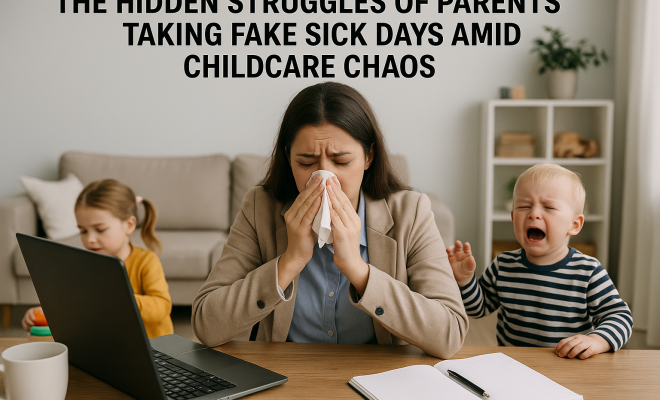
In today’s fast-paced world, parents often find themselves juggling multiple responsibilities, balancing work commitments and family obligations. However, a growing issue is forcing many working parents in Dublin, Kildare, and Meath to take drastic measures: they’re resorting to taking fake sick days due to unexpected closures of childcare facilities. This phenomenon is not just a minor inconvenience; it’s a symptom of a larger problem affecting countless families, and it’s gaining attention for its significant emotional and economic toll.
The Childcare Crisis Facing Parents
Childcare has always been a challenge for working parents, but recent reports have highlighted a troubling trend. Numerous creches are closing their doors at short notice due to staffing shortages, leaving parents scrambling for solutions. In many cases, parents are left with no choice but to take time off work. This often manifests as taking annual leave or, more controversially, feigning illness — thus coining the term “fake sick days parents.”
The frustrations are palpable. A survey conducted in the affected areas revealed that approximately 60% of parents have experienced unexpected creche closures at least once in the past year. The impact of these closures extends beyond mere inconvenience; they create a ripple effect that disrupts daily routines and causes significant stress.
The Emotional Toll on Families
The emotional strain on parents is immense. Imagine planning your workday, only to receive a call or message that your child’s creche is closed for the day. The anxiety of having to explain a sudden absence to your employer can be daunting. Many parents report feelings of guilt for needing to take unplanned leave, especially if it seems they are misusing company time.
Moreover, the fear of retaliation or judgment from colleagues can add to the burden. In a culture where professional commitment is often measured by one’s physical presence in the workplace, parents find themselves in a precarious position. The necessity of needing to take fake sick days adds another layer of complicity to an already stressful situation.
Why Are Creches Closing?
Understanding the root causes behind these unexpected closures is crucial. Many creches are experiencing severe staffing issues, which can be attributed to several factors:
- Low Wages: Early childhood educators are often inadequately compensated for their skills and responsibilities. This has led to high turnover rates, which directly affects the ability of creches to maintain consistent staffing.
- Burnout: The COVID-19 pandemic exacerbated existing issues within the childcare sector, leading many educators to leave the profession altogether due to burnout and stress.
- Regulatory Requirements: The childcare sector is heavily regulated, meaning that a creche must maintain specific staff-to-child ratios. When staff members call in sick, the entire operation can be affected, resulting in sudden closures.
This multifaceted issue creates a challenging environment for parents who rely on these services. The unpredictability of childcare availability has become a pain point that cannot be overlooked.
Parents’ Creative Coping Mechanisms
Faced with the pressure of sudden closures, many parents have been forced to get creative. Some have developed informal networks with other parents to share childcare duties on short notice. This kind of community support can make a world of difference, but it also places additional responsibilities on already stretched parents.
Others have resorted to using vacation days or calling in sick themselves. While some parents do this honestly due to genuine illness, others feel compelled to fabricate a story, leading to a culture of “fake sick days parents.” This practice can lead to feelings of guilt and anxiety about being dishonest with employers.
The Workplace Response
Employers are beginning to recognize the impact of childcare issues on their employees. Some companies have implemented more flexible work arrangements, allowing parents to work from home or adjust their schedules in response to childcare needs. However, not all organizations are equipped to accommodate these changes.
In companies where flexibility is lacking, parents may feel marginalized or unsupported. The idea of work-life balance becomes difficult to achieve, leading to diminished job satisfaction and increased turnover rates. Employers who fail to address these issues might risk losing valuable talent as parents seek more accommodating work environments. (See: Children's mental health resources.)
Community Solutions and Support
As the challenges mount for families, community solutions are becoming increasingly vital. Local governments and organizations can play a pivotal role in addressing the childcare crisis:
- Increased Investment: Investing in childcare subsidies or financial support for creches can help alleviate some of the staffing issues while also making childcare more accessible for families.
- Support for Educators: Providing training programs, competitive wages, and emotional support for early childhood educators can help reduce burnout and improve staff retention.
- Community Initiatives: Establishing community centers or cooperative childcare arrangements can help distribute the burden of childcare among families while providing a reliable alternative to traditional creches.
These community-driven solutions can help build resilience among families by fostering supportive networks and improving the overall childcare landscape.
Understanding the Legal Implications
Parents resorting to taking fake sick days might not fully consider the legal implications. While many workplaces are understanding of family emergencies, fabricating a reason for absence can lead to disciplinary action. It’s essential for parents to understand their rights and obligations in the workplace to avoid potential repercussions.
In some cases, employees may qualify for family-related leave without penalty — policies vary widely depending on the country and organization. Understanding these rights can empower parents to advocate for themselves without resorting to dishonesty.
Seeking Alternatives: What Parents Can Do
For those facing frequent childcare disruptions, exploring alternatives can be beneficial. Here are some strategies that parents can consider:
- Backup Care Options: Research local babysitting services or temporary childcare providers that can serve as a backup during unexpected closures.
- Flexibility with Employers: Open communication with employers about childcare challenges can lead to more supportive arrangements, such as modified work hours or the option to telecommute.
- Building Community Networks: Connecting with other parents in your area can provide not only emotional support but also a reliable network for childcare sharing or swaps.
By taking proactive steps and leveraging available resources, parents can better navigate the rough waters of childcare uncertainty.
Looking Ahead: The Need for Systemic Change
The issues surrounding fake sick days taken by parents are indicative of broader systemic failures within the childcare sector. Lasting change will require a collective effort from government, employers, and communities to create a more reliable and supportive environment for families.
Addressing these challenges will demand a commitment to improving wages and working conditions for childcare providers while ensuring that parents can rely on consistent and accessible childcare. Only through a comprehensive approach can we hope to alleviate the burdens currently facing families.
Final Thoughts: A Call for Awareness
The phenomenon of parents taking fake sick days in response to childcare disruptions is a pressing issue that resonates with many. It’s a reminder of the delicate balance working parents must maintain and the systemic challenges they face. By fostering community support and advocating for more robust childcare systems, we can begin to address these issues more effectively.
Ultimately, it’s essential for society to recognize the importance of reliable childcare services. When parents feel secure in their childcare arrangements, families thrive, workplaces benefit, and communities grow stronger.
Understanding the Broader Impacts
The issue of parents taking fake sick days due to childcare disruptions doesn’t just affect individual families; it has far-reaching consequences for society as a whole. The economic impact of unreliable childcare can be significant. According to the Early Childhood Education and Care (ECEC) report, businesses in regions with substantial childcare shortages may suffer from reduced productivity and increased absenteeism. When parents are forced to miss work, employers face decreased output and potential financial losses. This cycle can further exacerbate tensions in workplaces that are already struggling to maintain productivity.
Statistics Worth Noting
Recent studies have revealed that about 70% of parents in metropolitan areas face difficulties finding childcare that meets their needs. For parents earning hourly wages, the choice to take a fake sick day can lead to financial strain, as they miss out on essential income. The average cost of childcare can account for up to 30% of a family’s income, making the stakes even higher when parents are forced to scramble for alternatives.
Furthermore, data from the National Childcare Association shows that 1 in 5 parents has reported a loss of job opportunities due to lack of childcare options. This statistic underscores a critical point: available and reliable childcare is not merely a family issue; it’s a workforce issue that demands attention from policymakers and community leaders. (See: Associated Press news on childcare issues.)
Expert Perspectives on the Childcare Crisis
Experts in the field of early childhood education emphasize the need for systemic change to address the childcare crisis. Dr. Sarah McCarthy, a child development researcher, states, “The ongoing staffing shortages in childcare facilities are not solely a reflection of low wages; they also represent a societal undervaluing of early childhood education.” For more on this, see childcare expenses explained.
Dr. McCarthy highlights the importance of recognizing childcare as a foundational element for children’s development, arguing that investment in this sector is essential for long-term benefits, both for families and the economy. “Supporting early educators through better compensation and working conditions can lead to a more stable workforce, which, in turn, supports the development of our future generations,” she adds.
Comparison with Other Countries
When looking at how different countries handle childcare, there are notable contrasts that highlight best practices. For instance, Scandinavian countries such as Sweden and Denmark offer universal childcare that’s heavily subsidized by the government. This model not only ensures that all families have access to quality childcare but also supports parents in maintaining their careers without the stress of unreliable services.
In these countries, parents don’t resort to taking fake sick days because their childcare needs are met through sustainable and accessible systems. It’s a model that could provide inspiration for policymakers in Ireland and beyond, as it focuses on the well-being of both children and parents.
FAQ: Common Concerns About Fake Sick Days and Childcare
Why do parents feel the need to take fake sick days?
Parents often feel compelled to take fake sick days when faced with unexpected childcare closures. The pressure to maintain job security and avoid negative perceptions from employers can lead them to fabricate reasons for their absence. We covered insights for parents in more detail.
Are there legal protections for parents needing time off for childcare issues?
Yes, many countries have laws that protect parents in situations of family emergencies or childcare issues. It’s crucial for parents to understand their rights regarding family leave to avoid the need to resort to dishonest practices.
What can employers do to support parents better?
Employers can create more flexible work environments, implement childcare benefits, and foster an open dialogue about family-related challenges to support their employees effectively.
What are some long-term solutions to the childcare crisis?
Long-term solutions include increased government investment in childcare, better wages for educators, and community-based initiatives that provide consistent and affordable childcare options for families.
How can parents advocate for better childcare options?
Parents can advocate for better childcare options by joining community groups, engaging in local government discussions, and participating in surveys that highlight the need for reliable childcare services.
Exploring the Societal Impact of Fake Sick Days
The phenomenon of parents taking fake sick days can shed light on broader societal values and priorities. When families feel the need to resort to dishonesty to manage basic needs like childcare, it points to an underlying issue in the support systems available to them. This cultural aspect often leads to a cycle where parents feel pressured to choose between integrity and practicality.
Moreover, the stress associated with this dilemma can have repercussions on mental health. Parents juggling the guilt of lying about their reasons for absence may experience increased anxiety and depression, which ultimately affects their overall productivity and life satisfaction. Understanding these dynamics is crucial for developing targeted support programs for families. (See: New York Times on the childcare crisis.)
Trends and Innovations in Childcare Solutions
As the challenges of childcare mount, innovative solutions are emerging in various communities. Technology is playing a significant role in transforming childcare access and flexibility. For example, apps that connect parents with local babysitters or nannies can alleviate the stress of finding emergency care. These platforms allow parents to quickly arrange for someone trustworthy to step in when their typical childcare arrangements fall through.
Additionally, some forward-thinking companies are beginning to offer childcare services as an employee benefit. This proactive approach not only enhances employee satisfaction but also boosts retention rates. For instance, a tech company in Dublin recently reported that implementing onsite childcare resulted in a 20% reduction in employee turnover.
The Future of Childcare: Adapting to New Norms
The pandemic has permanently altered how families view childcare, and adapting to this new landscape will require ongoing innovation and flexibility. As remote work becomes more prevalent, many parents are seeking hybrid solutions that blend traditional childcare with at-home options. This shift creates opportunities for flexible arrangements that can reduce the need for fake sick days.
Moreover, as discussions surrounding work-life balance evolve, there is a growing recognition of the importance of mental health support for working parents. Employers that prioritize mental wellness in their policies can create a more supportive atmosphere where parents feel comfortable discussing their childcare challenges without fear of judgment.
Advocacy and Community Engagement
Advocating for change in childcare policies requires community engagement and collaboration. Parents can play an active role by participating in local forums, joining advocacy groups, and reaching out to policymakers. Grassroots efforts can amplify the voices of families struggling with childcare challenges, pushing for reforms that benefit everyone.
Partnerships between community organizations, local government, and childcare providers can also yield creative solutions tailored to specific community needs. By working together, stakeholders can identify gaps in services, propose new initiatives, and secure funding to make real changes.
Conclusion: A Collective Responsibility
The issue of fake sick days taken by parents in response to childcare disruptions is a multifaceted challenge that reflects broader societal values. As families navigate these complexities, a collective responsibility emerges for communities, employers, and policymakers to create a more supportive environment for working parents.
By prioritizing childcare access and quality, we can reduce the pressures that lead parents to feel they must take fake sick days. In doing so, we not only support families but also strengthen our workforce and society as a whole. Building a future where reliable childcare is a given, rather than a luxury, should be our shared goal.
“`
Trending Now
Frequently Asked Questions
Why are parents taking fake sick days?
Parents are resorting to taking fake sick days due to unexpected closures of childcare facilities, which are often caused by staffing shortages. This leaves them with limited options to manage their work commitments while caring for their children.
What are the effects of childcare facility closures on parents?
Childcare facility closures create significant disruptions in parents' daily routines, leading to increased stress and anxiety. Many parents report feeling guilty about taking unplanned leave from work, especially when they must explain their sudden absence to employers.
How common are childcare facility closures?
A survey indicated that approximately 60% of parents in areas like Dublin, Kildare, and Meath have experienced unexpected closures of creches at least once in the past year, highlighting the prevalence of this issue.
What emotional challenges do parents face due to childcare issues?
Parents face immense emotional strain from the unpredictability of childcare closures, including anxiety over explaining absences to employers and feelings of guilt for taking time off work, which can lead to fear of judgment from colleagues.
What is the impact of taking fake sick days on parents' careers?
Taking fake sick days can have negative implications for parents' careers, as they may fear retaliation or judgment from coworkers. This can create a stressful work environment, affecting their professional reputation and overall job satisfaction.
What’s your take on this? Share your thoughts in the comments below — we read every one.