Why Slower-Paced Travel Is Transforming Holidays in the Asia-Pacific Region
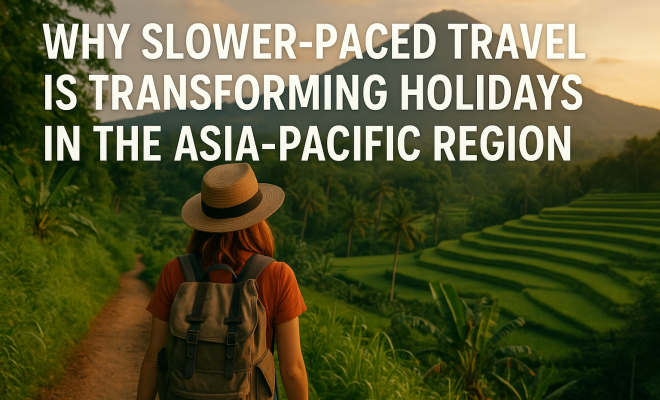
“`html
In a world that seems to be perpetually moving faster, the concept of travel is undergoing a significant transformation. Travelers are increasingly seeking slower, more restorative holidays, especially in the Asia-Pacific region. This shift has been highlighted in Hilton’s 2026 Trends Report, which introduces the term “Hushpitality,” encapsulating a desire for quieter, intentional travel experiences that prioritize stillness, wellness, and genuine downtime. As we delve deeper into this emerging trend, you’ll see how the idea of slower-paced travel in Asia-Pacific is reshaping the vacation experience and what it means for the future of tourism.
The Rise of Slower-Paced Travel
Over recent years, the hustle and bustle of packed sightseeing itineraries have begun to lose their allure. Instead, many travelers are opting for slower-paced travel experiences that promote relaxation and mindfulness. This shift is not merely a fad; it reflects a broader cultural change that values mental health, self-care, and the importance of disconnecting from the high-speed lifestyle that dominates modern life.
According to Hilton’s report, this movement is particularly pronounced in the Asia-Pacific region, where diverse cultures and stunning landscapes offer the perfect backdrop for a slower approach to travel. From tranquil beaches in Bali to serene temples in Kyoto, the region is filled with opportunities for travelers to reconnect with nature, themselves, and the local communities they visit.
Understanding Hushpitality
The term “Hushpitality” embodies the essence of this trend. It emphasizes the value of quiet, restorative experiences rather than the exhilarating but exhausting adventures that are often the hallmarks of traditional vacations. This concept resonates with many who feel overwhelmed by the pace of modern life, especially after the disruptions caused by the pandemic.
Hushpitality invites travelers to embrace a mindset where stillness and relaxation are prioritized. Whether through yoga retreats, serene nature walks, or simply taking time to enjoy a quiet meal, the focus is on quality rather than quantity. The slow travel experience encourages people to savor each moment, fostering a deeper connection with their surroundings.
The Impact of Work Stress on Travel Choices
With the rise in work-related stress and burnout, many individuals are reevaluating their travel priorities. The exhaustion stemming from high-pressure jobs and constant connectivity often leads people to seek more restorative holiday options. In this context, slower-paced travel in the Asia-Pacific offers an appealing solution, allowing travelers to recharge and refresh their minds and bodies.
Research indicates that vacations centered around relaxation can significantly improve mental health. Instead of feeling like one more task on a never-ending to-do list, these trips provide a much-needed escape from daily pressures. Thus, the appeal of Hushpitality becomes clear; it’s about creating a sanctuary where travelers can truly unwind.
Popular Destinations for Slower-Paced Travel in Asia-Pacific
For those looking to embrace the philosophy of slower-paced travel, the Asia-Pacific region boasts a wealth of destinations that perfectly align with this mindset. Here are a few standout locations:
- Bali, Indonesia: Known for its lush landscapes and serene beaches, Bali offers numerous wellness retreats, yoga sessions, and opportunities for meditation amidst nature.
- Kyoto, Japan: With its tranquil temples and beautiful gardens, Kyoto provides a peaceful setting for reflection and cultural immersion.
- Queenstown, New Zealand: Surrounded by stunning vistas, Queenstown is ideal for leisurely hikes and breathtaking views without the rush.
- Phuket, Thailand: Beyond the bustling beaches, Phuket has secluded spots where visitors can unwind, engage in wellness activities, and enjoy the local cuisine at a leisurely pace.
These destinations illustrate that slower-paced travel in Asia-Pacific can take many forms, each offering unique experiences tailored to those looking for relaxation and rejuvenation.
How Hotels Are Adapting to This Trend
As the demand for slower-paced travel rises, accommodations are adjusting their offerings to meet this new expectation. Hilton, for example, is leaning into the Hushpitality concept by creating spaces that foster tranquility. This includes developing wellness-focused amenities, such as spa services, meditation rooms, and healthy dining options that promote a restorative experience.
Moreover, hotels are emphasizing personalized service that caters to individual needs. Guests may find that staff are trained to help them disconnect from the outside world, providing suggestions for local experiences that embody relaxation rather than hurried exploration. This level of attention enhances the overall travel experience, making it seamless and enjoyable. (See: importance of mental health.)
The Role of Technology in Slower Travel
You might think that technology clashes with the idea of slower-paced travel, but it can actually enhance the experience. Many travelers use technology to facilitate their slower journeys, from booking wellness retreats to finding off-the-beaten-path locations that promote relaxation.
Apps designed for mindfulness and meditation can help individuals maintain a sense of calm during their travels. Additionally, many accommodations are employing technology to create more serene environments. For example, smart room controls allow guests to adjust lighting and temperature to their liking, helping to create a personal oasis.
However, it’s essential to strike a balance. Travelers are encouraged to disconnect from their devices during their trips, allowing them to fully immerse themselves in their surroundings.
The Viral Potential of Hushpitality
Hushpitality is not just a travel trend; it represents a significant cultural shift towards prioritizing wellness and self-care. Content around slower-paced travel has strong viral potential because it resonates deeply with people’s current experiences and desires. Social media platforms are filled with tales of travelers seeking mindfulness, relaxation, and genuine connections, which can easily inspire others.
As more influencers and content creators share their slower travel experiences, the concept gains traction, encouraging a wider audience to consider this approach. This grassroots movement is likely to grow, as individuals seek not only to travel but to do so in a way that feels more meaningful and restorative.
Comparing Traditional Travel and Slower-Paced Travel
To fully appreciate the shift towards slower-paced travel in Asia-Pacific, it’s worth comparing it with traditional travel models. In the past, many vacations were characterized by tightly packed itineraries filled with activities. This approach often left travelers feeling exhausted, as they rushed from one attraction to another without truly absorbing any experiences.
In contrast, slower-paced travel emphasizes the quality of experiences over quantity. This allows travelers to engage more deeply with their surroundings, whether that means enjoying a lengthy meal at a local restaurant or spending an afternoon reading by the beach. It’s about crafting memories that resonate, enriching the travel experience in ways that fast-paced trips often miss.
The Future of Travel in the Asia-Pacific Region
As the trend towards slower-paced travel continues to gain momentum, it’s clear that the Asia-Pacific region is at the forefront of this shift. With its diverse offerings, from stunning natural landscapes to rich cultural experiences, the region provides an ideal backdrop for travelers seeking tranquility and relaxation.
Looking ahead, we can expect to see more hospitality brands like Hilton adopting the principles of Hushpitality, further enhancing their offerings to cater to this emerging market. As awareness of the importance of mental health and wellness grows, more travelers will likely gravitate towards slower-paced options that align with their lifestyle and values.
Ultimately, the future of travel may not be about how many places you can visit but rather about how deeply you can connect with the places you do explore. Slower-paced travel in Asia-Pacific embodies this philosophy, ushering in a new era of travel that prioritizes well-being and mindfulness.
Benefits of Slower-Paced Travel
Engaging in slower-paced travel doesn’t just benefit individual travelers; it also has positive ripple effects on local communities and the environment. Here are a few notable advantages:
- Mental Health Improvement: A slower pace allows travelers to focus on their mental well-being, decreasing anxiety and stress levels. Activities like meditation, yoga, or simply enjoying nature can lead to a clearer mind and improved mood.
- Strengthening Local Economies: Slower travel often encourages visitors to engage more with local businesses. This means spending money at independent cafes, shops, and markets rather than large tourist attractions, which helps keep money within the community.
- Environmental Sustainability: By traveling slowly, individuals may opt for eco-friendly transportation methods, such as biking or walking, which reduce their carbon footprint. This conscious approach to travel helps preserve the natural beauty of destinations.
- Enhanced Cultural Connections: Spending more time in one place allows travelers to form genuine relationships with local residents, leading to a richer cultural exchange and understanding.
Unique Experiences That Embrace the Slow Travel Movement
Experiencing slower-paced travel isn’t confined to just lounging on beaches or visiting temples. Here are some unique activities that embody the principles of Hushpitality in the Asia-Pacific region: (See: CDC on mental health and travel.)
- Participating in Local Workshops: In places like Bali, you can find workshops on traditional crafts, such as batik painting or silver jewelry making. These immersive experiences allow you to connect with the culture and people while learning a new skill.
- Engaging in Community Service: Volunteer tourism is becoming increasingly popular. Travelers can spend time helping in local schools or conservation projects, which not only benefits the community but also offers a fulfilling experience.
- Exploring Nature: Instead of rushing through a national park, take the time to hike a less-traveled trail in New Zealand’s Fiordland, where you can enjoy the beauty of the landscape and the sound of nature without the crowds.
- Culinary Journeys: Slow food movements are gaining traction in Asia-Pacific. Consider going on food tours that emphasize local, seasonal ingredients prepared using traditional methods. This approach not only nurtures your body but also supports local farmers and producers.
FAQs About Slower-Paced Travel in Asia-Pacific
What is slower-paced travel?
Slower-paced travel focuses on quality experiences over quantity, allowing travelers to immerse themselves in the culture, environment, and personal rejuvenation rather than rushing from one destination to another.
How can I plan a slower-paced trip to Asia-Pacific?
To plan a slower-paced trip, consider selecting a few key destinations and spending more time in each one. Incorporate activities like local workshops, nature excursions, and wellness retreats into your itinerary.
Are there specific types of accommodations that promote slower travel?
Yes, many boutique hotels, eco-lodges, and wellness retreats offer amenities and services that cater to the slower travel mindset, such as spa treatments, meditation spaces, and locally sourced dining options.
Is slower-paced travel suitable for families?
Absolutely! Slower-paced travel can be very beneficial for families. It allows for deeper bonding experiences and less stressful travel conditions, making it easier to manage kids’ schedules and energy levels.
What are some tips for fully embracing slower-paced travel?
To make the most of your slower-paced travel experience, unplug from technology, prioritize self-care activities, and engage with locals to gain insights and perspectives that enrich your understanding of the area.
Can slower-paced travel still be adventurous?
Yes! Adventure doesn’t have to be fast-paced. Slower travel can include outdoor adventures like hiking, kayaking, or exploring nature, but at a pace that allows for appreciation and enjoyment of the experience.
Perceptions and Misconceptions About Slower Travel
Despite the growing popularity of slower-paced travel, many misconceptions persist. Some people believe that it lacks excitement or adventure. However, slowing down can actually lead to more profound and transformative experiences. Instead of racing through a checklist of sites, you have the opportunity to engage fully with the environment and people around you, often leading to unexpected adventures. For instance, you may find a hidden waterfall after taking a leisurely hike or stumble upon a vibrant local festival that you’d miss if you were just passing through.
Another misconception is that slower travel is only for certain types of travelers, such as retirees or those on extended vacations. In reality, anyone can embrace this approach. Whether you’re a solo backpacker, a family on holiday, or a couple celebrating an anniversary, there are ways to slow down and enjoy the journey. Embracing slower travel means prioritizing meaningful interactions and experiences over quantity, which is universally appealing.
Community Engagement in Slower Travel
One of the most rewarding aspects of slower-paced travel is the opportunity for community engagement. When you take your time in a destination, you can participate in local events, attend festivals, or even volunteer for community improvement projects. For example, in many regions of Thailand, you can participate in rice planting or harvesting with local farmers. This not only enriches your travel experience but also supports the local economy and fosters a sense of community.
Community engagement can take many forms, from joining cultural exchange programs to participating in workshops that teach traditional crafts. Such experiences allow travelers to learn about local customs and traditions firsthand, promoting cultural understanding and appreciation. This engagement enhances the traveler’s experience and helps build lasting relationships with people in the visited communities. (See: New York Times on slower travel trends.)
Environmental Considerations When Traveling Slowly
Slower travel is also inherently more sustainable. By reducing the pace of travel, you often choose eco-friendly transportation methods. For example, walking or cycling not only decreases your carbon footprint but also allows you to experience a location more intimately. You notice the sights, sounds, and smells that you would miss when driving or rushing through in a vehicle.
Moreover, many slower travel experiences emphasize environmental conservation. Staying in eco-lodges, participating in conservation efforts, or engaging in wildlife protection initiatives are all ways to travel responsibly and give back to the environment. Choosing local, seasonal food and supporting small businesses further enables travelers to lessen their impact while enjoying the destination’s offerings.
The Role of Mindfulness in Slower Travel
Mindfulness has become a buzzword in recent years, and its impact on travel is profound. Practicing mindfulness while traveling means being present and fully engaging with your surroundings. This can take many forms – savoring a meal, appreciating the beauty of nature, or having deep conversations with locals. Mindfulness encourages you to slow down and absorb the experience rather than just check off items on a list.
Incorporating mindfulness into your travel routine can enhance your overall experience. Simple practices, such as meditation or journaling, can help you process your journey and its meaning. Many wellness retreats in the Asia-Pacific region offer mindfulness workshops, teaching travelers techniques to deepen their connection with themselves and their surroundings. This approach not only benefits your travel experience but also translates into improved mental well-being long after the trip is over.
The Future of Hushpitality
As the demand for slower-paced travel continues to grow, the concept of Hushpitality is being integrated into various sectors beyond traditional travel and hospitality. Wellness brands, lifestyle companies, and even urban planners are beginning to incorporate principles of tranquility and well-being into their products and services. We may see urban environments evolving to create more green spaces, quiet zones, and wellness-focused initiatives, reflecting this cultural shift.
Businesses that cater to this trend, such as wellness tourism operators and eco-friendly accommodation providers, are likely to thrive. As awareness around mental health and the importance of work-life balance grows, more people will seek out experiences that prioritize well-being over mere entertainment or sightseeing. The future may bring a broader acceptance and integration of Hushpitality concepts into everyday life, promoting a lifestyle that values relaxation and mindfulness, not just during vacations but in daily routines as well.
Conclusion
The Asia-Pacific region has become a beacon for those seeking the restorative benefits of slower-paced travel. By embracing the principles of Hushpitality, travelers are not just finding relaxation; they’re fostering connections that enhance their journeys and enrich their lives. With a wealth of beautiful destinations, wellness opportunities, and a growing community of like-minded travelers, the future of travel is about savoring each moment and creating lasting memories.
“`
Trending Now
Frequently Asked Questions
What is slower-paced travel?
Slower-paced travel is a travel approach that prioritizes relaxation and mindfulness over packed itineraries. It allows travelers to engage deeply with their surroundings, focusing on restorative experiences that promote mental health and self-care, especially in serene locations.
What does 'Hushpitality' mean?
'Hushpitality' is a term introduced in Hilton’s 2026 Trends Report that represents a desire for quiet, restorative travel experiences. It emphasizes the importance of stillness and wellness in vacations, moving away from the fast-paced, action-oriented trips of the past.
Why is slower travel becoming popular in the Asia-Pacific region?
Slower travel is gaining popularity in the Asia-Pacific region due to its diverse cultures and breathtaking landscapes that encourage relaxation. Travelers are increasingly seeking experiences that allow them to reconnect with nature, themselves, and local communities.
How has the pandemic influenced travel trends?
The pandemic has led many travelers to reevaluate their priorities, fostering a shift towards slower-paced travel. As people experienced disruptions in their routines, there is now a greater emphasis on mental health, self-care, and the need for restorative experiences.
What are some examples of slower-paced travel experiences?
Examples of slower-paced travel experiences include visiting tranquil beaches in Bali, exploring serene temples in Kyoto, and engaging in mindfulness retreats. These activities allow travelers to enjoy genuine downtime and immerse themselves in local cultures.
Have you experienced this yourself? We’d love to hear your story in the comments.