Recess & PE: Crucial for Kids’ Gross Motor Development
“`html
In today’s education landscape, the importance of gross motor development is often overshadowed by academic pressures and standardized testing. However, a growing body of research highlights the critical role that recess and physical education (PE) play in the physical, emotional, and cognitive development of children. Understanding this connection is vital for parents, educators, and policymakers alike.
The Foundation of Gross Motor Development
Before diving into the specifics of how recess and PE enhance gross motor skills, it’s essential to define what gross motor development entails. Gross motor skills are the larger movements that involve the arms, legs, and the entire body. These skills enable children to perform tasks such as running, jumping, throwing, and climbing.
From infancy through early childhood, children progress through various stages of motor development. Initially, infants learn to control their head and neck, gradually moving to sitting, crawling, and eventually walking. These early milestones lay the groundwork for more complex gross motor abilities, which are crucial for overall physical health and wellbeing.
The Role of Recess in Motor Skills
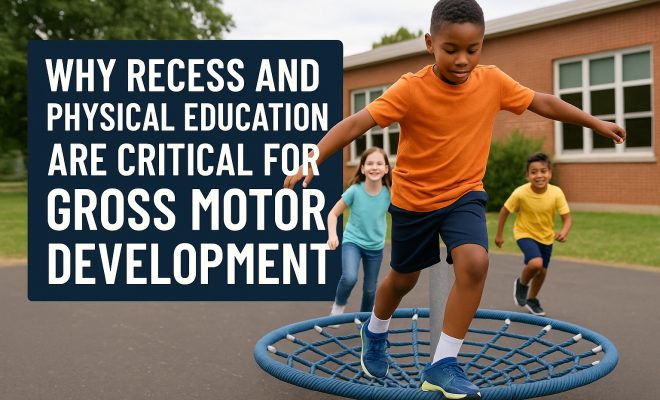
Recess provides children with an unstructured environment to explore and develop their gross motor skills. During this time, they engage in play activities that require running, jumping, climbing, and balancing. These activities are natural ways for children to practice their motor skills, often without even realizing they’re doing so.
Research indicates that children who have regular, ample recess time show improved motor skills, social interaction, and overall wellbeing. According to a study published in the journal Child Development, children who engage in physical activities during recess tend to perform better in their academic pursuits. They exhibit increased focus and reduced behavior problems, creating a positive feedback loop between physical activity and cognitive performance.
Physical Education: Structured Learning of Gross Motor Skills
While recess offers a free-play environment, physical education classes provide structured opportunities to enhance gross motor development. PE programs are designed to teach children specific skills and techniques, promoting coordination, balance, and strength.
PE is particularly important for children who may not have access to sports or physical activities outside of school. Through structured lessons, they can learn the fundamental skills required for various sports, such as throwing, catching, running, and jumping. This foundational knowledge not only boosts their confidence but also encourages lifelong participation in physical activities.
The Impact of Technology on Motor Development
As technology becomes increasingly integrated into children’s lives, concerns arise about its impact on gross motor development. Screen time has been linked to decreased physical activity, as children are often sedentary while engaging with devices. A report from the World Health Organization (WHO) suggests that excessive screen time contributes to poor motor skills and overall health.
Recess and physical education serve as vital counterweights to the sedentary lifestyle promoted by technology. By providing opportunities for movement and active play, schools can mitigate the adverse effects of screen time, fostering healthier habits in children.
Social Skills and Emotional Development Through Play
Beyond the physical aspects, recess and PE play a significant role in helping children develop social skills and emotional intelligence. Engaging in group activities teaches cooperation, teamwork, and conflict resolution. Children learn to communicate effectively, navigate social dynamics, and develop empathy as they interact with peers. (See: CDC guidelines on physical activity.)
Moreover, the physical activity involved in gross motor development releases endorphins, which can improve mood and reduce anxiety. This emotional boost is crucial, particularly for children facing academic pressures or social challenges. Schools that prioritize recess and PE create an environment where children can thrive both physically and emotionally.
Current Trends in Recess and Physical Education
Despite the numerous benefits associated with recess and PE, many schools are cutting back on these activities in favor of increased academic instruction. According to a report by the National Association for Sport and Physical Education, only 20% of children meet the recommended 60 minutes of physical activity per day. This alarming statistic highlights the urgent need for schools to reevaluate their approach to physical education and recess.
Some schools are responding to this crisis by implementing innovative programs that integrate physical activity into the academic curriculum. For instance, programs that incorporate movement into classroom lessons not only enhance engagement but also reinforce the connection between physical activity and cognitive performance.
Advocacy for Recess and Physical Education
Advocacy groups are emerging to promote the importance of recess and physical education in schools. Organizations like the Society of Health and Physical Educators (SHAPE America) campaign for policies that ensure all students receive quality physical education, emphasizing the necessity of keeping recess as a core component of the school day.
These advocacy efforts aim to raise awareness about how recess and physical education contribute to the healthy development of children. By mobilizing parents, teachers, and community members, they’re working to create a culture that values physical activity and motor skill development.
Practical Tips for Parents and Educators
Parents and educators play a crucial role in supporting gross motor development. Here are some actionable strategies to promote physical activity in children:
- Encourage Play: Promote outdoor playtime and allow children to explore their environment freely. Create opportunities for them to climb, run, and jump.
- Limit Screen Time: Set boundaries on daily screen time to ensure children are engaging in physical activities instead.
- Incorporate Movement in Learning: Use songs, dance, or physical activities to teach concepts in the classroom. This not only keeps children engaged but also reinforces motor skills.
- Model Active Behavior: Show enthusiasm for physical activities yourself. Join children in play, whether it’s kicking a soccer ball or riding bikes together.
- Advocate for PE: Support local initiatives that promote physical education in schools. Attend meetings, volunteer, and raise awareness about the significance of PE programs.
The Future of Gross Motor Development in Education
The future of gross motor development hinges on how schools choose to prioritize physical activity within the educational framework. With mounting evidence supporting the benefits of recess and PE, there is an opportunity for change. Schools can become champions of health and wellness by integrating physical activity into the daily routine. See also old school recess games.
As we move forward, it’s crucial to advocate for policies that reinstate, or even expand, recess and PE programs. By doing so, we ensure that children not only develop the physical skills they need but also cultivate a love for movement that can last a lifetime.
Understanding Different Types of Gross Motor Skills
It’s important to recognize that gross motor skills can be categorized into several types, each playing a unique role in overall physical development:
- Locomotor Skills: These skills involve moving the body from one place to another, such as walking, running, jumping, and skipping. Locomotor skills form the foundation for more complex movements involved in sports and recreational activities.
- Non-Locomotor Skills: These are movements that do not involve changing location, focusing instead on balance and stability. Examples include bending, twisting, stretching, and balancing. Mastering these skills can significantly enhance a child’s body awareness and control.
- Manipulative Skills: These involve using hands and feet to control objects, such as throwing, catching, kicking, and dribbling. Developing manipulative skills is crucial for participating in various sports and physical activities.
The Connection Between Gross Motor Skills and Academic Performance
The link between gross motor skills and academic performance is supported by various studies. Research has shown that children who engage in regular physical activity tend to have better concentration and memory, which are key components of effective learning. A study published in the Journal of School Health found that students who participated in physical education classes demonstrated higher academic achievement compared to those who did not. (See: NIH on physical activity in children.)
Additionally, the physical exertion associated with gross motor activities can lead to improved executive functions. These include skills such as planning, attention control, and cognitive flexibility, all of which are essential for successful learning. By incorporating more physical activity in schools, educators can create an environment that supports not only physical health but also academic success.
The Importance of Outdoor Play for Gross Motor Development
Outdoor play is integral to gross motor development. Nature provides a stimulating environment that encourages exploration and physical activity. Climbing trees, running on grass, or balancing on uneven surfaces can enhance a child’s ability to navigate different terrains, contributing to their gross motor skill development.
Research indicates that children who play outdoors are more likely to engage in physical activities that develop their gross motor skills compared to those who are confined indoors. A study conducted by the University of Maryland found that children who had daily access to outdoor play exhibited better balance and coordination than those who did not have such opportunities.
Outdoor play not only offers physical benefits but also promotes mental health. Natural environments can reduce stress, improve mood, and foster creativity, all of which can positively affect a child’s overall development.
Adapting Gross Motor Development Activities for Children with Special Needs
Every child has unique needs, especially those with disabilities or developmental delays. It’s vital to adapt gross motor development activities to ensure inclusivity and engagement for all children. Here are some strategies to consider:
- Modified Equipment: Use lighter balls, larger targets, or adaptive sports equipment designed for children with limited motor abilities to make activities more accessible.
- One-on-One Support: Providing additional support from educators or aides can help children with special needs feel more comfortable and capable in performing gross motor tasks.
- Incorporate Sensory Elements: For some children, adding sensory activities, such as textured surfaces or varying sounds, can enhance engagement and enjoyment in physical activities.
- Focus on Fun and Engagement: Prioritize activities that are fun and engaging for all children, encouraging participation without focusing solely on skill acquisition.
Community Programs Supporting Gross Motor Development
Community programs can play a crucial role in supporting gross motor development outside of school settings. Many organizations offer sports leagues, after-school programs, and summer camps that focus on physical activity and skill-building. These programs not only provide children with opportunities to practice gross motor skills but also help build social connections and boost self-esteem.
For example, local parks and recreation departments often run sports clinics or physical fitness programs designed for various age groups. These community initiatives can significantly impact children’s physical health and motor development, especially in areas where access to organized sports or physical education is limited.
Frequently Asked Questions about Gross Motor Development
What is gross motor development?
Gross motor development refers to the development of large muscle movements that enable children to perform tasks such as walking, running, jumping, and climbing. It is an essential aspect of physical development in early childhood.
Why is gross motor development important?
Gross motor skills are vital for children’s overall health and wellbeing. They contribute to physical fitness, promote social interactions, and enhance cognitive skills. Strong gross motor skills are also linked to better academic performance and emotional regulation.
At what age should children start developing gross motor skills?
Children begin developing gross motor skills from infancy, starting with basic movements like lifting their heads and rolling over. As they grow, they progress through various milestones, such as sitting, crawling, and walking, typically reaching these key skills during their first two years of life. Active play should be encouraged throughout childhood to continue developing these skills.
How can parents support their child’s gross motor development at home?
Parents can support gross motor development by providing a safe space for active play, encouraging outdoor activities, limiting screen time, and engaging in physical activities together. Simple activities like playing catch, going for nature walks, or setting up obstacle courses can effectively enhance gross motor skills.
What role does nutrition play in gross motor development?
Nutrition is essential for overall growth and development, including gross motor skills. A balanced diet rich in vitamins, minerals, and protein can support the energy levels and physical capabilities necessary for children to engage in activities that enhance their gross motor skills.
How can schools incorporate more gross motor activities into the curriculum?
Schools can incorporate gross motor activities by designing active learning environments. This could include outdoor classrooms, physical activity breaks between lessons, or integrating movement into academic subjects (like math games that involve jumping or running). Engaging students in the planning of these activities can also foster a sense of ownership and encourage participation.
Are there specific games that enhance gross motor development?
Yes, many games are effective for enhancing gross motor skills. Classic games like tag, hopscotch, and obstacle courses can significantly improve coordination, balance, and strength. Sports such as soccer, basketball, and swimming also offer structured environments to develop these skills while promoting teamwork and social interaction.
Conclusion: A Call to Action
In a world increasingly focused on academic achievement, the significance of gross motor development through recess and physical education cannot be overstated. These activities are not merely breaks from learning; they are foundational elements that contribute to a child’s overall growth.
For the sake of our children’s health, wellbeing, and future success, we must advocate for the preservation and enhancement of recess and PE in schools. It’s time to recognize these critical components not just as luxuries, but as necessities for a well-rounded education. Together, we can help children thrive, both physically and emotionally, paving the way for a healthier, happier generation.
“`
Trending Now
- this guide on 15 read-alouds that make teachers cry every time
- this guide on “using bloom’s taxonomy to write better learning objectives for lesson plans”
- this guide on “bloom’s taxonomy for parents: how to ask questions that deepen your child’s learning at home”
- “Piaget’s Conservation Tasks: Simple Activities to…
- the complete explanation
Frequently Asked Questions
Why is recess important for children's development?
Recess is crucial for children's development as it provides an unstructured environment for them to engage in physical activities. This playtime enhances gross motor skills, promotes social interaction, and contributes to overall wellbeing, leading to improved focus and behavior in academic settings. For more on this, see awesome school playgrounds.
How does physical education benefit children's gross motor skills?
Physical education (PE) offers structured activities that help children develop their gross motor skills through exercises like running, jumping, and climbing. These activities build coordination and strength, laying a foundation for more complex movements necessary for overall physical health.
What are gross motor skills and why are they important?
Gross motor skills involve large body movements, such as running and jumping. They are essential for children's physical health, enabling them to perform everyday tasks and engage in sports. Developing these skills contributes to overall wellbeing and cognitive function.
How does play contribute to motor skill development in children?
Play allows children to naturally practice and refine their gross motor skills through activities like climbing and balancing. This unstructured playtime is vital for their physical development, helping them gain confidence and coordination in their movements.
What impact does recess have on academic performance?
Research shows that children who have regular recess time tend to perform better academically. Physical activity during recess improves focus, reduces behavioral issues, and fosters a positive learning environment, creating a beneficial link between physical and cognitive development.
Have you experienced this yourself? We’d love to hear your story in the comments.