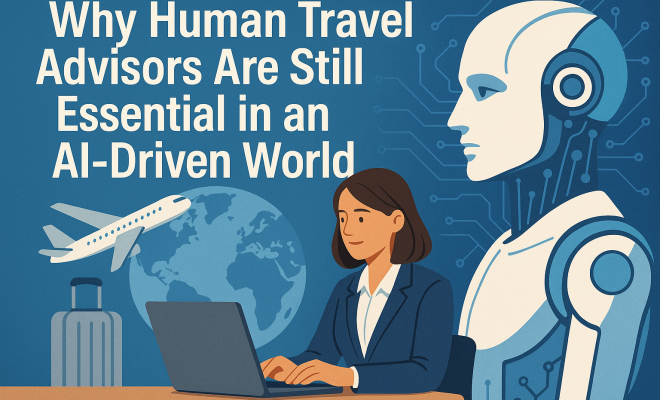
Why Human Travel Advisors Are Still Essential in an AI-Driven World
“`html
As technology continues to advance, the travel industry is witnessing a seismic shift in how we plan and experience our journeys. With the rise of artificial intelligence (AI) travel-planning tools such as Travo, Layla, and Navan Edge, the landscape of trip organization is changing at an unprecedented pace. These systems can generate personalized itineraries in mere seconds, leaving many to wonder: do we still need human travel advisors? The debate surrounding this question is not just about convenience; it encapsulates deeper issues of trust, expertise, and the irreplaceable element of human empathy.
The AI Revolution in Travel Planning
The advent of AI has brought about groundbreaking changes in various sectors, with travel being no exception. Tools like Travo and Layla are designed to streamline the process of trip planning, offering quick solutions to travelers seeking to maximize their time away. Travo, for instance, allows users to input their preferences and receive tailored itineraries almost instantaneously. Navan Edge goes a step further, integrating travel planning with corporate travel management, enabling companies to optimize their travel expenses while ensuring employee satisfaction.
However, alongside these innovations, there exists a growing concern regarding the implications of such technology. While AI can handle basic decision-making and planning at scale, it raises an essential question: can algorithms truly understand the human experience? The tension between technological efficiency and the need for a personal touch is palpable, and it plays a significant role in the ongoing conversation about the future of travel advisors.
The Role of Human Travel Advisors
Despite the capabilities of AI, human travel advisors bring a wealth of knowledge and emotional intelligence that current algorithms cannot replicate. Travel advisors possess the ability to empathize with clients, understanding their unique needs and preferences on a personal level. For instance, a travel advisor can assess a family’s dynamic and suggest activities that cater to both parents and children, or recommend destinations that resonate with a couple celebrating their anniversary.
Moreover, human advisors offer insights that are often rooted in personal experience. They can share stories and recommendations that go beyond what AI can analyze from data patterns. This nuanced understanding not only enriches the travel experience but also builds trust between the advisor and the client. As travelers face complex decisions, having a human touch can make all the difference.
The Emotional Element: Why Empathy Matters
In an era where AI is capable of providing instantaneous information, the emotional aspect of travel planning is becoming increasingly overshadowed. Travel is innately tied to personal experiences, and the planning process can provoke various emotions—excitement, anxiety, and even apprehension about new adventures. Human travel advisors play a pivotal role in navigating these feelings.
Consider the case of a traveler who recently lost a loved one. The emotional support a travel advisor can provide during the planning of a trip to honor that memory cannot be matched by an AI, no matter how sophisticated. Travel advisors can offer tailored suggestions that respect the client’s emotional state while ensuring that the trip is meaningful. By fostering a sense of connection and understanding, they enhance the overall travel experience.
AI: A Tool, Not a Replacement
While AI tools can enhance the process of travel planning, they should be viewed as supplementary resources rather than replacements for human travel advisors. For example, an AI can quickly compile a list of flights and accommodations based on set parameters, but it lacks the ability to understand the subtleties of a traveler’s preferences, such as a dislike for crowded places or a need for child-friendly activities.
When paired with human expertise, AI can significantly improve efficiency. Advisors can use AI-driven insights to offer more informed recommendations, making the planning process both faster and more personalized. For example, an advisor might utilize AI analytics to explore trending destinations or emerging travel styles while still relying on their knowledge to guide clients through the final choices. (See: impact of AI on travel industry.)
Consumer Behavior: Trust and Personalization
As travelers become more accustomed to the convenience of AI, understanding consumer behavior becomes critical. Recent surveys indicate that while many travelers welcome technology for its speed and convenience, a significant number still value the human connection that a travel advisor provides. According to a survey by the American Society of Travel Advisors (ASTA), about 65% of respondents expressed a preference for human interaction during the planning process, emphasizing trust as a crucial factor.
The trend reflects a broader cultural shift towards personalization. Travelers increasingly seek individualized experiences that resonate with their values and preferences. A skilled travel advisor can discern these nuances and tailor recommendations that align with a client’s lifestyle, desires, and aspirations. This level of personalization is difficult for AI to achieve, especially when it relies on standardized algorithms and historical data.
The Future of Travel Advisors in the Age of AI
As technology continues to evolve, travel advisors must adapt to remain relevant in this AI-driven landscape. This evolution does not mean abandoning traditional practices but rather embracing innovation while leveraging their unique skills. For instance, many travel advisors are now utilizing AI tools to enhance their services. By incorporating AI into their workflows, they can save time on mundane tasks while focusing on building relationships with clients.
Moreover, training and education will become critical for travel advisors. As AI tools become more prevalent, advisors who understand these technologies will be better positioned to offer invaluable insights. They can guide travelers not just through the logistics of planning but also through the emotional journey of travel, combining the best of both worlds.
Real-World Examples of Successful Integration
Several travel advisors around the world have successfully integrated AI into their practices, illustrating the potential for collaboration between humans and machines. For instance, Travel Leaders Group has embraced AI-driven platforms that allow their agents to access real-time data on travel trends. This enables them to provide clients with up-to-date information while crafting personalized itineraries that reflect current developments in the travel industry.
Another example is Amadeus, a leading technology provider for the travel sector, which has developed tools that help travel advisors enhance their service offerings. By leveraging AI for data analytics, advisors can identify patterns in client preferences, allowing them to tailor their recommendations accordingly. These examples showcase how AI can empower human advisors to deliver superior service and foster deeper connections with clients.
Embracing Change: The Skills of Modern Travel Advisors
To thrive in the evolving travel landscape, modern travel advisors must cultivate a diverse set of skills. As digital communication becomes more prominent, proficiency in technology and data analysis is essential. Advisors should be comfortable using AI tools to optimize their workflow while still providing that crucial personal touch.
Moreover, soft skills such as communication, empathy, and negotiation are becoming increasingly important. Travel advisors need to listen actively to their clients’ needs and preferences, demonstrating understanding and patience, especially when dealing with complex requests or emotional situations. Continuous learning and adaptation will be necessary, as advisors must stay informed about new technologies, travel trends, and shifting consumer behaviors.
For example, travel advisors can benefit from training in areas such as crisis management or cultural sensitivity, which will enable them to better serve a diverse clientele. By honing these skills, travel advisors will not only increase their value in the marketplace but also offer clients a more enriching travel experience.
Statistics on Travel Advisor Usage
The demand for travel advisors is supported by a range of statistics highlighting their relevance in modern travel. According to the latest data from the U.S. Travel Association, over 80% of travelers reported that they would consider using a travel advisor for their next trip. This statistic is particularly pronounced among younger generations, with millennials and Gen Z travelers expressing a growing interest in personalized travel experiences. (See: human advisors vs AI tools.)
Furthermore, a study conducted by Travel Leaders Group found that travelers who work with advisors spend, on average, 23% more on their trips compared to those who plan independently. This increased spending often translates into more luxurious experiences and higher satisfaction levels, further reinforcing the value of human advisors in the travel planning process.
The Environmental Impact of Travel Advisors
As sustainability becomes a pressing concern in the travel industry, the role of travel advisors is also evolving to accommodate eco-conscious travelers. Many advisors are now prioritizing sustainable travel options, guiding clients toward environmentally friendly accommodations and activities. This shift is not only beneficial for the planet but also appeals to a growing segment of travelers who prioritize sustainability in their choices.
For instance, eco-tourism is on the rise, with destinations like Costa Rica and New Zealand leading the way. Travel advisors can help clients navigate these options by suggesting eco-friendly resorts or carbon offset programs, enhancing the travel experience while minimizing environmental impact. According to a report by the UNWTO, approximately 1 in 3 tourists are now willing to pay more for sustainable travel, highlighting the importance of this trend.
How Travel Advisors Are Enhancing Safety for Travelers
The COVID-19 pandemic has transformed travel safety considerations, making the role of travel advisors even more critical. Advisors have become invaluable sources of information regarding travel restrictions, health protocols, and safety guidelines. They are equipped to provide real-time updates on changing regulations, helping clients navigate the complexities of post-pandemic travel.
Some travel advisors have even developed specialized expertise in health and safety protocols, enabling them to guide clients through the process of planning safe trips. This includes understanding which destinations are open to travelers, what vaccination requirements are needed, and what health measures are in place at various accommodations. The emphasis on safety and well-being has solidified the importance of having a knowledgeable travel advisor in a rapidly changing travel environment.
FAQs About Travel Advisors
1. What is a travel advisor?
A travel advisor is a professional who assists individuals in planning and booking their travel experiences. They provide personalized recommendations based on clients’ preferences, handle logistics, and offer support throughout the travel process.
2. How do travel advisors differ from travel agents?
While the terms are often used interchangeably, travel advisors typically focus on building lasting relationships with clients, offering tailored advice and insights based on experience. Travel agents may focus more on booking and logistical aspects without the same emphasis on personalization.
3. Are travel advisors worth the cost?
Many travelers find that the expertise and personalized service provided by travel advisors justify their fees. Advisors often have access to exclusive deals and can save clients money in the long run through their connections and industry knowledge. (See: AI in travel planning research.)
4. Can I still use a travel advisor if I prefer to plan my own trips?
Absolutely! Travel advisors can provide valuable insights at any stage of the planning process. Whether you seek advice on specific destinations or need help with logistics, they can enhance your travel experience without taking full control of the planning.
5. How do I choose the right travel advisor for me?
Consider your travel style and preferences when selecting a travel advisor. Look for someone who specializes in the type of travel you enjoy, has positive reviews, and communicates clearly. An initial consultation can help establish whether you’re a good fit.
6. How do travel advisors keep up with industry changes?
Travel advisors stay informed about industry changes through continuous education, networking with other professionals, attending travel expos, and subscribing to trade publications. This ongoing education allows them to provide the best service possible.
7. Can travel advisors help with international travel?
Yes, travel advisors are well-versed in international travel logistics, including visa requirements, currency exchange, and cultural considerations. They can help navigate the complexities of traveling to foreign countries, ensuring a smoother experience for clients.
Conclusion: Embracing a Hybrid Future
The future of travel planning is undoubtedly hybrid. While AI tools are revolutionizing the industry, their role should complement rather than replace human travel advisors. The core of successful travel planning lies in the balance between technological efficiency and the irreplaceable human touch. As travelers seek more meaningful experiences, the need for empathy, understanding, and personalized service will remain paramount.
As we move forward, travelers should embrace both AI and human expertise, recognizing that the best travel experiences come from the synthesis of speed and personalization. Whether you’re embarking on an adventure across the globe or planning a weekend getaway, the guidance of a seasoned travel advisor can enhance your journey in ways that technology alone cannot replicate.
“`
Trending Now
Frequently Asked Questions
Why do we still need human travel advisors?
Human travel advisors offer personalized service, emotional intelligence, and the ability to empathize with clients, which AI cannot replicate. They understand unique client needs and preferences, ensuring a more tailored travel experience.
How does AI impact the travel planning industry?
AI tools like Travo and Layla streamline trip planning by generating personalized itineraries quickly. However, they may lack the nuanced understanding of human experiences, leading to a reliance on human advisors for deeper insights.
Can AI replace travel agents completely?
While AI can handle basic planning tasks efficiently, it cannot replace the personal touch and expertise of human travel agents. The relationship and trust built with clients are irreplaceable aspects of travel planning.
What are the benefits of using a travel advisor over AI tools?
Travel advisors provide customized recommendations based on personal experiences and emotional understanding, which AI tools may overlook. They can also navigate complex travel situations that require human judgment and empathy.
What challenges does AI face in the travel industry?
AI faces challenges in understanding the complexities of human emotions and preferences. It can efficiently process data but struggles to offer the personalized, empathetic service that human travel advisors provide.
What did we miss? Let us know in the comments and join the conversation.