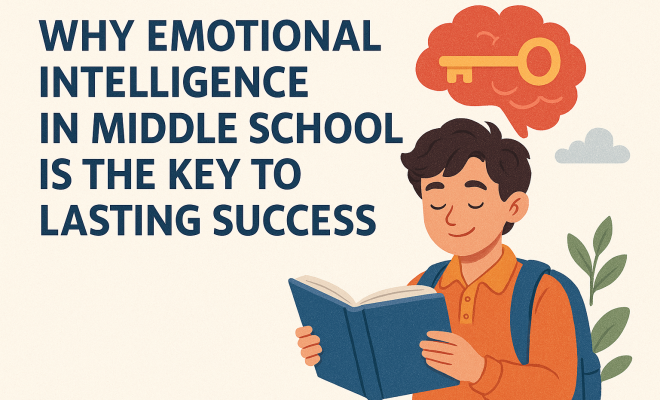
Emotional Intelligence: The Key to Middle School Success
“`html
As students transition from elementary to middle school, they enter a critical phase of their development. It is during these years that they not only acquire academic knowledge but also develop social skills that will shape their future interactions and success. While traditional metrics such as IQ have long been considered the primary measure of potential, recent studies highlight the crucial role of emotional intelligence in middle school in determining long-term success. This article delves into why emotional intelligence (EI) matters more than IQ during these formative years.
Understanding Emotional Intelligence
Emotional intelligence refers to the ability to recognize, understand, and manage our own emotions as well as the emotions of others. It encompasses several key components: self-awareness, self-regulation, social skills, empathy, and motivation. In contrast to the cognitive skills measured by IQ tests, emotional intelligence focuses on interpersonal and intrapersonal skills that are essential for navigating the complexities of social interactions.
The Importance of Emotional Intelligence in Middle School
Middle school is often characterized by significant social changes and emotional turmoil. Adolescents begin to form their identity and establish relationships outside their family unit. During this tumultuous time, emotional intelligence can be a vital tool that helps students manage peer pressure, navigate friendships, and cope with the academic stressors associated with this transitional period.
Research indicates that students with high emotional intelligence are better equipped to handle conflicts, express themselves appropriately, and collaborate with their peers. These abilities not only enhance their social interactions but also contribute positively to their academic performance.
Emotional Intelligence vs. IQ: What Does the Research Say?
Numerous studies have emphasized the significance of emotional intelligence over IQ, especially in educational settings. A study conducted by the University of Illinois found that students with higher emotional intelligence had better academic performance and displayed more effective coping strategies in response to stress. Moreover, a meta-analysis published in the journal Psychological Bulletin revealed that emotional intelligence is a stronger predictor of success than traditional cognitive intelligence in various life domains.
The Role of Emotional Intelligence in Academic Performance
Academic success in middle school is not solely determined by intelligence or effort; emotional intelligence plays a critical role in fostering an environment conducive to learning. Students who can identify and manage their emotions are less likely to experience anxiety and stress related to academic pressures. They can approach their studies with a positive mindset and are more adaptable to changes, which is essential for success in a dynamic classroom environment.
Furthermore, students with high emotional intelligence tend to engage more in collaborative learning. They are more likely to work well in group settings, contribute ideas, and support their peers, which enhances the learning experience for everyone involved. This collaborative spirit is particularly important in middle school, where teamwork becomes an integral part of many subjects.
Developing Emotional Intelligence in Middle School Students
Given the importance of emotional intelligence, it is crucial for educators and parents to focus on developing these skills in middle school students. Here are several strategies that can be employed: (See: Impact of Emotional Intelligence on Academic Success.) This builds on top emotional intelligence apps.
- Social-Emotional Learning (SEL) Programs: Implementing SEL programs in schools can provide students with the tools they need to recognize and manage their emotions, set goals, show empathy, and maintain positive relationships.
- Mindfulness Practices: Incorporating mindfulness exercises into the school day can help students become more aware of their emotions and learn how to respond to them in a constructive manner.
- Role-Playing and Simulations: Engaging students in role-playing activities can enhance their understanding of social dynamics and improve their ability to empathize with others.
- Encouraging Open Communication: Creating an environment where students feel safe expressing their feelings and thoughts fosters emotional growth and resilience.
The Impact of Emotional Intelligence on Relationships
Relationships play a crucial role in the lives of middle school students. Social skills and emotional understanding are essential for developing friendships and navigating social hierarchies. Students with high EI are often better at forming strong relationships because they can read social cues, understand the feelings of others, and express their emotions effectively.
Moreover, students with a strong sense of emotional intelligence are more likely to engage in cooperative behaviors and show compassion toward their peers. This positive interaction not only benefits their friendships but also contributes to a more supportive and inclusive school environment.
The Long-Term Benefits of Emotional Intelligence
While the immediate advantages of emotional intelligence manifest during middle school, the long-term benefits extend far beyond these formative years. Research suggests that individuals with high emotional intelligence tend to experience greater success in their personal and professional lives. They are more likely to have fulfilling relationships, effective communication skills, and resilience in the face of challenges.
In the workforce, emotional intelligence is increasingly recognized as an essential skill. Employers value candidates who can collaborate effectively, handle conflicts, and maintain a positive work environment. By fostering emotional intelligence in middle school, educators prepare students for future success in both their careers and personal lives.
Real-Life Examples of Emotional Intelligence in Action
To illustrate the importance of emotional intelligence in middle school, consider the following examples:
- Peer Mediation Programs: Many schools have implemented peer mediation programs where trained students help their classmates resolve conflicts. This not only promotes understanding and empathy but also provides students with practical experience in managing emotions and navigating social situations.
- Classroom Discussions: Incorporating open discussions about emotions and social issues into the curriculum can help students express themselves and understand the perspectives of their peers. For instance, discussions about bullying can enable students to share their feelings, learn about empathy, and take a stand against negative behaviors.
- Emotional Check-Ins: Starting the school day with emotional check-ins, where students share how they are feeling, can create a sense of community and foster emotional awareness. This practice encourages students to articulate their emotions, which helps them develop their emotional vocabulary.
Challenges and Solutions in Promoting Emotional Intelligence
Despite the clear benefits of emotional intelligence, there are challenges in promoting these skills in middle school settings. One significant challenge is the focus on standardized testing and academic performance, which can overshadow the importance of social-emotional development.
To address this issue, schools can integrate emotional intelligence training into existing curricula rather than treating it as an add-on. This approach ensures that emotional learning becomes a fundamental aspect of the educational experience. Additionally, training teachers and staff to recognize and foster emotional intelligence in their students is essential for creating a supportive school culture.
Integrating Emotional Intelligence into Everyday Classroom Activities
Teachers can weave emotional intelligence into the fabric of everyday classroom activities through various methods. For example:
- Reflective Journaling: Encouraging students to keep a journal where they reflect on their daily emotions and experiences can help them develop self-awareness. This practice allows students to process their feelings and gain insights into their emotional responses.
- Group Projects: Assigning group projects that require collaboration encourages students to rely on each other’s strengths. This not only teaches them to navigate different personalities but also instills a sense of collective responsibility and teamwork.
- Conflict Resolution Exercises: Engaging students in exercises that simulate conflicts requires them to think critically about their emotional reactions and consider the perspectives of others, thereby enhancing their empathy and problem-solving skills.
The Role of Parents in Supporting Emotional Intelligence Development
Parents play a vital role in supporting the development of emotional intelligence in their children. Here are several strategies that parents can employ:
- Modeling Emotional Intelligence: Parents can demonstrate emotional intelligence in their daily interactions by expressing their feelings, managing stress effectively, and showing empathy. Children often learn through observation, and modeling these behaviors can help them understand the importance of emotional awareness.
- Open Dialogue: Creating a home environment that encourages open discussions about emotions can be beneficial. Parents should make it a point to ask their children about their feelings and experiences, validating their emotions and providing guidance on how to navigate them.
- Encouraging Problem-Solving: When children face social challenges, parents can guide them through problem-solving processes rather than providing immediate solutions. This empowers children to think critically and develop their emotional regulation skills.
Statistics on Emotional Intelligence in Education
The impact of emotional intelligence on students’ performance and well-being is supported by various statistics:
- A study from the Collaborative for Academic, Social, and Emotional Learning (CASEL) found that students who receive SEL instruction show an 11% improvement in academic performance.
- Research published by the University of California, Los Angeles (UCLA) indicates that 70% of success in the workplace is attributed to emotional intelligence skills rather than cognitive abilities.
- A report by the World Economic Forum highlights that emotional intelligence is among the top ten skills that will be essential in the workforce of the future.
Expert Perspectives on Emotional Intelligence Education
Leading experts in education and psychology stress the importance of incorporating emotional intelligence into educational frameworks:
- Dr. Daniel Goleman: A pioneer in emotional intelligence research, Dr. Goleman emphasizes that schools should not only focus on academic skills but also teach students how to manage emotions and relationships effectively.
- Dr. Marc Brackett: The director of the Yale Center for Emotional Intelligence, Dr. Brackett advocates for the importance of emotional intelligence in education. He believes that by teaching students to recognize and regulate their emotions, they will be better equipped to face challenges.
New Strategies for Enhancing Emotional Intelligence in Middle School
As educators and parents seek to enhance emotional intelligence in middle school students, several innovative strategies can be explored:
- Emotional Intelligence Workshops: Schools can host workshops focused on emotional intelligence, where students engage in activities that promote self-awareness, relationship management, and effective communication. These workshops can feature guest speakers who specialize in psychology and emotional intelligence.
- Technology-Driven Approaches: Utilizing apps and online programs that focus on emotional intelligence can also be beneficial. Many platforms offer interactive games and scenarios that challenge students to identify emotions and practice empathy in various situations.
- Classroom Environment Enhancements: Creating a classroom environment that is visually and emotionally supportive can greatly enhance emotional intelligence development. This includes using calming colors, providing emotional support materials, and allowing spaces where students can take breaks when feeling overwhelmed.
The Role of Music and Arts in Developing Emotional Intelligence
Engaging students in music and arts can significantly contribute to their emotional intelligence development. Here’s how:
- Music Therapy: Integrating music therapy sessions within schools can help students express their emotions creatively. Students can learn to identify their feelings through song, which enhances their emotional awareness and empathy.
- Art Projects: Art projects that require students to portray emotions visually can foster deeper understanding and expression of feelings. This can include activities such as creating collages or paintings that represent their emotions or the emotions of others.
- Theater Programs: Participation in theater and drama can help students step into the shoes of different characters, enhancing their ability to empathize and understand diverse perspectives. This experience encourages students to explore their own emotions while connecting with others.
Frequently Asked Questions (FAQ)
What is emotional intelligence?
Emotional intelligence is the ability to recognize, understand, and manage our own emotions and those of others. It involves skills such as self-awareness, empathy, and effective communication.
Why is emotional intelligence important in middle school?
Emotional intelligence is crucial in middle school as students face significant social and emotional challenges. High EI helps them navigate peer relationships, cope with academic stressors, and develop essential life skills.
How can emotional intelligence be assessed in students?
Emotional intelligence can be assessed through various tools, such as self-report questionnaires, peer assessments, and behavioral observations that look at students’ ability to empathize, communicate, and resolve conflicts.
Can emotional intelligence be taught?
Yes, emotional intelligence can be taught through structured programs such as Social-Emotional Learning (SEL), role-playing exercises, mindfulness practices, and open discussions about emotions and social interactions.
What are some signs of high emotional intelligence in students?
Students with high emotional intelligence typically display strong communication skills, the ability to empathize with peers, effective conflict resolution strategies, and resilience in facing challenges.
How can teachers promote emotional intelligence in their classrooms?
Teachers can promote emotional intelligence by incorporating SEL into the curriculum, facilitating group discussions that encourage sharing of feelings, and providing feedback on students’ emotional skills during collaborative projects. For more on this, see impact of digital upbringing.
What role does emotional intelligence play in conflict resolution?
Emotional intelligence plays a vital role in conflict resolution by enabling individuals to understand their own emotions and those of others, facilitating effective communication, fostering empathy, and promoting problem-solving skills necessary for resolving disagreements.
Conclusion: The Future of Emotional Intelligence in Education
As society continues to evolve, the need for emotional intelligence in all aspects of life becomes increasingly clear. In middle school, where students experience significant emotional and social changes, fostering emotional intelligence can lead to improved academic performance, stronger relationships, and future success.
Educators, parents, and policymakers must recognize the importance of integrating emotional intelligence into the educational framework. By prioritizing social-emotional learning, we can equip middle school students with the skills they need to thrive in an ever-changing world. As the research indicates, the ability to understand and manage emotions can be just as, if not more, critical to success than traditional measures of intelligence. The future of education lies in embracing the power of emotional intelligence to shape well-rounded, resilient individuals who can navigate the complexities of life with confidence.
“`
Trending Now
Frequently Asked Questions
Why is emotional intelligence important in middle school?
Emotional intelligence is crucial in middle school as it helps students manage peer pressure, navigate friendships, and cope with academic stress. High emotional intelligence enables better conflict resolution, self-expression, and collaboration, all of which contribute to improved social interactions and academic performance.
How does emotional intelligence differ from IQ?
Emotional intelligence focuses on interpersonal and intrapersonal skills, such as self-awareness and empathy, while IQ measures cognitive abilities. Unlike IQ, which has been a traditional metric of potential, emotional intelligence plays a key role in social navigation and long-term success, especially during formative years.
What are the key components of emotional intelligence?
The key components of emotional intelligence include self-awareness, self-regulation, social skills, empathy, and motivation. These components enable individuals to recognize and manage their own emotions and understand the emotions of others, which are essential for effective social interactions.
How does emotional intelligence affect academic performance?
Students with high emotional intelligence are typically better equipped to handle stress and collaborate with peers, leading to enhanced social interactions. This improved ability to manage emotions and relationships positively influences their academic performance and overall school experience.
What role does emotional intelligence play in adolescent development?
During adolescence, emotional intelligence plays a vital role in identity formation and social relationship building. It helps students navigate the complexities of their changing social environments, manage conflicts, and develop resilience, which are essential for success in both school and life.
Have you experienced this yourself? We’d love to hear your story in the comments.