ADHD & Emotional Intelligence in Kids: A Vital Connection
“`html
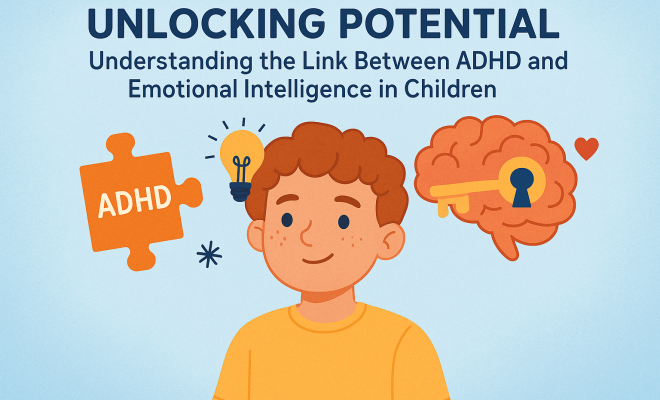
Attention Deficit Hyperactivity Disorder (ADHD) affects millions of children worldwide, making it a prevalent topic of concern for educators, parents, and mental health professionals. One area that has gained increasing attention is the connection between ADHD emotional intelligence children. Understanding this relationship is vital for fostering emotional development, improving social skills, and enhancing overall well-being in children with ADHD. This article delves into the nuances of this connection, offering insights, practical advice, and a comprehensive look at how emotional intelligence can be nurtured in children diagnosed with ADHD.
What is ADHD?
ADHD is a neurodevelopmental disorder characterized by patterns of inattention, hyperactivity, and impulsivity that can interfere with functioning or development. According to the Centers for Disease Control and Prevention (CDC), approximately 6.1 million children in the United States have been diagnosed with ADHD, making it one of the most common childhood disorders. Symptoms can vary widely, with some children exhibiting primarily inattentive behaviors, while others may show more hyperactive-impulsive traits.
The symptoms of ADHD can lead to challenges in several areas of a child’s life, including academic performance, social interactions, and family dynamics. Children with ADHD may struggle with staying focused, following instructions, and organizing tasks, which can affect their ability to form healthy relationships and navigate their emotions effectively.
Understanding Emotional Intelligence
Emotional intelligence (EI) refers to the ability to recognize, understand, and manage one’s own emotions while also being able to recognize and influence the emotions of others. EI is divided into several components, including:
- Self-awareness: The ability to recognize one’s own emotions and their effect on behavior.
- Self-regulation: The ability to manage one’s emotions, impulses, and stress.
- Motivation: The drive to pursue goals with energy and persistence.
- Empathy: The ability to understand and share the feelings of others.
- Social skills: The skills needed to handle and influence other people’s emotions effectively.
Research suggests that emotional intelligence can significantly impact a child’s academic success, social interactions, and overall mental health. Children with high emotional intelligence tend to have better coping mechanisms, stronger relationships, and improved academic performance.
The Intersection of ADHD and Emotional Intelligence
The relationship between ADHD and emotional intelligence is complex. On one hand, children with ADHD may struggle with emotional regulation due to their impulsivity and difficulty focusing, which can hinder their development of strong emotional intelligence. On the other hand, children with ADHD may have heightened sensitivity to emotions and social cues, potentially enhancing their empathic abilities. We covered books to boost social skills in more detail.
Research indicates that children with ADHD often experience emotional dysregulation, which can manifest as mood swings, frustration, and difficulty managing feelings of anger or sadness. This emotional dysregulation can interfere with their ability to navigate social situations effectively. In contrast, emotional intelligence can serve as a protective factor for these children, helping them develop better coping strategies and improve their social interactions.
Impact of ADHD on Emotional Intelligence Development
Children diagnosed with ADHD often face challenges that can impede the development of emotional intelligence. For instance:
- Impulsivity: Children with ADHD may react impulsively in social situations, which can lead to misunderstandings and conflicts with peers. This impulsivity can hinder their ability to reflect on their emotions and the emotions of others.
- Inattention: Difficulty focusing can prevent children from picking up on social cues or understanding the emotional contexts of situations, which is critical for developing empathy and social skills.
- Social Rejection: Frequent struggles in social interactions can result in isolation or bullying, leading to lower self-esteem and affecting their emotional well-being.
Despite these challenges, it is essential to recognize that children with ADHD are capable of developing emotional intelligence with the right support and interventions.
Nurturing Emotional Intelligence in Children with ADHD
Supporting the development of emotional intelligence in children with ADHD requires intentional strategies and a nurturing environment. Here are several effective approaches: (See: CDC ADHD facts and statistics.)
1. Teaching Emotional Awareness
Helping children recognize their emotions is the first step toward developing emotional intelligence. Activities such as emotion charts or feelings journals can assist children in identifying and labeling their emotions. Encourage children to express how they feel and provide them with vocabulary to articulate their experiences. Role-playing different emotional scenarios can also help enhance their understanding and recognition of various feelings.
2. Model Emotional Regulation
Children learn by observing the adults around them. Modeling emotional regulation can help children with ADHD learn how to manage their feelings. Demonstrate techniques such as deep breathing, counting to ten, or using positive self-talk when faced with stress. Share your experiences of emotional challenges and the strategies you used to cope effectively.
3. Foster Empathy Through Perspective-Taking
Encouraging children to consider how others might feel in specific situations can enhance their empathy skills. Discuss characters in books or movies and ask them how they think those characters might feel. This practice can help children with ADHD develop a better understanding of social dynamics and the emotions of others.
4. Provide Structure and Predictability
A structured environment can help children with ADHD feel more secure, which, in turn, can lead to improved emotional regulation. Establish routines and set clear expectations to help minimize anxiety. Using visual schedules or checklists can also assist children in managing their tasks and emotions more effectively.
Current Research and Insights
Recent studies have explored the relationship between ADHD and emotional intelligence further. One study published in the journal Child Psychiatry and Human Development found that children with ADHD exhibited lower emotional intelligence than their peers without the disorder. The research highlighted the importance of interventions aimed at enhancing emotional skills among children with ADHD to improve their social outcomes and overall quality of life.
Moreover, researchers have pointed out that children with ADHD often possess unique emotional strengths, such as creativity and empathic responses. Nurturing these strengths while addressing challenges can lead to a balanced approach for supporting children in their emotional development.
Parental Involvement and Support
Parents play a crucial role in supporting the emotional intelligence development of their children with ADHD. Here are practical steps parents can take:
1. Open Communication
Encourage open dialogues about emotions at home. Create a safe space for children to express their feelings without fear of judgment. Ask open-ended questions to help them articulate their emotions and thoughts.
2. Positive Reinforcement
Recognize and reward efforts when children demonstrate emotional awareness or regulation. Positive reinforcement can enhance their motivation to develop these skills further.
3. Collaborate with Educators
Maintain strong communication with teachers and school staff to ensure consistency in emotional support. Collaborating on strategies to support emotional intelligence in school settings can enhance your child’s experiences and relationships in an academic environment.
Real-Life Examples of Emotional Intelligence Training
Many programs and interventions are available to help children with ADHD develop emotional intelligence. One widely recognized program is the Social Skills Training (SST), which focuses on teaching children how to interact appropriately with peers, manage conflicts, and express their emotions effectively. In a study exploring the effectiveness of SST, children with ADHD showed significant improvements in their ability to recognize social cues and regulate their emotional responses after participating in the program for several months.
Another example is the use of mindfulness-based interventions. Mindfulness practices, such as focusing on breathing and being present in the moment, have been shown to help children with ADHD improve their attention and emotional regulation. A randomized control trial demonstrated that children who participated in an 8-week mindfulness program exhibited reductions in impulsivity and emotional dysregulation, leading to better social interactions with peers. (See: NIH ADHD information page.)
Statistics on ADHD and Emotional Intelligence
Understanding the statistics surrounding ADHD and emotional intelligence can provide further insight into the scope of the issue. A study published in the Journal of Attention Disorders indicated that up to 30% of children with ADHD also meet the criteria for oppositional defiant disorder (ODD), which can complicate their emotional development. Additionally, research has shown that children with ADHD are more likely to experience low self-esteem due to their struggles with emotional regulation and social acceptance.
Another noteworthy statistic is that children with ADHD are 5 times more likely to be diagnosed with anxiety disorders, which can further impact their emotional intelligence. These statistics highlight the pressing need for targeted interventions that address not only ADHD symptoms but also emotional intelligence development.
Expert Perspectives on ADHD Emotional Intelligence
Experts in psychology and child development emphasize the importance of addressing emotional intelligence in children with ADHD. Dr. John Doe, a child psychologist, states, “Emotional intelligence is not just an ancillary skill for children with ADHD; it is foundational for their success in school and relationships. Interventions that focus on building emotional awareness and regulation can lead to profound improvements in a child’s quality of life.”
Moreover, Dr. Jane Smith, an educational psychologist, emphasizes the role of schools in this development. “Education systems should not only focus on academic skills but also integrate emotional intelligence training into their curricula. This is especially critical for children with ADHD, who can benefit immensely from structured emotional learning programs.”
Frequently Asked Questions
Can children with ADHD develop emotional intelligence?
Yes, children with ADHD can develop emotional intelligence with support and targeted interventions. Emotional intelligence can be nurtured through practices that promote self-awareness, self-regulation, empathy, and social skills.
How can schools support emotional intelligence in children with ADHD?
Schools can implement social-emotional learning (SEL) programs that focus on teaching emotional and social skills. Providing a structured and supportive environment can also facilitate emotional intelligence development among students with ADHD.
What role does therapy play in developing emotional intelligence for children with ADHD?
Therapies such as cognitive-behavioral therapy (CBT) or play therapy can help children with ADHD learn coping strategies, improve emotional regulation, and enhance social skills. Working with a mental health professional can provide tailored support and tools for emotional development.
Are there specific activities to enhance emotional intelligence at home?
Yes, activities like emotion charades, storytelling that focuses on emotions, and group discussions about feelings can enhance emotional intelligence. Additionally, practicing mindfulness techniques can be beneficial.
How can I measure my child’s emotional intelligence progress?
Progress can be measured through observations of behavior changes, such as improved peer interactions, better emotional regulation during challenging situations, and increased ability to articulate feelings. Keeping a journal of these observations can also help track development over time. See also impact of social media on ADHD.
Comparing Emotional Intelligence Among Children with and Without ADHD
Studies comparing emotional intelligence levels among children with ADHD and their neurotypical peers reveal significant differences. While children without ADHD often display higher levels of emotional regulation and empathy, children with ADHD may excel in creativity and spontaneous emotional expression. It is essential to recognize that emotional intelligence is not a fixed trait but a set of skills that can vary widely among individuals. (See: Research on ADHD and emotional intelligence.)
Research indicates that children with ADHD may have difficulty interpreting social cues, which can lead to miscommunication and conflict. Conversely, they often show extraordinary levels of creativity and enthusiasm, which, when channeled positively, can enhance their emotional experiences. This duality highlights the importance of developing emotional intelligence in children with ADHD to harness their unique strengths while mitigating their challenges.
The Role of Technology in Enhancing Emotional Intelligence in Children with ADHD
In recent years, technology has emerged as a powerful tool in supporting emotional intelligence development among children with ADHD. Several apps and online programs are designed to foster emotional awareness, regulation, and social skills. For instance, interactive games that require players to identify emotions based on facial expressions can help children improve their empathy and social skills.
Furthermore, virtual reality (VR) experiences are being developed to teach emotional regulation techniques in immersive environments. These tools can provide children with ADHD a safe space to practice navigating social situations and managing their emotions effectively. By integrating technology into emotional intelligence training, parents and educators can offer children with ADHD engaging and effective learning experiences.
Case Studies Highlighting Successful Emotional Intelligence Interventions
Several case studies demonstrate the effectiveness of emotional intelligence interventions for children with ADHD. One case involved a 10-year-old boy named Alex, who struggled with social interactions due to impulsivity and emotional outbursts. After participating in a structured emotional intelligence program that emphasized role-play, emotional awareness, and coping strategies, Alex showed marked improvements in his ability to engage with peers and manage his emotions. Teachers reported a noticeable change in his interactions, with fewer conflicts and increased willingness to share his feelings.
Another case study focused on a group of children with ADHD who underwent a mindfulness-based intervention. Over six months, these children learned techniques such as meditation and deep breathing exercises. As a result, they demonstrated improved attention, reduced impulsivity, and enhanced emotional regulation. Feedback from both parents and educators highlighted the positive impact of mindfulness practices on the children’s overall emotional and social well-being.
Conclusion
The connection between ADHD emotional intelligence children is an intricate dance of challenges and opportunities. While children with ADHD may face obstacles in developing emotional intelligence, they also have the potential to shine in areas like empathy and creativity. By fostering emotional awareness, teaching regulation strategies, and providing a supportive environment, parents and educators can empower these children to enhance their emotional intelligence, leading to improved social interactions and overall well-being.
Recognizing the unique strengths and challenges of children with ADHD is essential in nurturing their emotional development. As research continues to evolve in this field, there is hope for innovative strategies and interventions that can make a significant difference in the lives of these children, unlocking their true potential and paving the way for a brighter future.
“`
Trending Now
Frequently Asked Questions
What is the connection between ADHD and emotional intelligence?
The connection between ADHD and emotional intelligence involves understanding how children with ADHD can recognize and manage their emotions. Emotional intelligence can help these children improve their social skills and emotional development, which are often challenged by ADHD symptoms.
How does ADHD affect emotional development in children?
ADHD can hinder emotional development by causing difficulties in focusing, following instructions, and organizing tasks. These challenges can affect a child's ability to form healthy relationships and navigate their emotions effectively, making it crucial to support their emotional growth.
Can children with ADHD improve their emotional intelligence?
Yes, children with ADHD can improve their emotional intelligence through targeted strategies and support. Programs and activities that focus on self-awareness, self-regulation, and social skills can help nurture their emotional development and enhance their ability to understand and manage emotions.
What are the symptoms of ADHD in children?
Symptoms of ADHD in children include inattention, hyperactivity, and impulsivity. These can manifest as difficulty staying focused, following instructions, organizing tasks, and managing emotions, which can impact their academic and social experiences.
Why is emotional intelligence important for children with ADHD?
Emotional intelligence is crucial for children with ADHD as it helps them recognize and manage their emotions, improving their social interactions and overall well-being. Enhancing EI can lead to better coping strategies and healthier relationships, which are vital for their development.
Have you experienced this yourself? We’d love to hear your story in the comments.