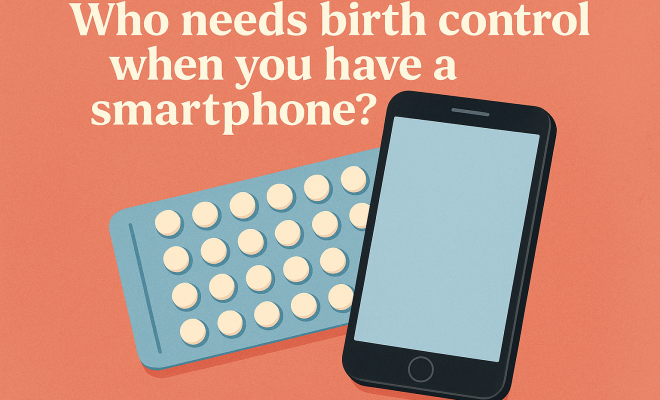
Who needs birth control when you have a smartphone?
“`html
In a world where smartphones have become an extension of ourselves, it’s hard to deny their impact on our daily lives. But what if these devices are also influencing something much deeper — our relationships, intimacy, and ultimately, our birth rates? Recent studies, as highlighted by CNN, suggest that smartphones might be acting as a form of “smartphone birth control,” replacing meaningful human interactions that traditionally lead to partnerships and family formation. Let’s unpack this unexpected connection.
The Decline of Birth Rates in the U.S.
Over the past decade, the United States has experienced a notable decline in birth rates. According to the National Center for Health Statistics, the U.S. birth rate fell to its lowest level in nearly a century in 2020. This trend raises questions about the future of family structures and population growth. While many factors contribute to this phenomenon — financial insecurity, career priorities, and shifting cultural norms — recent observations suggest that smartphones may play a substantial role.
Cultural Shifts: From Connection to Isolation
Christine Emba, a prominent commentator featured in the CNN article, argues that the issue of declining birth rates is less about biology and more about our evolving social behaviors. The surge in smartphone usage has transformed how we interact with one another, often replacing face-to-face interactions with digital communication. This shift inevitably affects our relationships and, consequently, our decisions about family and parenthood.
In a study published by the Pew Research Center, 90% of adults reported owning a smartphone. This ubiquitous technology has made instant communication possible but at what cost? Rather than nurturing deep connections, many individuals now find themselves engaging in superficial interactions that lack the emotional depth necessary for long-term commitments.
The New Dating Landscape
Online dating apps have exploded in popularity, fundamentally altering how we approach relationships. While these platforms can help individuals find potential partners, they also contribute to a “paradox of choice,” where having too many options leads to decision fatigue and ultimately, dissatisfaction. As Emba points out, the ease of swipe-right dating may reduce the urgency to form serious relationships.
According to a study by the Journal of Social and Personal Relationships, users of dating apps often experience higher levels of loneliness, which contradicts the very purpose these platforms serve. When relationships begin to feel more transactional, the motivation to pursue deeper connections — and by extension, the desire to start families — diminishes.
Smartphones: A Double-Edged Sword
While smartphones can serve as tools for connection, they can also foster isolation. Numerous studies indicate that excessive smartphone usage correlates with increased feelings of loneliness and depression. A survey revealed that 60% of respondents felt more disconnected from others due to their smartphone habits. This emotional isolation can impair the development of relationships that would ordinarily lead to family formation.
Moreover, the constant availability of entertainment and social media can distract individuals from pursuing real-life interactions. Instead of meeting friends for coffee or going out on dates, many people choose to engage with their screens, further compounding the issue.
Changing Gender Dynamics
The rise of smartphone usage has also contributed to shifting gender dynamics in relationships. With dating apps and online platforms, the traditional courtship process has changed dramatically. Studies show that women are more likely to initiate contact on these platforms, altering expectations around dating and intimacy. While this might seem empowering, it can also lead to confusion and miscommunication.
Emba argues that these changes may reinforce a culture where commitment feels less necessary. As more individuals prioritize their careers and personal interests over long-term relationships, the traditional pathways to family formation become less appealing. This shift could be contributing to the declining birth rates, as many choose to delay or forgo having children entirely. (See: CDC report on U.S. birth rates.)
The Role of Social Media
Social media platforms play a significant role in shaping our perceptions of relationships and family life. Influencers and celebrities often showcase a curated version of their lives, leading to unrealistic expectations about romance and parenting. This portrayal can dissuade individuals from pursuing traditional family structures, as they may feel their lives don’t measure up to the highlight reels they see online.
Additionally, the constant comparison facilitated by social media can lead to dissatisfaction with one’s own relationship. A study published in the journal Psychology of Popular Media Culture indicates that social media usage can exacerbate feelings of jealousy and insecurity in romantic relationships, further eroding the desire to commit.
The Economic Factors
It’s essential to recognize that economic factors also play a crucial role in the declining birth rates. High living costs, housing instability, and student loan debt can make the prospect of starting a family seem daunting. Many young adults delay marriage and parenthood as they focus on their careers and financial stability.
In this context, smartphones often serve as a coping mechanism. Instead of forming deeper connections, individuals find solace in scrolling through feeds or gaming, which can provide instant gratification without the commitment required in real-life relationships. This practice, while temporarily satisfying, may ultimately contribute to long-term loneliness and a hesitance to start families.
Reclaiming Real Connections
As we grapple with these challenges, it’s vital to consider ways to foster genuine connections in our increasingly digital world. Emba suggests that individuals should actively prioritize relationships over digital distractions. This might involve setting boundaries around smartphone usage or seeking out opportunities for in-person interactions.
Moreover, educational institutions and community organizations could play a role by promoting social skills and relationship-building techniques. Programs that encourage young adults to engage in real-life interactions can help counteract the isolation fostered by technology and lead to healthier relationships.
Looking Ahead: What Does This Mean for the Future?
The relationship between smartphone usage and declining birth rates raises critical questions about our society’s future. If these trends continue, we may face significant demographic shifts that could impact everything from workforce dynamics to healthcare systems. Understanding how smartphones act as a form of “smartphone birth control” will be crucial in addressing these changes.
As policymakers and community leaders become aware of these intersections, there may be opportunities to create supportive environments that encourage family formation. This could involve rethinking urban spaces, creating family-friendly policies, and investing in mental health resources.
Expert Perspectives on Smartphone Birth Control
Experts in psychology and sociology have begun to weigh in on the phenomenon of smartphone birth control. Dr. Laura H. Blanchard, a sociologist at the University of California, points out that the digital age has changed not only how we date but how we view relationships in general. “The immediacy of digital communication has conditioned many to expect quick responses and instant gratification, which can undermine the patience and effort that relationships often require,” she notes.
Dr. Marcus L. Thompson, a psychologist specializing in relationship dynamics, emphasizes the importance of understanding emotional connectivity. “When individuals rely on technology for emotional fulfillment, they risk missing out on the authentic connections that form the foundation of lasting relationships. This disconnect can lead to a cycle of temporary satisfactions rather than meaningful commitments.”
Statistics on Smartphone Usage and Relationships
To better understand the impact of smartphones on relationships, consider some statistics:
- A 2021 survey by the American Psychological Association found that 67% of adults reported feeling pressure to respond immediately to messages received on their smartphones.
- According to a 2022 study from the Journal of Marriage and Family, couples who spend more time on their smartphones tend to report lower relationship satisfaction.
- Research from the Pew Research Center revealed that 45% of young adults believe that dating apps make it easier to meet people but also harder to form lasting relationships.
- A significant percentage of individuals aged 18-29 (75%) report that they would rather communicate through text than face-to-face, indicating a preference for digital communication over personal interaction.
Comparisons: Traditional Dating vs. Digital Dating
To better understand how the dating landscape has changed, let’s explore the differences between traditional dating and digital dating: (See: New York Times on birth rate decline.)
| Aspect | Traditional Dating | Digital Dating |
|---|---|---|
| Initial Interaction | Face-to-face meetings in social settings | Swiping and messaging through apps |
| Commitment Level | Gradual development through shared experiences | Often immediate, but superficial |
| Emotional Connection | Built through time and shared experiences | Can be hindered by miscommunication and lack of depth |
| Expectations | More focused on long-term partnerships | Can lead to a culture of instant gratification |
FAQ: Understanding Smartphone Birth Control
What is smartphone birth control?
Smartphone birth control refers to the idea that smartphones may unintentionally reduce the likelihood of forming deep, meaningful relationships that can lead to marriage and family formation, effectively acting as a barrier to traditional family-building.
How do smartphones impact relationships?
Smartphones impact relationships by fostering superficial communication, reducing face-to-face interactions, and creating a culture of instant gratification, which can diminish the desire for long-term commitments.
Are there any positive aspects of smartphone usage in relationships?
Yes, smartphones can facilitate long-distance communication, help people meet potential partners more easily through dating apps, and provide access to relationship resources and advice. However, balance is key to ensure that digital tools enhance rather than hinder relationships.
What can individuals do to improve their relationship dynamics in the smartphone era?
Individuals can improve their relationship dynamics by setting boundaries around smartphone usage, prioritizing in-person interactions, and engaging in activities that foster genuine emotional connections.
How can society address the challenges posed by smartphone birth control?
Society can address these challenges by promoting awareness of the effects of smartphone usage on relationships, creating environments that encourage face-to-face interactions, and providing resources for building healthy relationships.
Exploring the Psychological Impact of Smartphones on Relationships
It’s essential to consider the psychological impact of smartphones on relationships. The addiction-like quality of smartphones can lead to diminished attention spans and emotional availability, which are critical for forming lasting bonds. Studies suggest that the constant notifications and the fear of missing out (FOMO) can lead to increased anxiety. In a relationship context, this can mean being physically present while being mentally preoccupied with what’s happening online.
Furthermore, the instant nature of digital communication can make it difficult for individuals to process emotions. When faced with conflict or emotional discussions, many opt for text messages rather than face-to-face conversations, which can lead to misunderstandings and unresolved issues. According to Dr. Shannon B. Williams, a clinical psychologist, “The reliance on texting can dilute the emotional content of conversations, making it harder to navigate complex feelings.”
Technological Solutions to Enhance Relationships
While smartphones can contribute to relationship challenges, they also offer tools that can enhance our connections. There are numerous applications designed to help couples communicate better, manage conflict, and even schedule dedicated time away from technology. Couples therapy apps like Lasting and Between allow partners to engage in constructive exercises, share thoughts, and keep their emotional bonds strong through guided activities.
Moreover, utilizing calendars to plan date nights or setting reminders for significant dates can help couples prioritize their relationships in the midst of busy lives dominated by screens. These applications serve as tools to help couples be intentional in their interactions, fostering commitment and connection.
Shifting Perspectives: Embracing Digital as a Tool, Not a Crutch
Shifting our mindset around technology is crucial. Instead of viewing smartphones solely as barriers to intimacy, we could embrace them as tools for enhancing relationships. Educating individuals on digital literacy in relationships can empower them to use technology in healthier ways. For instance, understanding the importance of balance—knowing when to put the phone down and engage meaningfully with loved ones—can lead to more fulfilling interactions. (See: WHO facts on adolescent pregnancy.)
Workshops on relationship skills could integrate technology discussions, teaching individuals how to navigate their digital lives in a way that promotes deeper connections rather than superficial ones. By focusing on building a culture of intentionality, individuals may find a healthier balance that enriches their relationships.
The Importance of Emotional Intelligence
Emotional intelligence plays a significant role in how we manage our relationships, particularly in a digital age. Understanding one’s feelings and those of others enhances communication, empathy, and conflict resolution. By developing emotional intelligence, individuals can better navigate the unique challenges posed by smartphone usage in relationships.
Educational programs focused on emotional intelligence in schools and communities can foster better interpersonal skills from a young age. These programs can teach children and adolescents how to express their feelings and understand others, setting a foundation for healthier relationships in adulthood. Investing in emotional intelligence can lead to more resilient relationships capable of weathering the storms brought on by technology.
Potential Policy Changes to Encourage Family Formation
As society recognizes the implications of smartphone birth control, there may be a call for policy changes that encourage family formation. This could include family-friendly workplace policies, such as parental leave and childcare support, which help alleviate some of the economic pressures that come with starting a family.
Additionally, community initiatives could promote family-oriented events, creating spaces where individuals can connect outside of digital platforms. By facilitating environments that encourage real-life interactions, local governments and organizations could help combat the isolation fostered by technology.
Conclusion: A Call for Balance
The rise of smartphones has undeniably transformed our lives, but the implications for relationships and family formation cannot be overlooked. As we navigate this digital landscape, it’s essential to find a balance between technology and genuine human connection. By acknowledging the role of smartphones in shaping our relationships, we can begin to foster a society where both love and family can flourish.
In a world where smartphones act as a form of “smartphone birth control,” we must actively work to reconnect, prioritizing the emotional bonds that truly matter. Only then can we hope to see a shift in the trends surrounding relationships and birth rates.
“`
Trending Now
- 15 Read-Alouds That Make Teachers Cry Every Time
- read the full story
- “Bloom’s Taxonomy for Parents: How to…
- our breakdown of “piaget’s conservation tasks: simple activities to assess your preschooler’s cognitive development”
- this guide on “proprioception activities for kids: 25 sensory diet ideas to improve body awareness”
Frequently Asked Questions
How are smartphones affecting relationships?
Smartphones are changing the way we interact, often replacing face-to-face communication with digital exchanges. This shift can lead to isolation and a decline in meaningful relationships, ultimately influencing decisions about family and parenthood.
What is the trend in birth rates in the U.S.?
The U.S. has seen a significant decline in birth rates, reaching the lowest levels in nearly a century by 2020. Factors such as financial insecurity and cultural shifts are contributing to this trend, with smartphones playing a notable role.
Can smartphones be considered a form of birth control?
Some studies suggest that smartphones may act as a form of 'smartphone birth control' by replacing the meaningful human interactions necessary for forming relationships and families, thereby impacting birth rates.
What cultural shifts are impacting family structures?
Cultural shifts towards increased smartphone usage have transformed social behaviors, leading to less face-to-face interaction and more digital communication. This change can affect relationship dynamics and decisions regarding family formation.
What percentage of adults own smartphones?
According to a study by the Pew Research Center, about 90% of adults reported owning a smartphone. This widespread adoption emphasizes the significant role these devices play in modern communication and social interactions.
What did we miss? Let us know in the comments and join the conversation.