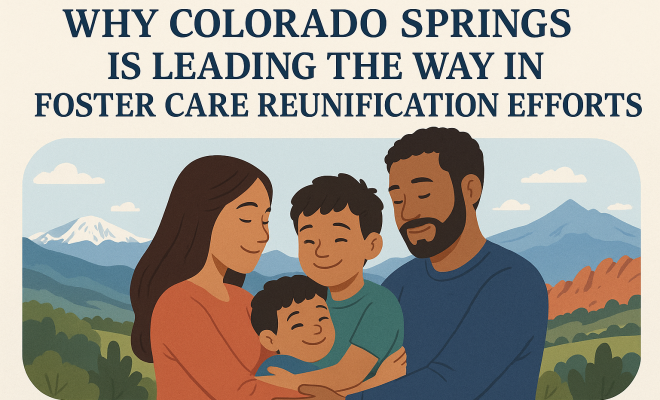
Why Colorado Springs Is Leading the Way in Foster Care Reunification Efforts
“`html
The journey of foster care reunification in Colorado Springs is a powerful narrative of resilience and hope, reflecting a larger statewide trend. In recent years, more foster children have been reunited with their families, a development that resonates deeply within the realms of social policy, parenting, and community advocacy. This emotional issue touches on critical questions regarding child safety, family integrity, and the complexities of the foster care system. As more families in Colorado Springs experience the joy of reunification, it’s essential to explore the factors contributing to this change, the challenges that remain, and how the community can support these families through this crucial transition.
Understanding Foster Care Reunification
Foster care reunification refers to the process of returning a child who has been placed in foster care back to their biological family. This goal is often viewed as a primary objective within the child welfare system, prioritizing family preservation whenever possible. The foster care system is designed to provide temporary care for children removed from their homes due to abuse, neglect, or unsafe living situations. However, it also seeks to ensure that families receive the necessary support to address the issues that led to their child’s removal.
In Colorado Springs, the trend towards increased reunification is encouraging. Reports indicate that more children are being successfully returned to their families, signaling a shift in the approach taken by local child welfare agencies. This isn’t just a local phenomenon; rather, it mirrors a state-level trend observed across Colorado, where the focus is increasingly on empowering families to overcome their challenges and reintegrating children into stable home environments.
The Emotional Narrative of Reunification
Reunification stories often evoke a myriad of emotions. For many parents, the journey back to reunification is filled with hope and determination, but it is also fraught with anxiety and uncertainty. Parents may face significant hurdles, including substance abuse issues, mental health challenges, or unstable living conditions. Overcoming these obstacles requires immense effort and often the support of community organizations, social workers, and therapists.
For foster children, the prospect of returning home can stir mixed feelings. On one hand, there’s the excitement of reuniting with family, while on the other, there may be fears about the changes that have occurred during their time in foster care. The emotional complexity of these situations underscores the importance of ensuring that both children and parents receive adequate support throughout the reunification process.
Statistics Reflecting the Trend
The surge in foster care reunification isn’t merely anecdotal; it is backed by statistics. In Colorado, the percentage of children returned to their families has risen significantly, a trend that has been echoed in Colorado Springs. According to state data, the rate of reunification has increased by approximately 15% over the past few years. This increase is attributed to several factors, including policy changes and enhanced support systems for families.
Moreover, the success of these reunification efforts is often measured not just by the number of children returned home but also by the sustainability of these reunifications. Studies indicate that when families receive targeted interventions—such as parenting classes, mental health support, and substance abuse treatment—the likelihood of successful reunification increases dramatically.
Community Support: A Crucial Element
The role of community support cannot be overstated in the context of foster care reunification in Colorado Springs. Local organizations, nonprofits, and volunteers play a vital part in assisting families through this challenging transition. These groups often provide resources such as counseling, mentorship programs, and financial assistance, which are critical for families striving to stabilize their situations.
One notable organization is the Colorado Springs Child Welfare Services, which has implemented various initiatives aimed at enhancing family reunification rates. Their approach focuses on collaboration with families, emphasizing strengths-based practices that empower parents to take charge of their circumstances. Such initiatives have been instrumental in changing the narrative around foster care, promoting a more supportive and understanding environment for families.
Policy Changes Driving Reunification Efforts
Policy changes at both the state and local levels have also significantly impacted foster care reunification efforts. The Colorado Department of Human Services has made strides in revising guidelines that govern how child welfare cases are handled. These revisions prioritize family preservation and support, rather than solely focusing on removal. For instance, legislation encouraging early intervention has allowed families to receive help before situations escalate, reducing the need for foster care placement in the first place.
Additionally, increased funding for prevention programs has provided families with the resources they need to address issues proactively. This funding has fostered an environment that not only helps families resolve their problems but also promotes stronger, healthier family dynamics. The shift in policy reflects a growing understanding that the best place for children is often within their own families, provided that those families can offer a safe and stable environment.
The Role of Social Workers
Social workers are often the unsung heroes of the foster care system. Their commitment to advocating for children and families is paramount in the foster care reunification process. In Colorado Springs, social workers engage with families throughout the reunification journey, offering guidance, support, and resources tailored to each family’s unique needs. (See: Understanding foster care reunification.)
One of the most significant aspects of a social worker’s role is conducting thorough assessments to ensure that reunification is in the child’s best interest. They work to establish a rapport with families, helping to build trust and understanding, which is essential for effective communication. This relationship fosters an environment where parents feel supported and motivated to make positive changes, ultimately benefiting the children involved.
Challenges Still Faced by Families
While the increase in foster care reunification in Colorado Springs is promising, challenges remain. The journey back to family life is not always smooth, and many families encounter obstacles that can hinder their progress. Issues such as housing instability, ongoing substance abuse, and lack of access to mental health services can pose significant barriers.
Furthermore, the stigma surrounding foster care can be an additional challenge for families. Parents may feel judged or ostracized, which can discourage them from seeking help or participating in support programs. It’s vital for the community to foster an environment of understanding and compassion, recognizing that many families are doing their best to overcome difficult circumstances.
The Importance of Lifelong Support
Foster care reunification isn’t just a one-time event; it’s a lifelong journey. Once children are back with their families, ongoing support is crucial to ensure that the reunification is successful and sustainable. Programs that offer post-reunification services, such as family therapy, parenting workshops, and support groups, can make a significant difference in helping families thrive.
Moreover, schools and local communities can play a role by being aware of the unique challenges faced by reunified families. Creating supportive environments in schools, providing resources for parents, and fostering open communication can help ease the transition for both children and their families.
Looking Ahead: The Future of Foster Care Reunification
The future of foster care reunification in Colorado Springs and across the state appears to be moving in a positive direction. With continued advocacy, policy reform, and community support, the focus on family preservation is likely to strengthen. As more families experience successful reunifications, it’s essential to share these stories, highlighting the resilience of families and the power of community support.
By prioritizing the well-being of children and their families, Colorado Springs can continue to serve as a model for other communities grappling with similar issues. It’s a collective effort that requires the involvement of social workers, community organizations, and families themselves to create a brighter future for all involved.
Final Thoughts on Foster Care Reunification
The journey of foster care reunification in Colorado Springs is an ongoing story of struggle, hope, and triumph. With the right supports and resources in place, families can overcome adversity and create stable, loving environments for their children. As the trend toward reunification continues to rise, the need for community involvement and understanding becomes even more critical.
Ultimately, the success of foster care reunification hinges on the belief that families can and should be together whenever it is safe and possible. Colorado Springs stands at the forefront of this movement, demonstrating that with compassion and commitment, families can rebuild, reunite, and thrive.
Understanding the Foster Care System in Colorado Springs
For anyone looking to understand foster care reunification in Colorado Springs, it’s essential to first comprehend the broader foster care system in the area. The local Department of Human Services (DHS) oversees cases involving children who are removed from their families due to safety concerns. This process is not taken lightly; it involves extensive assessments and legal protocols to ensure that a child’s best interests remain at the forefront of any decision.
Colorado Springs has several foster care agencies, each with its unique approach to placing children in safe, nurturing environments. These agencies work closely with the DHS, schools, and community organizations to establish a network of support for both children in care and their biological families, emphasizing the importance of reunification whenever possible.
The Impact of Community Organizations
The role of community organizations in supporting foster care cannot be understated. Groups like the Family Advocacy Program (FAP), which operates in Colorado Springs, provide essential services designed to assist families in crisis. FAP offers resources that range from legal aid to counseling services, ensuring families have the tools they need to work through their challenges and achieve reunification.
Another important organization is the Colorado Springs Foster Care Coalition. This coalition brings together various stakeholders, including foster parents, social workers, and community advocates, to discuss best practices and share resources. By collaborating in this way, these organizations create a robust support network, making it easier for families to access the help they need. (See: Impact of foster care on children.)
Real-Life Examples of Successful Reunification
Nothing illustrates the potential for successful reunification better than real-life stories. Take the example of the Johnson family. After their children were placed in foster care due to issues related to substance abuse, the parents engaged with local resources such as addiction recovery programs and parenting classes. With the guidance of their social worker and community advocates, they made significant progress, ultimately leading to a successful reunification.
Another inspiring story is that of the Martinez family. The parents faced challenges stemming from mental health issues, but with ongoing therapy and community support, they were able to create a stable environment for their children. Their journey was not without setbacks, but the support they received allowed them to navigate the complexities of their situation and ultimately reunite with their kids.
Statistics on Foster Care and Reunification in Colorado
Statistics offer a glimpse into the realities of foster care and reunification in Colorado Springs. As of the latest data, approximately 30% of children who enter the foster care system in Colorado are successfully reunified with their families within 12 months. This rate is promising, yet it indicates that many families still face significant challenges in achieving reunification. In Colorado Springs specifically, the local government is actively working to improve this statistic through various initiatives aimed at enhancing family reunification rates.
Research shows that the success of reunification is closely tied to the availability of resources and support systems. For example, families that participate in comprehensive parenting programs are 25% more likely to achieve reunification compared to those who do not. This data highlights the need for ongoing investment in family support services as a crucial element in promoting successful reunifications.
Frequently Asked Questions About Foster Care Reunification in Colorado Springs
1. What is the average duration of a foster care placement before reunification occurs?
The duration of a foster care placement can vary widely. On average, many placements last between six months to two years, depending on the family’s circumstances and the nature of the issues that led to removal. However, timely interventions can significantly shorten this duration.
2. What resources are available for families facing reunification challenges?
Families can access various resources, including counseling services, support groups, parenting workshops, and financial assistance from local nonprofits and government agencies. Community organizations in Colorado Springs are particularly active in providing these resources.
3. How can the community help support families in reunification?
Community members can help by donating time or resources to local organizations focused on foster care, volunteering as mentors, or simply spreading awareness about the challenges faced by reunified families. Showing empathy and understanding is also critical in reducing stigma.
4. Are there any legal considerations in the reunification process?
Yes, legal considerations play a significant role in the reunification process. Court hearings are typically held to review the progress of families in reunification and determine whether the children can safely return home. Families may benefit from legal representation during these proceedings.
5. What happens if reunification isn’t successful?
If reunification efforts are unsuccessful, the child may be placed in a different long-term living situation, which could include adoption or guardianship. The goal remains to find the most stable and loving environment possible for the child.
Expert Perspectives on Foster Care Reunification
Experts in the field of child welfare stress the importance of a holistic approach to foster care reunification. Dr. Emily Turner, a local child psychologist, emphasizes that “the emotional well-being of both children and parents is crucial. We must provide mental health support alongside practical resources to facilitate a smoother transition back home.”
Similarly, social worker Michael Chen notes, “Every family is unique, and their journey back to each other involves understanding their specific needs. Tailoring support systems to meet these needs can lead to better outcomes for families and children alike.” These insights highlight the necessity of a personalized approach in ensuring successful reunification. (See: Foster care and family reunification.)
The Path to a Supportive Community
Creating a supportive community for families in the foster care system is essential. As Colorado Springs continues to embrace the idea of family reunification, local leaders, educators, and citizens must unite to build a culture of understanding and support. This might involve educational campaigns to inform the public about the dynamics of foster care and the importance of compassion toward families in transition.
Local businesses can also contribute by creating initiatives that provide job training and employment opportunities for parents in the reunification process. By fostering economic stability, the community can play a pivotal role in the overall well-being of families working toward reunification.
Understanding Cultural Sensitivity in Reunification
In Colorado Springs, as in many communities, cultural sensitivity plays a significant role in the foster care system. Families come from diverse backgrounds, and understanding cultural nuances is essential in the reunification process. Social workers and community organizations are increasingly trained to recognize and respect cultural differences, ensuring that services are tailored to meet the needs of various ethnic and cultural groups.
For example, language barriers can pose challenges in communication for some families. By providing bilingual services and materials, organizations can better serve the needs of non-English speaking families, facilitating smoother interactions and fostering trust in the reunification process.
Exploring the Role of Technology in Support Services
Technology is also becoming a crucial tool in enhancing support services for foster care families. Mobile apps and online platforms allow parents to access resources and communicate with social workers more efficiently. These digital solutions can help track progress, schedule appointments, and find local services quickly, reducing the friction that can occur in traditional communication methods.
Additionally, virtual support groups have emerged, allowing families to connect with others who have similar experiences. This form of peer support is invaluable, providing a sense of community and shared understanding that can help families feel less isolated during their reunification journey.
Conclusion: A Collective Effort for Change
Foster care reunification in Colorado Springs represents a collaborative effort among families, social workers, community organizations, and government agencies. The growing emphasis on family preservation signifies a shift toward a more compassionate and effective child welfare system. By investing in supportive services and advocating for policy changes, Colorado Springs can continue to lead the way in creating a brighter future for children and their families.
As this journey continues, it’s essential for the community to remain engaged, informed, and supportive of families navigating the complexities of foster care reunification. Together, we can help ensure that every child has the opportunity to grow up in a safe, loving environment with their biological family whenever possible.
“`
Trending Now
Frequently Asked Questions
What is foster care reunification?
Foster care reunification is the process of returning a child in foster care back to their biological family. It aims to preserve family integrity and ensure that families receive support to address the issues that led to the child's removal, emphasizing the importance of maintaining family connections whenever possible.
Why is Colorado Springs focusing on foster care reunification?
Colorado Springs is focusing on foster care reunification to empower families and improve child welfare outcomes. Recent trends show an increase in successful reunifications, reflecting a shift in local child welfare agencies toward supporting families in overcoming challenges and reintegrating children into stable home environments.
What challenges do families face in foster care reunification?
Families in foster care reunification often face challenges such as addressing past issues of abuse or neglect, accessing necessary resources and support, and navigating the complexities of the child welfare system. These challenges can impact the emotional and practical aspects of the reunification journey.
How can communities support foster care reunification efforts?
Communities can support foster care reunification efforts by providing resources such as counseling, parenting classes, and financial assistance. Additionally, fostering a culture of understanding and advocacy can help families feel supported during the reunification process, enhancing their chances of success.
What emotional aspects are involved in foster care reunification?
The emotional aspects of foster care reunification can be profound, involving feelings of hope, anxiety, and determination for both children and parents. Many families experience a mix of joy and fear as they navigate the complexities of re-establishing their relationships and rebuilding trust after a separation.
What did we miss? Let us know in the comments and join the conversation.