When Should Children Move Beyond Parallel Play?
“`html
When observing young children at play, you might notice a fascinating behavior known as parallel play in children. This developmental stage, where kids play alongside each other but do not interact, starts early in life and raises questions about social development and readiness for deeper engagement. Many parents and educators wonder: When should children move beyond parallel play? Understanding this transition not only aids in child development but also helps parents and caregivers nurture social skills effectively.
Defining Parallel Play
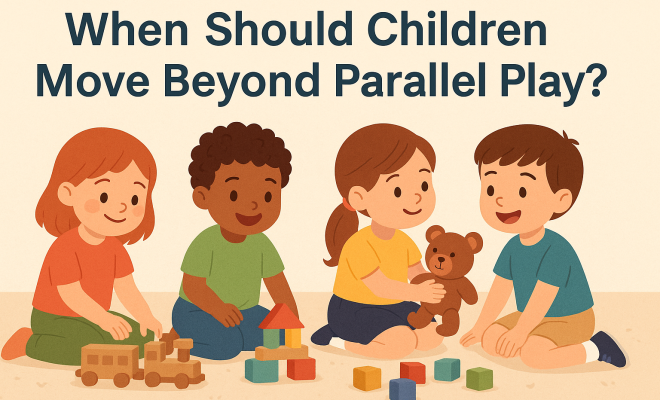
Parallel play is typically identified as a stage in child development between the ages of 2 and 3 years when children engage in similar activities side by side without direct interaction. While they may be playing with the same type of toys or in the same area, they do so independently. For example, two children may sit next to each other building with blocks, yet they might not communicate or share their creations. This behavior is a normal phase in early childhood development, reflecting a child’s burgeoning sense of self and emerging social awareness.
The Importance of Parallel Play
Though it may seem like a solitary activity, parallel play serves several critical functions in a child’s development. For one, it allows children to practice essential skills such as:
- Imitation: Young children learn by observing others. While engaged in parallel play, they might imitate their peers’ actions, which can lead to learning new techniques and ideas.
- Autonomy: Parallel play fosters independence by giving children the opportunity to choose their activities without direct influence from others.
- Emotional regulation: Children learn to manage feelings such as frustration and joy by experiencing their play situation independently, which is critical for emotional development.
- Observation skills: By watching their peers, children enhance their ability to interpret social cues and body language, which are vital for future interactions.
These foundational skills set the stage for more complex social interactions that typically develop as children grow older.
Social Development Milestones
Understanding the timeline for social development can help parents and caregivers recognize when a child is ready to transition from parallel play to more interactive play. The following milestones are commonly associated with a child’s social development:
- Ages 2-3: Children engage in parallel play, often showing interest in other children but not yet interacting directly.
- Ages 3-4: This is often when children begin to exhibit associative play, where they start to share toys and converse, though they may still be focused on individual tasks.
- Ages 4-5: Cooperative play becomes more prevalent. At this stage, children work together toward a shared goal, like building a fort or playing a game.
Recognizing these milestones can help caregivers encourage appropriate social interactions at each stage.
Factors Influencing the Transition
While the developmental timeline provides a general guide, several factors can influence when a child transitions from parallel play. These include:
- Personality: Each child has a unique personality. Some may be naturally more social and eager to engage, while others may be more reserved, taking longer to initiate interactions.
- Parental encouragement: Parents and caregivers play a pivotal role in facilitating play. Introducing playdates or small group activities can encourage children to engage with peers.
- Peer interactions: The social skills and behaviors exhibited by peers can greatly influence a child’s willingness to engage. If a child is surrounded by more interactive peers, they may be more inclined to move beyond parallel play.
- Environmental factors: Settings that encourage interaction, such as preschools or playgroups, can promote cooperative play among children.
Awareness of these factors allows caregivers to provide targeted support to help children develop social skills effectively.
Recognizing Readiness for Cooperative Play
Identifying signs that a child is ready to move beyond parallel play can be beneficial for parents and educators. Some indicators include:
- Increased interest in peers: If a child begins to show curiosity about what other children are doing or starts to mimic their actions, it may indicate readiness for more interactive play.
- Initiating interactions: When a child begins to approach peers to share toys or engage in conversation, this is a clear sign of emerging social skills.
- Engagement in shared activities: If children start participating in group games or collaborative tasks, it suggests they are moving towards cooperative play.
- Conflict resolution: If a child can handle minor disputes or disagreements with peers, this demonstrates growing social awareness and readiness for more involved interactions.
Recognizing these signs can help caregivers create opportunities for children to practice and enhance their social skills. (See: Child development overview.)
The Role of Play in Cognitive and Emotional Development
Play is not only crucial for social skills; it also significantly impacts cognitive and emotional development. Engaging in diverse types of play can stimulate various areas of a child’s brain. For instance, parallel play allows for creativity and problem-solving as children navigate their independent activities. Meanwhile, cooperative play fosters critical thinking and collaboration. Through these interactions, children learn to:
- Understand perspectives: Playing with others requires children to consider viewpoints outside their own.
- Develop empathy: Group play involves sharing and occasionally compromising, helping children learn empathy.
- Enhance communication: As children move from parallel to cooperative play, they practice verbal and non-verbal communication skills.
This interplay between different types of play creates a well-rounded foundation for future interactions.
Strategies to Encourage Transition from Parallel Play
Parents and caregivers can actively encourage children to transition from parallel play to more interactive forms. Here are some effective strategies:
- Structured playdates: Organize playdates where children can engage in activities together. Ensure there are shared toys or games that require cooperation.
- Introduce group games: Simple games that require collaboration, such as building a tower together or playing a team sport, can naturally encourage cooperative play.
- Model social interactions: Demonstrate how to share, take turns, and communicate effectively. Children often learn by watching adults.
- Provide guidance: Offer gentle prompts for interaction, such as suggesting a child ask another to join in an activity or share a toy.
Implementing these strategies can create an environment that supports social growth and facilitates the transition away from parallel play.
Recognizing Challenges During the Transition
Although the shift from parallel play to cooperative play can be exciting, it may also present challenges for children. Some common hurdles include:
- Shyness or anxiety: Some children may feel overwhelmed by the prospect of engaging with peers, which can hinder their willingness to participate.
- Difficulty sharing: Learning to share can be a significant challenge, leading to conflicts that may deter children from engaging with one another.
- Conflict resolution skills: If children lack the skills to resolve disputes, it can create tension and discourage cooperative play.
Being aware of these challenges allows caregivers to offer support and guidance, helping children navigate social situations more effectively.
Current Relevance in Early Childhood Education
The insights into parallel play and its transition into cooperative play hold significant relevance in today’s early childhood education landscape. With increasing recognition of the importance of social-emotional learning, educators are now emphasizing collaborative play in curricula. Programs that prioritize group activities foster environments where children can develop social skills alongside cognitive ones.
Moreover, the rise of social media and technology has altered how children interact. While these tools can facilitate some connections, they may also limit face-to-face interactions. As a result, it’s crucial to ensure that play remains a vital part of child development, encouraging real-world interactions.
Frequently Asked Questions (FAQ)
What is the difference between parallel play and cooperative play?
Parallel play involves children playing side by side without direct interaction, while cooperative play is characterized by children engaging with each other towards a shared goal, often involving communication and collaboration.
At what age do children typically stop engaging in parallel play?
While children may engage in parallel play until about age 3, most will begin transitioning to associative and cooperative play around ages 3 to 4. However, some children may continue to exhibit parallel play behaviors even as they approach age 5. (See: CDC on child development stages.)
Can parallel play be beneficial for shy children?
Absolutely! For shy children, parallel play provides a safe space to observe and learn from peers without the pressure of direct interaction. It allows them to build confidence at their own pace before moving into more interactive play.
How can I help my child if they seem stuck in parallel play?
Encouraging structured playdates, introducing group activities, and modeling social interactions can be effective strategies. It’s important to create low-pressure opportunities for your child to engage with peers while respecting their individual pace of development.
Are there toys that promote the transition from parallel play to cooperative play?
Toys that require teamwork, such as building sets, board games, or sports equipment, can encourage children to move from parallel play to cooperative play. Such toys invite collaboration and shared goals.
How do cultural differences affect play styles in children?
Cultural backgrounds can influence how children interact during play. Some cultures may promote more communal play, while others may encourage independent play. Understanding these differences is essential for caregivers and educators in supporting diverse play styles.
The Impact of Parallel Play on Lifelong Social Skills
Parallel play not only lays the groundwork for immediate social skills but can also influence lifelong interpersonal abilities. Children who master the art of parallel play often develop a strong sense of self and the confidence needed to navigate more complex social situations later in life. Studies have shown that individuals who engage in varying types of play during early childhood tend to have better problem-solving skills and adaptability in social scenarios. This adaptability is crucial as children grow into adolescence and adulthood, where teamwork and collaboration become even more significant.
Expert Perspectives on Parallel Play
Experts in child development emphasize the importance of recognizing parallel play as a natural part of growth rather than a deficit in social ability. Dr. Laura Jana, a pediatrician and child development expert, states, “Parallel play is like the warm-up before the big game. It’s essential for building confidence and comfort around peers.” Her insights highlight the need for parents and educators to support parallel play and facilitate gradual transitions to more interactive forms.
Future Research Directions
As understanding of child development evolves, researchers are increasingly focusing on the nuances of play, including parallel play. Future studies are likely to explore how different play environments and cultural contexts affect the transition from parallel to cooperative play. Understanding these dynamics could lead to improved educational practices that embrace play as a fundamental component of learning and development.
Types of Parallel Play
While parallel play is often seen as a single stage, it can manifest in various forms and contexts. Recognizing these distinctions may help parents and educators tailor their approach to support children effectively. Here are some types of parallel play:
- Solitary Parallel Play: This occurs when a child plays independently but is aware of other children nearby. They might choose to play with similar toys but do not engage with others at all.
- Adjacent Parallel Play: Children may sit next to each other, playing with similar toys or activities, but they maintain their independence. They might occasionally glance at each other, showing awareness of one another’s actions without interactively engaging.
- Cooperative Parallel Play: This is a transitional phase where children begin to engage in parallel activities that require some collaboration. For example, they may be building separate structures but use the same set of blocks or encourage each other verbally.
Understanding these nuances allows caregivers to recognize the subtleties in children’s play behaviors, providing them with the appropriate support they need.
Play Settings and Parallel Play
The environment in which children play can significantly influence the dynamics of parallel play. Different settings can either encourage or inhibit social interactions. Here are some common play settings and their effects on parallel play:
- Home Environment: In familiar settings, children might feel more comfortable engaging in parallel play, especially with siblings or family members. However, they may also be less motivated to engage with peers.
- Preschool and Playgroups: These settings encourage interaction and can facilitate transitions from parallel to cooperative play. The presence of educators who model social behavior can also enhance the learning experience.
- Community Parks and Playgrounds: Open spaces often promote spontaneous interactions among children. Here, children can observe peers engaging in activities, which might inspire them to join in.
By recognizing how different settings impact play, caregivers can create opportunities that foster social interaction and learning.
The Role of Technology in Play
In today’s digital age, technology plays a significant role in children’s lives, including their play experiences. While technology can offer new avenues for engagement, it also raises questions about how it affects parallel play and social development. Here are some considerations:
- Digital Play: Video games and interactive apps can provide opportunities for cooperative play, even if the players are not physically together. However, too much screen time may reduce opportunities for face-to-face interactions, essential for developing social skills.
- Online Communities: Many children connect with peers through online platforms and games. These interactions can foster communication skills and teamwork but may lack the nuances of in-person play.
- Balancing Screen Time: Encouraging a balance between digital play and physical play is crucial. Outdoor play and direct interactions remain vital for developing social skills and emotional intelligence.
As technology continues to evolve, finding ways to blend digital play with traditional forms of play will be essential for nurturing well-rounded social skills in children.
The Connection Between Parallel Play and Future Academic Success
Research has increasingly pointed towards the link between play, including parallel play, and future academic success. Children who engage in various types of play during their early years often demonstrate enhanced cognitive development, problem-solving abilities, and social skills that are critical for academic achievement. Studies have shown that children who participate in cooperative play tend to perform better in collaborative learning environments, highlighting the importance of transitioning from parallel play to more interactive play.
Additionally, early exposure to play that involves sharing and cooperation can help children develop the soft skills necessary for success in school and beyond. These include skills such as teamwork, communication, and the ability to navigate social relationships, all of which are essential in both academic settings and the workplace.
Conclusion: The Journey Beyond Parallel Play
Understanding parallel play in children and recognizing when to encourage the transition to cooperative play are vital aspects of fostering healthy social development. Each child’s journey is unique, shaped by their personality and environment. By observing developmental milestones and employing supportive strategies, caregivers can effectively guide children through this exciting phase of growth. As children learn to engage with peers, they not only build friendships but also develop essential life skills that will serve them well into adulthood.
“`
Trending Now
Frequently Asked Questions
What is parallel play in children?
Parallel play is a developmental stage where children play alongside each other without direct interaction, typically occurring between ages 2 and 3. They engage in similar activities, like building with blocks, but do so independently, reflecting their emerging social awareness.
When do children start to engage in parallel play?
Children typically begin to engage in parallel play between the ages of 2 and 3 years. This phase is a normal part of early childhood development, showcasing their growing sense of self and initial social awareness.
Why is parallel play important for child development?
Parallel play is crucial as it helps children develop essential skills such as imitation, autonomy, emotional regulation, and observation skills. These experiences lay the groundwork for future social interactions and emotional maturity.
How can parents encourage social skills in parallel play?
Parents can encourage social skills during parallel play by providing opportunities for children to play alongside peers, introducing shared toys, and gradually facilitating interactions, allowing children to learn through observation and imitation.
What comes after parallel play in child development?
After parallel play, children typically progress to associative play, where they start interacting with peers, sharing toys, and engaging in cooperative activities. This transition reflects their growing social skills and readiness for deeper engagement with others.
What did we miss? Let us know in the comments and join the conversation.