What Is Parallel Play? Understanding Toddler Social Development
“`html
Understanding Parallel Play: What Is It?
When you watch toddlers at play, you might notice something intriguing: they often engage in activities side by side, without direct interaction. This phenomenon is known as parallel play. Defined as a stage of play where children play adjacent to one another but do not directly communicate or collaborate, parallel play typically occurs between the ages of 2 and 3. It’s an essential part of social development, shedding light on how young children begin to navigate social interactions.
Parallel play is not merely a passive activity; it serves as a crucial foundation for the development of more complex social skills. While it may seem that children are isolated in their individual worlds, they are actually observing and learning from one another, setting the stage for future cooperative play.
The Stages of Play Development
Understanding parallel play requires a broader context about children’s developmental stages. Psychologist Mildred Parten identified six stages of play, which provide a framework for understanding how children progress as social beings:
- Solitary Play: Children play alone, focused on their activity without regard for others.
- Onlooker Play: Children watch others play but do not actively engage.
- Parallel Play: As mentioned, children play alongside one another without direct interaction.
- Associative Play: Children start to engage with one another, sharing materials and ideas, although their activities may still be independent.
- Cooperative Play: This stage is characterized by organized activities and collaboration among children.
- Social Play: A blend of all previous stages, where children engage in complex social interactions.
Each of these stages is critical, but parallel play marks a significant transition. During this stage, you’ll often see toddlers imitating one another, which is a natural form of social learning.
The Importance of Parallel Play in Development
Parallel play plays a vital role in the cognitive and emotional development of toddlers. Here’s why it matters:
- Social Interaction: While toddlers may not be directly interacting, they are learning about social cues and behaviors. Observing peers can inform them about sharing, turn-taking, and conflict resolution.
- Imitation: Children learn by imitating their peers. During parallel play, they may mimic actions, language, and problem-solving strategies, which can enhance their skills in various domains.
- Independence: Playing alongside others allows children to experience a sense of autonomy. They can explore their interests and preferences while still being part of a social environment.
- Conflict Resolution: Even without direct interaction, children can observe how others handle conflicts, which can inform their future responses.
Characteristics of Parallel Play
Recognizing parallel play involves understanding its key characteristics. Here are some traits you can expect to see:
- Close Proximity: Children engage in similar activities but do so physically close to one another, allowing for observation and shared experiences.
- Similar Toys or Activities: While playing side by side, toddlers may choose similar toys or engage in the same type of play, such as building blocks or coloring.
- Lack of Direct Interaction: Unlike associative or cooperative play, there is minimal direct communication. You might hear children occasionally verbalize to each other, but not in a way that encourages active participation.
- Imitation and Exploration: You’ll often see children imitating each other’s actions, whether it’s stacking blocks or stirring a pot in a pretend kitchen.
Encouraging Parallel Play: Tips for Parents and Educators
While parallel play is a natural stage in toddler development, there are ways parents and educators can encourage and support this form of play:
- Create Playful Environments: Set up play areas with various toys and materials that encourage side-by-side play, such as play kitchens, block sets, or art supplies.
- Provide Opportunities for Interaction: Arrange playdates or group activities where toddlers can be near one another, fostering a comfortable environment for parallel play.
- Model Play: Engage in play yourself. Show children how to use toys or engage with activities in a way that invites imitation.
- Observe and Discuss: Encourage toddlers to notice what their peers are doing, discussing their actions and choices to promote awareness and reflection.
Signs of Healthy Parallel Play
As a parent or caregiver, it’s natural to wonder whether your child is developing at a healthy pace. Observing signs of healthy parallel play can provide you with valuable insights:
- Engagement: Your child shows interest in toys or activities, even if they are not directly interacting with others.
- Contentment: Children engaged in parallel play often appear content, focused on their activities while being aware of others in the vicinity.
- Respect for Space: Children understand personal boundaries, playing near others without intruding or disrupting.
- Imitative Play: Look for instances where your child mimics the actions of peers, demonstrating their engagement in social learning.
Challenges and Misunderstandings about Parallel Play
There are common misconceptions surrounding parallel play that can lead to unnecessary concerns: (See: Play in psychology.)
- Isolation: Some parents worry that if their child is not directly interacting, they may be socially withdrawn. It’s essential to recognize that parallel play is a normal developmental stage and not a sign of social issues.
- Comparison with Others: Every child develops at their own pace. Comparing your child’s play style to that of other children can create unwarranted anxiety regarding their social skills.
- Transitioning Stages: Some parents may fret if their child appears to remain in parallel play longer than peers. Development varies greatly — what’s important is the progression to more interactive play over time.
When to Seek Help
If you’re concerned about your child’s social development, it’s crucial to know when to seek guidance. Here are some situations where reaching out to a professional might be beneficial:
- Limited Play Skills: If your child shows little interest in engaging with peers or exhibits a significant delay in moving to associative or cooperative play, consider consulting a pediatrician or child psychologist.
- Social Anxiety: Signs of distress or anxiety during play situations can indicate underlying issues that may require intervention.
- Lack of Imitative Play: If your child does not engage in any form of imitation, it could be a sign of developmental concerns.
- Repetitive Behaviors: If your child displays rigid play patterns that do not evolve, seeking advice can help determine if further evaluation is necessary.
Conclusion: The Role of Parallel Play in Lifelong Skills
In the grand scheme of child development, parallel play holds significant value. While it may seem simple, this stage of play lays the groundwork for essential social skills that children will carry into subsequent developmental phases. As children transition from parallel play to more interactive forms of engagement, they develop the ability to cooperate, negotiate, and form friendships.
Understanding how parallel play contributes to social skills not only helps parents and educators but also fosters a supportive environment for toddlers as they grow. So next time you observe your child playing alongside others, remember: they’re not just playing; they’re building the social foundations that will serve them for a lifetime.
Deeper Insight into the Process of Parallel Play
Parallel play is often viewed as a standalone concept, but it’s vital to recognize that it fits into a larger framework of child development. This kind of play can be seen as a bridge between solitary activities and deeper social interactions. While some may think of parallel play as simply existing beside another child, it’s loaded with nuances that contribute to a child’s overall growth.
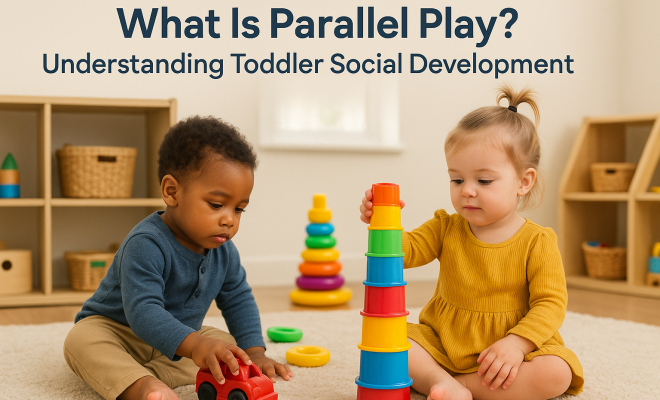
For instance, toddlers might be engaged in different types of parallel play. One child may be building a tower with blocks, while another is creating something entirely different next to them. They are not collaborating or negotiating, but they are indirectly learning from each other’s techniques and approaches. This kind of observational learning is crucial for cognitive development, as it allows children to absorb a variety of play styles and methods.
Statistical Insights on Parallel Play
Research findings can further enhance our understanding of parallel play. A study published in the journal Child Development reported that approximately 30% of playtime for toddlers aged 2 to 3 years is spent in parallel play. This statistic highlights how prevalent this type of play is in early childhood development. Over time, the frequency of parallel play tends to decrease as children grow older and start moving into more interactive types of play, such as associative and cooperative play.
In addition, researchers have found that children who engage in parallel play exhibit a 20% improvement in social skills by the time they reach preschool age. This improvement can be attributed to the observational learning that takes place during these early interactions. The importance of these findings cannot be underestimated; they suggest that even seemingly non-interactive play is a vital component of social and emotional development.
The Role of Caregivers in Facilitating Play
The role of caregivers in encouraging parallel play is significant. Parents, grandparents, and day care providers are not just passive observers; they can actively shape and enhance the play environment. One effective strategy is to introduce themed play sessions where children have access to similar toys or activities, such as a mini grocery store setup or an arts and crafts corner. By implementing structured yet flexible environments, caregivers can encourage children to engage in parallel activities that will foster social growth.
It’s also helpful for caregivers to guide the interactions without being intrusive. For example, if two children are playing side by side with blocks, a caregiver might suggest they can build a tower together or compare the heights of their constructions. This gentle nudge can help guide children toward more interactive play when they’re ready.
Common Activities for Parallel Play
There are plenty of activities that naturally lend themselves to parallel play. Here are a few examples that can help parents and educators create conducive play environments:
- Art Stations: Set up an area with various art supplies. Each child can work on their own project while enjoying the company of others.
- Building Blocks: Provide different building materials, such as wooden blocks, LEGO, or Duplo. Children can build independently, side by side, while learning from each other.
- Cooking Play: A play kitchen allows children to engage in imaginative cooking while playing next to each other, observing how their peers use the materials.
- Outdoor Play Areas: Equip outdoor spaces with sandbox areas, slides, and climbers. Children can explore different areas while enjoying the benefits of parallel play.
Frequently Asked Questions About Parallel Play
1. At what age does parallel play typically occur?
Parallel play usually begins around ages 2 to 3 years. This stage allows toddlers to explore autonomy while being near peers. (See: CDC milestones for child development.)
2. Is parallel play a sign of social issues in children?
No, parallel play is a normal part of development. It signifies that children are learning to engage with their environment and observing their peers.
3. How can I encourage my child to transition from parallel play to more interactive play?
Encouraging interaction can be done by organizing group activities, modeling sharing behaviors, and suggesting collaborative play scenarios during playtime.
4. Can parallel play occur with adults as well?
Yes, adults can engage in parallel play, too, especially in activities like crafting or playing games while sitting next to each other. This can create a relaxed atmosphere for children to observe and learn.
5. What if my toddler prefers to play alone?
It’s natural for some children to prefer solitary play. As long as they exhibit interest in their surroundings and occasionally interact, it’s generally not a cause for concern.
6. How does parallel play affect long-term social skills?
Parallel play lays the groundwork for understanding cooperation, empathy, and negotiation skills, which are crucial for future social interactions.
7. How can teachers support parallel play in preschool settings?
Teachers can create play-based learning environments where parallel play is encouraged through structured play areas, thematic units, and observing children to facilitate interactions when they arise.
Conclusion: Embracing the Journey of Play
As we explore the concept of parallel play, it’s clear that this form of play is not just a phase to get through; it’s a valuable part of developmental growth. By recognizing the nuances, benefits, and strategies to support it, parents and educators can create enriching environments where children thrive socially and emotionally. Embracing parallel play can lead to a smoother transition into more complex social interactions, ultimately contributing to the well-rounded development of children.
Understanding the Difference Between Parallel and Cooperative Play
While parallel play is a significant step in a child’s development, it’s essential to differentiate it from cooperative play. In parallel play, children are still primarily focused on their activities and are not yet ready to share or interact directly. Cooperative play, on the other hand, involves a more interactive approach where children work together towards a common goal. This shift typically occurs as children grow older and gain more social competence. For parents, understanding these differences can help set realistic expectations for their children’s social development.
Examples of Parallel Play Scenarios
To illustrate parallel play, let’s consider a few scenarios you might encounter:
- Sandbox Play: Two toddlers sit at a sandbox, each building their own castle. They may glance at each other’s work but do not directly interact or compare.
- Art Projects: In an art corner, one child paints a picture while another colors with crayons. They might comment on each other’s work but remain focused on their own creations.
- Playing with Blocks: One child stacks blocks to create a tower, while another builds a road with toy cars. They are aware of each other’s play but don’t necessarily engage in a dialogue.
Each of these scenarios reflects how children can benefit from observing one another while still engaging in their activities. Such experiences are vital for cognitive and social learning.
Benefits of Parallel Play in Group Settings
Parallel play is particularly beneficial in group settings, such as daycare or preschool. The presence of peers can help motivate children to engage in activities they might avoid when alone. For instance, if one child starts playing with a new toy, another might be inspired to join in or try something similar, even if they are just playing alongside each other. This indirect motivation can enhance their willingness to explore new ideas and concepts in a safe environment.
How to Measure Progress from Parallel to Cooperative Play
Tracking a child’s progress from parallel to cooperative play involves observing certain key indicators:
- Increased Interaction: Notice if your child begins to initiate conversations or offers toys to peers, indicating they are moving toward cooperative play.
- Joint Activities: Look for opportunities where children start engaging in shared tasks, like building a tower together or playing a game that requires teamwork.
- Conflict Resolution: Pay attention to how your child handles disagreements when they arise. Are they beginning to negotiate solutions with their peers?
These indicators can provide a clearer picture of how well a child is transitioning into more interactive forms of play.
The Long-Term Impact of Parallel Play on Social Skills
The skills learned during parallel play can have lasting effects on a child’s social abilities. Children who engage in parallel play often develop stronger observational skills, which are critical for understanding social norms and cues. Research indicates that these children may face fewer challenges when entering school settings, as they are more familiar with the dynamics of being part of a group, even if they are not directly interacting.
Additionally, skills like empathy and sharing can be nurtured during this time. As children observe their peers, they start to recognize emotions and responses, leading to improved emotional intelligence that will benefit them throughout their lives.
“`
Trending Now
Frequently Asked Questions
What is parallel play in toddlers?
Parallel play is a stage of play where toddlers engage in activities side by side without direct interaction. Typically occurring between the ages of 2 and 3, it is an essential part of their social development, allowing them to observe and learn from each other.
Why is parallel play important for child development?
Parallel play is crucial as it lays the foundation for more complex social skills. While children seem isolated, they are actually learning by observing peers, which sets the stage for future cooperative play and social interactions.
What are the stages of play development?
The stages of play development include solitary play, onlooker play, parallel play, associative play, cooperative play, and social play. Each stage represents a progression in how children interact and engage with one another socially.
At what age does parallel play occur?
Parallel play typically occurs between the ages of 2 and 3. During this stage, toddlers play alongside each other, which is a significant step in their social development.
How does parallel play lead to cooperative play?
Parallel play serves as a transitional stage where toddlers begin to imitate each other, fostering social learning. This observational learning is crucial as it paves the way for more interactive stages, such as associative and cooperative play.
What did we miss? Let us know in the comments and join the conversation.