Formative Assessment: Differentiate Instruction & Close Learning Gaps
“`html
In recent years, the educational landscape has increasingly emphasized the importance of formative assessment as a vital tool for enhancing instructional practices and addressing diverse student needs. Unlike traditional assessments that often serve as a final measure of student understanding, formative assessments provide ongoing feedback that educators can use to tailor their instruction. This article dives deep into how formative assessment data can effectively differentiate instruction and close learning gaps, ensuring all students are set up for success.
The Essence of Formative Assessment
Formative assessment refers to a wide range of tools and strategies that teachers use to monitor student learning and provide ongoing feedback. This process allows educators to identify areas where students struggle and adjust their teaching methods accordingly. It transforms the classroom dynamic from a one-size-fits-all approach to a responsive and adaptive environment that fosters learning.
Some common forms of formative assessment include quizzes, exit tickets, peer reviews, and classroom discussions. The critical aspect of these assessments is not the grades themselves but the insights they provide into student understanding and progress. By analyzing formative assessment data, teachers can pinpoint specific learning needs and differentiate their instruction accordingly.
The Importance of Differentiation
Differentiation in education is about tailoring instruction to meet the varying needs of students. Each student comes to the classroom with unique backgrounds, abilities, and interests. As such, a single teaching method often falls short in effectively reaching every learner. Research indicates that differentiated instruction can lead to improved learning outcomes, as it acknowledges and addresses individual differences.
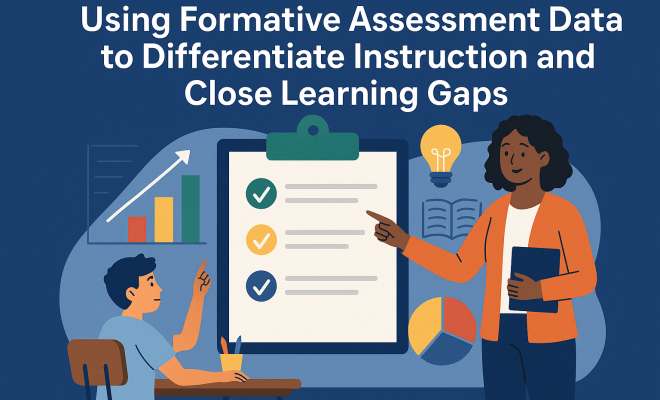
Utilizing formative assessment data is key to successful differentiation. By understanding where each student stands in their learning journey, educators can customize tasks, adjust teaching strategies, and implement targeted interventions. For example, a teacher might use formative assessment to discover that a group of students struggles with a particular concept. In response, they can design small-group instruction focused on that specific area, while other students engage in more advanced work.
Identifying Learning Gaps
One of the primary objectives of formative assessment is to identify learning gaps. These gaps can arise from various factors, including prior knowledge, learning disabilities, or even socio-economic constraints. Formative assessments provide real-time data that helps teachers spot these gaps before they become entrenched.
For instance, using periodic quizzes or informal checks for understanding enables teachers to measure student grasp of concepts continuously. If a significant number of students miss questions on a specific topic, this signals the need for revisiting that material. In this way, formative assessment helps prevent the accumulation of misunderstandings that could impede future learning.
Data-Driven Instruction
Data-driven instruction relies on the systematic use of assessment data to inform teaching decisions and strategies. Formative assessment data serves as a cornerstone of this approach. By collecting and analyzing data, teachers can make informed choices about when to modify their instruction, how to group students, and which resources to deploy.
Educational technology has enhanced the capacity for data collection and analysis. Tools such as Google Classroom, Kahoot!, and formative assessment platforms like Socrative allow teachers to gather feedback instantly and visualize data trends. This immediate access to information empowers educators to respond quickly and effectively to student needs.
Strategies for Effective Use of Formative Assessment
Implementing formative assessment effectively requires intentionality and strategy. Here are several best practices that educators can adopt:
- Set Clear Learning Goals: Establishing specific learning objectives helps both teachers and students understand what is expected. When students know the goals, they can better gauge their progress.
- Use Varied Assessment Methods: Incorporating a mix of assessment types ensures that all student learning styles are addressed. This may include traditional tests, project-based assessments, and verbal feedback.
- Provide Timely Feedback: Feedback should be constructive and prompt, allowing students to make necessary adjustments in real-time. Quick turnaround on assessments increases their effectiveness.
- Encourage Student Reflection: Foster a culture of self-assessment where students analyze their performance and identify areas for improvement. This promotes ownership of their learning journey.
- Collaborate with Colleagues: Sharing strategies and insights with fellow educators can lead to new ideas and practices regarding formative assessments.
Creating a Responsive Classroom Environment
A responsive classroom is one where teachers adapt their practices based on student needs, as revealed through formative assessments. This adaptability can manifest in various ways, including adjusting lesson pacing, providing additional resources, or offering alternate pathways for learning. (See: Formative Assessment by the U.S. Department of Education.)
For example, if a teacher identifies that a student excels in reading comprehension but struggles with math concepts, they might provide advanced reading materials while offering additional math support. This individualized approach helps maintain engagement and promotes progress across all subjects.
The Role of Technology
Incorporating technology into formative assessment practices can streamline the process and enhance data collection. Many educational platforms offer features that allow real-time feedback and data analytics, making it easier for teachers to identify trends and gaps in student learning.
For instance, platforms like Edmodo and Nearpod enable teachers to create interactive assessments that can be completed on student devices. This not only makes the process more engaging but also allows for immediate insights into student performance. Teachers can analyze this data to inform their next steps in instruction.
Challenges in Implementing Formative Assessment
Despite its benefits, there are challenges to effectively implementing formative assessment in the classroom. Some educators may feel overwhelmed by the amount of data available or unsure how to interpret it effectively. Additionally, time constraints often limit the frequency of assessments and the subsequent data analysis.
Overcoming these challenges requires professional development and a commitment to fostering a culture of continuous improvement. Schools can support teachers by offering training on formative assessments, encouraging collaboration, and creating structured time for data analysis. When educators feel confident in their ability to use formative assessment data, they can make better instructional decisions.
Examples of Successful Implementation
Numerous schools and districts have successfully integrated formative assessment into their instructional practices. One notable example comes from a district in North Carolina that adopted a comprehensive formative assessment strategy across all grade levels. This initiative involved training teachers on best practices and using data to inform their instruction. The result was a significant increase in student achievement on standardized tests, showcasing how targeted instruction can lead to tangible improvements.
Another compelling case comes from a middle school in California that implemented regular formative assessments in their math curriculum. By using weekly quizzes, the teachers were able to identify specific areas where students struggled, leading to tailored interventions. Over the course of a school year, the school saw a marked increase in math proficiency among students.
The Future of Formative Assessment
The ongoing evolution of educational practices suggests that formative assessment will continue to play a critical role in shaping instruction. As we further embrace technology in education, the potential for innovative assessment methods will expand. Adaptive learning technologies, which adjust content based on real-time student performance, are just one example of how formative assessment can become more sophisticated.
Moreover, research in education continues to shed light on the best practices for formative assessment, providing educators with evidence-based strategies to enhance their teaching. The future of formative assessment looks promising, with the potential to create more equitable learning environments and close learning gaps effectively.
Expanding the Scope of Formative Assessment
While formative assessment primarily focuses on academic achievement, its scope can extend into other areas such as social-emotional learning (SEL) and critical thinking skills. Assessing how students navigate challenges, interact with their peers, or solve problems creatively can provide invaluable insights into their overall development. For example, teachers can use reflective journals or peer-assessment sessions to gauge students’ collaborative skills and emotional intelligence.
Incorporating SEL into formative assessment can help educators understand the emotional landscape of their classrooms. This understanding can guide teachers in providing support that caters not just to cognitive learning but also to nurturing interpersonal skills and resilience in students. The intersection of academic and emotional assessments creates a holistic view of student progress.
Formative Assessment in Remote Learning
The rise of online education has brought unique challenges and opportunities for formative assessment. In virtual classrooms, teachers must adapt their assessment strategies to ensure they still gather meaningful data about student learning. Tools like Google Forms, Zoom breakout rooms, and interactive quizzes can help maintain the integrity of formative assessments in a remote setting.
For example, educators can implement virtual exit tickets at the end of an online class to gauge student understanding. Additionally, breakout rooms allow for small-group discussions where teachers can observe and assess students’ collaborative skills and understanding of the material in real-time. Embracing technology in this way can lead to innovative formative assessment methods that enhance remote learning experiences. (See: Learning Assessments from NIH.)
Statistics and Research on Formative Assessment Effectiveness
Numerous studies emphasize the positive impact of formative assessment on student achievement. According to a meta-analysis conducted by the Education Endowment Foundation, formative assessment has an average impact of eight months’ additional progress over a school year. This substantial evidence highlights the necessity of integrating formative assessments into teaching practices.
Further research indicates that when teachers implement formative assessments consistently, students show greater engagement and motivation. A study from the University of Virginia revealed that students who received regular feedback through formative assessments were 30% more likely to demonstrate improved understanding of complex subjects compared to their peers who did not receive such feedback.
Expert Perspectives on Formative Assessment
Leading educators and researchers advocate for the transformative power of formative assessment in the classroom. Dr. Dylan Wiliam, a renowned expert in education, emphasizes that formative assessment is not just about testing; it’s about harnessing feedback for learning. He argues that “the most powerful form of assessment is that which takes place during learning, not after it.” His perspective aligns with the philosophy that assessment should inform instruction and provide students with the tools they need to improve.
Similarly, Dr. Susan Brookhart, an expert in educational assessment, notes that formative assessment should be seen as a collaborative process between teachers and students. She encourages educators to view formative assessments as opportunities for dialogue, where students actively engage in their learning journey and take ownership of their educational experiences.
FAQ on Formative Assessment
What is the main purpose of formative assessment?
The primary goal of formative assessment is to monitor student learning and provide ongoing feedback that can be used to enhance teaching and learning. It aims to identify student strengths and areas where they need additional support, allowing teachers to adjust their instruction accordingly.
How frequently should formative assessments be conducted?
There isn’t a one-size-fits-all answer to this question, as the frequency of formative assessments can depend on various factors, including the subject matter and the pace of the curriculum. However, regular assessments—such as weekly quizzes, discussion prompts, or exit tickets—can provide consistent data on student progress and understanding.
What types of formative assessments are most effective?
Effective formative assessments can vary widely and may include quizzes, peer assessments, self-reflections, observations, and interactive discussions. The key is to use diverse assessment methods that cater to different learning styles and provide comprehensive insights into student understanding.
Can formative assessment be used in higher education?
Absolutely! Formative assessment is beneficial at all education levels, including higher education. College instructors can utilize methods like quizzes, group projects, and student presentations to gather ongoing feedback and adjust their teaching strategies to enhance learning outcomes for their students.
Can technology aid in formative assessment?
Yes! Technology can significantly enhance formative assessment practices by providing tools for instant feedback and data collection. Platforms like Google Classroom and Kahoot! allow for interactive assessments, while data analytics tools help teachers identify trends and gaps in understanding efficiently.
New Directions in Formative Assessment
The landscape of formative assessment is constantly evolving, and innovative practices are emerging alongside advancements in educational technology. One such trend is gamification, which integrates game-like elements into assessments to enhance engagement and motivation. By incorporating point systems, leaderboards, and rewards, teachers can create a competitive yet supportive environment that fosters learning.
Additionally, the use of digital portfolios is becoming increasingly popular. By allowing students to showcase their work and reflect on their learning journey, digital portfolios provide a comprehensive view of student progress over time. This approach not only enhances self-assessment but also encourages students to take pride in their achievements.
Creating a Culture of Assessment Literacy
Building a culture of assessment literacy among students is crucial for the effective implementation of formative assessments. Educators should teach students how to interpret assessment data and use feedback to improve their learning. This involves providing training on setting personal learning goals and understanding the assessment criteria. When students have a better grasp of formative assessments, they become more proactive in their education, leading to enhanced learning outcomes.
Workshops and discussions about assessment literacy can play a significant role in empowering students. Schools can introduce programs that explain the purpose of assessments and how to use them effectively. As students learn to navigate their learning data more competently, they will likely become more engaged and responsible learners.
Addressing Diversity and Equity through Formative Assessment
Formative assessment can play a pivotal role in addressing diversity and equity in the classroom. It provides educators with the insights necessary to recognize the unique learning needs of all students, including those from diverse backgrounds, English language learners, and students with disabilities. By tailoring assessments to meet these varied needs, teachers can create more inclusive learning environments.
For instance, using differentiated tasks that allow students to demonstrate their knowledge in multiple ways—such as through visual projects, oral presentations, or written reflections—can ensure that all students have the opportunity to succeed. By being intentional with formative assessments, educators can work towards closing achievement gaps and fostering equity in education.
Professional Development for Educators
To fully realize the potential of formative assessment, ongoing professional development for educators is essential. Training sessions should focus on practical strategies for implementing formative assessments, analyzing data, and using feedback to inform instruction. Collaborating with peers through professional learning communities can also enhance teachers’ understanding and capabilities in this area.
Engaging educators in discussions on the alignment of formative assessments with curriculum standards is another critical aspect. By ensuring that assessments are not only frequent but also relevant to learning objectives, teachers can maximize their effectiveness and reinforce student learning.
Conclusion
Successfully utilizing formative assessment data to differentiate instruction and close learning gaps is a powerful strategy for educators. By embracing the principles of formative assessment, teachers can create responsive classrooms that cater to the unique needs of each student. The emphasis on data-driven instruction not only enhances learning outcomes but also fosters a culture of continuous improvement in education. As we look ahead, it is clear that formative assessment will remain a cornerstone of effective teaching and learning.
“`
Trending Now
- “Phonological Awareness Intervention Programs: What Works for Struggling Readers?”
- “Should My Child Attend TK or Wait for Kindergarten? A Decision-Making Guide for Parents”
- this guide on “why phonological awareness predicts reading success better than letter knowledge”
- read the full story
Frequently Asked Questions
What is formative assessment and why is it important?
Formative assessment is a range of tools and strategies used by educators to monitor student learning and provide ongoing feedback. It is important because it helps identify areas where students struggle, allowing teachers to adjust their instruction to better meet diverse learning needs.
How can formative assessment data be used to differentiate instruction?
Formative assessment data allows teachers to pinpoint specific learning needs of students. By analyzing this data, educators can tailor their instruction to accommodate different abilities and learning styles, ensuring that all students receive the support they need to succeed.
What are some examples of formative assessment techniques?
Examples of formative assessment techniques include quizzes, exit tickets, peer reviews, and classroom discussions. These methods provide valuable insights into student understanding and progress, enabling teachers to make informed instructional decisions.
Why is differentiation important in the classroom?
Differentiation is crucial in education because it tailors instruction to meet the unique backgrounds, abilities, and interests of each student. This personalized approach can lead to improved learning outcomes by addressing individual differences more effectively.
How does formative assessment contribute to closing learning gaps?
Formative assessment contributes to closing learning gaps by providing ongoing feedback that helps educators identify specific areas where students need additional support. This allows for timely adjustments in instruction, ensuring that all students can progress and succeed.
Have you experienced this yourself? We’d love to hear your story in the comments.