Positive Behavior Support & Conscious Discipline: A Powerful Connection
“`html
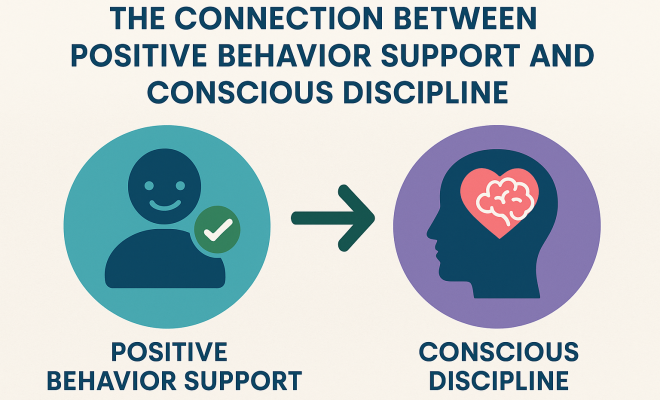
The landscape of education is continually evolving, and educators are increasingly recognizing the importance of fostering positive environments for students. Two approaches gaining traction in this regard are Positive Behavior Support (PBS) and Conscious Discipline. While they originate from different philosophies, these frameworks share common goals and principles, making them effective tools for promoting students’ emotional and behavioral health. This article will explore the connection between Positive Behavior Support and Conscious Discipline, delving into their backgrounds, key elements, practical applications, and current relevance in educational settings.
Understanding Positive Behavior Support
Positive Behavior Support is an evidence-based framework aimed at improving student behavior through proactive strategies, teaching appropriate social behaviors, and creating supportive environments. PBS emerged in the 1990s as a response to traditional punitive disciplinary measures that often failed to address the underlying causes of behavioral issues.
The PBS approach is built on three tiers of intervention:
- Tier 1: Universal interventions for all students, focusing on teaching expected behaviors and creating a positive school climate.
- Tier 2: Targeted interventions for students who need additional support, often involving small-group strategies.
- Tier 3: Intensive interventions for individual students with significant behavioral challenges, tailored to their specific needs.
Research has shown that PBS can lead to improved student behavior, increased academic performance, and enhanced social skills. Furthermore, it involves data collection and analysis to identify behavioral trends and inform decision-making, ensuring that interventions are responsive to the unique needs of students.
The Foundations of Conscious Discipline
Developed by Dr. Becky Bailey in the 1990s, Conscious Discipline is a comprehensive, trauma-informed approach to social-emotional learning, discipline, and self-regulation. Unlike traditional discipline methods that often focus on control and punishment, Conscious Discipline emphasizes connection, safety, and problem-solving. The ultimate goal is to create a compassionate learning environment where students can thrive.
Conscious Discipline is built on four key components:
- Safety: Establishing a physically and emotionally safe environment for students.
- Connection: Building strong relationships between educators and students, fostering trust and collaboration.
- Problem-Solving: Teaching students how to manage conflicts and express emotions constructively.
- Self-Regulation: Equipping students with tools and strategies to manage their feelings and behaviors effectively.
These principles align well with PBS, as both frameworks prioritize the emotional and behavioral needs of students rather than simply focusing on compliance.
Common Goals and Philosophies
At their core, Positive Behavior Support and Conscious Discipline share a commitment to fostering positive behavioral outcomes and emotional well-being in students. Both frameworks operate on the understanding that students learn best within a supportive and nurturing environment. They also stress the importance of teaching appropriate behaviors rather than merely punishing unwanted ones.
Another commonality is their focus on prevention. PBS and Conscious Discipline prioritize proactive strategies designed to address behavioral issues before they escalate. This is particularly crucial in today’s educational context, where many students face challenges resulting from trauma, stress, and external pressures.
Moreover, both approaches emphasize the importance of community. They encourage the involvement of families, educators, and students in the development and implementation of behavior management strategies. This collaborative approach is essential for creating a cohesive support system that promotes positive outcomes.
Integrating Positive Behavior Support and Conscious Discipline
The integration of Positive Behavior Support and Conscious Discipline can lead to more effective outcomes in schools. By combining the proactive strategies of PBS with the relational and emotional focus of Conscious Discipline, educators can create a holistic approach to student behavior and emotional well-being.
For instance, schools implementing PBS can incorporate Conscious Discipline’s strategies for emotional regulation into their curriculum. This might involve teaching students to identify their feelings, practice mindfulness, and develop coping strategies during moments of stress. Such skills are essential for students to navigate their emotions effectively, which can, in turn, reduce behavior problems.
Additionally, the data-driven approach of PBS can enhance the implementation of Conscious Discipline. By analyzing behavioral data, educators can identify specific areas where students struggle and tailor Conscious Discipline strategies accordingly. For example, if data reveals that many students are struggling with anger management, educators can incorporate targeted lessons on emotional regulation into their Conscious Discipline framework. (See: CDC on positive behavior support.)
Practical Strategies for Implementation
Successfully integrating Positive Behavior Support and Conscious Discipline requires a thoughtful approach that considers the unique needs of each school community. Here are several practical strategies educators can use to implement these frameworks effectively:
- Conduct Professional Development: Provide training for educators on both PBS and Conscious Discipline principles, ensuring they have a clear understanding of how to apply these strategies in their classrooms.
- Create a Shared Language: Establish a common vocabulary related to behavior management, emotional regulation, and conflict resolution. This will help foster consistency among staff and students.
- Involve Families: Engage parents and caregivers in the process by providing resources and workshops that explain the principles of PBS and Conscious Discipline. This ensures that families are on board and can reinforce these strategies at home.
- Develop Clear Expectations: Create a set of clear behavioral expectations that align with both PBS and Conscious Discipline. Ensure that students understand these expectations and how to meet them.
- Utilize Data: Regularly collect and analyze behavioral data to assess the effectiveness of interventions and make necessary adjustments. This data-informed approach will help educators remain responsive to students’ needs.
Incorporating these strategies can help schools create a more positive and supportive environment for all students, fostering their social-emotional growth while addressing behavioral challenges.
The Impact on Student Outcomes
The combined application of Positive Behavior Support and Conscious Discipline has the potential to significantly improve student outcomes. Research indicates that schools that adopt these frameworks experience reductions in disciplinary incidents, improved academic performance, and enhanced overall school climate.
For instance, a study conducted in a Midwestern school district found that implementing PBS led to a 50% decrease in behavioral referrals within the first year. When Conscious Discipline was introduced alongside PBS, the school noted further improvements in students’ social-emotional skills, including increased empathy and better conflict-resolution abilities.
Moreover, as students learn to regulate their emotions and behaviors, they become more engaged in their learning. This heightened engagement often translates into better academic performance and higher levels of motivation. Schools that prioritize these approaches witness not only improved behavior but also a culture of collaboration, respect, and support.
Challenges to Integration
While the integration of Positive Behavior Support and Conscious Discipline offers many benefits, it is not without challenges. One significant hurdle is the need for ongoing training and support for educators. Teachers may initially struggle to adapt their practices and mindsets to align with these frameworks, particularly if they have been trained in traditional, punitive approaches to discipline.
Another challenge is the potential for resistance from staff, students, or families. Some may be skeptical about the effectiveness of these approaches, particularly if they have not experienced success with similar initiatives in the past. Building a culture of trust and collaboration will take time and dedication from school leaders and educators.
Additionally, resource allocation can pose a challenge. Implementing PBS and Conscious Discipline may require funding for training, materials, and ongoing support. School districts must commit to investing in these initiatives to see long-term positive outcomes.
Current Relevance in Today’s Educational Climate
In the wake of the COVID-19 pandemic, the relevance of Positive Behavior Support and Conscious Discipline has only increased. Many students are returning to school facing heightened anxiety, trauma, and behavioral challenges. Schools must address these issues through compassionate and supportive frameworks.
As educators navigate the complexities of post-pandemic education, the need for emotional support and positive behavior strategies is more pressing than ever. Schools that embrace these approaches will be well-equipped to meet the needs of their students, fostering resilience and emotional intelligence in an increasingly challenging world.
Positive Behavior Support: Evidence-Based Practices
One of the strengths of Positive Behavior Support is its foundation in research and evidence-based practices. Numerous studies demonstrate that PBS can lead to significant improvements in student outcomes. For instance, a 2019 meta-analysis of PBS interventions showed a substantial reduction in problem behaviors across different educational settings. The data suggested that schools that implemented PBS frameworks saw an average reduction of 30-40% in suspensions and expulsions.
Additionally, a longitudinal study tracking schools that had adopted PBS over several years revealed sustained improvements not only in behavior but also in student academic performance. Schools reported increases in test scores, higher graduation rates, and improved attendance figures, all linked to the systematic implementation of PBS strategies.
The focus on data collection and analysis within PBS allows educators to continuously adapt their strategies. Schools that routinely monitor behavioral incidents can adjust their interventions to meet students’ evolving needs, making PBS a dynamic and responsive approach to behavior management.
Conscious Discipline: Real-Life Applications
Conscious Discipline isn’t just a theoretical framework; it’s practiced in classrooms across the country. Many educators have successfully implemented the program’s strategies in various settings, showing that it can work for students of all ages and backgrounds. For example, a middle school in California reported a transformation in school culture after adopting Conscious Discipline. Teachers began using “Safe Place” spaces in their classrooms where students could go to regulate their emotions when they felt overwhelmed. The results included not only a drop in behavior referrals but also an increase in positive peer interactions. (See: NIH on behavioral interventions.)
In another instance, a preschool in Texas utilized Conscious Discipline principles to improve its approach to conflict resolution. By teaching young children how to express their feelings and resolve disagreements, they significantly reduced the frequency of fights and emotional outbursts on the playground. This approach not only helped children develop essential social skills but also created a more harmonious environment for both students and teachers.
Comparative Benefits of PBS and Conscious Discipline
Understanding the benefits of PBS and Conscious Discipline can help schools choose the best strategies for their contexts. While both frameworks aim to improve student behavior and emotional health, their methods and focuses have unique advantages. PBS’s structured tiered approach allows for tailored interventions based on students’ specific needs. It provides a clear pathway for addressing behavior issues and offers a systematic way to track progress.
On the other hand, Conscious Discipline places a strong emphasis on the emotional and relational aspects of education. By focusing on relationship-building and self-regulation, it prepares students not just to behave appropriately but to understand their emotions and develop empathy for others. This emotional intelligence is crucial in today’s collaborative work environments and can significantly contribute to student success beyond their school years.
Ultimately, the combination of both frameworks can provide a comprehensive approach to behavior management, addressing both the structural needs of schools through PBS and the emotional needs of students through Conscious Discipline.
Frequently Asked Questions (FAQ)
What is Positive Behavior Support?
Positive Behavior Support (PBS) is an evidence-based framework designed to improve student behavior through proactive interventions, teaching appropriate social behaviors, and fostering supportive learning environments.
How is Conscious Discipline different from traditional discipline methods?
Conscious Discipline differs from traditional discipline methods by emphasizing connection, safety, and emotional regulation instead of control and punishment. It focuses on teaching students how to manage their emotions and resolve conflicts constructively.
Can PBS and Conscious Discipline be implemented together?
Yes, integrating PBS and Conscious Discipline can enhance outcomes by combining the proactive strategies of PBS with the emotional focus of Conscious Discipline, creating a holistic support system for students.
What types of data should schools collect to implement PBS effectively?
Schools should collect data on behavioral incidents, attendance, academic performance, and social-emotional skills. Analyzing this data helps identify trends and inform interventions tailored to students’ needs.
What are some challenges schools face when implementing these frameworks?
Challenges include the need for ongoing professional development, potential resistance from staff or families, and resource allocation for training and materials. Overcoming these hurdles requires support from school leadership and a commitment to the frameworks.
How can families support Positive Behavior Support and Conscious Discipline at home?
Families can support these frameworks by learning about the principles and strategies of PBS and Conscious Discipline, reinforcing positive behaviors, and communicating openly with educators about their children’s progress.
The Future of Positive Behavior Support and Conscious Discipline
As education continues to evolve, the relevance of Positive Behavior Support and Conscious Discipline will likely grow. The ongoing challenges faced by students necessitate frameworks that prioritize emotional well-being and proactive behavior management. As schools increasingly recognize the importance of mental health, integrating these approaches into curricula and school policies will be essential.
Future research will undoubtedly explore more innovative applications of PBS and Conscious Discipline, possibly leading to new strategies and techniques that further enhance student outcomes. Additionally, technology may play a role in these frameworks, allowing educators to track behaviors and interventions more effectively through digital platforms.
By continuing to adapt and innovate, educators can ensure that both Positive Behavior Support and Conscious Discipline remain relevant tools in fostering positive school environments that support all students.
Conclusion: A Path Forward
The connection between Positive Behavior Support and Conscious Discipline is a promising one, offering schools a comprehensive framework for addressing student behavior and emotional health. By prioritizing prevention, emotional regulation, and relationship-building, educators can create a supportive and positive learning environment.
As schools continue to face the challenges of today’s educational climate, integrating these approaches is not just a beneficial option; it’s essential for cultivating the well-rounded, emotionally competent students of tomorrow. With commitment, training, and collaboration, educators can transform their classrooms and foster a brighter future for all students.
Expanding the Role of Positive Behavior Support
As we dive deeper into the applications of Positive Behavior Support, it’s essential to recognize its versatility and adaptability across various educational contexts. PBS is not limited to traditional classroom settings; its principles can be effectively applied in alternative educational settings, special education programs, and even extracurricular activities. For example, after-school programs implementing PBS frameworks have reported better student engagement and fewer disciplinary issues, showcasing how these strategies extend beyond the school day.
Furthermore, the application of PBS can also be seen in the realm of school-wide initiatives. Schools that implement PBS are often recognized for their positive school climate. A striking example is a high school in Florida that integrated PBS across all grade levels, resulting in a 60% reduction in suspension rates over two years. The entire school community embraced the PBS framework, creating a culture where students feel valued and understood.
Success Stories and Case Studies
Real-life success stories often illuminate the effectiveness of Positive Behavior Support in action. One compelling case study comes from a small elementary school that faced significant behavioral challenges. By implementing PBS strategies, the school created a tiered intervention system that included regular staff training, student workshops, and parent engagement sessions. Within a year, the school reported a 70% decrease in office referrals and a notable improvement in student-teacher relationships, illustrating the profound impact PBS can have on school culture.
Another example can be found in a district that adopted PBS across multiple schools. The district implemented monthly data reviews to track the effectiveness of their interventions, allowing for real-time adjustments based on student needs. As a result, not only did they see improvements in behavior, but academic performance also soared, with a 15% increase in standardized test scores across the board. These stories underscore the transformative potential of PBS when applied thoughtfully and consistently.
Enhancing Cultural Competence in Education
As schools become increasingly diverse, enhancing cultural competence through Positive Behavior Support becomes a crucial focus. PBS frameworks can be tailored to honor and respect the cultural backgrounds of all students, fostering an inclusive environment. Educators can engage with students’ families to understand their values and beliefs, integrating this knowledge into the PBS strategies employed in the classroom. For instance, a school in a multicultural district created a behavior expectation matrix that reflected the cultural norms of its students, leading to better engagement and understanding between staff and students.
Working collaboratively with community leaders and cultural organizations can also enhance the effectiveness of PBS. Schools that actively seek input from their communities can build trust and tailor their approaches to better serve their diverse student bodies. This collaborative effort not only improves student behavior but also strengthens the overall school community.
Conclusion: The Path Ahead for Educators
Looking ahead, educators must remain committed to evolving their approaches to behavior support. As research continues to emerge on the benefits of Positive Behavior Support and its integration with Conscious Discipline, schools have a unique opportunity to forge ahead into a future where all students are equipped with the skills they need to succeed socially and academically. By nurturing a culture of empathy, understanding, and proactive support, educators can positively impact the lives of their students and create educational environments that are not only conducive to learning but also to the development of well-rounded, emotionally intelligent individuals.
“`
Trending Now
Frequently Asked Questions
What is the connection between Positive Behavior Support and Conscious Discipline?
Positive Behavior Support (PBS) and Conscious Discipline both aim to foster positive environments in educational settings. While PBS focuses on proactive strategies and tiered interventions to improve student behavior, Conscious Discipline emphasizes emotional intelligence and self-regulation. Together, they provide complementary approaches to enhance students' emotional and behavioral health.
How does Positive Behavior Support work in schools?
Positive Behavior Support operates through a three-tiered intervention model. Tier 1 involves universal strategies for all students, Tier 2 provides targeted support for those needing extra help, and Tier 3 offers intensive interventions for individuals facing significant behavioral challenges. This structured approach helps create a positive school climate and encourages appropriate social behaviors.
What are the key principles of Conscious Discipline?
Conscious Discipline is built on the principles of safety, connection, and problem-solving. It teaches educators to cultivate emotional intelligence and self-regulation in students, helping them manage their emotions and behaviors. The approach integrates social-emotional learning with discipline, creating a supportive environment that fosters resilience and positive relationships.
What are the benefits of using Positive Behavior Support?
Implementing Positive Behavior Support can lead to numerous benefits, including improved student behavior, enhanced academic performance, and better social skills. By focusing on proactive strategies and data-driven interventions, PBS helps create a more supportive and effective educational environment tailored to students' individual needs.
How can educators implement Conscious Discipline in the classroom?
Educators can implement Conscious Discipline by integrating its principles into daily routines, fostering a safe and nurturing environment. This includes teaching emotional regulation skills, promoting positive relationships, and using structured problem-solving techniques. Training and ongoing support are essential for educators to effectively apply Conscious Discipline principles in their classrooms.
What did we miss? Let us know in the comments and join the conversation.