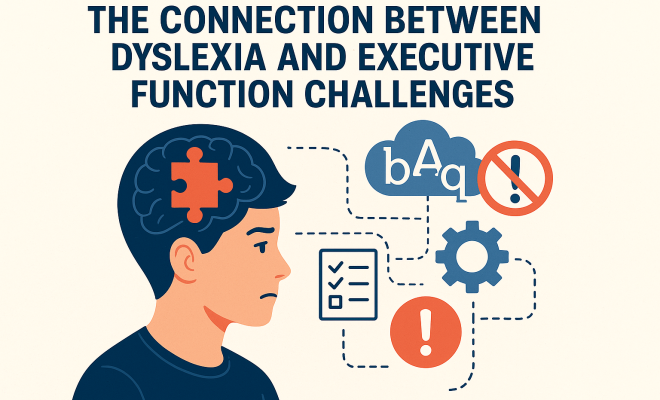
Dyslexia & Executive Function: Unraveling the Connection
“`html
Dyslexia, a common learning disability that affects reading and language processing, is often misunderstood. While many associate it primarily with difficulties in reading, recent research sheds light on another aspect of dyslexia that is equally crucial: its relationship with executive function challenges. Understanding this connection can reshape how educators and parents approach support for individuals with dyslexia, ultimately leading to more effective strategies for learning.
What is Dyslexia?
Dyslexia is characterized by difficulties with accurate and/or fluent word recognition and by poor spelling and decoding abilities. It is a specific learning disability that stems from a deficit in the phonological component of language, which can result in a range of challenges in reading comprehension, writing, and spelling. According to the International Dyslexia Association, dyslexia affects 15% to 20% of the population, making it one of the most prevalent learning disabilities.
Despite its prevalence, dyslexia is often mischaracterized as a lack of intelligence or effort. In reality, individuals with dyslexia often possess average or above-average intelligence. The differences lie not in cognitive ability but in the way their brains process written language.
Understanding Executive Function
Executive function refers to a set of cognitive processes that are essential for controlling behavior and managing oneself in various tasks. These functions include planning, organization, time management, working memory, and cognitive flexibility. Executive function skills enable individuals to set goals, create strategies to achieve those goals, and adjust their plans as necessary.
Research indicates that executive function is critical for success in both academic and everyday settings. Children and adults with executive function challenges may struggle with completing tasks, following instructions, and maintaining focus, which can affect their overall academic performance and quality of life.
The Connection Between Dyslexia and Executive Function Challenges
Studies have increasingly highlighted the overlap between dyslexia and executive function challenges. Many individuals with dyslexia exhibit difficulties with executive function, which can exacerbate their struggles with reading and writing. A meta-analysis published in the journal Child Development found that children with dyslexia often display deficits in various executive function skills, including working memory and inhibition.
For instance, a 2019 study by McKinsey et al. found that dyslexic students performed significantly lower on tasks requiring cognitive flexibility, which is necessary for adapting to new information or changing strategies when faced with obstacles. This deficiency can lead to frustration and a decline in self-esteem, as students may feel overwhelmed by their inability to keep pace with their peers.
Key Executive Function Skills Affected by Dyslexia
Several specific executive function skills can be particularly impacted in individuals with dyslexia:
- Working Memory: This skill is crucial for holding onto information while performing complex tasks. For dyslexic learners, challenges with working memory can hinder their ability to follow multi-step instructions or retain information from one moment to the next.
- Inhibition: Inhibition refers to the ability to control impulses and delay gratification. Dyslexic individuals may find it difficult to resist distractions, which can compromise their focus during reading tasks.
- Cognitive Flexibility: This allows individuals to adjust their thinking and behavior in response to changing demands. Dyslexic learners may struggle to switch gears when encountering new or unexpected challenges, leading to frustration or avoidance.
- Planning and Organization: Dyslexia often correlates with difficulties in organizing thoughts and materials. This can manifest in messy notebooks or disorganized study schedules, complicating their ability to manage schoolwork effectively.
Real-World Implications of Dyslexia and Executive Function Challenges
The implications of the connection between dyslexia and executive function challenges are far-reaching. In educational settings, these challenges can create a cycle of academic failure. When students struggle with reading due to dyslexia, their executive function difficulties can hinder their ability to effectively engage with the material, complete assignments, and demonstrate their understanding.
A 2018 study by the National Center for Learning Disabilities found that students with both dyslexia and executive function challenges were at a higher risk of academic underachievement and lower self-esteem. The research emphasizes the importance of early identification and intervention to prevent long-term negative outcomes.
Strategies for Supporting Individuals with Dyslexia and Executive Function Challenges
Understanding the link between dyslexia and executive function challenges allows educators and parents to implement targeted strategies to support students effectively. Here are several practical approaches: (See: National Institute of Child Health and Human Development on Dyslexia.)
- Structured Routines: Establishing consistent routines can help students with dyslexia manage their time and stay organized. Incorporate visual schedules and checklists to provide structure in their daily activities.
- Multi-Sensory Learning: Engaging multiple senses in the learning process can enhance memory retention and understanding. Techniques such as using colored overlays for reading or incorporating physical activities into lessons can be beneficial.
- Break Tasks into Smaller Steps: Instead of overwhelming students with large assignments, break tasks into manageable chunks. This can help reduce anxiety and make it easier for students to focus on completing each part.
- Personalized Instruction: Tailoring instruction to meet the specific needs of students can improve their engagement and comprehension. This may include using assistive technology or providing accommodations like extra time on tests.
The Role of Technology in Supporting Dyslexia and Executive Function
With the rapid advancement of technology, there are now numerous tools available that can aid individuals with dyslexia and executive function challenges. Software and applications designed for reading assistance can provide text-to-speech capabilities, making it easier for dyslexic learners to access written material.
Additionally, organizational apps can help students keep track of assignments, deadlines, and study schedules. For instance, apps like Evernote or Trello allow users to create lists and set reminders, which can significantly enhance their planning and organization skills.
Current Research and Future Directions
Ongoing research continues to explore the intricate relationship between dyslexia and executive function. Findings suggest that early interventions targeting executive function skills may improve outcomes for dyslexic individuals. A 2020 study published in Developmental Psychology highlighted the positive effects of executive function training on reading skills, indicating that enhancing these cognitive processes could lead to improved academic performance.
As the field advances, it’s essential to focus on comprehensive approaches that address both dyslexia and executive function. Collaboration among educators, psychologists, and parents can create a supportive environment that fosters growth and resilience in learners facing these challenges.
Advocating for Awareness and Support
Raising awareness about the connection between dyslexia and executive function challenges is vital. Many educators and parents may not fully understand how these two areas intersect, which can lead to inadequate support for students who need it most. Advocacy efforts should focus on promoting training for teachers, implementing evidence-based practices in the classroom, and encouraging open conversations about learning disabilities.
Furthermore, parents can play a critical role in advocating for their children’s needs. By understanding the challenges associated with dyslexia and executive function, they can collaborate more effectively with teachers and seek appropriate resources that can foster academic success.
Emotional and Psychological Considerations
Beyond the academic implications, the emotional and psychological effects of dyslexia and executive function challenges can be profound. Many individuals with these challenges experience increased levels of anxiety, low self-esteem, and feelings of inadequacy. The constant struggle with academic tasks can lead to withdrawal or avoidance behaviors, further complicating their educational journey.
Understanding these emotional aspects is crucial for developing effective support systems. Creating a safe and understanding environment where students can express their frustrations is important. Encouraging a growth mindset—where students view challenges as opportunities for learning—can help mitigate some of the negative psychological impacts.
Success Stories: Overcoming Dyslexia and Executive Function Challenges
While dyslexia and executive function challenges can be daunting, many individuals have found ways to succeed despite these obstacles. Inspirational stories abound of people who have excelled in various fields, using their unique perspectives and problem-solving skills to their advantage.
For example, renowned author J.K. Rowling has been open about her struggles with dyslexia, which she overcame through creativity and hard work. Her experience exemplifies how individuals can use their strengths to navigate challenges. Similarly, business leaders like Richard Branson have spoken about how dyslexia influenced their thinking and creativity, allowing them to innovate in their respective industries.
These success stories can serve as powerful motivators for students experiencing dyslexia and executive function challenges. They highlight that while the journey can be difficult, it is also possible to thrive and make significant contributions to society.
Comparative Analysis: Dyslexia vs. Other Learning Disabilities
Understanding dyslexia in the context of other learning disabilities provides a clearer picture of how executive function challenges manifest across different conditions. For instance, students with ADHD (Attention Deficit Hyperactivity Disorder) often face similar executive function issues, such as difficulties with attention regulation and impulse control.
However, dyslexia specifically affects language processing, which can lead to unique challenges in reading and writing that may not be present in other learning disabilities. This differentiation can guide tailored interventions. For example, while both dyslexic and ADHD students may benefit from structured environments, the techniques used might differ. Students with ADHD might require more immediate feedback and active engagement techniques, while dyslexic students may benefit extensively from phonics-based interventions and multi-sensory learning approaches.
Frequently Asked Questions (FAQ)
1. Can dyslexia be cured?
Dyslexia is a lifelong condition, but with appropriate interventions and support, individuals can learn to manage their symptoms effectively. Early identification and targeted strategies can significantly improve reading skills and academic performance.
2. Are executive function challenges exclusive to individuals with dyslexia?
No, executive function challenges can occur in various learning disabilities, including ADHD and autism spectrum disorders. However, the specific manifestations of these challenges may differ based on the underlying condition.
3. How can parents support their dyslexic children at home?
Parents can create a supportive home environment by providing structured routines, using multi-sensory learning activities, and encouraging open discussions about challenges and successes. Involving children in setting goals and recognizing their achievements, no matter how small, can bolster their confidence.
4. What role do schools play in supporting students with dyslexia?
Schools play a critical role by implementing individualized education plans (IEPs) and providing accommodations tailored to each student’s needs. Teacher training on dyslexia and executive function can also enhance effective support within the classroom.
5. Are there specific therapies that help with dyslexia and executive function challenges?
Yes, therapies such as cognitive-behavioral therapy (CBT) can help address anxiety and self-esteem issues, while specialized reading programs focus on phonics and reading comprehension. Executive function coaching can also be beneficial, helping individuals develop strategies to improve their organizational and planning skills.
6. How can understanding executive function improve teaching strategies for dyslexic students?
Understanding executive function enables educators to implement strategies that accommodate the specific needs of dyslexic students. For instance, teachers can create engaging lessons that incorporate breaks and allow for flexible learning paths, helping students better manage their focus and time.
7. What are some signs of executive function challenges in children with dyslexia?
Signs may include difficulty organizing tasks, trouble starting assignments, being easily distracted, forgetting instructions, and struggling to prioritize activities. Recognizing these signs early can lead to timely interventions.
8. How can community support systems assist individuals with dyslexia?
Community support systems, such as tutoring programs, support groups, and workshops, can provide additional resources for individuals with dyslexia and their families. They create a network of understanding and share effective strategies, fostering resilience and confidence.
9. Is there a genetic component to dyslexia and executive function challenges?
Research suggests a genetic component to dyslexia, with a higher likelihood of the condition appearing in families. Similarly, executive function challenges may have hereditary links, but environmental factors also play a significant role in their development.
10. What kinds of professional help are available for those struggling with these challenges?
Professionals such as educational psychologists, speech-language pathologists, and special education teachers can help diagnose and provide effective interventions for dyslexia and executive function challenges. They can develop personalized strategies and support systems tailored to individual needs.
Conclusion: Embracing Differences and Fostering Success
The connection between dyslexia and executive function challenges is a complex but essential area of study that has significant implications for education and support systems. By recognizing the interplay between these two areas, we can develop more effective strategies for helping individuals with dyslexia thrive academically and personally. Embracing differences and fostering resilience in learners will lead to a brighter future for those navigating the challenges of dyslexia and executive function difficulties.
Looking Ahead: The Importance of Research and Innovation
As we continue to learn about the relationship between dyslexia and executive function, it’s crucial to prioritize research that explores innovative interventions. By studying how various teaching methods, technologies, and therapeutic approaches can be combined, we can create a more holistic support network for individuals affected by these challenges.
Incorporating interdisciplinary research—drawing from education, psychology, neuroscience, and technology—will provide a comprehensive understanding of how best to approach these issues. For example, studies investigating the effects of mindfulness and self-regulation practices on executive function could offer new avenues for helping dyslexic individuals manage their cognitive load and emotional responses.
Moreover, advocating for more funding and resources in schools to implement evidence-based programs can lead to better outcomes for students with dyslexia and executive function challenges. By fostering an environment that prioritizes research-driven practices, we can help ensure that every learner has the opportunity to succeed.
The Role of Family and Community Engagement
Family and community engagement plays a vital role in supporting individuals with dyslexia and executive function challenges. Parents, siblings, and extended family members can create a supportive home environment that encourages learning and growth. It’s essential for families to communicate openly about the challenges and celebrate the successes, no matter how small they may seem.
Communities can further enhance support through awareness campaigns, workshops, and resources that inform families about dyslexia and executive function challenges. Local support groups can connect families with similar experiences, offering a platform for sharing strategies, advice, and emotional support. Together, these efforts can help create a network that empowers individuals with dyslexia to embrace their unique learning styles and thrive.
Building a Future of Inclusivity and Understanding
Inclusion and understanding must remain at the forefront of discussions around dyslexia and executive function challenges. As society continues to evolve, it is essential to foster an environment that values diversity in learning styles and recognizes the unique strengths of each individual. Educational institutions, workplaces, and communities should prioritize inclusivity, ensuring that people with dyslexia feel valued and supported.
By continuing to educate ourselves and others on the intricacies of dyslexia and executive function, we can challenge stereotypes and misconceptions surrounding these conditions. Promoting a culture of empathy, flexibility, and support will not only benefit those with dyslexia but enrich our communities as a whole.
“`
Trending Now
Frequently Asked Questions
What are the signs of dyslexia?
Signs of dyslexia include difficulties with reading fluency, decoding words, spelling, and reading comprehension. Individuals may also struggle with writing tasks and may exhibit challenges in organizing thoughts or following written instructions, which can be linked to their executive function challenges.
How does dyslexia affect executive function?
Dyslexia can impact executive function by making it difficult for individuals to plan, organize, and manage time effectively. These challenges can hinder their ability to complete tasks and follow through on assignments, which is crucial for academic success.
Can dyslexia be mistaken for a lack of intelligence?
Yes, dyslexia is often misperceived as a lack of intelligence or effort. In reality, individuals with dyslexia typically have average or above-average intelligence; their difficulties stem from how their brains process language rather than cognitive ability.
What is executive function and why is it important?
Executive function encompasses cognitive processes like planning, organization, and working memory. It is crucial for managing tasks, setting goals, and adapting strategies, which are essential skills for academic performance and daily living.
How can parents support a child with dyslexia?
Parents can support a child with dyslexia by providing structured routines, using visual aids, and encouraging the use of technology that aids reading. Additionally, fostering a supportive environment and collaborating with educators on tailored strategies can significantly help improve their learning experience.
What’s your take on this? Share your thoughts in the comments below — we read every one.