The Edvocate

Top Menu

Main Menu

  • Start Here
    • Our Brands
    • Governance
      • Lynch Education Consulting, LLC.
      • Dr. Lynch’s Personal Website
      • Careers
    • Write For Us
    • Books
    • The Tech Edvocate Product Guide
    • Contact Us
    • The Edvocate Podcast
    • Edupedia
    • Pedagogue
    • Terms and Conditions
    • Privacy Policy
  • PreK-12
    • Assessment
    • Assistive Technology
    • Best PreK-12 Schools in America
    • Child Development
    • Classroom Management
    • Early Childhood
    • EdTech & Innovation
    • Education Leadership
    • Equity
    • First Year Teachers
    • Gifted and Talented Education
    • Special Education
    • Parental Involvement
    • Policy & Reform
    • Teachers
  • Higher Ed
    • Best Colleges and Universities
    • Best College and University Programs
    • HBCU’s
    • Diversity
    • Higher Education EdTech
    • Higher Education
    • International Education
  • Advertise
  • The Tech Edvocate Awards
    • The Awards Process
    • Finalists and Winners of The 2026 Tech Edvocate Awards
    • Finalists and Winners of The 2025 Tech Edvocate Awards
    • Finalists and Winners of The 2024 Tech Edvocate Awards
    • Finalists and Winners of The 2023 Tech Edvocate Awards
    • Finalists and Winners of The 2021 Tech Edvocate Awards
    • Finalists and Winners of The 2022 Tech Edvocate Awards
    • Finalists and Winners of The 2020 Tech Edvocate Awards
    • Finalists and Winners of The 2019 Tech Edvocate Awards
    • Finalists and Winners of The 2018 Tech Edvocate Awards
    • Finalists and Winners of The 2017 Tech Edvocate Awards
    • Award Seals
  • Apps
    • GPA Calculator for College
    • GPA Calculator for High School
    • Cumulative GPA Calculator
    • Grade Calculator
    • Weighted Grade Calculator
    • Final Grade Calculator
  • The Tech Edvocate
  • Post a Job
  • AI Powered Personal Tutor

logo

The Edvocate

  • Start Here
    • Our Brands
    • Governance
      • Lynch Education Consulting, LLC.
      • Dr. Lynch’s Personal Website
        • My Speaking Page
      • Careers
    • Write For Us
    • Books
    • The Tech Edvocate Product Guide
    • Contact Us
    • The Edvocate Podcast
    • Edupedia
    • Pedagogue
    • Terms and Conditions
    • Privacy Policy
  • PreK-12
    • Assessment
    • Assistive Technology
    • Best PreK-12 Schools in America
    • Child Development
    • Classroom Management
    • Early Childhood
    • EdTech & Innovation
    • Education Leadership
    • Equity
    • First Year Teachers
    • Gifted and Talented Education
    • Special Education
    • Parental Involvement
    • Policy & Reform
    • Teachers
  • Higher Ed
    • Best Colleges and Universities
    • Best College and University Programs
    • HBCU’s
    • Diversity
    • Higher Education EdTech
    • Higher Education
    • International Education
  • Advertise
  • The Tech Edvocate Awards
    • The Awards Process
    • Finalists and Winners of The 2026 Tech Edvocate Awards
    • Finalists and Winners of The 2025 Tech Edvocate Awards
    • Finalists and Winners of The 2024 Tech Edvocate Awards
    • Finalists and Winners of The 2023 Tech Edvocate Awards
    • Finalists and Winners of The 2021 Tech Edvocate Awards
    • Finalists and Winners of The 2022 Tech Edvocate Awards
    • Finalists and Winners of The 2020 Tech Edvocate Awards
    • Finalists and Winners of The 2019 Tech Edvocate Awards
    • Finalists and Winners of The 2018 Tech Edvocate Awards
    • Finalists and Winners of The 2017 Tech Edvocate Awards
    • Award Seals
  • Apps
    • GPA Calculator for College
    • GPA Calculator for High School
    • Cumulative GPA Calculator
    • Grade Calculator
    • Weighted Grade Calculator
    • Final Grade Calculator
  • The Tech Edvocate
  • Post a Job
  • AI Powered Personal Tutor
  • High School Teachers, Try This! “Students Do the Teaching” Unit Plan

  • The Startling Truth About AI Tutors and Student Grades Revealed

  • 8 Potent Alternatives to AI Tutors That Will Skyrocket Student Engagement

  • The Hidden Downside: AI Tutors Tanked Student Grades – Here’s Why

  • The Silent Sabotage: Why AI Tutors Might Be Harming Student Success

  • The Staggering Hidden Costs of AI Job Displacement You Aren’t Being Told

  • The Game-Changing Online MBA Programs for AI Transition You Need to Know

  • 8 Critical Steps Graduates Must Take Now to Survive the AI Job Apocalypse

  • 7 Devastating Reasons AI Job Cuts Are Just Getting Started

  • Don’t Miss Out: The Critical Map to High-Paying Teaching Jobs in Connecticut’s 2026-27 Shortage Areas

Uncategorized
Home›Uncategorized›New ‘Doomsday’ Fossil Challenges Dinosaur Extinction Theories

New ‘Doomsday’ Fossil Challenges Dinosaur Extinction Theories
By Matthew Lynch
May 7, 2026
0
Spread the love

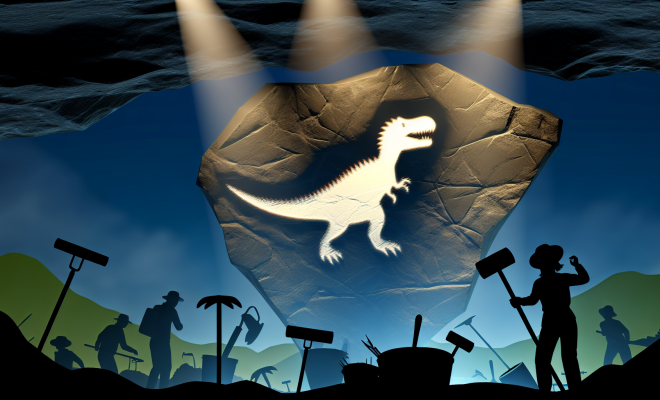
The recent discovery of a 65-million-year-old fossil bed in Montana has sent shockwaves through the paleontological community. A team led by renowned paleontologists Jonathan Calede and Elizabeth Hermsen published their findings in the Journal of Paleontology, unveiling what they have termed a ‘doomsday’ fossil that holds key evidence regarding the extinction event that wiped out the dinosaurs. The fossils preserved in this site provide a window into the catastrophic events following the Chicxulub asteroid impact, challenging long-standing theories about how and why these majestic creatures vanished.

The Chicxulub Impact: An Instant Cataclysm

Approximately 66 million years ago, a massive asteroid, roughly 10 kilometers wide, struck the Yucatán Peninsula in Mexico. This event, known as the Chicxulub impact, is widely recognized as the primary catalyst for the mass extinction that obliterated about 75% of all species on Earth, including the dinosaurs. The recent study reveals that this impact was not merely a localized event; it unleashed a series of devastating natural disasters that had far-reaching effects.

New Evidence from Iridium-Laced Sediments

The pristine fossil bed discovered by Calede and Hermsen is unique in its composition. It is enriched with iridium, a rare element often associated with extraterrestrial bodies, which aligns with the hypothesis of an asteroid impact. This iridium-laden sediment was found alongside shocked dinosaur remains—evidence that these animals experienced extreme conditions in the aftermath of the impact.

  • Iridium Presence: Iridium is typically scarce on Earth but abundant in asteroids.
  • Shock Metamorphism: The fossils exhibit evidence of extreme pressure and temperature changes.
  • Bone Shattering Patterns: 3D scans revealed that bone shattering patterns were caused by winds exceeding 1,000 mph.

Beyond Gradual Climate Change: Mega-Tsunamis and Firestorms

One of the most startling revelations from this study is the evidence of catastrophic mega-tsunamis and firestorms that followed the asteroid’s impact. The research suggests that rather than a gradual climate die-off, the dinosaurs faced an immediate and violent end. The findings indicate that:

  • Mega-tsunamis were generated from the impact, flooding coastal regions.
  • Fires ignited across the globe, potentially caused by debris raining down from the atmosphere.
  • Rapid climate changes occurred, with a steep drop in temperatures following the initial heating.

3D Scans: Visualizing the Apocalypse

The use of cutting-edge 3D scanning technology in this research has provided unprecedented insights into the fossilized remains. The scans vividly capture the destruction inflicted upon the dinosaur bones, showcasing the chaotic conditions that prevailed during the extinction event.

These visuals have resonated with the public, leading to their viral spread across social media platforms. In fact, the haunting images of the ‘apocalyptic’ landscape inhabited by the last dinosaurs were shared over 1.5 million times on Instagram Reels and Reddit. Celebrity engagements, including retweets from astrophysicist Neil deGrasse Tyson, have further amplified interest in this groundbreaking discovery.

The Cultural Impact of the Discovery

The fascination with dinosaurs is deeply embedded in popular culture. Films like Jurassic Park have intrigued audiences for decades, making the latest findings particularly timely. The release of the 3D scans and the accompanying research have tapped into this nostalgia while simultaneously presenting a fresh narrative about the demise of the dinosaurs. This convergence of science and popular culture has sparked discussions not only about the past but also about contemporary climate concerns.

Challenging Long-Held Theories

The revelations from this study challenge the previously held belief that the extinction of the dinosaurs was a slow process driven primarily by gradual climate change. Instead, the evidence points to an instantaneous and violent end. This has implications for our understanding of extinction events in general, as it pushes researchers to reconsider how quickly species can perish in the face of sudden environmental shifts.

The Broader Implications for Extinction Studies

Understanding the dynamics of past extinction events is crucial as we face the ongoing biodiversity crisis today. The catastrophic events following the Chicxulub impact serve as a stark reminder of how vulnerable ecosystems can be to sudden changes.

  • Rapid Extinction Risks: Current species face similar risks from climate change, habitat destruction, and other human-induced factors.
  • Lessons from the Past: The study emphasizes the need for proactive measures in conservation.

Conclusion: A New Chapter in Paleontology

The discovery of the doomsday fossil in Montana not only enriches our understanding of the events surrounding the dinosaur extinction but also ignites a broader conversation about the fragility of life on Earth. As the research team continues to analyze the findings, it is likely that further revelations will emerge, reshaping our understanding of extinction events both past and present.

In a world where climate change looms large, the lessons drawn from the extinction of the dinosaurs become increasingly relevant. The study invites us to reflect on the interconnectedness of life and the potential for catastrophic changes that can occur in a remarkably short time. Ultimately, the findings serve as a poignant reminder of the delicate balance within ecosystems and the urgent need for conservation efforts to protect the planet’s biodiversity.


Previous Article

US Cities Face Alarming Water Hardness Levels ...

Next Article

Dark Patterns in Social Media: Unmasking Digital ...

Matthew Lynch

Related articles More from author

  • Uncategorized

    Major Cyber Breaches Hit Government, Finance & Tech

    April 3, 2026
    By Matthew Lynch
  • Uncategorized

    This One Shift Could Revolutionize Your Job Search in the AI Market

    September 28, 2026
    By Matthew Lynch
  • Uncategorized

    Revealed: The Untold 9/11 Health Crisis Quietly Affecting a New Generation

    September 11, 2026
    By Matthew Lynch
  • Uncategorized

    This Breakthrough AI Cancer Treatment Obliterates Pancreatic Tumors – Here’s How It Compares

    August 5, 2026
    By Matthew Lynch
  • Uncategorized

    iPhone Not Ringing? Fix Vibration-Only Calls Now!

    January 2, 2025
    By Matthew Lynch
  • Uncategorized

    CAR T-Cell Therapies Evolve: Multifunctional Strategies for 2025

    April 30, 2026
    By Matthew Lynch

Search

Registration and Login

  • Log in
  • Entries feed
  • Comments feed
  • WordPress.org

Newsletter

Signup for The Edvocate Newsletter and have the latest in P-20 education news and opinion delivered to your email address!

RSS feed: Matthew on Education Week Matthew on Education Week

  • Au Revoir from Education Futures November 20, 2018 Matthew Lynch
  • 6 Steps to Data-Driven Literacy Instruction October 17, 2018 Matthew Lynch
  • Four Keys to a Modern IT Approach in K-12 Schools October 2, 2018 Matthew Lynch
  • What's the Difference Between Burnout and Demoralization, and What Can Teachers Do About It? September 27, 2018 Matthew Lynch
  • Revisiting Using Edtech for Bullying and Suicide Prevention September 10, 2018 Matthew Lynch

About Us

The Edvocate was created in 2014 to argue for shifts in education policy and organization in order to enhance the quality of education and the opportunities for learning afforded to P-20 students in America. What we envisage may not be the most straightforward or the most conventional ideas. We call for a relatively radical and certainly quite comprehensive reorganization of America’s P-20 system.

That reorganization, though, and the underlying effort, will have much to do with reviving the American education system, and reviving a national love of learning.  The Edvocate plans to be one of key architects of this revival, as it continues to advocate for education reform, equity, and innovation.

Newsletter

Signup for The Edvocate Newsletter and have the latest in P-20 education news and opinion delivered to your email address!

Contact

The Edvocate
910 Goddin Street
Richmond, VA 23230
(601) 630-5238
[email protected]
  • situs togel online
  • dentoto
  • situs toto 4d
  • situs toto slot
  • toto slot 4d
Copyright (c) 2026 Matthew Lynch. All rights reserved.