Parallel Play in Kindergarten: Normal or Cause for Concern?
“`html
As parents and educators, understanding the developmental milestones of children is essential, especially when entering the realm of kindergarten. One such milestone is parallel play in kindergarten, a behavior where children play alongside each other without actively engaging in cooperative play. While this form of play is often considered a normal part of child development, there are moments when it may raise eyebrows. In this article, we’ll explore what parallel play entails, its significance in a child’s development, and when it may indicate a need for further attention.
Understanding Parallel Play
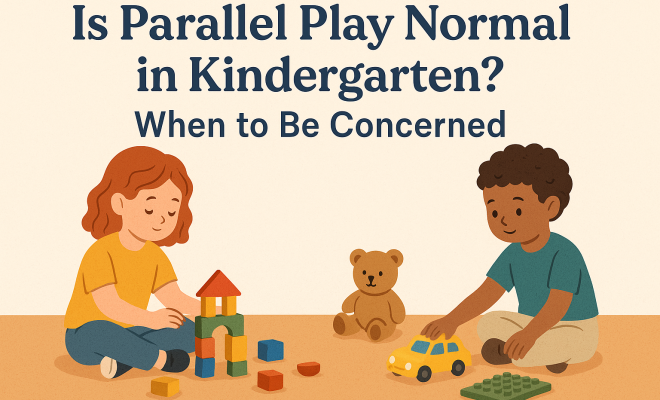
Parallel play typically occurs in early childhood, particularly between the ages of 2 to 3 years. During this stage, children play side by side, often using similar toys or engaging in the same type of activities but without direct interaction. For instance, two children may be building with blocks, yet they do so independently without sharing or communicating about their creations.
This behavior serves several purposes. First, it allows children to observe one another, learning social cues and norms in a low-pressure setting. It’s a stepping stone toward cooperative play, where children begin to interact, share, and engage in more complex social interactions. Understanding this progression can help parents and educators recognize what is typical for kindergarten-aged children.
Why Parallel Play Matters in Kindergarten
During kindergarten, children experience significant social and emotional development. Parallel play serves as an important aspect of this growth. Here are a few reasons why it matters:
- Social Skills Development: Children learn to understand social dynamics, even in parallel play. They observe others, which can lead to imitation and eventual interaction.
- Independence: Engaging in parallel play allows children to feel confident in their abilities while still being part of a social environment.
- Emotional Regulation: In a parallel play setting, children learn to navigate their feelings of frustration or joy without the pressure of interacting directly with peers.
This understanding is crucial for parents and educators aiming to foster a supportive environment for children to mature socially.
Common Behaviors Associated with Parallel Play
Recognizing typical behaviors associated with parallel play can help parents and educators understand what to expect. Some of these behaviors include:
- Playing with similar toys: Children may gravitate towards the same types of toys but engage with them independently.
- Limited communication: Interaction is minimal, often consisting of occasional glances or smiles rather than verbal exchanges.
- Short attention spans: Children might switch toys frequently or lose interest in their activity without direct engagement from others.
These behaviors are all part of normal development, indicating that children are finding their place in the social world while still learning about themselves.
When Is Parallel Play a Cause for Concern?
While parallel play is a typical stage of development, there are instances when it may warrant closer observation. Should your child consistently exhibit the following behaviors, it might be time to reach out for professional advice:
- Consistent withdrawal: If a child continually chooses to play alone, even when peers are available, this may indicate discomfort in social situations.
- Lack of interest in peer interaction: While some children may prefer parallel play, showing no interest in engaging with others can be concerning.
- Difficulty with emotional regulation: Children who struggle to manage their feelings during play, such as frequent tantrums or extreme frustration, may need additional support.
These signs can be indicators of underlying issues such as anxiety, autism spectrum disorders, or other social challenges that may require intervention. (See: CDC milestones for child development.)
Expert Opinions on Parallel Play
Experts in child psychology and early childhood education agree that while parallel play is a normal part of development, the context is crucial. Dr. Susan Johnstone, a child psychologist, emphasizes, “Children are learning social norms through observation during parallel play. However, if a child shows signs of distress or continues to engage in solitary play beyond the norm, it could indicate a need for further assessment.”
Educators also point out that fostering environments where parallel play is encouraged can help children transition more naturally into cooperative play. By providing opportunities for children to play alongside each other, schools can create safe spaces for social learning.
How to Encourage Healthy Play Interactions
For parents and educators, promoting healthy play interactions is vital for developing social skills. Here are some actionable strategies to encourage more interactive play among children:
- Structured Playdates: Organizing playdates with clear activities can help children interact in a more guided setting.
- Group Games: Introduce games that require teamwork, such as building a fort, playing tag, or cooperative board games.
- Modeling Behavior: Adults can model cooperative play by engaging with children in activities that require sharing and collaboration.
These strategies can help smooth the transition from parallel to more interactive forms of play, encouraging deeper social connections among children.
Supporting Children Who Struggle with Social Interaction
If parents notice that their child is having difficulty transitioning from parallel play to cooperative play, support is essential. Here are steps to consider:
- Open Communication: Talk with your child about their feelings regarding playtime. Understanding their perspective can help address any fears or anxieties they may have.
- Consult Professionals: If concerns persist, seeking guidance from a pediatrician or child psychologist can provide insights and potential strategies tailored to your child.
- Engage in Role-playing: Role-playing social scenarios with children can help them practice interactions in a safe environment.
These steps can empower children to develop the necessary skills to move beyond parallel play and engage more fully with their peers.
Current Research on Play Development
Recent studies in child development underscore the importance of play, including parallel play, in fostering social skills and emotional intelligence. Research published in the Journal of Child Psychology shows that children who engage in play that involves both parallel and cooperative elements demonstrate higher levels of social competence and empathy.
This research emphasizes that the presence of parallel play is not a deterrent to developing social skills but rather a necessary component of the process. Play is how children learn to navigate complex social environments, and understanding its evolution can empower parents and educators to support children effectively.
Different Types of Play in Early Childhood
To fully grasp the significance of parallel play in kindergarten, it’s important to understand the various types of play that children engage in. Each type plays a pivotal role in a child’s overall development:
- Solitary Play: This is when a child plays alone, focusing solely on their own activities. It is common in younger children, especially those under two. This type of play allows children to explore their interests and develop independent skills.
- Parallel Play: As discussed, children play alongside each other, often using similar materials but without direct interaction. It’s a crucial stage for social learning.
- Associative Play: In this stage, children start to interact more with one another. They may share toys or engage in similar activities but still have a lack of organization in their play. This often occurs around ages 3 to 4.
- Cooperative Play: Typically developing around ages 4 to 5, this stage involves children working together toward a common goal. They share, communicate, and collaborate in their play, a sign of advanced social development.
Understanding these types of play can help parents and educators create tailored experiences that cater to children’s developmental needs. (See: NIH on learning and development in children.)
Statistics on Play and Development
Understanding the impact of play on child development can be enhanced through various statistics. For example, a study by the American Academy of Pediatrics found that children who engage in regular play have improved cognitive skills and emotional resilience. Specifically, the survey showed:
- Children who participate in free play at least three times a week are 30% more likely to exhibit higher problem-solving skills.
- 75% of educators believe that play-based learning is critical for social and emotional development.
- Children engaged in cooperative play are 50% more likely to report positive peer relationships in school settings.
These statistics underscore the importance of play, including parallel play, as a foundation for healthy development.
Comparative Analysis: Parallel Play and Cultural Differences
Parallel play can manifest differently across various cultures. For instance, in some cultures, communal play is more emphasized, where children are encouraged to interact even at early ages. In contrast, other cultures may place a higher value on independent play. This distinction can influence how children engage in parallel play during kindergarten.
Research has shown that in collectivist societies, children often engage in more associative and cooperative play earlier than in individualistic societies. For example, children in Japan may play with peers in structured group settings, leading to quicker transitions into cooperative play. Understanding these cultural differences is important for educators who work with diverse classrooms.
FAQs about Parallel Play in Kindergarten
What age does parallel play typically occur?
Parallel play usually occurs between the ages of 2 and 3 years, though it can continue into the kindergarten years as children develop at different paces.
Is parallel play a sign of developmental delay?
No, parallel play is a normal part of development. However, if a child consistently avoids interaction or has extreme difficulty with emotional regulation, it may be worth consulting a professional.
How can I tell if my child is ready for cooperative play?
Signs that a child is ready for cooperative play include starting to engage more with peers, showing interest in sharing toys, and participating in group activities willingly.
What can I do if my child prefers to play alone?
Encourage playdates with structured activities, model social interactions, and provide opportunities for gradual engagement with peers. Open communication about their feelings can also help.
Are there benefits to letting children engage in parallel play?
Absolutely! Parallel play allows children to explore autonomy, practice observational learning, and develop self-regulation skills without pressure.
Benefits of Parallel Play in Kindergarten
Parallel play is often dismissed as mere solitary play, but it carries numerous benefits that directly impact a child’s development. Here are some advantages:
- Self-Discovery: When children engage in parallel play, they explore their interests and preferences. They learn what they enjoy without external influences, thereby fostering a sense of autonomy.
- Increased Creativity: Having the freedom to play beside peers allows children to be creative in their play. They can experiment with different scenarios and narratives without the constraints of following someone else’s lead.
- Peer Observation: While engaged in parallel play, children can observe their peers’ techniques, strategies, and behaviors. This observational learning is crucial as it helps them pick up social cues and develop their play skills.
- Foundation for Future Relationships: Engaging in parallel play sets the stage for building friendships. Children who have experience playing side-by-side may find it easier to transition into cooperative play as they already have a familiarity with their peers.
Transitioning from Parallel Play to Cooperative Play
The transition from parallel play to cooperative play is a critical milestone in child development. However, this transition is not always smooth and can vary greatly from child to child. Here are some tips to facilitate this process:
- Encourage Shared Goals: Set up activities that require teamwork, such as group art projects or building tasks, where children need to work together to achieve a common objective.
- Introduce Turn-Taking: Games that involve turn-taking can help children practice the skills needed for cooperative play. This can be as simple as taking turns on a swing or playing a board game.
- Utilize Storytelling: Create stories or scenarios that involve characters who need to work together. This can help children understand the importance of cooperation in achieving a goal.
Parental Guidance: Promoting Play Diversity
As children develop, it’s essential for parents to promote a variety of play types, including parallel, associative, and cooperative play. This diversity not only enriches their playtime but also enhances their social, emotional, and cognitive development. Here’s how parents can support this:
- Provide Diverse Play Materials: Offering a variety of toys and materials can encourage children to engage in different play types. For instance, building blocks can lead to both parallel play and cooperative projects.
- Encourage Mixed-Age Play: Interaction with older children can inspire younger ones to engage in more complex forms of play. Mixed-age playdates can foster cooperative skills as younger children learn from their older peers.
- Be Mindful of Adult Interaction: Parents should be aware of how much they intervene during play. Allowing children to resolve conflicts and navigate their own interactions builds their problem-solving skills and confidence.
The Role of Educators in Facilitating Play
Educators play a crucial role in facilitating various types of play within the classroom. Here are some strategies that educators can implement to create a balanced play environment:
- Structured Play Activities: Incorporate structured playtime into the curriculum, allowing children to engage in both parallel and cooperative play. This can be done through designated play areas and guided activities.
- Observation and Feedback: Teachers should observe children’s play and provide feedback when necessary. Encouraging children to reflect on their play experiences can enhance their understanding of social interactions.
- Creating a Safe Environment: Ensure that the play environment is safe and supportive, allowing children to take risks and explore without fear of negative consequences. This encourages more expansive play behaviors.
Conclusion: Embracing the Journey of Play
Understanding parallel play in kindergarten is essential for parents and educators as they guide children through their formative years. By recognizing when this behavior is typical and when it may raise concerns, adults can create enriching environments that foster growth. It’s a journey of play, observation, and gradual engagement that ultimately leads children toward meaningful interactions and relationships with their peers. Embrace this stage of development and remember that every child progresses at their own pace. As they play, they are learning invaluable skills that will serve them for a lifetime.
“`
Trending Now
Frequently Asked Questions
What is parallel play in kindergarten?
Parallel play in kindergarten refers to a stage where children play alongside each other without direct interaction. They may use similar toys or engage in similar activities, but they do so independently, which allows them to observe social cues and norms in a low-pressure environment.
Is parallel play normal for young children?
Yes, parallel play is a normal part of child development, particularly for children aged 2 to 3 years. It serves as an important developmental milestone, helping children learn social dynamics and prepare for more interactive forms of play as they grow.
When should parents be concerned about parallel play?
Parents should be concerned if their child remains in parallel play for an extended period without progressing to cooperative play, as this may indicate potential social or developmental challenges. Observing a child's overall social interactions can provide valuable insights.
What are the benefits of parallel play?
Parallel play offers several benefits, including social skills development, fostering independence, and promoting emotional regulation. It allows children to observe peers, build confidence, and gradually learn to engage in cooperative play.
How does parallel play contribute to social skills?
Parallel play contributes to social skills by allowing children to observe and imitate peers in a non-threatening environment. This observational learning can lead to improved understanding of social interactions and eventually encourage children to engage in more collaborative play.
Agree or disagree? Drop a comment and tell us what you think.