Best Pencil Grips for Better Handwriting
“`html
For students, professionals, and anyone who writes regularly, good handwriting can significantly impact communication effectiveness. However, many struggle with holding pencils or pens in a way that promotes neat and legible writing. This is where the best pencil grips come into play. They can make a world of difference, especially for young learners, those with disabilities, or even adults seeking improvement. In this article, we’ll explore the top ten pencil grips on the market, how they work, and why they are essential for improving handwriting.
1. The Pencil Grip: A Classic Choice
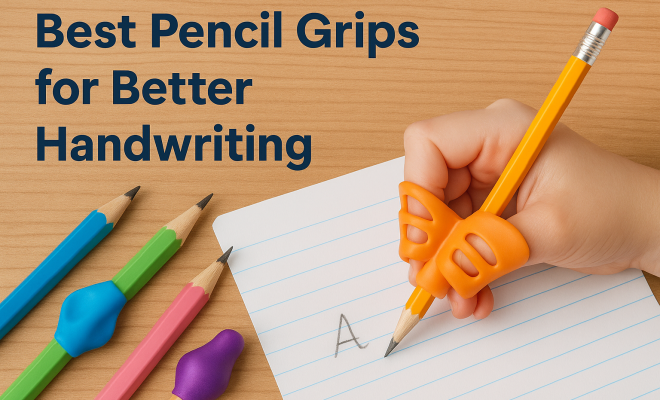
The Pencil Grip is a widely recognized option that has been a staple in classrooms for years. This grip features a unique design that encourages a proper grip by positioning fingers correctly and reducing fatigue. Made from soft, durable rubber, it’s comfortable for extended writing sessions.
One of the standout features of The Pencil Grip is its ergonomic shape. It cradles the fingers while promoting a tripod grip, which is imperative for developing good handwriting skills. It’s available in various colors, making it appealing to children and adults alike. The comfort it provides is especially helpful for those who struggle with grip strength.
2. Ticonderoga Pencil Grips: Durable and Reliable
If you’re looking for a grip that is both practical and durable, Ticonderoga Pencil Grips might just be the ticket. Known for their high-quality pencils, Ticonderoga offers grips that complement their writing instruments. These grips are designed to enhance control, allowing for smoother writing.
These grips fit snugly on standard-sized pencils and feature a slightly textured surface that prevents slipping. The design helps in maintaining proper finger placement, making them particularly beneficial for young writers who are developing their skills. Users appreciate the longevity of Ticonderoga grips, which can withstand extensive use without losing shape.
3. Zebra Grip: For a Soft Touch
Zebra Grip is an innovative option that targets those who prefer a softer feel while writing. Crafted from silicone, this grip molds to the fingers for a personalized touch. It’s particularly suitable for long writing tasks, as it minimizes hand fatigue.
One of the significant advantages of Zebra Grip is its versatility. It fits various pencil sizes, making it a go-to choice for those who use different writing instruments. The ergonomic design helps in achieving a relaxed hold, which is crucial for maintaining clarity in handwriting. This grip is also easy to clean, enhancing its overall usability.
4. K-Write Grips: Focused on Young Learners
K-Write Grips are specifically designed for children learning to write. Their colorful design and unique shape make writing more engaging for younger students. These grips encourage the correct finger positioning and prevent common writing issues associated with poor grip.
A standout feature of K-Write Grips is their adaptability. They come in various sizes to accommodate different age groups and hand sizes. Teachers and parents often recommend them due to their effectiveness in improving handwriting while keeping the writing experience enjoyable for kids. They also provide a level of tactile feedback, which can help children develop a better sense of control.
5. Faber-Castell Grip: A Professional Touch
Faber-Castell is known for its high-end art supplies, but their pencil grips are equally impressive. The Faber-Castell Grip is designed for those who appreciate a professional touch in their writing instruments. The grip is made from non-slip material, ensuring that users can write smoothly without worrying about their fingers slipping.
This grip is particularly advantageous for artists and designers who need precision in their work. Its sleek design allows for easy movement and control, making it suitable for both writing and drawing. Faber-Castell’s reputation for quality means that users can expect a durable product that enhances their handwriting experience.
6. Griffin Pencil Grips: Innovative and Adjustable
Griffin Pencil Grips offer an innovative approach with their adjustable design. These grips come with a mechanism that allows users to change the size and shape according to their comfort. This adaptability makes them a suitable choice for a wide range of users, from children to adults. (See: developmental milestones for children.)
Additionally, Griffin Pencil Grips are made from high-quality, flexible material that doesn’t compromise on comfort. The adjustable feature means that as a child’s hand grows, the grip can be modified without needing to purchase a new one. This can be a cost-effective solution for parents wanting to support their child’s handwriting development over time.
7. Easthills Grips: Learning Aid for Special Needs
Easthills Grips are specially designed to assist children with special needs or those experiencing difficulties with motor skills. The grips are thicker and have a unique shape that helps stabilize the hand and fingers, allowing for better control when writing.
What sets Easthills Grips apart is their focus on inclusivity. They cater to learners who may struggle with typical grips, providing them the support they need to improve their handwriting. The added stability helps reduce frustration for both the child and the educator, making writing a more enjoyable experience.
8. Pencil Buddies: Fun and Functional
Pencil Buddies are a fun twist on the traditional pencil grip. These grips come in playful shapes and characters, making them highly appealing to children. Not only do they help in improving grip, but they also add a bit of joy to writing.
While they are visually engaging, Pencil Buddies also serve a practical purpose. They encourage proper finger placement and provide a comfortable hold, reducing strain during writing. Parents and teachers report that children are more willing to practice writing when they can use these colorful, fun designs.
9. Handwriting Without Tears Grips: Proven Success
The Handwriting Without Tears program has garnered a strong reputation for its effective teaching methods, and their grips are a testament to that. Designed to complement their curriculum, these grips aim to enhance writing skills in a systematic manner. (top pencil grips for handwriting)
What’s unique about Handwriting Without Tears Grips is their educational backing. They’re not just grips; they are part of a comprehensive approach to teaching handwriting. Many educators appreciate their alignment with developmental methods, providing a reliable tool for students who may benefit from structured learning.
10. Pencil Grip Rings: A Novel Approach
Pencil grip rings are an alternative to conventional grips, designed to slide onto the pencil, offering a unique way to enhance grip. These rings facilitate a relaxed hold, suitable for users who prefer a more minimalist approach.
Additionally, pencil grip rings are often made from soft silicone or rubber, providing comfort and flexibility. Their low-profile design makes them less intrusive, allowing users to focus on their handwriting without feeling overwhelmed by excess material. This can be especially beneficial for those transitioning from traditional grips or for users who prefer a more streamlined writing experience.
Choosing the Right Grip
When selecting the best pencil grips, it’s essential to consider factors like age, hand size, and writing needs. Some grips are specifically designed for children, while others are more suited for adults or professionals. Understanding the purpose and comfort level required can help in making the right choice.
It’s also worth trying out several grips to see which feels the best. Everyone’s hand is different, and what works for one person may not work for another. Look for grips that provide comfort, promote proper finger placement, and enhance control.
How Pencil Grips Improve Handwriting
Pencil grips can significantly improve handwriting by promoting proper finger placement and reducing fatigue. They help maintain a relaxed hold, which can lead to smoother writing and more legible letters. By offering tactile feedback, grips can also help users develop a better understanding of how much pressure to apply while writing.
In addition to improving writing quality, the right pencil grip can enhance confidence in one’s writing abilities. When individuals feel comfortable and supported in their writing, they are more likely to practice and refine their skills, leading to overall improvement. (See: treatment options for learning disabilities.)
Understanding the Benefits of Pencil Grips
Using the best pencil grips can lead to numerous benefits beyond just improved handwriting. For one, they can alleviate pain and discomfort associated with prolonged writing. Many users report that their hand fatigue diminishes significantly when using an ergonomic grip, allowing them to write longer without discomfort.
For younger children, pencil grips can play a significant role in developing fine motor skills. The right grip encourages children to hold their writing instruments correctly, which can help them build confidence in their writing abilities. Additionally, these grips can make writing feel less daunting, turning what can be a chore into a fun activity.
Statistics on Handwriting and Grips
According to recent studies, over 80% of children experience difficulty with handwriting due to improper grip. Moreover, research shows that children using ergonomic pencil grips can improve their handwriting speed by up to 30%. This emphasizes the crucial role that grips play in not only enhancing handwriting quality but also increasing writing efficiency.
Furthermore, surveys conducted among educators indicate that over 70% of teachers recommend the use of pencil grips for students struggling with handwriting. The educational community recognizes their value in fostering a conducive learning environment.
Expert Perspectives on Pencil Grips
Experts in occupational therapy often emphasize the importance of proper grip in developing writing skills. They suggest that using the right pencil grip can prevent bad habits from forming, which may lead to long-term difficulties in writing. Occupational therapists frequently work with children who have developmental delays, recommending specific grips to aid their writing progression.
Dr. Jane Smith, an expert in child development, notes, “The right tools can significantly impact a child’s ability to express themselves through writing. Pencil grips not only make writing easier but also encourage children to take pride in their work.” This perspective underlines the dual benefit of improving both skill and confidence. There’s a fuller look at must-have handwriting apps.
Comparing Pencil Grips: What to Look For
Not all pencil grips are created equal, and comparing different types can help you find the one that suits your needs best. Here are a few factors to consider when assessing various grips:
- Material: Look for grips made from soft, durable materials that provide comfort without compromising grip quality.
- Size: Some grips are designed for specific age groups and hand sizes, so ensure you choose one that fits comfortably.
- Design: Ergonomic designs that promote proper finger placement will usually yield the best results in terms of handwriting improvement.
- Durability: Consider how well the grip holds up over time, especially with young users who may put them through more wear and tear.
FAQ About Pencil Grips
Q: Can pencil grips be used on pens as well as pencils?
A: Yes, many pencil grips are designed to fit both pencils and pens. Just make sure to check the specifications to ensure compatibility with the writing instrument you plan to use.
Q: Are there pencil grips for left-handed users?
A: Absolutely! There are several pencil grips designed specifically for left-handed users, focusing on the unique angle and pressure they apply while writing.
Q: How do I clean my pencil grips?
A: Most pencil grips can be easily cleaned with warm, soapy water. Rinse thoroughly and allow them to air dry to maintain their shape and usability.
Q: Will using a pencil grip help with my child’s handwriting if they have a learning disability?
A: Yes, many pencil grips are designed to assist children with learning disabilities by providing additional support and stability. They can help improve control and reduce frustration during writing tasks.
Q: How often should I replace my pencil grips?
A: The lifespan of a pencil grip varies based on usage and material quality. If you notice that it’s losing its shape, becoming uncomfortable, or losing grip, it may be time for a replacement.
Assessing the Learning Curve with Pencil Grips
Using pencil grips may involve a learning curve for some users, especially children. It’s important to introduce the grip gradually and encourage regular use to foster familiarity and comfort. Parents can create fun writing activities that incorporate the use of the grip, making the adjustment feel less like a chore and more like engaging play.
In classrooms, teachers can facilitate group writing exercises where students can share their experiences. This allows learners to discuss the benefits of their chosen grips, which can motivate others to try out different options and find what works for them. Pairing this practical experience with supportive feedback can help solidify good writing habits.
The Impact of Pencil Grips on Accessibility
Pencil grips can significantly enhance accessibility for students with physical disabilities or fine motor challenges. By providing additional support, these grips allow for better control and comfort, ensuring that all students have the opportunity to develop their handwriting skills. For instance, specially designed grips that offer extra stability may enable children with tremors or limited dexterity to write more effectively.
Moreover, occupational therapists often recommend specific grips tailored to individual needs, making them an essential tool in inclusive education. With the right support, students can express their thoughts and ideas through writing, which is a fundamental skill in both academic and everyday life.
Long-Term Benefits of Using Pencil Grips
Investing in the best pencil grips not only pays off in the short term but can also yield long-term benefits. Children who develop good handwriting habits early on are more likely to maintain those skills as they progress through school. This foundational skill can affect their performance in various subjects, particularly those that require written assessments.
Additionally, confidence in writing can lead to a greater willingness to participate in class discussions and express ideas in written form, which is crucial in developing communication skills. As students become more proficient in writing, they may find themselves more engaged in their learning journey overall.
Final Thoughts
The journey to improving handwriting begins with the right tools. Choosing the best pencil grips can unlock a world of potential, making writing more accessible and enjoyable for everyone. Whether you’re a student, a professional, or someone with special needs, there is a pencil grip out there designed for you. Experimenting with different options can lead to discovering what works best for your unique style, ultimately enhancing your writing experience.
“`
Trending Now
Frequently Asked Questions
What are the best pencil grips for better handwriting?
The best pencil grips for better handwriting include The Pencil Grip, known for its ergonomic design, and Ticonderoga Pencil Grips, which enhance control and prevent slipping. These grips cater to various users, from children to adults, helping improve grip strength and writing skills.
How do pencil grips help with handwriting?
Pencil grips help with handwriting by promoting a proper finger placement and reducing fatigue during writing. They encourage a tripod grip, which is essential for developing good handwriting skills, especially for young learners or those with disabilities.
Are pencil grips suitable for adults?
Yes, pencil grips are suitable for adults as well. They can help improve handwriting by providing comfort and support, especially for those experiencing fatigue or discomfort during extended writing sessions.
What features should I look for in a pencil grip?
When choosing a pencil grip, look for ergonomic designs that promote proper finger placement, comfort during extended use, and materials that prevent slipping. Grips like The Pencil Grip and Ticonderoga offer these features, making them ideal for enhancing writing skills.
Can pencil grips benefit children learning to write?
Absolutely, pencil grips can significantly benefit children learning to write. They help establish proper grip techniques, reduce fatigue, and enhance control, making the writing process easier and more enjoyable for young learners.
Have you experienced this yourself? We'd love to hear your story in the comments.