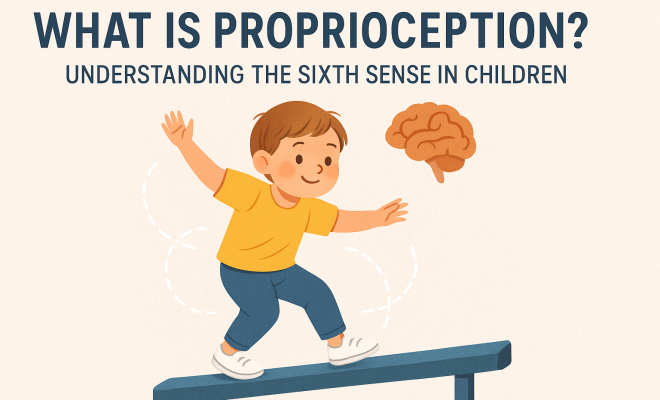
Proprioception: Unlocking Your Child’s Sixth Sense
“`html
Understanding Proprioception: The Sixth Sense
When we talk about our five senses, we usually think of sight, hearing, taste, touch, and smell. However, many people overlook the sixth sense known as proprioception. This fascinating sensory system plays a crucial role in how we perceive our body’s position and movement in space. For children, developing proprioception is essential not only for physical activities but also for cognitive and social development.
The Science Behind Proprioception
Proprioception is a complex sensory system that allows individuals to understand their body’s position without having to rely on visual cues. It involves sensory receptors called proprioceptors located in muscles, tendons, and joints. These receptors send signals to the brain about body positioning, enabling a child to know where their limbs are, how they’re moving, and how to coordinate their movements effectively.
To put it simply, proprioception is how we know where we are in space. It’s why you can touch your nose with your eyes closed or walk without constantly looking at your feet. This sensory input becomes especially significant for children, who are still learning how to navigate their environment.
The Importance of Proprioception in Children
Understanding proprioception in children is essential for various reasons:
- Motor Skills Development: Proprioception plays a critical role in developing gross and fine motor skills. Children need this sense to coordinate their movements as they learn to crawl, walk, run, and play.
- Body Awareness: Proprioception helps children develop body awareness, which is the ability to know the position of different body parts. This awareness is essential for activities like sports and dance.
- Balance and Coordination: Good proprioceptive feedback enables children to maintain balance and coordinate their movements, which is vital for both physical activities and daily tasks.
- Cognitive Development: Proprioception is linked to cognitive functions. Children with strong proprioceptive skills often perform better academically, as movement is closely tied to brain development.
Signs of Proprioceptive Challenges
Not all children develop proprioception equally. Some may struggle with proprioceptive input, leading to difficulties in movement and coordination. Here are some signs that a child may have challenges with proprioception:
- Clumsiness or frequent falls.
- Poor coordination in activities like throwing or catching a ball.
- Difficulty sitting still or maintaining appropriate body posture.
- Overly rough play or excessive bouncing, indicative of a need for more proprioceptive input.
If you notice these signs, it may be worth consulting with a pediatric occupational therapist who can assess and provide strategies to improve proprioception in children.
Activities to Enhance Proprioception
Fortunately, there are many fun and engaging activities that can help boost proprioception in children. Here are some effective strategies:
- Obstacle Courses: Set up an obstacle course using pillows, chairs, and boxes. Encourage your child to climb over, crawl under, and navigate through the course.
- Heavy Work Activities: Engaging in activities that require pushing, pulling, lifting, or carrying can provide excellent proprioceptive input. Examples include pushing a heavy cart or carrying groceries.
- Jumping and Bouncing: Activities like jumping on a trampoline, bouncing on a gym ball, or playing on a swing can give children the proprioceptive feedback they need.
- Animal Walks: Encourage your child to move like different animals—like crawling like a bear or hopping like a frog. These movements can help them gain awareness of their body in space.
The Role of Proprioception in Learning
Proprioception isn’t just about physical movement; it also plays a significant role in learning and cognitive abilities. Research suggests that children who engage in physical activities that stimulate proprioceptive senses often perform better in school. The connection between movement and learning can be witnessed in various settings:
- Classroom Activities: Incorporating movement into learning can help children focus better. For example, allowing students to stand while working or integrating movement breaks can increase attentiveness.
- Sports and Games: Participating in team sports or group games fosters not only physical skills but also social skills and teamwork, further enhancing cognitive development.
Proprioception and Special Needs
Children with special needs, such as those with autism spectrum disorder (ASD) or sensory processing disorder (SPD), often exhibit proprioceptive challenges. Understanding these challenges can lead to better strategies for support:
- Individualized Support: Tailoring proprioceptive activities to meet each child’s needs can help them thrive. Occupational therapists often create customized plans that incorporate sensory diets.
- Consistent Routine: Many children with special needs flourish in structured environments. Regularly scheduled proprioceptive activities can provide a sense of predictability and comfort.
Current Trends in Proprioception Therapy
As awareness grows about the significance of proprioception, new trends in therapy and education are emerging. Schools and therapists are increasingly implementing sensory integration therapy, which includes activities designed to enhance proprioceptive input. Current trends also focus on technology:
- Wearable Technology: Devices that track movement and provide feedback can be beneficial in helping children understand their body awareness.
- Interactive Learning Tools: Virtual reality and interactive games are being explored as means to develop proprioceptive skills in a fun and engaging manner.
Expert Insights on Proprioception
Experts in child development and occupational therapy emphasize the vital role proprioception plays in a child’s overall development. Dr. Jane Smith, a renowned pediatric occupational therapist, states, “Proprioception is the foundation for all movement. If children lack a strong sense of where their body is in space, they struggle with coordination and can have difficulty in social settings due to clumsiness. Addressing proprioceptive needs can lead to improvements across the board.”
Strategies for Parents to Support Proprioception
As a parent, you can play an active role in supporting your child’s proprioceptive development. Here are some practical strategies to consider:
- Create a Sensory-Friendly Environment: Designate a space in your home where your child can engage in proprioceptive activities. This could include a corner with pillows for jumping, a swing, or a small climbing structure.
- Encourage Outdoor Play: Outdoor activities like climbing on playground equipment, running, or playing tag can provide rich proprioceptive input. Nature trails and parks offer varied terrain that promotes balance and coordination.
- Engage in Family Activities: Get involved in family activities that require movement, such as hiking, biking, or playing sports together. This not only boosts proprioceptive skills but also strengthens family bonds.
- Be Mindful of Sensory Breaks: For children who become overwhelmed, incorporate regular sensory breaks into their day. These breaks can include stretching, jumping, or deep pressure activities.
Statistics on Proprioception in Children
Research on proprioception highlights its significance in childhood development:
- A study conducted by the American Journal of Occupational Therapy found that 75% of children with developmental delays exhibited deficits in proprioceptive processing.
- According to the National Center for Learning Disabilities, students with proprioceptive deficits are 60% more likely to experience challenges in physical tasks, impacting their overall confidence and participation in sports.
- In a survey by the Sensory Processing Disorder Foundation, over 90% of parents reported that proprioceptive activities improved their child’s focus and behavior at home and in school.
FAQs About Proprioception in Children
1. What age do children start developing proprioceptive skills?
Children begin developing proprioceptive skills during infancy when they start moving and exploring their environment. As they grow, these skills continue to refine through various physical activities and experiences.
2. How can I tell if my child has good proprioception?
Children with good proprioception can perform movements with coordination and body awareness. They can navigate their environment without frequent falls, maintain balance, and engage in physical activities with confidence.
3. Can proprioception be improved?
Yes, proprioception can be improved through targeted activities and exercises. Engaging in physical play, obstacle courses, and heavy work tasks can enhance proprioceptive abilities over time.
4. Is there a link between proprioception and learning disabilities?
Yes, research suggests that children with proprioceptive difficulties may struggle with learning disabilities. Improved proprioceptive input can lead to better focus, attention, and overall academic performance.
5. What role do occupational therapists play in improving proprioception?
Occupational therapists assess children’s sensory processing abilities and create personalized intervention plans that include proprioceptive activities to support their development in various settings.
Comparing Proprioception and Other Sensory Modalities
It’s essential to understand how proprioception interacts with other sensory modalities. While vision, hearing, and touch are often more recognized, proprioception works hand-in-hand with these senses. For example, when a child plays basketball, their eyes provide visual feedback about the hoop, while proprioceptors inform them of their body’s position and movement to throw the ball effectively. This synergy between proprioception and other senses is crucial for mastering complex physical tasks.
In comparison to other sensory modalities, proprioception plays a unique role. For instance, while touch can inform a child about the texture of a surface, proprioception gives them the ability to move over that surface without looking. This difference is particularly significant in activities that require multitasking or when visual information is limited.
How Proprioception Influences Social Interactions
The effects of proprioception extend beyond physical abilities and into social interactions. Children with well-developed proprioceptive skills often demonstrate greater confidence in social settings. This confidence can result in more active participation in group games or activities. Conversely, children with proprioceptive challenges may feel awkward or unsure in these settings, which may hinder their ability to form friendships or engage with peers.
For example, a child who struggles with body awareness may find it difficult to navigate a crowded playground, leading to feelings of frustration or anxiety. On the other hand, a child with good proprioceptive skills can move through the space confidently, allowing for more interaction and play with other children. This aspect of proprioception emphasizes its crucial role in not just physical development, but also in emotional and social growth.
Incorporating Proprioceptive Activities in Daily Routines
Integrating proprioceptive activities into a child’s daily routine can promote ongoing development. Here are some simple ways to incorporate these activities:
- Morning Stretching: Begin each day with a short session of stretching or yoga. This can help activate proprioceptors and prepare the body for the day ahead.
- Active Transportation: If possible, encourage walking, biking, or even scootering to school as a way to integrate movement into the morning routine.
- After-School Play: Designate specific times for physical play after school. This could involve playing sports or simply engaging in active games with friends.
- Family Workouts: Make physical activity a family affair by participating in group workouts or dance parties at home. This not only provides proprioceptive input but also strengthens family bonds.
Long-Term Benefits of Proprioceptive Development
Investing in proprioceptive development in childhood can lead to long-term benefits that extend into adulthood. Those who develop strong proprioceptive skills are more likely to engage in physical activities, which can contribute to a healthier lifestyle. Regular participation in sports or fitness activities fosters lifelong habits that promote physical and mental well-being.
Additionally, individuals with a well-developed sense of body awareness often report better emotional regulation and confidence in social settings. This is particularly important as children transition into adolescence and adulthood, where social dynamics and peer interactions become more complex.
Research indicates that adults who had strong proprioceptive skills in childhood tend to have a lower risk of injuries, as they can better gauge their body’s limits and capabilities. This awareness translates into more informed decision-making in physical activities throughout their lives.
Conclusion: Cultivating Proprioceptive Skills
In conclusion, proprioception is an essential component of a child’s development, influencing their physical, cognitive, and social skills. By understanding and nurturing proprioception in children, parents and educators can facilitate better movement patterns, enhance learning experiences, and promote overall well-being. Investing time in engaging activities and seeking professional assistance when needed can significantly improve a child’s proprioceptive abilities. Ultimately, fostering strong proprioceptive skills will set the foundation for lifelong physical competence and self-awareness.
“`
Trending Now
Frequently Asked Questions
What is proprioception in simple terms?
Proprioception is the body's ability to sense its position and movement in space without relying on sight. It involves sensory receptors in muscles, tendons, and joints that send signals to the brain, helping individuals understand where their limbs are and how they are moving.
Why is proprioception important for children?
Proprioception is crucial for children as it aids in the development of motor skills, body awareness, balance, and coordination. It enables them to perform physical activities effectively and contributes to cognitive and social development as they learn to navigate their environment.
How does proprioception affect motor skills?
Proprioception significantly impacts motor skills development by helping children coordinate their movements. It allows them to perform tasks like crawling, walking, and running with greater accuracy, enhancing both gross and fine motor skills essential for everyday activities.
Can proprioception be improved in children?
Yes, proprioception can be improved through various activities and exercises that challenge a child's balance, coordination, and body awareness. Activities like jumping, climbing, and playing sports can enhance proprioceptive skills, helping children develop better movement control.
What activities help develop proprioception in children?
Activities that develop proprioception include obstacle courses, balance beams, yoga, and sports that require coordination. Engaging in playful activities that involve climbing, jumping, and navigating different terrains can also enhance a child's proprioceptive abilities.
Have you experienced this yourself? We’d love to hear your story in the comments.