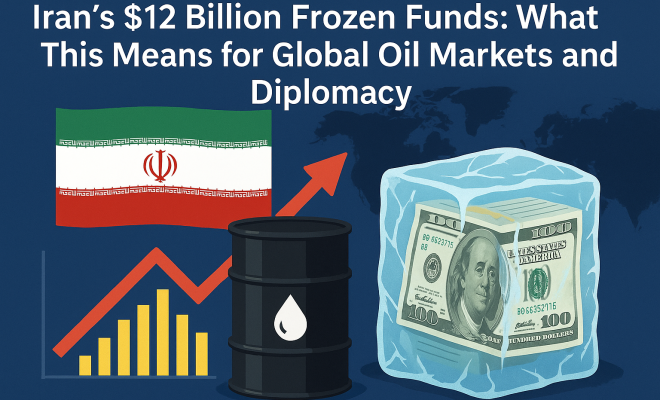
Iran’s $12 Billion Unfrozen: Impact on Oil & Diplomacy
“`html
The Diplomatic Breakthrough
In a significant shift in international relations, Iran has announced that the United States plans to release approximately $12 billion in frozen Iranian funds while waiving certain oil sanctions. This revelation comes amidst ongoing tensions between the two nations, making headlines worldwide. The timing of this announcement is crucial, as it emerges following President Donald Trump’s declaration to extend a ceasefire with Iran until a formal proposal can be finalized.
A Closer Look at the Frozen Funds
The issue of Iran’s frozen funds has been a contentious point in U.S.-Iran relations for years. Following sanctions imposed by the U.S. government in response to Iran’s nuclear program, nearly $12 billion of Iranian assets were frozen across various global banks. This significant amount has been a sore point for Iran, which argues that it has been deprived of essential funds needed for national development and humanitarian needs.
The release of these funds is anticipated to have profound implications for the Iranian economy, which has faced severe challenges due to international sanctions. With access to these funds, Iran could strengthen its economy and potentially ease the hardships that its citizens have endured under years of economic isolation.
Implications for the Global Oil Market
The waiver of oil sanctions could potentially reshape the global oil market. Iran, a major oil producer, has had its production significantly curtailed due to sanctions, particularly those enforced by the U.S. The prospect of increased Iranian oil in the global market raises questions about supply levels, pricing, and the geopolitical landscape surrounding oil trade.
As the world emerges from the economic fallout of the COVID-19 pandemic, energy demands are rising. Should Iranian oil flood the market, it could lead to lower oil prices, affecting economies dependent on oil revenues. For consumers, this might translate to reduced gas prices, but the geopolitical ramifications could also be substantial, as countries adjust their strategies in response to this development.
Public Reaction and Social Media Buzz
This announcement has ignited a wave of engagement on social media platforms. Users are actively discussing the potential ramifications of releasing Iran’s frozen funds and waiving oil sanctions. The scale of the financial release has captured widespread attention, with many expressing a mixture of skepticism and hope regarding the implications for both the humanitarian situation in Iran and the global economy.
Search interest around the phrase “Iran US frozen funds” has surged, indicating a growing public curiosity about how this situation may unfold. The concept of a potential economic upswing in Iran, juxtaposed with the fear of missing out on a shift in global oil dynamics, has made this topic particularly compelling.
What Does This Mean for U.S.-Iran Relations?
The diplomatic breakthrough suggested by the potential release of frozen funds and the waiver of sanctions could signify a thawing in U.S.-Iran relations. Historically, these relationships have been fraught with conflict and misunderstanding, but this recent development indicates a willingness from both sides to engage in negotiations.
Iran’s UN Ambassador issued a formal statement expressing optimism about the future of diplomacy between the two nations. The ambassador emphasized the importance of dialogue and collaboration, suggesting that both nations could benefit from renewed economic cooperation. However, skepticism remains among analysts who caution against reading too much into one potential agreement.
Geopolitical Realignments in the Middle East
If the U.S. follows through with its promises, we could see notable changes in the geopolitical landscape of the Middle East. Countries like Saudi Arabia and the United Arab Emirates, which have historically viewed Iran as a rival, might adjust their foreign policies in response to a stronger Iranian economy and increased oil supply.
The dynamics of OPEC (Organization of the Petroleum Exporting Countries) could also be influenced by Iran’s potential return to the global oil market. As a member of OPEC, Iran’s re-emergence could shift production quotas and affect pricing strategies globally. Countries within the organization will need to navigate this new reality carefully to maintain the stability of oil prices and their own economies.
Economic Perspectives: Inside Iran’s Economy
Access to $12 billion in frozen funds could potentially inject much-needed liquidity into Iran’s struggling economy. With the country facing high inflation rates and unemployment, the release of these funds could support social programs and national development initiatives. (See: BBC on Iran's frozen funds.)
Iran’s economy has been battered by sanctions, leading to shortages in essential goods and services. By freeing up these funds, it’s possible for Iran to invest in critical sectors such as healthcare, education, and infrastructure, which have suffered immensely throughout the years of economic isolation.
International Reactions and Concerns
The announcement has drawn mixed reactions from the international community. While some nations welcome the potential easing of tensions and view it as a step towards peace, others express concern about the implications for regional security. Critics argue that releasing funds could embolden Tehran and increase its influence in the region, potentially exacerbating conflicts in places like Syria and Yemen.
Moreover, Israel has voiced strong opposition to any agreement that would significantly benefit Iran, viewing it as a threat to its national security. The complexities of Middle Eastern politics mean that any moves towards rapprochement must be carefully managed to prevent further destabilization.
The Role of the U.S. in Middle Eastern Diplomacy
The Biden administration’s approach to Iran has been cautious, focusing on re-engagement through diplomacy while still emphasizing that any agreement must address Iran’s nuclear ambitions and regional activities. This current development might indicate an evolving strategy aimed at reducing tensions and fostering dialogue, but it also poses risks in navigating the intricate web of alliances and rivalries that characterize the region.
Future negotiations will likely require balancing the interests of various stakeholders, including U.S. allies in the region who may feel threatened by a stronger Iran. The path forward for U.S.-Iran relations is fraught with challenges, but this moment represents an opportunity that could lead to a more stable Middle East if handled delicately.
The Path Forward: Looking Ahead
As the situation develops, the implications of the Iran US frozen funds saga will unfold in ways that are yet to be fully understood. Analysts and observers will be watching closely to see how the U.S. government responds, how Iran uses these funds, and whether this will lead to a genuine thaw in relations.
As citizens and policymakers alike grapple with the potential consequences, it’s essential to remain informed. The trajectory of U.S.-Iran relations and the broader implications for global economics and politics will be a critical area of focus in the coming months.
In conclusion, the announcement regarding Iran’s frozen funds is more than just a financial matter; it represents a pivotal moment in the ongoing saga of international diplomacy, security, and economic strategy. The results of this diplomatic maneuver could resonate far beyond the borders of these two nations, affecting global markets and geopolitical alliances for years to come.
Understanding the Framework of Sanctions
The sanctions against Iran have been multifaceted, often intertwined with broader geopolitical strategies. Initially imposed in the wake of Iran’s nuclear ambitions, these sanctions have evolved over time, reflecting shifts in U.S. foreign policy, domestic politics, and international alliances. This framework has not only limited Iran’s access to global financial systems but has also influenced critical sectors such as aviation, shipping, and banking.
The complexity of these sanctions means that any discussions about releasing frozen funds must also address the myriad of restrictions that remain in place. A piecemeal approach could lead to confusion and undermine potential progress, signaling the need for comprehensive dialogue that covers all aspects of the sanctions regime.
The Impact on Human Rights in Iran
One of the often-overlooked aspects of the sanctions is their impact on the Iranian populace. While the intent of sanctions is typically to pressure a government to change its behavior, the repercussions often extend to ordinary citizens, who bear the brunt of economic hardship. Access to basic necessities such as food, medicine, and healthcare has been severely curtailed, leading to humanitarian crises within Iran.
By releasing frozen funds, there is hope that Iran can allocate resources to address these pressing humanitarian needs. International organizations, including the UN and various NGOs, have raised concerns about the humanitarian implications of extended sanctions, and the release of funds could offer a pathway to alleviate some of these pressures.
Expert Perspectives: Analysts Weigh In
Experts from various fields have weighed in on the implications of the Iran US frozen funds announcement. Political analysts emphasize that while this moment could represent a thaw in relations, it is essential to remain cautious. “The release of funds is merely a starting point,” says Dr. Emily Carter, a scholar on Middle Eastern politics. “What follows in terms of dialogue and actual steps towards mutual understanding will be the real test.” (See: Reuters article on U.S.-Iran sanctions.)
Economic experts also suggest that the road ahead will not be easy. “Even with access to frozen funds, Iran faces significant structural challenges within its economy,” notes Professor Ali Reza from the University of Tehran. “It will take more than just money to revive the economy; it will require comprehensive reforms and a stable political environment.”
Comparative Analysis: Iran vs. Other Sanctioned Nations
When examining the situation with Iran, it’s useful to look at other nations that have experienced similar sanctions, such as North Korea and Venezuela. Each country’s pathway through sanctions and economic isolation reveals unique dynamics and outcomes. North Korea, for instance, has faced stringent sanctions for its nuclear program, yet its government has maintained control over the economy and populace, leading to a different set of internal challenges.
Venezuela, on the other hand, has seen its economy collapse under the weight of sanctions and mismanagement, leading to mass migration and humanitarian crises. Comparing these trajectories to Iran highlights potential pitfalls and opportunities for the latter. While Iran stands to gain access to significant funds, the lessons learned from these other nations underscore the importance of governance and reform to ensure that such financial windfalls translate into tangible benefits for the everyday citizen.
Frequently Asked Questions (FAQ)
What are frozen funds, and why are they significant?
Frozen funds are assets that have been blocked from access due to international sanctions, typically as a political or economic measure against a country. They are significant because their release can provide much-needed liquidity to a country’s economy, potentially impacting various sectors such as healthcare, education, and infrastructure development.
How will the release of Iran’s frozen funds affect ordinary Iranians?
The release of these funds could lead to improved economic conditions for ordinary Iranians, as the government may allocate resources to social programs and essential services that have been affected by years of sanctions. However, the actual impact will depend on the government’s willingness to prioritize these needs over other expenditures.
What are the geopolitical ramifications of easing sanctions on Iran?
Easing sanctions could lead to a shift in regional power dynamics, particularly concerning rival nations like Saudi Arabia and Israel. These countries may feel threatened by a stronger Iranian economy and increased oil supply, potentially leading to heightened tensions or recalibrated alliances within the region.
What role does public opinion play in U.S.-Iran relations?
Public opinion in both the U.S. and Iran can significantly influence diplomatic relations. In the U.S., there is often skepticism about engagement with Iran, particularly regarding its nuclear ambitions. Conversely, many Iranians hope for improved relations and an end to sanctions, viewing the U.S. as a key player in their economic recovery. Both governments must navigate these sentiments as they pursue diplomatic solutions.
How soon could we see changes in the oil market if sanctions are lifted?
If sanctions are lifted or eased, changes in the oil market could occur relatively quickly. Analysts suggest that Iran could ramp up oil production within months, increasing supply in a market already recovering from COVID-19 impacts. The timing will depend on logistical considerations, including infrastructure readiness and international demand.
What is the potential for future negotiations between the U.S. and Iran?
The potential for future negotiations largely hinges on the outcomes of the current discussions regarding frozen funds and sanctions. If both parties view these initial steps positively, it may pave the way for broader negotiations covering other contentious issues, including nuclear development and regional influence. However, any missteps could lead to renewed tensions.
Historical Context of U.S.-Iran Relations
To understand the current situation surrounding the Iran US frozen funds, it’s crucial to consider the historical context of U.S.-Iran relations. The diplomatic ties between the two countries have been rocky since the 1979 Iranian Revolution, which led to the overthrow of the U.S.-backed Shah and the establishment of an Islamic Republic. The subsequent hostage crisis, where American diplomats were held for 444 days, set a precedent for mutual suspicion and hostility.
Over the decades, the relationship has been characterized by a series of sanctions, military confrontations, and diplomatic attempts that have often ended in failure. The tension escalated significantly after Iran’s nuclear program was revealed, leading to more stringent sanctions and a focus on containment strategies from the U.S. Understanding this backdrop helps clarify why the recent announcement about frozen funds is viewed with both optimism and skepticism. (See: CDC on Iran's health and economy.)
Future Economic Opportunities for Iran
Access to the frozen funds presents Iran with a unique opportunity to revitalize its economy, but it also comes with challenges. The Iranian leadership may prioritize investments in domestic industries and infrastructure projects that have lagged due to economic sanctions. For instance, the country could invest in renewable energy sources to diversify its energy portfolio, considering the global shift towards sustainable energy practices.
Additionally, with billions in potential investment, Iran could attract foreign businesses and restore trade relations that have been severed for years. The possibility of partnerships with countries in Europe and Asia to bolster sectors like technology and manufacturing could lead to long-term economic benefits for Iran. However, these options will depend heavily on the political climate and Iran’s ability to navigate its complex relationship with the West.
The Role of Regional Powers
The release of frozen funds and the potential easing of sanctions could alter Iran’s relations with neighboring countries in the Middle East. Nations such as Turkey, Iraq, and Qatar may find opportunities to strengthen economic ties with Iran, especially in light of a more economically stable neighbor. Increased trade could enhance regional cooperation, but it could also intensify rivalries, as countries like Saudi Arabia and Israel remain cautious about Iran’s growing influence.
Beyond direct economic implications, regional powers might also reconsider their military and diplomatic strategies. For example, a stronger Iran may seek to expand its influence through proxies in Lebanon, Syria, and Yemen, prompting neighboring countries to reevaluate their defense postures and alliances.
Long-term Prospects for Stability in the Region
While the release of frozen funds has the potential to stabilize Iran’s economy, the long-term prospects for stability in the region depend on several factors. These include Iran’s willingness to engage in constructive dialogue about its nuclear program, its role in regional conflicts, and its approach to domestic governance. The international community will be watching closely to see how Iran navigates these challenges.
Any signs of aggression or failure to adhere to international agreements could lead to a swift re-imposition of sanctions, underscoring the fragile nature of the current diplomatic thaw. For the U.S., the challenge lies in balancing the desire for improved relations with the need to address legitimate security concerns about Iran’s activities in the region.
Conclusion on the Future of U.S.-Iran Relations
The situation regarding the Iran US frozen funds is more than just about economic transactions; it represents a critical juncture in the complicated tapestry of U.S.-Iran relations. As both nations grapple with their respective domestic pressures and international obligations, the outcomes of these developments will likely shape the geopolitical landscape for years to come.
Whether this moment marks the beginning of a new era of cooperation or merely another chapter in a long history of conflict remains to be seen. For now, the focus will be on how both countries handle their next steps, as the world watches with bated breath.
“`
Trending Now
- read the full story
- our breakdown of “the three core considerations of dap: age, individual, and cultural appropriateness”
- our breakdown of “how to teach to different learning preferences without limiting student growth”
- this guide on “how childhood attachment patterns affect adult relationships and mental health”
Frequently Asked Questions
What are Iran's frozen funds and why are they significant?
Iran's frozen funds refer to approximately $12 billion in assets that have been held in various global banks due to U.S. sanctions linked to Iran's nuclear program. These funds are significant as their release could bolster Iran's economy and alleviate hardships caused by years of economic isolation.
How will the release of frozen funds impact global oil markets?
The release of Iran's frozen funds, coupled with the waiver of certain oil sanctions, could lead to an increase in Iranian oil production. This influx may reshape global oil supply, potentially lowering prices and impacting economies reliant on oil revenues.
What does the U.S. waiver of oil sanctions mean for Iran?
The U.S. waiver of oil sanctions allows Iran to resume oil exports, which have been severely restricted. This change could provide Iran with essential revenue, aiding its economic recovery and potentially improving living conditions for its citizens.
How has the U.S.-Iran relationship changed recently?
Recently, the U.S. has signaled a willingness to release $12 billion in frozen Iranian funds and waive some oil sanctions, indicating a potential diplomatic breakthrough amidst ongoing tensions. This shift may alter the dynamics of U.S.-Iran relations.
What are the potential effects of increased Iranian oil on consumers?
If Iranian oil returns to the global market, it could lead to lower oil prices due to increased supply. This would benefit consumers through reduced fuel costs, particularly as energy demands rise in the post-COVID-19 economic recovery.
What did we miss? Let us know in the comments and join the conversation.