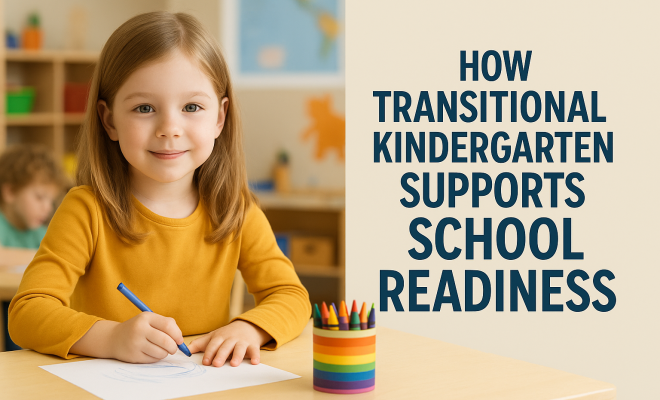
How Transitional Kindergarten Supports School Readiness
“`html
As parents and educators grapple with the question of how to best prepare children for their academic journey, transitional kindergarten (TK) has emerged as a vital stepping stone. This unique program is designed to bridge the gap between preschool and traditional kindergarten, offering children a supportive environment tailored to enhance their readiness for school. With a mix of play-based learning, social interaction, and foundational skills development, transitional kindergarten has garnered attention for its critical role in shaping young learners. In this comprehensive article, we will explore the various aspects of transitional kindergarten, examine its benefits, and highlight why it is a crucial part of early childhood education.
Understanding Transitional Kindergarten
Transitional kindergarten is often viewed as a specialized program for children who may not yet be ready for the rigors of kindergarten. Typically, this entails children who turn five years old between September and December, allowing them an opportunity to develop the necessary skills at a comfortable pace. Unlike traditional kindergarten, which often focuses on academic readiness, TK emphasizes holistic development, including social, emotional, and cognitive skills.
The program generally lasts one year, and it incorporates a curriculum that aligns with state standards while still being adaptable to the needs of young learners. It is often characterized by a play-based approach, where children engage in activities that foster creativity, problem-solving, and collaboration with peers.
The Importance of School Readiness
School readiness is a term that encompasses not only academic knowledge but also social and emotional competencies that children need to thrive in a school environment. Research shows that children who enter kindergarten with a solid foundation in these areas are more likely to succeed academically and socially in their educational careers.
The National Education Association (NEA) emphasizes that school readiness is about preparing children to adapt and navigate the school environment. This includes recognizing numbers and letters, but also understanding how to interact with teachers and peers, manage their emotions, and follow directions. The benefits of being school-ready can lead to improved performance throughout a child’s educational journey, making transitional kindergarten an invaluable tool in achieving this goal.
Key Components of Transitional Kindergarten
Transitional kindergarten focuses on several key components to ensure children are adequately prepared for kindergarten:
- Developmentally Appropriate Curriculum: The curriculum in TK is designed to meet the developmental needs of young children. Instead of pushing academic skills too early, teachers incorporate engaging activities that nurture children’s natural curiosity and willingness to learn.
- Social and Emotional Learning: A significant aspect of TK is helping children develop social skills, such as sharing, taking turns, and resolving conflicts. These skills are often best learned through guided play and interactions with peers.
- Parental Involvement: Schools that implement TK programs often encourage parents to participate in their child’s education. This involvement fosters a strong connection between home and school, ensuring that children receive consistent messages about the importance of learning.
- Small Class Sizes: Many TK programs boast smaller class sizes, allowing for more personalized attention from teachers. This individualized approach can help children feel more comfortable and engaged.
Benefits of Transitional Kindergarten
Transitional kindergarten offers numerous benefits that extend beyond just academic preparedness. Here are some of the key advantages:
- Boosts Academic Skills: Children who participate in TK tend to show improvement in their academic skills, such as literacy and numeracy, compared to those who do not attend. The intentional focus on foundational learning helps solidify skills before entering kindergarten.
- Enhances Social Skills: The collaborative environment of TK programs allows children to develop essential social skills. Children learn how to interact with different personalities, work in groups, and navigate the complexities of friendships.
- Increases Confidence: Engaging in activities that promote learning through play can increase a child’s self-esteem. As children gain new skills and experience success, they build confidence, which is crucial for their future educational endeavors.
- Encourages Emotional Regulation: TK programs place a significant emphasis on emotional learning. Children learn to identify their feelings, understand empathy, and manage their emotions, all of which are critical for success in school.
Current Relevance of Transitional Kindergarten
In recent years, the value of transitional kindergarten has garnered increased attention from educators and policymakers alike. As kindergarten standards become more rigorous, the need for a preparatory program has become more apparent. Studies indicate that children who participate in TK show better performance in standardized tests and exhibit fewer behavioral problems.
Moreover, in the wake of the COVID-19 pandemic, educators are more aware than ever of the importance of providing children with the emotional and social support they need. The pandemic disrupted learning for many students, underscoring the need for programs designed to help children ease back into structured educational environments. (See: Early Learning Programs by the U.S. Department of Education.)
Challenges and Considerations
While transitional kindergarten offers significant benefits, there are challenges that can arise in its implementation. One major concern is the need for qualified teachers who understand the developmental needs of young children. Teachers in TK programs must be trained in early childhood education and possess the ability to create engaging, supportive environments.
Another challenge is ensuring equitable access to transitional kindergarten programs. Some areas may not have TK programs readily available, particularly in low-income neighborhoods. Addressing these disparities is crucial so that all children have the opportunity to benefit from a transitional year before entering kindergarten.
Case Studies: Success Stories of Transitional Kindergarten
Several school districts across the United States have implemented successful transitional kindergarten programs, yielding impressive results. For instance, the San Francisco Unified School District offers a TK program that has shown notable success in improving literacy and math skills among its participants. In this district, children who attended TK outperformed their peers in subsequent grades, demonstrating the long-term effects of early intervention.
Similarly, the Chicago Public Schools have made significant strides in expanding their TK offerings. In a recent evaluation, students who went through the TK program showed greater social-emotional development and academic readiness compared to those who entered kindergarten without this preparatory experience.
Advice for Parents Considering Transitional Kindergarten
If you’re a parent considering transitional kindergarten for your child, here are some practical tips to evaluate whether it’s the right fit:
- Visit Schools: Take the time to visit local schools offering TK programs. Observe classrooms, talk to teachers, and ask about their curriculum and teaching philosophy.
- Consider Your Child’s Needs: Reflect on your child’s individual needs and readiness. Some children may thrive in a TK environment, while others may be ready for traditional kindergarten.
- Ask About Class Size and Teacher Qualifications: Inquire about the teacher-to-student ratio and the qualifications of the teachers. Smaller class sizes and experienced educators can make a significant difference in your child’s experience.
- Engage with Other Parents: Connect with other parents whose children have attended TK programs. Their insights can provide valuable information about what to expect and how to navigate the experience.
The Future of Transitional Kindergarten
The future of transitional kindergarten looks promising as more states recognize its value in early childhood education. Policymakers are beginning to advocate for TK programs as a means to enhance school readiness and support children’s overall development.
As research continues to shed light on the benefits of transitional kindergarten, we can anticipate increased funding and resources directed toward expanding these programs. The hope is that more children will have access to a supportive environment that allows them to develop the skills they need to thrive in school and beyond.
Frequently Asked Questions about Transitional Kindergarten
What age do children typically enter transitional kindergarten?
Transitional kindergarten is designed for children who turn five years old between September and December. This allows them to have an extra year of development before entering traditional kindergarten.
How does transitional kindergarten differ from preschool and kindergarten?
While preschool focuses on play-based learning and social skills for younger children, transitional kindergarten serves as a bridge, providing children with a more structured environment and curriculum focused on preparing for the expectations of kindergarten. Unlike traditional kindergarten, TK prioritizes social, emotional, and cognitive development over academic readiness.
Is transitional kindergarten mandatory?
No, transitional kindergarten is not mandatory. However, many educators and parents find it beneficial for children who might need more time to develop the necessary skills for kindergarten. (See: National Institute of Child Health and Human Development.)
What are some skills children learn in transitional kindergarten?
In transitional kindergarten, children develop a wide range of skills, including early literacy and numeracy, social skills such as sharing and cooperation, and emotional skills like self-regulation and empathy. Activities are often play-based and hands-on, promoting learning in a fun and engaging way.
How can parents support their child’s transition into kindergarten after TK?
Parents can support their child’s transition by maintaining open communication with teachers, reinforcing skills learned in TK at home, and fostering a love for learning through reading and educational activities. Attending school events and staying engaged in the school community can also help ease the transition.
Are there any costs associated with transitional kindergarten programs?
Many public schools offer transitional kindergarten programs at no cost to families. However, some private institutions may charge tuition. It’s essential to research local offerings to understand any potential costs involved.
How do I find a transitional kindergarten program near me?
You can start by checking with your local school district or educational department. Many districts have dedicated pages for early childhood education that include information on transitional kindergarten programs, enrollment procedures, and eligibility requirements.
Can children with special needs participate in transitional kindergarten?
Yes, transitional kindergarten programs often have provisions for children with special needs. These programs may offer tailored support to help these children thrive in a structured environment.
The Lasting Impact of Transitional Kindergarten
Transitional kindergarten represents a critical phase in early childhood education, as it provides children with the tools they need to succeed in their educational journey. By focusing on both academic and social-emotional growth, TK helps to ensure that children are not only ready for the challenges of kindergarten but also equipped to navigate the complexities of life. As we continue to advocate for the expansion of transitional kindergarten programs, let us remember that investing in our youngest learners today paves the way for a brighter, more successful tomorrow.
Additional Perspectives on Transitional Kindergarten
Transitional kindergarten has become a topic of research and discussion not just among educators but also among child psychologists and developmental experts. Many argue that a solid foundation in early childhood education can have a ripple effect throughout a child’s academic career. For instance, Dr. Jane Smith, an early childhood education researcher, highlights that children who experience a TK program often demonstrate fewer behavioral issues in later grades, enabling them to focus better in class.
In addition to emotional and social benefits, experts also note the cognitive advantages of TK. According to a study published in the Journal of Early Childhood Research, children who attended transitional kindergarten scored higher on assessments measuring academic skills by the end of third grade compared to their peers who did not attend TK. This suggests that the advantages of TK can extend well beyond the immediate transition to kindergarten.
Comparing Transitional Kindergarten to Other Early Childhood Programs
When considering the various options for early childhood education, it can be helpful to compare transitional kindergarten with other programs like preschool and traditional kindergarten. While preschool offers significant developmental benefits for younger children through play-based learning, it may not provide the structured academic focus that TK does. Conversely, traditional kindergarten may jump straight into academic skills without the gradual buildup that TK offers.
One way to visualize this is through a developmental continuum. Preschool provides foundational skills, transitional kindergarten builds on those skills while introducing more structured learning environments, and traditional kindergarten focuses on applying these skills in a more rigorous academic setting. For many children, this progression makes the transition feel less abrupt and more manageable.
Statistics Surrounding Transitional Kindergarten Enrollment
Understanding the trends in transitional kindergarten enrollment can provide insight into its increasing popularity. According to the National Center for Education Statistics, enrollment in TK programs has seen a steady increase over the last decade. As of 2022, approximately 30% of eligible children enrolled in transitional kindergarten across the United States, a significant rise from just 15% in 2012.
This upward trend can be attributed to a growing recognition of the importance of early childhood education and its effects on long-term academic success. Furthermore, many districts are expanding their TK offerings due to positive feedback from parents and educators, further solidifying its place in early education.
Common Myths About Transitional Kindergarten
There are some misconceptions surrounding transitional kindergarten that can lead to confusion for parents. Here are a few common myths debunked:
- Myth 1: TK is just an extra year of preschool. While TK does share some similarities with preschool, it is more structured and focused on preparing children for kindergarten expectations.
- Myth 2: Children in TK fall behind their peers in traditional kindergarten. Research shows that children who attend TK often perform better academically and socially than those who do not.
- Myth 3: TK is only for children with developmental delays. TK is beneficial for a wide variety of children, including those who may simply need more time to adjust to the school environment.
Preparing Your Child for Transitional Kindergarten
Preparing your child for transitional kindergarten can be an exciting journey. Encouraging curiosity and a love for learning at home can set a positive tone for this transitional year. Here are some ways to help your child get ready:
- Read Together: Reading books each day can help develop your child’s literacy skills and instill a love for stories.
- Encourage Play: Engaging in play, whether it’s through structured games or free exploration, helps build social skills and creativity.
- Practice Routine Activities: Familiarizing your child with routines like sharing, taking turns, and following directions can ease the transition into a classroom setting.
- Discuss Feelings: Talk about emotions and how to express them. This can foster emotional intelligence, preparing your child for the social environment of TK.
Conclusion
Transitional kindergarten represents a critical phase in early childhood education, as it provides children with the tools they need to succeed in their educational journey. By focusing on both academic and social-emotional growth, TK helps to ensure that children are not only ready for the challenges of kindergarten but also equipped to navigate the complexities of life. As we continue to advocate for the expansion of transitional kindergarten programs, let us remember that investing in our youngest learners today paves the way for a brighter, more successful tomorrow.
“`
Trending Now
Frequently Asked Questions
What is transitional kindergarten?
Transitional kindergarten (TK) is a specialized program designed for children who turn five between September and December. It serves as a bridge between preschool and traditional kindergarten, focusing on holistic development through play-based learning, social interaction, and foundational skills to prepare children for their academic journey.
How does transitional kindergarten support school readiness?
Transitional kindergarten supports school readiness by emphasizing not only academic skills but also social and emotional competencies. This program helps children develop essential skills in a supportive environment, making them more likely to succeed in kindergarten and beyond.
What age group is transitional kindergarten for?
Transitional kindergarten is typically for children who turn five years old between September and December. This age range allows children to gain necessary skills at a comfortable pace before entering traditional kindergarten.
What are the benefits of transitional kindergarten?
The benefits of transitional kindergarten include fostering creativity, problem-solving, and collaboration through play-based learning. It prepares children holistically, enhancing their social, emotional, and cognitive skills, which are crucial for success in a school environment.
Is transitional kindergarten mandatory?
Transitional kindergarten is not mandatory; it is an optional program designed to help children who may need additional time to develop essential skills before entering traditional kindergarten. Parents can choose to enroll their children based on their readiness.
Agree or disagree? Drop a comment and tell us what you think.