UK Screen Time & Media Trends 2026: Impact on Wellbeing
“`html
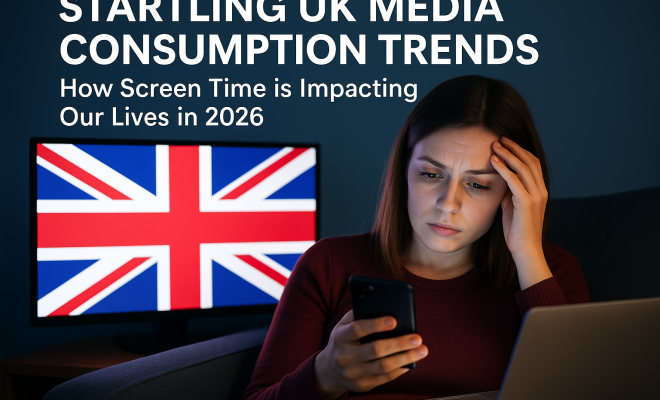
As we traverse deeper into 2026, it’s hard to ignore the significant shifts in UK media consumption trends. A recent report from YouGov, released on July 7, sheds light on alarming perceptions held by UK adults regarding the influence of social media and screen time on their wellbeing. The data reveals a profound concern among the populace, with many expressing that constant connectivity is detrimental to their mental health, sleep quality, productivity, and overall focus.
The Growing Concern: A Snapshot of Public Sentiment
The findings from the YouGov report are striking. A significant majority of adults in the UK believe that their engagement with social media platforms and their overall screen time has a negative impact on their mental wellbeing. Surveying the attitudes and beliefs surrounding digital consumption, the report underscores a collective desire for a healthier balance in media usage. But what exactly is fueling this widespread anxiety? We covered screen time quality insights in more detail.
One contributing factor is the increasing recognition of the link between screen time and mental health issues. As the statistics unfold, it becomes clear that many respondents are not just concerned about excessive social media use but are also worried about moderate consumption. This realization marks a shift in the conversation—suggesting that even a few hours of daily screen time can have repercussions. There’s a fuller look at social media in education.
Sharp Rise in Online Searches for Solutions
As the report indicates, there’s been a dramatic increase in Google searches for terms like “social media addiction” and “effects of screen time.” This spike in curiosity reflects a broader societal trend where individuals are actively seeking out solutions and strategies to mitigate the potential harms associated with excessive digital use. In many ways, the internet is becoming both a source of information and a platform for sharing personal experiences related to this pressing issue.
People are no longer just passive consumers of media—they’re becoming proactive in seeking knowledge. The emotionally charged nature of the topic makes it a viral sensation, with parents, young adults, and mental health advocates sharing findings and anecdotes to push for awareness. It’s a wake-up call for many, highlighting the urgent need to rethink how we engage with technology.
Link Between Screen Time and Declining Mental Health
Several statistics paint a troubling picture of the current climate. Reports show that young adults and teenagers, who are typically the most active social media users, are facing alarming rates of anxiety, depression, and sleep disturbances. The YouGov survey directly correlates these mental health challenges with increased screen time, suggesting that the very platforms designed to connect us may also be isolating us.
Moreover, it’s not just the heavy users who are feeling the effects. The data indicates that even moderate daily screen time can lead to reduced focus and productivity, challenging the long-held belief that only excessive use poses risks. This revelation has significant implications for workplaces and educational institutions, where attention and engagement are crucial.
What’s Behind the Shift in Perspective?
So, why this sudden shift among UK adults? Experts suggest that the pandemic played a significant role in re-evaluating our relationship with technology. With lockdowns forcing people to turn to screens for connection, work, and entertainment, many began to experience the downsides of prolonged digital exposure. The surge in mental health awareness—coupled with increased discourse surrounding the impact of social media—has led to a change in how people view their daily habits.
Moreover, the growing body of research highlighting the risks associated with social media usage—including cyberbullying, social comparison, and addiction—has further fueled these concerns. Adults are not only grappling with their own wellbeing but are also increasingly mindful of how their children engage with technology.
Expert Opinions on Digital Consumption
As the conversation around UK media consumption trends intensifies, mental health professionals have begun to weigh in on the issue. Many experts advocate for a more balanced approach to screen time. Dr. Sarah Johnson, a clinical psychologist, states, “We’re not saying to eliminate social media entirely, but rather to implement conscious usage habits. Setting boundaries and being mindful of our time online can make a huge difference in our mental health.”
Moreover, educational initiatives aimed at teaching children about responsible social media use are gaining traction. Schools and parents are more engaged than ever in discussing the potential risks associated with digital platforms, fostering a more aware generation. (See: Statistics on mental health issues.)
Social Media Platforms Responding to Concerns
As the concerns surrounding social media usage grow, platforms like Instagram and Facebook are taking steps to address the issue. Features aimed at reducing screen time, such as usage reminders and the option to mute notifications, are being implemented. These changes reflect a recognition of the responsibility social media companies have toward their users’ wellbeing.
However, many argue that these measures are merely band-aids on a more complex issue. Activists and mental health advocates are calling for greater accountability and transparency from these companies, emphasizing the need for systemic changes that prioritize user mental health above profit.
Finding a Balance: Setting Limits on Screen Time
The core question remains: how can individuals navigate these UK media consumption trends to promote better mental health? Here are several actionable strategies to consider:
- Establish Clear Boundaries: Decide on specific times for social media use and stick to them. This could mean no screens during meals or limiting time spent online before bed.
- Prioritize Offline Activities: Engage in hobbies that don’t involve screens, such as reading, exercising, or spending time with family and friends. This can help break the cycle of dependency on digital platforms.
- Digital Detox: Consider periodic breaks from social media altogether. Taking a few days or even a week away from screens can help reset your relationship with technology.
- Mindfulness Practices: Incorporating mindfulness techniques can enhance awareness of your screen time usage and its emotional impacts.
Implementing these strategies can aid individuals in managing their screen time and promoting a healthier balance between digital engagement and real-life interactions. For more on this, see impact on storytelling skills.
The Path Forward: Collective Awareness and Action
As the discussion surrounding the effects of social media intensifies, it is evident that collective awareness and action will play critical roles in addressing the growing concerns. Policymakers, mental health advocates, and tech companies must collaborate to create an environment that fosters healthier media consumption habits.
Ultimately, the YouGov report serves as a call to action for the UK. It challenges us not just to reconsider our relationship with technology, but also to advocate for changes that prioritize mental wellbeing in the digital age. The path forward involves not just individual responsibility but also a systemic shift in how media platforms operate.
Challenges and Opportunities in Media Consumption
In examining UK media consumption trends, it’s important to recognize the challenges and opportunities that arise from a changing digital landscape. One significant challenge is the prevalence of misinformation and how it affects public perception. Studies indicate that individuals who spend more time on social media are more susceptible to believing false information, which can lead to harmful behaviors and attitudes.
On the other hand, the rise of educational content on platforms like YouTube and TikTok presents a unique opportunity. Creators are using these platforms to share valuable insights about mental health, digital wellness, and healthy lifestyle choices. A 2023 survey found that 45% of UK adults have engaged with educational content on social media, reflecting a shift toward using these platforms for personal growth rather than just entertainment.
As media consumption trends evolve, it becomes crucial to encourage and support content that fosters positive engagement rather than fear or anxiety.
Statistics That Matter
Understanding the depth of the changes in UK media consumption requires examining relevant statistics. Recent studies have shown that:
- Over 60% of UK adults reported feeling an increase in anxiety when scrolling through social media feeds.
- 75% of teenagers claim they feel pressured to maintain a certain online presence, causing stress and affecting real-life relationships.
- According to research by the Office for National Statistics, 29% of adults aged 18-34 have considered taking a break from social media due to mental health concerns.
- 80% of users believe that social media contributes to feelings of inadequacy when comparing themselves to others.
- 45% of young adults report that they have modified their social media usage due to mental health effects.
These statistics highlight the urgent need for a cultural shift in how media is consumed, particularly among younger generations who are most vulnerable to these pressures.
Expert Perspectives on the Future of Media Consumption
Experts predict that the UK will see even more significant changes in media consumption in the coming years. Dr. Emma Roberts, a media studies researcher, notes, “The future of media consumption isn’t just about reducing screen time; it’s about enhancing the quality of the time spent online. We’re likely to see a rise in platforms that promote positive interactions and community building.” This perspective highlights a potential pivot in the industry that could focus on fostering healthier online environments. (See: CDC mental health resources.) We covered benefits and drawbacks of social media in more detail.
Moreover, organizations are beginning to advocate for media literacy programs that educate users on navigating the digital landscape responsibly. These programs aim to equip individuals with the tools they need to discern credible information and engage productively on social media.
Frequently Asked Questions (FAQ)
What are the most significant impacts of excessive screen time on mental health?
Excessive screen time has been linked to increased rates of anxiety, depression, and sleep issues. Individuals often report feeling isolated and disconnected despite being constantly online, which can exacerbate feelings of loneliness.
How can parents manage their children’s screen time effectively?
Establishing family media rules is essential. Parents can set specific times for screen use, promote tech-free family activities, and lead by example by also limiting their screen time.
Are there healthy alternatives to social media?
Absolutely! Engaging in outdoor activities, art, reading, and board games can provide fulfilling alternatives to social media. Joining clubs or community groups also fosters real-life connections.
What are some signs that someone may be struggling with social media addiction?
Signs of social media addiction may include neglect of responsibilities, withdrawal from social interactions, increased anxiety or irritability when not online, and using social media to escape from real-life problems.
How can businesses adapt to changing media consumption trends?
Businesses can adapt by focusing on creating authentic content that resonates with their audience. They should prioritize transparency and engagement over pushy marketing tactics to build trust and loyalty.
What role do influencers play in shaping media consumption trends?
Influencers have a significant impact on media consumption trends, especially among younger audiences. They can promote positive messages about mental health and responsible digital use, potentially leading to healthier online habits among their followers.
What is the role of government in regulating social media use?
The government can play a pivotal role in regulating social media, particularly concerning privacy and data protection laws. By implementing stricter regulations around advertising and promoting healthy online behaviors, they can help mitigate some of the negative impacts associated with excessive digital consumption.
Social Media and the Next Generation
As we look to the future, it’s crucial to consider how the next generation is interacting with media. Current trends indicate that younger users are becoming more aware of the impacts of social media on their mental health. Studies show that Gen Z is increasingly prioritizing mental wellness, often opting for platforms that promote positive engagement.
For instance, apps like BeReal emphasize authenticity over curated perfection, reflecting a desire for genuine connections. This shift could signal a broader change in media consumption practices, where users consciously seek out environments that support their mental health. The demand for such platforms may lead to a more significant market shift, incentivizing developers to create spaces that prioritize wellness. (See: WHO on mental health and screen time.)
The Importance of Digital Literacy
One of the most vital skills emerging from these trends is digital literacy. Understanding how to navigate the online world effectively is becoming essential for all age groups. This involves not only recognizing trustworthy sources but also being aware of one’s emotional responses to content. This builds on classroom social media strategies.
Institutions are beginning to implement digital literacy programs that include lessons on responsible consumption, identifying misinformation, and engaging positively online. This education is crucial to empowering users to make informed choices about their digital interactions. By fostering a culture of awareness, we can equip future generations with the tools they need to thrive in an increasingly digital world.
The Role of Community Support
Communities are stepping up to help individuals cope with the challenges of media consumption. Support groups, both online and offline, provide safe spaces for sharing experiences and strategies for managing screen time. Local organizations often host workshops that focus on digital wellness, encouraging open discussion about the impacts of social media.
Moreover, peer support can play a significant role in promoting healthier habits. Friends and family can hold each other accountable, discussing feelings related to social media use and helping one another set boundaries. By fostering supportive environments, communities can create a culture that values mental health and promotes balanced media consumption.
The Future of UK Media Consumption Trends
Looking ahead, the trajectory of UK media consumption trends will depend largely on how individuals, families, and society approach these changes. As awareness grows about the effects of social media, there’s potential for a cultural shift toward more responsible usage. The key will be balancing the benefits of connectivity with the necessity of mental wellbeing.
In this new landscape, users are likely to gravitate toward platforms that prioritize user health and provide tools for managing consumption. The evolution of social media will reflect these values, with a focus on enhancing positive experiences and fostering real-world connections. By making conscious choices now, we can pave the way for a healthier relationship with technology that empowers rather than diminishes our quality of life.
Conclusion: A New Era of Media Consumption
As 2026 unfolds, the UK media consumption trends illustrate a critical turning point in public perception of social media and screen time. With rising concerns about mental health and wellbeing, it is essential for everyone—from parents and educators to tech executives—to engage in an ongoing conversation about responsible media use. By taking meaningful steps to promote healthier habits, we can strive for a more balanced relationship with technology that enhances, rather than detracts from, our lives.
“`
Trending Now
Frequently Asked Questions
How is screen time affecting mental health in the UK?
The YouGov report highlights that many UK adults believe their screen time, particularly on social media, negatively impacts their mental health. Concerns include diminished wellbeing, sleep quality, and productivity, indicating a growing awareness of the mental health implications associated with excessive digital consumption.
What are the current UK media consumption trends?
In 2026, UK media consumption trends show a notable increase in screen time and social media engagement, with many adults expressing concern about its detrimental effects on their mental health. This includes worries about both excessive and moderate usage, suggesting a need for healthier media consumption habits.
Are people searching for solutions to screen time issues?
Yes, the YouGov report reveals a significant rise in Google searches for terms like 'social media addiction' and 'effects of screen time.' This trend indicates that individuals are actively looking for solutions to mitigate the potential harms of excessive digital use. This builds on navigating classroom screen use.
What impact does social media have on productivity?
Many UK adults report that social media usage detracts from their productivity. The YouGov findings suggest that constant connectivity can lead to decreased focus and efficiency, prompting a desire among individuals for a healthier balance in their media consumption.
Is there a desire for healthier media usage among UK adults?
The YouGov report illustrates a strong collective desire among UK adults for a healthier balance in media usage. As awareness of the negative impacts of screen time grows, many individuals are seeking ways to limit their digital consumption and improve their overall wellbeing.
Have you experienced this yourself? We'd love to hear your story in the comments.