Boost Your EI: Conflict Resolution for Emotional Growth
“`html
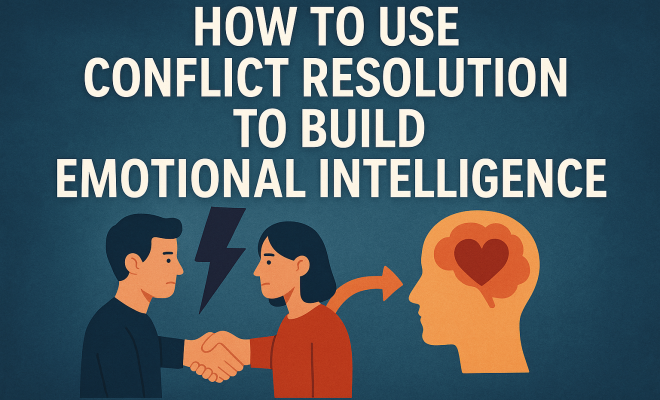
Emotional intelligence is a crucial skill that influences how we interact, communicate, and resolve disputes in our daily lives. One of the most effective ways to enhance your emotional intelligence is through conflict resolution techniques. This article will explore how conflict resolution can be a pathway to developing greater emotional intelligence, providing you with practical insights and actionable strategies.
1. Understanding Emotional Intelligence: The Foundation of Effective Interaction
Before diving into conflict resolution, it’s essential to grasp what emotional intelligence (EI) entails. Emotional intelligence refers to the ability to recognize, understand, and manage our own emotions and those of others. According to psychologist Daniel Goleman, who popularized the concept, EI comprises five key components: self-awareness, self-regulation, motivation, empathy, and social skills.
Individuals with high emotional intelligence are adept at navigating social complexities, making them more effective communicators and leaders. They can empathize with others, which helps them resolve conflicts more amicably. By understanding the core elements of emotional intelligence, we can better appreciate how conflict resolution fosters these skills.
2. The Role of Conflict in Personal Growth
Conflict is often viewed negatively, but it’s an inherent part of human interaction. Instead of shying away from conflict, embracing it can lead to personal growth. When conflicts arise, they force us to confront our emotions, beliefs, and communication styles. This confrontation can be uncomfortable, but it’s here that we learn the most about ourselves and others.
Each conflict presents an opportunity for self-reflection. By analyzing how you react during disputes, you can identify patterns in your emotional responses. This self-awareness is a critical component of emotional intelligence. For instance, consider how you typically respond when criticized. Do you become defensive, or do you engage in open dialogue? Your reaction can reveal much about your emotional management skills.
3. Practicing Active Listening: A Key Element of Conflict Resolution
One of the cornerstones of conflict resolution is active listening. This practice involves fully concentrating on what the other person is saying rather than merely waiting for your turn to speak. Active listening not only helps in resolving conflicts but also enhances emotional intelligence.
When you listen actively, you validate the other person’s feelings, which fosters empathy, a vital element of emotional intelligence. Techniques for active listening include maintaining eye contact, nodding, and summarizing what the other person has said to ensure understanding. By demonstrating that you value their perspective, you’re more likely to find common ground and resolve the conflict constructively.
4. Managing Emotions During Conflict: The Self-Regulation Component
Conflict situations can trigger strong emotional reactions. The ability to manage these emotions is a crucial aspect of emotional intelligence known as self-regulation. Learning to keep your emotions in check during heated discussions can be challenging, but it’s essential for effective conflict resolution.
To improve self-regulation, practice techniques such as deep breathing or taking a brief time-out before responding during a conflict. This allows you to process your emotions and respond thoughtfully rather than reactively. For example, if you feel anger rising during a disagreement, pause and take a few deep breaths. This moment of reflection will help you articulate your thoughts more clearly and maintain a constructive tone.
5. Empathy in Conflict Resolution: Building Bridges, Not Barriers
Empathy is one of the five pillars of emotional intelligence, and it plays a pivotal role in resolving conflicts. By putting yourself in the other person’s shoes, you can better understand their emotions and viewpoints, which helps to de-escalate tense situations. Empathy fosters a collaborative atmosphere where both parties feel heard and respected.
To cultivate empathy during conflicts, practice asking open-ended questions and reflecting on the other person’s feelings. For instance, instead of saying, “I don’t understand why you feel that way,” try asking, “Can you help me understand how you arrived at that feeling?” This shift reflects your willingness to engage and understand their perspective, laying the groundwork for a more effective resolution. (See: Emotional intelligence and conflict resolution.)
6. Developing Problem-Solving Skills: A Pathway to Resolution
Conflict resolution is, at its core, a problem-solving process. Developing strong problem-solving skills can enhance both your ability to resolve conflicts and your emotional intelligence. These skills involve analyzing the situation, brainstorming solutions, and weighing the potential outcomes based on those solutions.
When approaching a conflict, consider employing a systematic method for problem-solving. Start by identifying the root cause of the conflict. Is it a misunderstanding, differing values, or something else? Once you’ve pinpointed the issue, collaborate with the other party to generate a list of possible solutions. This collaborative approach encourages open communication and respect, both of which are vital for emotional intelligence.
7. The Importance of Communication Styles: Finding Your Voice
Effective communication is the backbone of conflict resolution and is deeply intertwined with emotional intelligence. Understanding and refining your communication style can drastically improve your ability to navigate disputes. People often employ different styles when dealing with conflicts, such as assertive, passive, aggressive, or passive-aggressive communication.
To enhance your emotional intelligence, strive to adopt an assertive communication style. This approach allows you to express your thoughts and feelings openly while respecting the rights and opinions of others. For example, instead of saying, “You always interrupt me!” try expressing it as, “I feel frustrated when I’m interrupted because I want to share my perspective too.” This shift promotes a more constructive dialogue and reduces defensiveness.
8. Feedback and Reflection: Tools for Continuous Improvement
After a conflict resolution process, reflecting on the experience can be invaluable for personal and emotional growth. Take time to assess what went well and what could be improved. Did you manage your emotions effectively? Were you able to listen actively? This reflection can provide insights into your emotional intelligence and help you identify areas for development.
Moreover, seeking feedback from others can enhance your understanding of your emotional impact on those around you. Constructive feedback allows you to see situations from a different perspective and refine your approach to conflict resolution. Approach this feedback with an open mind — it’s a powerful tool for growth.
9. The Relevance of Conflict Resolution Emotional Intelligence in Today’s World
In an increasingly polarized society, the ability to resolve conflicts with emotional intelligence has never been more relevant. Whether in workplaces, schools, or personal relationships, understanding how to navigate disagreements empathetically and effectively is crucial for maintaining healthy connections.
Organizations now prioritize emotional intelligence in hiring and training, recognizing its importance in fostering collaborative environments. By embracing conflict resolution as a means to build emotional intelligence, individuals can enhance their professional and personal relationships, ultimately leading to a more empathetic and understanding society.
10. Case Studies in Conflict Resolution: Learning from Real-Life Examples
Examining real-life examples of conflict resolution can provide valuable insights into how emotional intelligence plays a role in de-escalating disputes. One notable example is the negotiation process between labor unions and management in various industries.
In 2019, workers at a major automotive company went on strike due to disputes over wages and working conditions. The management team employed emotional intelligence techniques by actively listening to the union representatives’ concerns. Instead of approaching the situation with a defensive mindset, they acknowledged the emotional and practical implications of the workers’ demands. This empathetic approach not only helped in achieving a resolution but also strengthened trust between the workers and management, showcasing the power of emotional intelligence in conflict resolution.
Another example can be drawn from the realm of international relations. During the Cuban Missile Crisis in 1962, President John F. Kennedy demonstrated emotional intelligence by recognizing the fear and anxiety of the American public while also empathizing with the Soviet leadership. By understanding the emotions on both sides, he was able to communicate effectively and ultimately negotiate a peaceful resolution to the crisis. This historical instance highlights the significance of emotional intelligence in high-stakes conflict resolution scenarios.
11. Statistics on Conflict Resolution and Emotional Intelligence
Studies reveal that emotional intelligence significantly impacts conflict resolution capabilities. According to a report from TalentSmart, 90% of top performers possess high emotional intelligence, which directly correlates with their ability to handle conflict effectively. Furthermore, organizations with emotionally intelligent leaders report a 20% increase in employee satisfaction and a 30% reduction in conflict-related turnover. (See: Mental health and emotional intelligence.)
Moreover, research published in the International Journal of Conflict Management indicates that teams with high emotional intelligence are 30% more effective in resolving conflicts than those with lower emotional intelligence levels. These statistics underscore the importance of integrating emotional intelligence training into conflict resolution strategies, both in personal and professional contexts.
12. Common Conflicts and Strategies for Resolution
Understanding the types of conflicts we encounter can help in developing targeted strategies for resolution. Here are a few common conflicts and effective emotional intelligence-driven strategies to manage them:
Interpersonal Conflicts
Interpersonal conflicts often arise from misunderstandings or differing perspectives. To resolve these, practice active listening and empathy. By acknowledging the other person’s viewpoint, you can foster a more harmonious dialogue. For instance, in a disagreement between colleagues, instead of focusing solely on your stance, try to understand their concerns and find a middle ground.
Family Conflicts
Family disputes can be emotionally charged. Utilizing self-regulation strategies is crucial here. When tensions rise, take a step back to breathe and gather your thoughts before responding. This can prevent escalation and promote respectful communication. For example, during a heated family discussion about finances, maintain calmness by focusing on solutions rather than personal grievances.
Workplace Conflicts
Conflicts in the workplace can stem from competition, differing goals, or communication breakdowns. Implementing structured problem-solving approaches, such as collaborative brainstorming sessions, can help team members feel valued and heard. This not only boosts morale but also reinforces a sense of teamwork. As an example, when project deadlines clash, encouraging team members to share their perspectives can lead to innovative solutions and stronger collaboration.
13. FAQ on Conflict Resolution and Emotional Intelligence
What is emotional intelligence in the context of conflict resolution?
Emotional intelligence in conflict resolution refers to the ability to recognize and manage one’s emotions and the emotions of others during disputes. It includes skills such as empathy, self-regulation, and active listening, all of which contribute to more effective conflict resolution.
How can I improve my emotional intelligence for better conflict resolution?
Improving emotional intelligence for conflict resolution can be achieved through practices such as mindfulness, active listening, and seeking feedback. Engaging in role-playing scenarios can also help you develop your skills in a low-stakes environment.
What role does empathy play in conflict resolution?
Empathy allows individuals to connect with others emotionally, fostering understanding and reducing hostility. It helps in de-escalating conflicts and finding mutually beneficial solutions, as it encourages parties to consider each other’s feelings and perspectives.
Can emotional intelligence be learned?
Yes, emotional intelligence can be developed over time through practice and dedication. Training programs, workshops, and self-reflection can enhance your emotional intelligence skills, enabling you to navigate conflicts more effectively.
Why is self-regulation important in conflict resolution?
Self-regulation is vital because it enables you to manage your emotional responses during conflicts. By controlling your emotions, you can respond thoughtfully rather than reactively, which contributes to a more constructive resolution process.
14. Additional Techniques for Enhancing Emotional Intelligence in Conflict Situations
Beyond the strategies discussed earlier, there are several other techniques you can employ to enhance your emotional intelligence in conflict situations. These techniques not only help you navigate conflicts more effectively but also foster a deeper understanding of emotional dynamics.
Journaling Your Emotions
Keeping a journal can be a powerful method for developing emotional intelligence. Write about your daily interactions, focusing on any conflicts that arise and your emotional responses to them. Journaling can help you identify triggers, patterns, and areas for improvement. Over time, you may notice how your responses evolve as you become more self-aware.
Mindfulness Practices
Mindfulness meditation helps you stay present and aware of your thoughts and emotions without judgment. Regular mindfulness practice can improve your emotional regulation skills, allowing you to approach conflicts with a calmer, more balanced mindset. Techniques like mindful breathing can be particularly useful in moments of tension, helping you to pause and reflect before reacting.
Role-Playing Scenarios
Engaging in role-playing exercises can provide a safe environment to practice conflict resolution. Through role-playing, you can experiment with different responses and communication styles, receiving feedback from peers or mentors. This experiential learning can boost your confidence in handling real-life conflicts and enhance your emotional intelligence.
15. The Long-Term Benefits of Conflict Resolution Emotional Intelligence
Investing in your emotional intelligence through conflict resolution techniques pays off in numerous ways over the long term. Individuals with strong emotional intelligence tend to experience improved relationships, both personally and professionally. They are more likely to build trust, foster collaboration, and create a positive environment wherever they go.
In the workplace, emotionally intelligent individuals often emerge as leaders. They are able to inspire and motivate teams, navigate challenges gracefully, and adapt to changing circumstances. Additionally, organizations that emphasize emotional intelligence in their culture often see enhanced employee retention and engagement, as a supportive environment leads to a sense of belonging and satisfaction among team members.
On a personal level, enhancing your emotional intelligence through conflict resolution can lead to healthier relationships. You’ll find that you’re better equipped to manage disagreements with loved ones, resulting in stronger, more resilient bonds. As a result, your social support network becomes more robust, contributing to overall well-being and happiness.
In summary, conflict resolution is not just a skill for navigating disagreements; it’s a pathway to developing greater emotional intelligence. By embracing conflict and employing effective resolution techniques, individuals can improve their self-awareness, self-regulation, empathy, and communication skills. As you implement these strategies in your daily life, you’ll find that conflicts become opportunities for growth, leading to more fulfilling relationships and a deeper understanding of yourself and others.
“`
Trending Now
- How Social Pragmatics Role Play Can Revolutionize Middle School Learning
- 7 Reasons Students with ADHD Struggle…
- this guide on understanding pragmatics challenges in english language learners: key insights for teachers
- 7 Essential Strategies to Foster Pragmatic Language Development in Preschoolers
- Unlocking Language: The Intricate Dance of Pragmatics, Semantics, and Syntax
Frequently Asked Questions
What is emotional intelligence and why is it important?
Emotional intelligence (EI) is the ability to recognize, understand, and manage our own emotions and those of others. It is important because it enhances communication, strengthens relationships, and improves conflict resolution skills, making individuals more effective leaders and collaborators.
How can conflict resolution improve emotional intelligence?
Conflict resolution can enhance emotional intelligence by providing opportunities for self-reflection and understanding emotions during disputes. Engaging in conflict helps individuals recognize their emotional responses and develop skills like empathy and self-regulation, which are crucial components of EI.
What are the key components of emotional intelligence?
The five key components of emotional intelligence are self-awareness, self-regulation, motivation, empathy, and social skills. These elements work together to help individuals navigate social complexities and improve their interactions with others.
Why is conflict considered a part of personal growth?
Conflict is viewed as a part of personal growth because it challenges individuals to confront their emotions, beliefs, and communication styles. Embracing conflict allows for self-discovery and the opportunity to learn from one’s reactions, ultimately fostering emotional intelligence.
What strategies can help in resolving conflicts effectively?
Effective conflict resolution strategies include active listening, maintaining a calm demeanor, focusing on the issue rather than personal attacks, and seeking common ground. These approaches not only resolve disputes but also enhance emotional intelligence by fostering better understanding and empathy.
What’s your take on this? Share your thoughts in the comments below — we read every one.