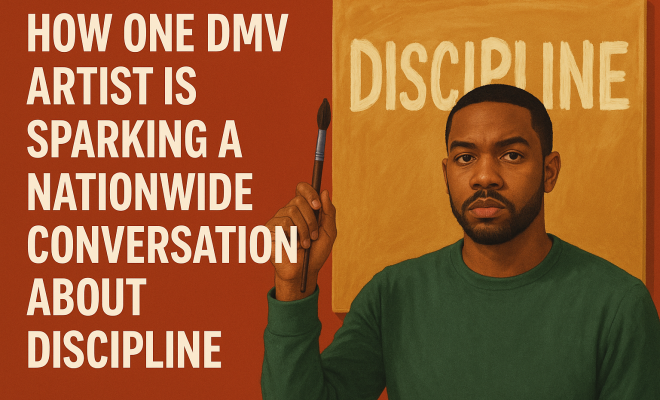
Lex Marie: DMV Artist Sparks National Discipline Debate
Turning Belts into Art: Lex Marie’s Creative Journey
In the rich tapestry of cultural conversations, few topics resonate as deeply as discipline within families, especially in Black households. Enter Lex Marie, a DMV artist who has captured the attention of social media users with her striking artistic representation of this complex issue. By transforming belts—an artifact often associated with discipline—into powerful pieces of art, she invites discourse not just about physical punishment, but about the broader implications of discipline in parenting, identity, and generational trauma.
The Viral Impact of Lex Marie on Social Media
Lex Marie’s work has taken off on platforms like TikTok and Instagram, where viral content can spread like wildfire. Her art has sparked discussion far beyond the confines of traditional galleries, illustrating how contemporary artists are using social media to amplify their voices. Videos showcasing her work feature candid commentary, confessional storytelling, and emotional connections that resonate with audiences. This approach not only drives engagement but also encourages a communal dialogue about shared experiences.
Art as a Reflection of Identity
Marie’s art does more than provoke thought—it reflects her identity and experiences as a Black woman navigating her own relationship with discipline. Each belt serves as a symbol of her childhood, evoking memories of lessons learned, struggles endured, and the cultural nuances that shape parenting styles. By using her art to explore these themes, Marie taps into a collective memory that invites viewers to reflect on their own upbringings.
The Emotional Nature of Discipline Conversations
Discussions about discipline, especially within Black communities, can be fraught with emotion. Many individuals carry the weight of generational trauma, impacting how they perceive discipline in their own families. Lex Marie’s work resonates because it offers a platform for people to share personal stories and experiences. As individuals engage with her art, they often find themselves reflecting on their own childhoods and the ways in which discipline has impacted their lives.
Generational Trauma and Its Effects
The concept of generational trauma is crucial in understanding the emotional responses elicited by Marie’s work. Many people in Black communities have faced systemic challenges, and the methods of discipline employed in their families often reflect a desire to instill strength and resilience. However, these methods can also perpetuate cycles of pain and misunderstanding. Lex Marie’s art invites viewers to confront this duality, sparking conversations that bridge personal and collective experiences.
Short-Form Video Platforms as Amplifiers
In a world dominated by short-form video content, the nature of engagement has shifted dramatically. Platforms like TikTok allow artists to present their work in a digestible format, creating opportunities for viewers to react and share instantly. Lex Marie’s videos provide a glimpse into her creative process, alongside personal narratives that enrich the viewing experience. This blending of art and storytelling fosters a community where dialogue flows freely, and opinions can be expressed openly.
Controversy Fuels Engagement
One of the key ingredients to the success of Lex Marie’s viral content is the element of controversy. Discussions surrounding discipline can elicit strong opinions, and Marie’s work challenges viewers to think critically about their own beliefs and practices. This willingness to provoke thought has generated a wealth of shares, likes, and comments, further expanding the reach of her message. As people grapple with their views on discipline, they are more likely to engage with content that reflects their values while also challenging them to reconsider.
Creating Safe Spaces for Discussion
Through her art, Lex Marie has cultivated a safe space for people to open up about their experiences with discipline. This environment encourages honest conversations that can lead to healing and understanding. When viewers share their stories, they contribute to a larger narrative that highlights the importance of communication within families. Marie’s initiative goes beyond just art; it sparks meaningful interactions that can change relationships and foster empathy.
Lessons Learned from the DMV Artist Discipline Movement
The DMV artist discipline movement, embodied by Lex Marie, teaches us that art can be a powerful tool for social change. By addressing challenging topics like discipline, she encourages collective reflection and conversation. The lessons drawn from her work remind us that discipline can be approached with an awareness of its emotional and cultural implications, offering a chance for healing rather than perpetuating pain.
A Call to Action: Engaging with the Art and the Conversation
As Lex Marie continues to push boundaries with her art, there’s an opportunity for all of us to engage with these vital conversations surrounding discipline. Whether through sharing personal stories, supporting artists who address difficult subjects, or simply reflecting on our own upbringing, everyone can play a part in this ongoing dialogue. The more we talk about these issues, the more we can break down stigmas and foster understanding across generations. (See: NIH on discipline and child development.)
Understanding the DMV Artist Discipline: A Deeper Dive
Understanding the nuances of the DMV artist discipline requires exploring the intersection of art, culture, and personal narrative. Lex Marie, through her artistic expression, does not just address the notion of discipline but also challenges the societal norms that dictate it. In a region celebrated for its artistic diversity, her work acts as a catalyst for broader conversations about self-expression, tradition, and transformation.
The DMV area is known for its eclectic mix of cultural influences, and Lex Marie’s art draws from this vibrancy. The use of belts in her work is particularly symbolic; they represent not only discipline but also the role of material culture in shaping identity. Artifacts we use daily are often imbued with stories that reflect our histories, thus becoming powerful tools for dialogue and reflection.
The Role of Community in Artistic Expression
Community plays a crucial role in the work of artists like Lex Marie. Her success is not just a personal triumph but also a reflection of the collective spirit of the DMV. Local artists often find strength in collaboration, sharing ideas and experiences that shape their work. This interconnectedness fosters a sense of belonging and creates a supportive environment that empowers individuals to explore and express challenging topics.
Many emerging artists in the DMV are inspired by Lex Marie’s approach, using their platforms to talk about issues connected to identity, discipline, and trauma. This wave of artists is creating a rich dialogue within the community, pushing boundaries and encouraging others to share their stories. The art scene in the DMV thus becomes a multifaceted conversation that not only reflects the experiences of its creators but also resonates with the audience.
The Impact of Lex Marie’s Art on Mental Health Awareness
Another important aspect of Lex Marie’s work is its connection to mental health awareness. By openly discussing the complexities of discipline and its relationship with trauma, she encourages viewers to confront their feelings and experiences. Art has long been recognized as a therapeutic outlet, and Marie’s work contributes to this narrative by providing a space where healing can occur through conversation and reflection.
According to a study conducted by the National Endowment for the Arts, engagement with art can lead to improved mental health outcomes. The findings suggest that individuals who participate in artistic activities report lower levels of anxiety and depression. In this context, Lex Marie’s art serves as a reminder that conversations about difficult topics can foster connections and support networks that are essential for mental well-being.
Exploring the Historical Context of Discipline in Black Families
To fully grasp the weight of discipline in Black families, it’s essential to explore the historical context. The legacy of slavery has left deep scars, and the ways in which Black families approach discipline often reflect a desire to instill resilience in a world that has historically marginalized them. This cultural backdrop informs the methods of discipline employed across generations, blending traditional values with contemporary challenges.
Lex Marie’s work invites viewers to consider how historical narratives shape current practices. By examining the roots of discipline within the Black community, her art encourages a dialogue that acknowledges the past while also looking towards the future. This exploration is vital for understanding the complexities of identity and the ongoing impact of systemic issues on family dynamics.
Statistics on Discipline and its Impact on Youth
Statistics highlight the pressing nature of conversations about discipline. According to the American Psychological Association, children who experience harsh discipline are at an increased risk for developing behavioral problems and mental health issues. These statistics underscore the importance of addressing not just the act of discipline but also its broader implications for youth development.
In a survey conducted by the Pew Research Center, over 60% of parents expressed concern about how they discipline their children, indicating a growing awareness of its potential impact. This awareness aligns with the themes present in Lex Marie’s work, as she encourages viewers to rethink their approaches to discipline—fostering a dialogue that prioritizes emotional and psychological well-being.
Common Misconceptions about Discipline in the Black Community
There are several misconceptions surrounding discipline within the Black community that Lex Marie’s art seeks to challenge. One common myth is that all Black families employ harsh discipline methods. While some families may use strict approaches, many others emphasize communication, understanding, and love in their parenting styles. By highlighting these diverse experiences, Lex Marie helps to dismantle stereotypes and broaden the conversation about discipline. (See: BBC article on discipline in families.)
Another misconception is that conversations about discipline should be avoided due to fear of judgment. Lex Marie’s work creates a platform for open dialogue, allowing individuals to share their experiences without fear. This openness is crucial for fostering understanding and promoting healthier approaches to parenting across all communities.
Frequently Asked Questions (FAQ)
What inspired Lex Marie to use belts in her artwork?
Lex Marie chose belts as a symbol to reflect on the complexities of discipline in her upbringing. They serve as a powerful metaphor for the lessons learned and the cultural implications of discipline within Black families.
How has Lex Marie’s work impacted conversations around discipline?
Her work has sparked important conversations about discipline, generational trauma, and mental health. By engaging viewers emotionally, she encourages them to reflect on their own experiences and challenges societal norms related to parenting.
Can art really change perceptions of discipline?
Yes, art has the power to change perceptions by providing a space for dialogue and reflection. Lex Marie’s work encourages viewers to reconsider their approaches to discipline and fosters a community where open discussions can take place.
What is generational trauma and how does it relate to discipline?
Generational trauma refers to the psychological effects of trauma experienced by one generation that can impact subsequent generations. In the context of discipline, it emphasizes how historical and systemic issues influence family dynamics and parenting styles.
How can I engage with Lex Marie’s art or similar works?
Engaging with Lex Marie’s art can be done through social media platforms, art exhibitions, discussions in community spaces, or by sharing personal narratives that align with the themes of her work. Participating in these conversations helps to foster understanding and connection.
The Future of Discipline Conversations in Art
As art continues to evolve, the exploration of difficult themes like discipline will remain an essential conversation starter. Artists like Lex Marie are paving the way for future generations to tackle societal issues head-on, utilizing art as a vehicle for change. The future will likely see more artists embracing the complexities of their backgrounds and experiences, creating work that resonates deeply with audiences.
New movements within the art world are emerging that prioritize vulnerable storytelling and community engagement. This shift toward intimacy in artistic expression challenges the notion that art must always be polished or removed from the realities of life. Lex Marie’s approach exemplifies how artists can leverage their platforms for social commentary while also nurturing empathy and understanding.
Expanding the Dialogue: Involving More Voices
One of the most promising aspects of Lex Marie’s work is how it opens the door for more voices to join the conversation. Artists, activists, educators, and community leaders are increasingly recognizing the value of collaborative efforts to address the multifaceted nature of discipline and its effects. By incorporating different perspectives, the dialogue surrounding discipline can become richer and more nuanced.
Workshops, panel discussions, and community art projects can be effective strategies for involving a wider array of voices. These initiatives may encourage participation from individuals of various backgrounds, allowing for a more comprehensive exploration of discipline’s impact on different communities. Engaging diverse voices can lead to innovative solutions and foster a greater sense of solidarity.
The Role of Education in Changing Perspectives on Discipline
Education plays a vital role in shifting perceptions about discipline. Schools and community organizations can introduce programs that focus on emotional intelligence, conflict resolution, and restorative practices. By integrating these concepts into educational curriculums, students can develop healthier understandings of discipline that promote empathy and communication.
Lex Marie’s work aligns perfectly with this initiative, as art can serve as a powerful entry point for discussions around these topics. Schools could utilize her art to spark conversations about discipline, mental health, and the importance of community support. By connecting art with educational practices, we can cultivate environments that prioritize understanding over punishment.
Statistics on Art’s Role in Community Engagement
Research indicates that community engagement through art can lead to positive outcomes. According to a report by Americans for the Arts, communities that prioritize public art see a 25% increase in community engagement and participation in local initiatives. This is significant, as it suggests that art can indeed lead to a deeper understanding of complex issues like discipline.
Furthermore, engaging with art has been shown to enhance social cohesion. A study published in the Journal of Community Psychology found that neighborhoods with active art programs had higher levels of trust and collaboration among residents. This directly ties into the conversations about discipline, as communities that feel connected are more likely to engage in supportive and constructive dialogues about parenting and discipline practices.
Conclusion: The Transformative Power of Art
In closing, Lex Marie’s innovative approach to the topic of discipline has not just made waves in the art world but has also created a lens through which we can examine our own lives and families. By drawing on personal and cultural narratives, she shifts the conversation away from mere punishment to a deeper understanding of what it means to discipline, grow, and ultimately heal as families and communities.
Ultimately, the work of artists like Lex Marie exemplifies how art can transcend traditional boundaries and become a powerful force for social change. As society continues to grapple with the complexities of discipline, art will play a pivotal role in shaping conversations, fostering empathy, and promoting healing.
Trending Now
Frequently Asked Questions
What is Lex Marie's artistic approach to discipline?
Lex Marie transforms belts, often associated with discipline, into powerful art pieces. Her work encourages discussions about the broader implications of discipline in parenting and identity, particularly within Black households.
How has Lex Marie's art gone viral on social media?
Lex Marie's art gained traction on platforms like TikTok and Instagram, where her videos blend candid commentary and emotional storytelling. This approach fosters communal dialogue about shared experiences related to discipline and upbringing.
What themes does Lex Marie explore in her artwork?
Lex Marie's artwork delves into themes of discipline, identity, and generational trauma. Each belt she uses symbolizes her childhood experiences and invites viewers to reflect on their own relationships with discipline.
Why are conversations about discipline emotional in Black communities?
Discussions about discipline can evoke strong emotions due to the weight of generational trauma. Many individuals reflect on their own upbringing and the cultural nuances that shape parenting styles, making these conversations deeply personal.
What impact does Lex Marie aim to achieve with her art?
Lex Marie aims to spark a nationwide conversation about discipline, using her art to challenge perceptions and encourage dialogue around parenting, identity, and the cultural implications of discipline in Black households.
What’s your take on this? Share your thoughts in the comments below — we read every one.