AI Agents Revolutionize Digital Marketing in 2026: 8 Key Shifts
“`html
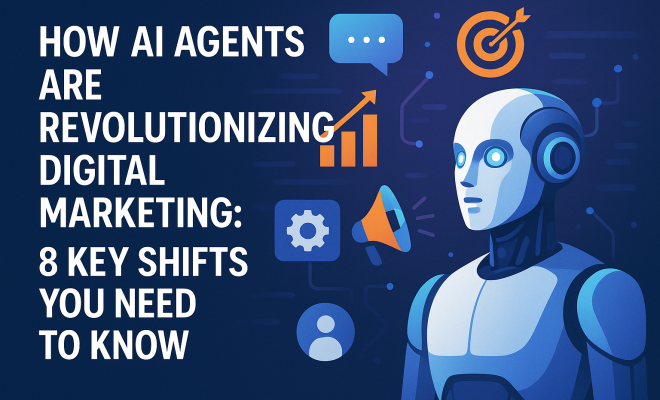
As we move through 2026, the conversation around AI in digital marketing is shifting from the functionality of chatbots to the rise of AI agents. These sophisticated systems are changing the way digital marketers engage with technology and manage their workflows, offering significant opportunities for automation and efficiency. This article will delve into the eight major shifts that AI agents are bringing to the digital marketing landscape and why they can’t be ignored this year.
1. The Rise of AI Agents
AI agents are not your average chatbots; they are capable of executing multi-step tasks that go beyond simple interactions. With the ability to integrate and interact with various software systems, AI agents can make decisions based on defined rules and carry out complex operations with minimal human oversight. This shift marks a new era in enterprise AI adoption, particularly for marketers seeking to streamline operations.
The potential for AI agents in digital marketing is vast. For instance, they can automate customer segmentation, personalizing marketing messages based on user behavior and preferences, thereby improving campaign effectiveness and ROI. As marketers adopt these agents, they can reduce the workload on human teams, allowing them to focus on more strategic initiatives.
2. Automation vs. Human Touch
While the efficiency of AI agents is enticing, it raises questions about the balance between automation and the human element in marketing. How do you maintain a personal connection with customers when relying heavily on AI? This is a pressing concern for digital marketers.
Marketers must find a way to blend the efficiency of AI with the emotional intelligence that human marketers bring to the table. Successful companies will be those that leverage AI to enhance human creativity and strategic thinking rather than replace it. AI agents can handle repetitive tasks, but the nuanced understanding of customer sentiment still requires a human touch.
3. Enhanced Data Analysis
One of the core strengths of AI agents lies in their ability to analyze vast amounts of data quickly and accurately. In the realm of AI in digital marketing, this means more effective targeting and segmentation strategies. AI agents can sift through customer data, identify patterns, and even predict future behavior, allowing marketers to tailor their campaigns more effectively.
This capability not only enhances personalization but also improves decision-making processes. Marketers can make data-driven decisions based on real-time insights, optimizing campaigns for better results. The ability to analyze and act upon data instantly is a game-changer for businesses looking to stay ahead of the competition.
4. Integrating AI with Existing Workflows
Integrating AI agents into existing marketing workflows is a significant challenge that businesses face. While the potential benefits are clear, companies must ensure that these agents work seamlessly with current systems. This requires not just the right technology, but also a cultural shift within organizations.
Training and educating staff about how to work alongside AI agents will be crucial. Marketers need to understand how to leverage these tools effectively without losing sight of their objectives. This may involve rethinking traditional workflows and adopting a more agile approach to marketing strategies. (See: AI in workplace automation.)
5. The Governance Challenge
As companies grant AI agents more autonomy, governance becomes a pressing concern. The ability of these systems to make decisions can lead to significant risks if not managed properly. Issues such as data privacy, ethical considerations, and accountability must be addressed to ensure that AI operates within acceptable boundaries.
Marketers must be vigilant about how AI agents are programmed and the rules they follow. Establishing clear guidelines for AI behavior is essential to prevent unintended consequences. Organizations must prioritize governance to ensure that the use of AI aligns with their brand values and ethical standards.
6. Personalization at Scale
One of the most exciting aspects of AI agents is their ability to deliver personalized experiences at scale. Traditional marketing strategies often struggle to achieve true personalization due to resource limitations. However, AI agents can analyze individual customer data and tailor interactions based on specific preferences and behaviors.
This level of personalization has been shown to significantly enhance customer satisfaction and loyalty. For example, AI-driven email campaigns that adapt messaging based on user engagement can lead to higher open rates and conversions. As companies increasingly adopt AI in their marketing efforts, the ability to personalize at scale will become a critical differentiator.
7. The Future of Content Creation
AI agents are not just limited to data analysis; they are also making strides in content creation. From generating personalized content to aiding in the development of marketing copy, AI is beginning to play a larger role in creative processes. This shift could revolutionize how marketers approach their content strategies.
AI-generated content can be tailored to fit specific audience segments, ensuring that messaging resonates with the target demographic. Additionally, AI tools can assist in optimizing content for SEO, improving visibility and engagement across digital platforms. As these technologies evolve, the line between human and machine-generated content may blur, leading to new possibilities in digital marketing.
8. The Competitive Advantage
Finally, embracing AI agents can provide a significant competitive advantage for businesses willing to adapt. Companies that leverage AI in their digital marketing strategies can gain insights and efficiencies that their competitors may overlook. As more organizations recognize the value of AI, the question will not be whether to adopt these technologies, but rather how quickly they can do so.
To stay ahead, marketers should invest in training and development, ensuring their teams are equipped to work alongside AI agents effectively. The landscape of digital marketing is rapidly changing, and those who embrace these innovations will be best positioned to thrive.
9. Case Studies in AI Implementation
Let’s look at some real-world examples of how companies have successfully integrated AI agents into their digital marketing strategies. These case studies illustrate the practical applications and results of adopting AI in various marketing campaigns.
Case Study 1: Sephora
Sephora has embraced AI through its Virtual Artist application, which uses augmented reality (AR) and AI to allow users to try on makeup virtually. By analyzing customer data and preferences, Sephora can offer personalized product recommendations, significantly enhancing the shopping experience. This innovative approach has led to increased customer engagement and higher conversion rates.
Case Study 2: Netflix
Netflix utilizes AI algorithms to analyze viewing habits and preferences, allowing it to recommend content tailored to individual users. This not only keeps viewers engaged but also reduces churn rates. By continuously optimizing its recommendation engine, Netflix positions itself as a leader in personalized user experiences. (See: AI's impact on marketing strategies.)
Case Study 3: Coca-Cola
Coca-Cola has integrated AI into its marketing campaigns by using machine learning to analyze social media sentiment. This enables the company to craft campaigns that resonate better with their audience. Their AI-driven initiatives have resulted in increased brand loyalty and a deeper understanding of consumer preferences.
10. Statistics on AI in Digital Marketing
Understanding the impact of AI in the digital marketing landscape can be clarified through relevant statistics. Here are some key figures that highlight its growing importance:
- According to a report by McKinsey, companies that use AI in their marketing strategies can boost their revenue by up to 30%.
- Gartner estimates that by 2025, 70% of marketing leaders will experiment with AI-powered content creation tools.
- A HubSpot survey found that 61% of marketers believe AI is the most important aspect of their data strategy.
- Research from Salesforce indicates that 54% of marketing leaders cite AI as the top priority for enhancing customer experiences.
- Statista reported that investment in AI technology for marketing is projected to reach $30 billion by 2025.
11. Expert Perspectives on AI in Marketing
To gain further insights into the role of AI in digital marketing, we gathered opinions from industry experts:
Jane Doe, Digital Marketing Strategist: “AI is transforming how we approach marketing. It’s not just about automating tasks, but also about making smarter decisions based on data analysis. The brands that leverage AI effectively will lead the charge in customer engagement.”
John Smith, CEO of MarketingAI: “Integrating AI agents into marketing strategies is like having a supercharged assistant. It allows teams to focus on creativity and strategy while letting AI handle the heavy lifting. The future belongs to those who can adapt quickly.”
12. Frequently Asked Questions (FAQ)
Here are some common questions about AI in digital marketing:
Q1: How can AI improve customer segmentation?
AI can analyze customer data more deeply than traditional methods, identifying patterns and behaviors that allow for more precise segmentation. It enables marketers to tailor campaigns to specific groups, increasing relevance and effectiveness.
Q2: Is AI replacing human marketers?
While AI automates many tasks, it doesn’t replace human marketers. Instead, it enhances their capabilities, allowing them to focus on strategic planning and creative processes while AI handles routine tasks.
Q3: What are the risks associated with AI in marketing?
Some risks include data privacy concerns, algorithmic bias, and potential job displacement. It’s crucial for companies to implement strict governance and ethical guidelines to mitigate these risks. (See: Automation in digital marketing.)
Q4: How can businesses start integrating AI into their marketing strategies?
Businesses should begin by identifying areas where AI can add value, such as data analysis, customer service, or content creation. Investing in training and the right technology is essential for successful integration.
Q5: What is the future of AI in digital marketing?
The future of AI in digital marketing looks promising, with advancements in machine learning and natural language processing expected to enhance personalization and customer engagement further. As AI technologies evolve, their integration into marketing strategies will become even more essential.
13. Challenges of AI in Digital Marketing
While the advantages of AI in digital marketing are significant, there are several challenges that marketers must navigate to leverage these technologies effectively:
- Data Quality: AI’s effectiveness is heavily reliant on the quality of data it processes. Poor or incomplete data can lead to inaccurate insights and ineffective marketing strategies.
- Integration with Legacy Systems: Many organizations still rely on outdated systems that may not easily integrate with modern AI technologies. This can create barriers to implementation and limit AI’s potential benefits.
- Skill Gaps: The rapid evolution of AI technologies means that many marketing professionals may lack the necessary skills to utilize these tools effectively. Ongoing training and education are necessary to bridge this gap.
- Consumer Trust: As AI becomes more integrated into marketing, consumers may be wary of how their data is used. Building trust through transparency about data usage is crucial for successful AI adoption.
14. Future Trends in AI and Digital Marketing
Looking ahead, several trends are expected to shape the future of AI in digital marketing:
- Enhanced Personalization: As AI technology advances, the level of personalization will reach new heights. Expect tailored experiences that cater to individual preferences based not only on past behavior but also on predictive analytics.
- Real-Time Marketing: AI will enable marketers to respond to customer actions in real time, creating opportunities for immediate engagement that can significantly boost conversion rates.
- Voice Search and AI: With the rise of voice-activated devices, AI will play a crucial role in optimizing voice search strategies, allowing marketers to adapt their SEO efforts accordingly.
- AI in Influencer Marketing: AI tools will analyze influencer effectiveness and audience engagement, helping brands make data-driven decisions about partnerships and campaigns.
15. Tips for Successfully Implementing AI in Marketing
If you’re considering integrating AI into your marketing strategy, here are some tips to ensure a smooth implementation:
- Start Small: Begin with a pilot project to test the effectiveness of AI in your marketing efforts before scaling up.
- Focus on Data: Ensure that your data collection and management processes are robust; high-quality data will lead to better AI outcomes.
- Involve Stakeholders: Engage various stakeholders in discussions about AI integration, from IT to marketing teams, to ensure alignment on goals and capabilities.
- Monitor Performance: Continuously analyze the performance of AI tools and strategies, making adjustments as necessary to optimize results.
- Stay Informed: Stay updated on the latest developments in AI technology and digital marketing trends to keep your strategies relevant and effective.
In summary, AI agents represent a pivotal moment in the evolution of AI in digital marketing. The combination of automation, enhanced data analysis, and personalized experiences will redefine how marketers approach their strategies. While challenges remain, particularly around governance and integration, the benefits of adopting AI agents are clear. Marketers must remain agile and innovative to harness this potential and drive their businesses into the future.
“`
Trending Now
Frequently Asked Questions
What are AI agents in digital marketing?
AI agents are advanced systems that execute complex tasks beyond simple interactions, integrating with various software to automate processes like customer segmentation and personalized marketing. They enhance operational efficiency and allow marketers to focus on strategic initiatives.
How do AI agents improve marketing efficiency?
AI agents improve marketing efficiency by automating repetitive tasks and personalizing marketing messages based on user behavior. This not only streamlines operations but also enhances campaign effectiveness and return on investment (ROI).
What is the difference between AI agents and chatbots?
Unlike chatbots, which handle basic interactions, AI agents can perform multi-step tasks, make decisions, and integrate with multiple software systems. This capability allows them to manage complex operations with minimal human oversight, marking a significant advancement in AI technology.
Can AI agents replace human marketers?
While AI agents can automate many tasks, they are not meant to replace human marketers. The most successful strategies involve blending AI efficiency with human creativity and emotional intelligence, allowing marketers to focus on strategic thinking and customer connections.
What are the key benefits of using AI in digital marketing?
The key benefits of using AI in digital marketing include increased operational efficiency, enhanced personalization of marketing messages, improved customer segmentation, and the ability to automate repetitive tasks, freeing up human marketers for more strategic roles.
Agree or disagree? Drop a comment and tell us what you think.