Tropical Depression Two: Gulf Coast Braces for Impact
“`html
Understanding Tropical Depression Two
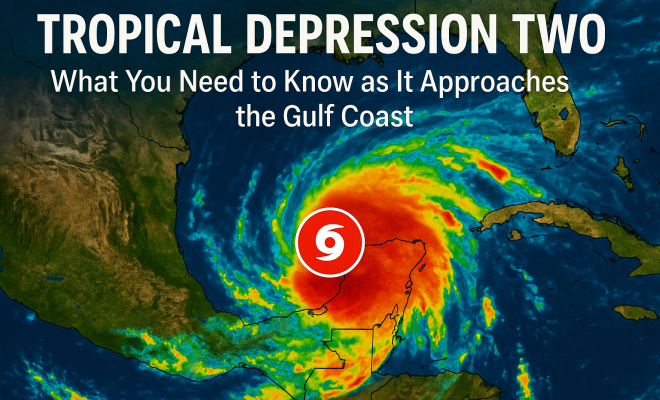
In the early hours of a July morning, Tropical Depression Two emerged in the northern Gulf of Mexico, stirring up concern among coastal residents and weather enthusiasts alike. Located approximately 155 miles south of Panama City, Florida, this weather system has quickly garnered attention due to its potential to escalate into a tropical storm—forecasted to become Tropical Storm Bertha within hours. With maximum sustained winds near 30 mph and higher gusts, the system is currently advancing north-northwest at a slow pace of 2 mph, prompting many to brace for its impact.
The Forecast: What Lies Ahead
The trajectory of Tropical Depression Two suggests a direct path toward the northern Gulf Coast, raising alarms for those in the area. Meteorologists predict that as the depression strengthens into Tropical Storm Bertha, the risks of flooding, property damage, and potential evacuation orders will increase significantly. While the immediate threat to the Suncoast region appears to be dwindling, the storm’s rain bands are set to swing inland, potentially inundating Florida’s west coast with heavy rain.
Residents, particularly those in low-lying areas or locations prone to flooding, should remain vigilant and prepare for possible severe weather conditions. The forecast models indicate a range of outcomes, but the consensus is clear: preparedness is key.
Historical Context: Tropical Depressions and Their Impact
Tropical depressions like Tropical Depression Two are not uncommon during the summer months. Historically, July has seen its fair share of similar systems. The Gulf of Mexico serves as a breeding ground for tropical storms due to its warm waters, which fuel storm development. In fact, the combination of warm ocean temperatures and favorable atmospheric conditions often leads to the rapid strengthening of these systems.
For instance, the 2020 Atlantic hurricane season recorded several tropical depressions that rapidly intensified. Knowing this history can help coastal residents develop a sense of urgency while preparing for the arrival of storms like Tropical Depression Two.
How to Prepare for Tropical Depression Two
Preparation is crucial when facing the threat of a tropical storm. Here are several actionable steps you can take to ensure you and your loved ones stay safe as Tropical Depression Two approaches:
- Stay Informed: Continuously monitor updates from the National Hurricane Center and local news outlets. Social media platforms also serve as valuable resources for real-time updates.
- Create an Emergency Kit: Ensure you have supplies on hand, including water, non-perishable food, flashlights, batteries, and first aid items.
- Develop a Communication Plan: Make sure your family knows how to reach each other and where to go in case of an emergency evacuation.
- Secure Your Property: Bring in outdoor furniture, secure windows, and check your roof for any vulnerabilities.
- Have an Evacuation Route Ready: Know the nearest evacuation routes and shelters, particularly if you reside in a flood-prone area.
Being proactive can significantly reduce the risks associated with tropical storms.
Potential Impacts on Coastal Communities
The impending arrival of Tropical Depression Two and its potential evolution into Tropical Storm Bertha poses various threats to coastal communities along the northern Gulf. For many residents, the immediate concerns revolve around flooding, property damage, and power outages. The storm’s slow movement could lead to prolonged rainfall, overwhelming drainage systems and leading to flash floods.
Additionally, businesses in coastal towns may face disruptions as tourists and locals alike heed evacuation orders or opt to stay indoors. Restaurants, hotels, and shops that typically thrive during the summer season could suffer significant losses, emphasizing the economic ramifications of such weather events. For more on this, see Florida Gulf Coast University insights.
The Social Media Buzz: Sharing Information and Concerns
The unfolding situation with Tropical Depression Two has triggered a wave of engagement on social media platforms. Residents are sharing updates, safety tips, and concerns, generating a robust dialogue surrounding the storm’s potential impact. Local news stations are leveraging social media to disseminate vital information quickly, ensuring that communities remain informed. (See: National Hurricane Center.)
This fervent activity underscores the modern role of social media in crisis management. As individuals share their preparations and experiences, a sense of community forms, which can be crucial for emotional support during unsettling times.
Expert Opinions: What Meteorologists Are Saying
As meteorologists observe Tropical Depression Two, they offer insights into its potential path and intensity. According to experts, the system’s slow movement is a double-edged sword; while it allows for continuous monitoring, it also means prolonged exposure to heavy rain for coastal regions.
Dr. John H. Smith, a meteorologist with the National Hurricane Center, notes that the early development of a tropical depression in July is indicative of a busy hurricane season ahead. He urges residents to take the situation seriously, stressing the need for preparedness. “We’ve seen in the past how quickly these systems can escalate. It’s crucial to stay ready and informed,” he advises.
Community Response: How Residents Are Reacting
The news of Tropical Depression Two has prompted various responses from local communities. In areas like Panama City and along Florida’s west coast, residents are sharing their preparations online, encouraging others to do the same. Local businesses are also chipping in by offering discounts on emergency supplies and hosting workshops on storm preparedness.
Moreover, community organizations are mobilizing to assist vulnerable populations—such as the elderly and those with disabilities—ensuring they have access to the resources needed to weather the storm.
The Science Behind Tropical Systems
Understanding the mechanics of tropical depressions and storms can empower residents to respond more effectively. Tropical systems derive their energy from warm ocean waters, and the Gulf of Mexico is particularly conducive to storm development during the summer.
The formation of Tropical Depression Two showcases key meteorological phenomena, including low-pressure areas and wind shear, which can influence a storm’s intensity. As the water temperature rises, these systems can quickly morph from a depression into a full-blown tropical storm or hurricane, underscoring the importance of real-time monitoring.
Looking Ahead: The Importance of Preparedness Beyond the Storm
The threat posed by Tropical Depression Two emphasizes the need for ongoing preparedness long after the storm passes. Coastal communities should engage in year-round planning for natural disasters, considering strategies for rebuilding and recovery. Understanding local vulnerabilities and creating contingency plans can set the groundwork for resilience in the face of future storms.
As climate change continues to influence weather patterns, particularly in tropical regions, the frequency and intensity of storms may increase. Therefore, comprehensive disaster preparedness cannot be overemphasized.
Understanding the Lifecycle of Tropical Storms
Tropical storms undergo several phases before they can be classified as hurricanes. Starting from a tropical disturbance, these systems can develop into tropical depressions and then tropical storms. The transition from tropical depression to tropical storm occurs when sustained winds reach 39 mph. This lifecycle is crucial to understand as it highlights the need for awareness and preparedness at all stages.
In addition to wind speed, factors such as atmospheric moisture, sea surface temperature, and prevailing wind patterns contribute to a storm’s development. For example, the conditions in the Gulf of Mexico during July are often ripe for storm formation due to high sea surface temperatures, which can exceed 80 degrees Fahrenheit. This warm water acts as fuel, enabling storms to gain strength rapidly. (See: CDC Hurricane Preparedness.)
Tropical Depression Two: Key Statistics
To better understand the magnitude of Tropical Depression Two, here are some key statistics:
- Formation Date: July 1, 2023
- Initial Wind Speed: 30 mph
- Current Movement: North-Northwest at 2 mph
- Projected Landfall: July 3, 2023
- Projected Rainfall Totals: Up to 6 inches in some areas, leading to flash flood warnings.
- Satellite Observations: The system is currently being monitored by NOAA satellites, which track its movement and detect any changes in structure.
- Storm Surge Potential: Areas near the Gulf Coast could see a storm surge of 1 to 3 feet, further exacerbating flooding risks.
These statistics provide insight into the potential impact of the depression and highlight the importance of timely information dissemination.
Economic Consequences of Tropical Storms
The economic fallout from tropical storms can be devastating, particularly for coastal communities that rely on tourism. Local businesses, such as restaurants and hotels, may face significant losses during and after storm events. For example, during Hurricane Harvey in 2017, Texas saw approximately $125 billion in damages, much of which stemmed from business interruptions and property loss.
In the case of Tropical Depression Two, businesses that operate along the Gulf Coast may prepare for decreased foot traffic as weather conditions deteriorate. Many businesses may also face increased costs for storm preparation and potential damages, which can stretch their financial resources.
Insurance claims can inundate local agencies, leading to delays in recovery efforts. Understanding the economic implications can help communities prioritize resources and implement strategies for resilience in the face of such storms.
Post-Storm Recovery: What to Expect
Once Tropical Depression Two passes, the recovery phase will commence. This period often entails restoring power, cleaning up debris, and assessing damage. Communities must come together to support one another, as recovery can take weeks or even months. Recovery plans typically include not only physical rebuilding but also addressing the emotional needs of residents affected by the storm.
Emergency services may set up temporary shelters for displaced families, while local governments initiate damage assessments to determine the extent of repairs needed. Community organizations frequently play a pivotal role during this time, providing food, shelter, and counseling services to those affected.
It’s also vital for communities to engage in post-storm evaluations, analyzing what worked and what could improve for future disaster responses. This reflection can lead to better preparedness for future storms.
Frequently Asked Questions About Tropical Depression Two
What exactly is a tropical depression?
A tropical depression is a weather system characterized by organized convection and a defined circulation with maximum sustained winds below 39 mph. It is the first classification before a storm strengthens into a tropical storm. (See: National Weather Service.)
How can I track Tropical Depression Two?
You can track Tropical Depression Two through several trusted sources, including the National Hurricane Center’s website, local weather stations, and various weather apps that provide real-time updates and alerts.
What should I do if evacuation orders are issued?
If evacuation orders are issued, it’s crucial to adhere to them promptly. Prepare your emergency kit, secure your home, and follow designated evacuation routes to ensure your safety and that of your family.
How often are forecasts updated?
Forecasts for tropical depressions and storms are typically updated every few hours, especially as the storm approaches land. Keeping an eye on these updates can provide critical information for safety planning. Related reading: reasons to choose Gulf Coast Community College.
What are the signs that a tropical depression is strengthening?
Signs that a tropical depression is strengthening include increasing wind speeds, organized cloud patterns, and the development of thunderstorms near the center of circulation. Additionally, a drop in atmospheric pressure often indicates intensification.
What should I include in my emergency kit?
Your emergency kit should include essentials such as:
- Three days’ worth of non-perishable food and water (one gallon per person per day)
- Flashlights and extra batteries
- First aid kit
- Whistle to signal for help
- Moist towelettes, garbage bags, and plastic ties for personal sanitation
- Manual can opener for food, if kit contains canned goods
- Local maps
- Prescription medications and glasses
- Cash and important documents (in a waterproof container)
How can I help my community during the storm?
Community support can be invaluable during such events. You can help by volunteering with local organizations that provide disaster relief. Additionally, sharing resources and information on social media can keep others informed and safe. If you are able, consider donating to local charities that assist in recovery efforts.
Final Thoughts: Staying Safe and Informed
As we track the development of Tropical Depression Two, it’s vital to stay educated and prepared. Whether you’re a long-time resident or a newcomer to Florida’s Gulf Coast, understanding the risks and knowing how to respond can make all the difference when severe weather strikes. Keep an eye on local forecasts, heed evacuation orders, and share vital information with friends and family. Together, communities can weather the storm and emerge stronger.
“`
Trending Now
Frequently Asked Questions
What is Tropical Depression Two and where is it located?
Tropical Depression Two is a weather system located approximately 155 miles south of Panama City, Florida, in the northern Gulf of Mexico. It has maximum sustained winds near 30 mph and is moving north-northwest at 2 mph, with the potential to strengthen into Tropical Storm Bertha.
What are the potential impacts of Tropical Depression Two?
As Tropical Depression Two approaches the Gulf Coast, it poses risks of flooding, property damage, and possible evacuation orders. The storm's rain bands could bring heavy rainfall, particularly to Florida's west coast, making preparedness essential for residents in low-lying or flood-prone areas.
How fast is Tropical Depression Two moving?
Tropical Depression Two is moving north-northwest at a slow pace of 2 mph. Despite its slow movement, meteorologists are monitoring its potential to strengthen into a tropical storm, which could escalate the associated risks for coastal areas.
When is Tropical Depression Two expected to strengthen?
Tropical Depression Two is forecasted to strengthen into Tropical Storm Bertha within hours as it approaches the Gulf Coast. This intensification will likely increase the risks of severe weather, including heavy rain and flooding.
What should residents do to prepare for Tropical Depression Two?
Residents in the path of Tropical Depression Two should remain vigilant and prepare for possible severe weather conditions. This includes having an emergency kit ready, securing property, and staying informed about evacuation orders and weather updates.
Agree or disagree? Drop a comment and tell us what you think.