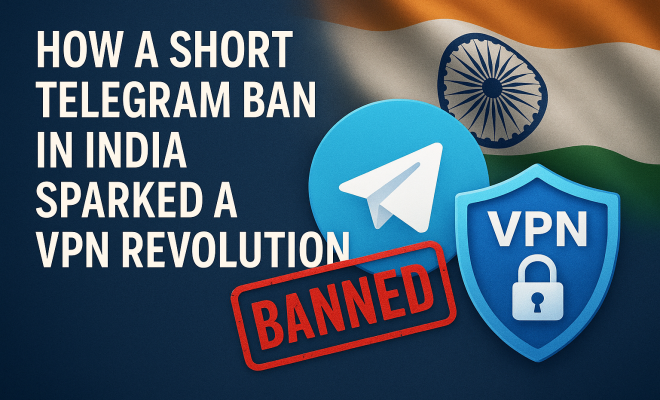
How a Short Telegram Ban in India Sparked a VPN Revolution
“`html
Introduction: A Sudden Communication Blackout
In a surprising twist in the digital landscape of India, the government imposed a temporary ban on the popular messaging platform Telegram from June 16 to June 22, 2026. This unexpected move led to a massive surge in public interest, particularly in VPNs, as users scrambled to regain access to their favorite communication tool. Google Trends data shows a sharp increase in searches for “VPN for Telegram,” highlighting the urgency felt by millions of people facing a sudden disruption in their communication channels.
The ban, although short-lived, triggered a wave of emotional responses from users who felt disconnected from critical updates and communications during that period. The situation not only raised eyebrows but also ignited a broader debate about digital rights and government overreach, leading to significant discussions across social media platforms.
The Background: Why Telegram?
Telegram has grown to become one of the most popular messaging apps in India, boasting features like secure messaging, large group chats, and channels that allow users to follow specific topics. It is particularly favored by those who prioritize privacy and security in their communications. The app’s encryption protocols make it a go-to choice for users who want to ensure that their conversations remain private from prying eyes, including government surveillance.
In recent years, India has seen an increase in regulatory scrutiny over digital platforms, with the government frequently engaging in discussions around censorship and control of online content. The Telegram ban was ostensibly aimed at curbing the spread of misinformation and maintaining public order. However, many users viewed it as an infringement on their rights to free expression and access to information.
The VPN Surge: A Direct Response to the Ban
The immediate reaction to the Telegram ban was a surge in interest for VPNs (Virtual Private Networks). As users found themselves cut off from their preferred messaging service, many turned to VPNs as a solution, seeking to mask their online activity and bypass government-imposed restrictions. Google Trends confirmed that searches for “VPN for Telegram” skyrocketed during the ban, evidencing the urgency of the situation.
VPNs allow individuals to create a secure connection to another network over the Internet, which can facilitate access to restricted content by masking their IP addresses and encrypting their data. This technology became essential for Telegram users desperate to regain access to their conversations and communities.
The Emotional Charge: Fear of Missing Out
One of the most compelling aspects of this situation was the emotional response from users. The short-term ban on Telegram created a palpable sense of fear of missing out (FOMO) on important updates and conversations. For millions of users, Telegram isn’t just a messaging app; it’s a crucial platform for sharing information, engaging with communities, and keeping up with friends and family.
This emotional impact extended beyond mere inconvenience; it raised questions about personal freedom in the digital age. Users began to voice their concerns on social media, with many taking to platforms like Twitter and Instagram to express their frustrations. The high engagement on these platforms highlights a growing consciousness around digital rights and how government interventions can disrupt daily life.
Government Overreach and Digital Rights
The temporary ban on Telegram has sparked a broader conversation about digital rights in India. Many citizens are starting to question the extent to which their government can impose restrictions on their online activities. Is it justified for the government to step in and limit access to platforms that are widely used for communication?
Advocates for digital rights argue that such bans are a form of censorship that undermines the fundamental principles of free speech and access to information. The backlash against the Telegram ban has led to increased scrutiny of the government’s motivations and methods, with many calling for a more transparent and accountable approach to internet governance. (See: Understanding Virtual Private Networks.)
The Long-term Impact: A Shift in User Behavior
Interestingly, while the Telegram ban was temporary, the search for VPNs has shown signs of becoming a long-term trend. Users who may have previously been unaware of VPN technology are now more informed and interested in harnessing it for their online privacy needs. This shift in behavior suggests an increased commitment to protecting digital freedom among Indian internet users.
Data shows that VPN adoption has surged, with an increase in both paid and free VPN services being explored by users. This shift indicates a growing awareness of online privacy issues and a proactive approach to circumventing potential government restrictions in the future.
Expert Perspectives on VPN Adoption
To better understand the implications of this surge in VPN interest, we reached out to cybersecurity experts and digital rights activists. Many echoed the sentiment that the Telegram ban served as a wake-up call for Indian citizens regarding their digital privacy. Experts emphasize that while VPNs are not a foolproof solution, they are a valuable tool for individuals seeking to maintain their online privacy.
One expert noted, “The surge in VPN searches shows that people are becoming more conscious of their digital rights. They’re no longer willing to accept restrictions on their communication platforms without resistance.” Another pointed out that VPN adoption could be a double-edged sword. While it offers increased privacy, it can also lead to the misuse of technology for illegal activities. This raises important questions about the balance between privacy and accountability in the online sphere.
Comparative Analysis: VPN Adoption in Other Countries
Looking at the global landscape, India is not alone in its surge of VPN interest following government bans or censorship. Countries like China and Turkey have seen similar behaviors in response to strict internet regulations. In these regions, users commonly turn to VPNs as a means of accessing blocked platforms and bypassing censorship.
For instance, in China, where platforms like Facebook, Twitter, and Telegram are heavily regulated, the use of VPNs has become commonplace. Chinese citizens have learned to rely on these tools to maintain their online presence and continue engaging with the world outside their borders. This long-term adaptation to VPN technology illustrates a significant cultural shift regarding digital rights in response to government actions.
Actionable Advice for Indian Internet Users
If you’re in India and concerned about your digital privacy, here are some actionable steps you can take:
- Research VPN Options: Not all VPNs are created equal. Read reviews, compare features, and evaluate the reputation of VPN providers before committing.
- Prioritize Security Features: Look for VPNs that offer strong encryption, a no-logs policy, and reliable customer support.
- Stay Informed: Keep abreast of developments in digital rights and government policy concerning internet use in India.
- Engage with the Community: Join forums or groups that discuss digital rights and VPN use. Sharing experiences can empower others and contribute to a wider movement toward protecting online freedoms.
The Future of Digital Privacy in India
The spike in VPN searches following the Telegram ban suggests a significant shift in how Indian internet users view their digital rights and privacy. As more people become aware of the tools available to safeguard their online activity, we may see a culture that increasingly values privacy and freedom of expression.
As the landscape continues to evolve, it’s crucial for both users and lawmakers to engage in constructive dialogue around digital rights and internet governance. The challenge lies in finding a balance between security, privacy, and the free flow of information, a balance that will shape the future of digital interactions in India.
Understanding VPNs: How They Work
To make informed choices about VPNs, it’s essential to understand how they function. A VPN creates a tunnel between your device and the internet. When you connect to a VPN server, your internet traffic is routed through that server, masking your IP address and encrypting your data. This process helps protect your information from hackers and surveillance.
For users in India, this means that even if the government tries to block access to certain platforms, a VPN can provide a backdoor, allowing you to access Telegram or any other blocked services. However, it’s worth noting that not all VPNs are equally effective. Some may have weaker encryption or logging policies that could expose your data. Thus, choosing a reliable VPN service is crucial. (See: Health Communication Toolbox.)
Frequently Asked Questions (FAQ) about VPNs in India
1. Why should I use a VPN in India?
Using a VPN in India can enhance your online privacy, allowing you to browse the internet without being tracked. It enables access to blocked content, protects your data from hackers, and maintains your anonymity online.
2. Is using a VPN legal in India?
Yes, as of now, using a VPN is legal in India. However, it’s important to stay updated on regulations, as policies may change. Always ensure you’re using a VPN to comply with local laws.
3. Can a VPN help with internet speed?
In some cases, using a VPN can help improve internet speed, especially if your Internet Service Provider (ISP) is throttling your connection. However, connecting to a far-away server can sometimes slow down speeds due to increased latency.
4. Will a VPN protect me from all online threats?
A VPN significantly enhances your online security, but it isn’t a comprehensive solution. It doesn’t protect you from malware, phishing attacks, or other malicious activities. Using additional security measures like antivirus software is recommended.
5. What are the best VPNs for Indian users?
Some popular VPNs among Indian users include ExpressVPN, NordVPN, and CyberGhost. These services are known for their robust security features, fast speeds, and user-friendly interfaces. Always read user reviews and compare features to find the best fit for your needs.
The Broader Implications: Digital Sovereignty and National Security
This incident raises broader questions about digital sovereignty, which refers to the idea that individuals and nations have the right to control their own digital environment. In a world where information flows freely across borders, how do we balance national security with individual freedoms? The Indian government has a vested interest in cybersecurity and preventing misinformation, but at what cost to personal freedom?
As technology continues to evolve, the challenge for governments will be to implement regulations that protect citizens without infringing on their rights. This is particularly crucial given the increasing reliance on digital platforms for communication, information sharing, and commerce. The rise of VPN usage in India is a sign of users taking their rights seriously and seeking to protect their digital spaces against potential overreach.
The Cultural Shift Towards Digital Rights
Alongside the immediate reaction to the ban, there’s been a noticeable cultural shift in India towards valuing digital rights. Younger generations, growing up in a highly digitized world, are increasingly aware of their rights online and are more likely to push back against government restrictions. They often view digital spaces as extensions of their personal freedoms and are unwilling to tolerate censorship.
Activism around digital rights has gained momentum, with many NGOs and advocacy groups emerging to protect users’ rights to access information freely. Campaigns aimed at educating the public about digital privacy, the implications of government censorship, and the importance of tools like VPNs have proliferated, creating a more informed citizenry.
Potential Risks of VPN Usage
While VPNs offer a layer of protection, they are not without risks. Users must be cautious about the VPN provider they choose. Some VPNs may log user data, which can be sold to third parties or used for malicious purposes. Additionally, free VPN services often come with hidden costs, such as data mining or intrusive ads. (See: Telegram's Privacy Features Explained.)
It’s essential to research and select VPN services that are transparent about their policies and have a good track record in the industry. Look for independent reviews and consider whether the VPN is based in a privacy-friendly jurisdiction. These factors can significantly impact your overall security while using a VPN.
The Role of Education in Digital Literacy
Education plays a crucial role in enhancing digital literacy among users. Many people may not fully understand how VPNs work or why they are essential for privacy. Schools, universities, and organizations should emphasize digital literacy, focusing on the importance of online security, privacy tools, and the implications of government surveillance.
Workshops, seminars, and online courses could be developed to help individuals understand their digital rights and the technology available to protect them. By educating the public, we can empower citizens to make informed choices about their online presence and advocate for their rights more effectively.
Engagement with Policymakers for Future Regulations
Looking ahead, it’s vital for users to engage in dialogues with policymakers regarding digital rights and internet governance. User feedback can significantly influence the regulation landscape and can help shape laws that protect individual freedoms while addressing national security concerns.
Platforms for public discussion, such as forums or town hall meetings, could serve as effective venues for citizens to express their concerns and opinions. Encouraging transparency and accountability in legislation regarding digital rights will be crucial as technology continues to evolve and influence everyday life.
Final Thoughts: A Call for Awareness and Action
The recent ban on Telegram and the subsequent surge in VPN interest highlight the urgent need for awareness and action regarding digital rights. As citizens of a democratic society, it’s imperative that we remain vigilant about our online freedoms and advocate for transparency and accountability in government policies. The events surrounding the Telegram ban serve as a reminder that the digital landscape can change rapidly, and as users, we must be prepared to adapt and protect our rights.
Ultimately, the conversation around VPNs and digital rights in India is just beginning. As users, we must stay informed, remain vigilant, and work together to ensure that our digital freedoms are protected in the face of government actions and regulations. The future of digital privacy in India depends on our collective commitment to safeguarding these rights.
“`
Trending Now
Frequently Asked Questions
Why was Telegram banned in India?
Telegram was temporarily banned in India from June 16 to June 22, 2026, as part of government efforts to curb misinformation and maintain public order. The ban sparked significant public outcry and discussions about digital rights.
What is the impact of the Telegram ban on users?
The Telegram ban led to feelings of disconnection among users, who were cut off from important communications. This prompted a surge in interest for VPNs as people sought ways to bypass the ban and regain access to the platform.
How did the Telegram ban affect VPN usage?
The ban triggered a significant increase in searches for VPNs, as users looked for ways to access Telegram during the blackout. This surge highlighted the public's reliance on VPNs for privacy and unrestricted internet access.
What features make Telegram popular in India?
Telegram's popularity in India stems from its secure messaging, large group chat capabilities, and channels for following specific topics. Its strong encryption protocols appeal to users prioritizing privacy in their communications.
What are the implications of government censorship on digital rights?
The Telegram ban sparked debates about government censorship and its implications for digital rights. Many users viewed the ban as an infringement on free expression and access to information, raising concerns about government overreach in the digital space.
What did we miss? Let us know in the comments and join the conversation.