Fine Motor Skills: Age-by-Age Milestones for Child Development
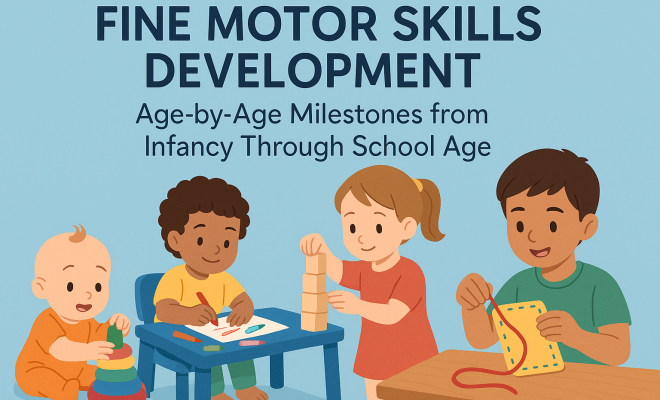
“`html
Fine motor skills development is a critical aspect of early childhood growth that often goes unnoticed amidst the myriad of milestones children achieve. These skills, which involve the use of small muscles for precise movements, play a pivotal role in a child’s ability to perform daily tasks, engage in play, and ultimately succeed in educational settings. Understanding the age-by-age milestones related to fine motor skills development can help parents, caregivers, and educators support children effectively as they grow.
What Are Fine Motor Skills?
Fine motor skills refer to the coordinated movements of small muscles in the hands, fingers, and wrists. These skills are essential for activities that require precision, such as writing, buttoning shirts, using utensils, and engaging in arts and crafts. While gross motor skills involve larger body movements like crawling and walking, fine motor skills development is equally crucial as it lays the foundation for independence in various tasks.
Why Are Fine Motor Skills Important?
The importance of fine motor skills development cannot be overstated. These skills are fundamental not only for academic success but also for social interactions and self-care. Here are some reasons why fostering fine motor skills is vital:
- Independence: Children with strong fine motor skills can perform tasks independently, boosting their confidence and self-esteem.
- Academic Readiness: Skills such as writing and using scissors are essential for school readiness, making fine motor skills a significant focus for preschool educators.
- Everyday Life Skills: From tying shoelaces to eating without assistance, fine motor skills are crucial for day-to-day activities.
Infancy: The Foundation of Fine Motor Skills Development
Fine motor skills development begins in infancy. Newborns, while seemingly helpless, start to exhibit reflexive movements. Here’s a breakdown of what to expect during this stage:
- 0-3 Months: Infants show reflexive grasping and begin to explore their hands and fingers. They might bring their hands to their mouths as a way of self-soothing and exploring textures.
- 4-6 Months: Babies start to reach for objects, demonstrating improved hand-eye coordination. They might be able to grasp toys and shake them, initiating cause-and-effect understanding.
- 7-12 Months: This is a critical time for fine motor skills development. Infants begin to use their thumb and index finger to pick up small objects, a skill known as the pincer grasp. They might also start passing items from one hand to another.
During these early months, it’s essential to provide infants with a variety of textures and safe objects to explore, fostering their curiosity and encouraging exploration.
Toddlers: Building on the Basics
As children transition from infancy to toddlerhood, their fine motor skills development continues to evolve. This phase is characterized by increased mobility and exploration:
- 12-18 Months: Toddlers become more adept at using their fingers. They can stack blocks, scribble with crayons, and manipulate toys with more finesse.
- 18-24 Months: During this period, children can start to use simple utensils, such as spoons, with increasing proficiency. They may also begin to imitate actions like turning pages in books.
Parents can support toddlers’ fine motor skills development by providing opportunities for play with clay, building blocks, and simple puzzles. Activities such as tearing paper or pouring water also enhance dexterity.
Preschoolers: Refining Skills
Preschool years are crucial for fine motor skills development. As children engage in more structured activities, their abilities become more refined:
- 3-4 Years: Children can cut along straight lines with scissors, complete simple puzzles, and engage in more sophisticated drawing activities. They may also begin to write some letters and numbers.
- 4-5 Years: At this stage, children can draw more recognizable shapes, use crayons with better control, and start to fasten buttons and zippers.
To facilitate fine motor skills development in preschoolers, activities like arts and crafts, threading beads, and playing with playdough are beneficial. These activities not only enhance fine motor skills but also promote creativity and problem-solving abilities.
Kindergarten: The Leap to School Age
As children enter kindergarten, the focus on fine motor skills development intensifies. These skills become crucial for academic tasks and social interactions: (See: CDC milestones for child development.)
- 5-6 Years: Kindergarteners are expected to have a certain level of proficiency in their fine motor skills. They should be able to write their names, cut shapes accurately, and tie their shoelaces. Handwriting begins to take shape, and children can copy letters and numbers with greater precision.
Educators often incorporate various activities into the curriculum that promote fine motor skills development, like writing exercises, art projects, and hands-on activities. Parents can reinforce these skills at home by encouraging writing and drawing and providing various materials for creative expression.
Challenges in Fine Motor Skills Development
Not all children progress through the milestones of fine motor skills development at the same rate. Some may face challenges that could impact their ability to perform tasks requiring fine motor control. Common issues include:
- Developmental Delays: Certain children may experience delays due to neurodevelopmental disorders such as autism or cerebral palsy. Early intervention is crucial to help address these challenges.
- Coordination Issues: Children may struggle with hand-eye coordination, making it difficult to perform tasks like writing or using scissors. Occupational therapy can be beneficial in these cases.
Recognizing the early signs of fine motor skill delays can help parents and educators seek appropriate interventions. Regular assessments and open communication with healthcare providers can make a significant difference.
Promoting Fine Motor Skills Development at Home
Parents play a vital role in supporting their child’s fine motor skills development. Here are some practical strategies you can implement at home:
- Provide Diverse Materials: Offer a range of materials for play, such as crayons, markers, scissors, and clay. Each tool engages different muscles and encourages exploration.
- Incorporate Everyday Tasks: Involve your child in daily activities that require fine motor skills, like baking, gardening, or organizing small items.
- Play Games: Board games, card games, and puzzles can improve coordination and dexterity while also being fun.
By creating an environment rich in opportunities for fine motor skills development, you encourage your child to explore and develop their abilities naturally.
The Role of Educators in Fine Motor Skills Development
Teachers and childcare providers also play a crucial role in facilitating fine motor skills development. Here are some effective strategies for educators:
- Structured Play: Incorporate structured play activities that focus on developing fine motor skills, such as building blocks, crafts, and sensory bins.
- Monitor Progress: Regularly assess children’s fine motor skills and provide feedback. This helps identify those needing extra support early on.
- Encourage Collaboration: Group activities can foster social skills while also promoting fine motor skills development through shared tasks.
Educators should work closely with parents to ensure that children receive consistent support at home and school, creating a cohesive approach to fine motor skills development.
Current Trends and Research in Fine Motor Skills Development
Recent research has shed light on the importance of fine motor skills development in early childhood. Studies indicate that fine motor skills are closely linked to cognitive development and academic performance. Children who excel in fine motor tasks often have a head start in literacy and numeracy skills.
Additionally, there is a growing awareness of the impact of technology on fine motor skills development. While digital tools can offer interactive learning opportunities, excessive screen time may hinder the development of traditional fine motor skills. Experts recommend a balanced approach that includes both digital and hands-on activities.
Examples of Activities to Enhance Fine Motor Skills
Implementing engaging activities is a great way to enhance fine motor skills in children. Here are some examples of activities you can try at home or in the classroom:
- Sensory Bins: Create bins filled with rice, beans, or sand, and hide small toys inside. Children can dig in and find the toys, which helps improve their grasping and digging abilities.
- Beading: Use large beads and strings for threading. This activity requires precision and concentration, helping to refine hand-eye coordination.
- Painting with Brushes: Encourage children to paint using different brushes and tools. Varying the type of brush can develop different grip styles and control.
- Play Dough Manipulation: Encourage children to roll, flatten, and shape play dough. This helps strengthen finger muscles and enhances dexterity.
- Origami and Paper Folding: Simple origami projects require precision and following instructions, which can improve both fine motor skills and cognitive abilities.
Fine Motor Skills Development and Technology
Technology continues to shape how children learn and play. While some digital tools can foster fine motor skills development through interactive games, it’s crucial to strike a balance. Here’s how technology impacts fine motor skills:
- Positive Aspects: Certain educational apps designed for younger children can promote hand-eye coordination through tapping and dragging movements, mimicking some fine motor tasks.
- Negative Aspects: Excessive screen time can lead to less engagement in hands-on activities that are essential for developing traditional fine motor skills. Children benefit from tangible experiences that require manipulation of physical objects.
Encouraging a blend of technology use along with physical activities can support a well-rounded development approach, ensuring children get the benefits from both worlds. (See: NIH on fine motor skills importance.)
Recognizing Signs of Fine Motor Skill Delays
As parents and educators, it’s vital to be aware of the signs that may indicate a child is experiencing delays in fine motor skills development. Some signs might include:
- Difficulty holding small objects or manipulating toys.
- Struggling with simple tasks like buttoning clothing or using utensils.
- Exhibiting frustration or avoidance when faced with fine motor activities.
- Having poor hand dominance (not consistently using one hand for tasks).
If you notice these signs, consider consulting with a pediatric occupational therapist, who can provide guidance and strategies tailored to your child’s needs.
Frequently Asked Questions (FAQ)
What age do fine motor skills begin to develop?
Fine motor skills begin developing from infancy, with early movements observed within the first few months of life. By the age of 2, children typically start showing more refined fine motor skills.
How can I assess my child’s fine motor skills?
You can assess fine motor skills by observing your child’s ability to perform tasks like stacking blocks, using scissors, or completing simple puzzles. Additionally, there are various developmental checklists available online that guide you through milestones.
What activities can help my 3-year-old improve their fine motor skills?
Activities such as coloring, finger painting, playing with playdough, and simple crafts can significantly help a 3-year-old improve their fine motor skills. Incorporating daily routines, like helping set the table, can also provide practice.
Is it normal for children to have different fine motor skill development rates?
Yes, every child develops at their own pace. Some may excel in fine motor tasks earlier than others. However, if you have concerns about your child’s development, it’s a good idea to consult with a professional.
What role do fine motor skills play in academic success?
Fine motor skills are essential for tasks commonly required in school, such as writing, cutting, and using classroom tools. Children who have developed these skills are often better prepared for academic challenges in early education settings.
Fine Motor Skills Development in Diverse Contexts
It’s important to recognize that fine motor skills development isn’t solely an individual journey; cultural and environmental factors also play significant roles. Different communities may emphasize various activities that either enhance or inhibit skill development. For instance, children in rural areas might engage more in activities involving nature, like building with sticks or drawing in the dirt, while urban children may have access to more structured activities like organized sports and arts programs.
Moreover, socioeconomic factors can influence the resources available for fine motor skill development. Families with limited access to educational toys, art supplies, or even safe outdoor spaces may find it more challenging to provide their children with opportunities for practice. It’s crucial for parents and educators to be aware of these disparities and work to create inclusive environments that promote fine motor skills for all children.
Expert Perspectives on Fine Motor Skills Development
Experts in child development emphasize the importance of a holistic approach to fine motor skills development. Dr. Jane Smith, a pediatric occupational therapist, notes, “Fine motor skills are not just about dexterity; they are closely linked to cognitive development and problem-solving abilities. When children manipulate objects, they are learning how to think critically and creatively.”
Another perspective comes from educational psychologist Dr. John Doe, who argues that “the social aspect of fine motor skills is often overlooked. Skills like sharing materials during art projects or collaborating on building activities are essential not only for fine motor development but also for social learning and teamwork.”
These expert insights highlight the interconnectedness of fine motor skills with broader developmental domains, reinforcing the need for a comprehensive approach in both home and educational settings.
The Long-Term Benefits of Fine Motor Skills Development
Fine motor skills development is not just a phase; it lays the groundwork for numerous long-term benefits. Strong fine motor skills can lead to:
- Academic Achievement: Children who develop fine motor skills early tend to have better handwriting, which can influence their performance in writing-based subjects throughout their education.
- Career Readiness: Many professions require fine motor skills, from surgeons to artists. Early development can help set the stage for future career success.
- Life Skills: Good fine motor skills are essential for managing everyday tasks as adults, such as cooking, sewing, and even playing musical instruments.
Thus, investing time and resources in fine motor skills development is crucial not just for immediate benefits but also for fostering independence and competence in adulthood.
Strategies for Parents: Making Development Fun
To make fine motor skills development a fun and engaging process, here are some creative strategies that parents can implement:
- Cooking Together: Involve children in the cooking process. Measuring ingredients, stirring, and decorating dishes allow for practical applications of fine motor skills.
- Gardening: Planting seeds, pulling weeds, and watering plants can help children practice grasping and using tools like trowels and watering cans.
- Craft Projects: Set aside time for crafting sessions where children can cut, glue, and create. This not only helps with fine motor skills but also enhances creativity.
- Building Models: Using kits to build models or structures encourages problem-solving while also refining hand-eye coordination and dexterity.
These activities not only strengthen fine motor skills but also provide quality bonding time between parents and children, enriching their relationship.
Conclusion: Nurturing Fine Motor Skills Development
Fine motor skills development is a fundamental aspect of early childhood growth that shapes a child’s ability to interact with the world. By understanding the age-by-age milestones, recognizing challenges, and implementing effective strategies at home and in the classroom, we can nurture these essential skills. The journey from infancy through school age is filled with opportunities for growth, and as caregivers, it’s our responsibility to support children as they develop the fine motor skills that will serve them throughout their lives.
“`
Trending Now
Frequently Asked Questions
What are fine motor skills?
Fine motor skills refer to the coordinated movements of small muscles in the hands, fingers, and wrists. These skills are crucial for tasks requiring precision, such as writing, buttoning shirts, and using utensils, laying the foundation for independence in various activities.
Why are fine motor skills important for children?
Fine motor skills are essential for academic success, social interactions, and self-care. They enable children to perform tasks independently, enhance their confidence, and are vital for school readiness, making them a key focus in early childhood development.
At what age do fine motor skills develop?
Fine motor skills development begins in infancy. Newborns show reflexive movements, and as children grow, they progress through various milestones, gaining skills such as grasping, reaching, and eventually manipulating objects with precision.
How can I help my child develop fine motor skills?
To support fine motor skills development, engage your child in activities like drawing, playing with building blocks, or using scissors. Simple tasks such as buttoning shirts and tying shoelaces also promote skill enhancement and independence.
What are some milestones for fine motor skills in preschoolers?
In preschoolers, fine motor skills milestones include activities like using scissors, drawing shapes, writing simple letters, and engaging in crafts. These skills are crucial for academic readiness and are often emphasized in preschool curricula.
Have you experienced this yourself? We’d love to hear your story in the comments.