U.S.-Iran Tensions Mount: Trump’s 2026 Kharg Island Ultimatum
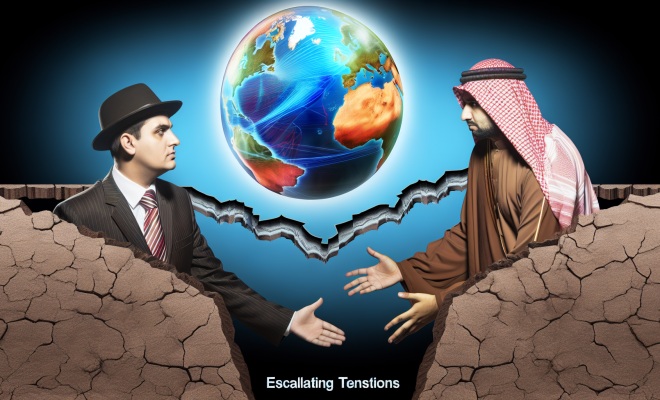
The geopolitical landscape in the Middle East has seen significant upheaval as of late, particularly following the latest developments involving Iran and the United States. On March 31, 2026, President Donald Trump issued a stark ultimatum regarding Iran’s Kharg Island oil hub, a crucial component of the nation’s energy infrastructure. This threat, which carries implications for both regional stability and global energy markets, comes amid a backdrop of escalating military actions and diplomatic tensions.
Trump’s Threat to Kharg Island
President Trump’s warning to destroy Kharg Island unless Tehran agrees to a peace deal aimed at ending the ongoing US-Israeli conflict has sent shockwaves through the international community. Kharg Island, home to Iran’s largest oil export terminal, plays a pivotal role in global energy supply. The president’s comments raise concerns about the potential for military engagement and its subsequent impact on energy prices, which could reverberate through the Gulf region and beyond.
Concerns Over U.S. Ground Operations
Analysts are increasingly worried about the possibility of U.S. ground operations in Iran, which could escalate the conflict further. The implications of such actions are manifold, potentially disrupting oil supplies and destabilizing already fragile economies in the Gulf states. The region, heavily dependent on oil exports, could face significant economic challenges should a military confrontation arise.
Intensifying Iranian Threats
The situation has been further complicated by Iran’s recent threats against U.S.-affiliated universities in the Middle East. Following a series of U.S.-Israeli airstrikes on Iranian educational institutions over the weekend, Tehran has responded with warnings aimed at American educational establishments, including New York University Abu Dhabi.
Closure of NYU Abu Dhabi
In light of these threats, NYU Abu Dhabi has decided to close its campus. This move underscores the growing sense of insecurity among international institutions operating in the region. The decision to shutter the campus highlights how quickly geopolitics can affect academic environments, with students and faculty now grappling with the implications of increased tensions.
Broader Geopolitical Implications
The escalating conflict between the U.S. and Iran is not just a bilateral issue; it has far-reaching implications for the entire Middle East. As the U.S. continues its military support for Israel, Iranian officials have expressed outrage, leading to a cycle of retaliation that threatens to engulf other nations in the region.
- The potential for destabilization in the Gulf region is significant, as countries like Saudi Arabia and the UAE may find themselves caught in the crossfire.
- Energy markets are already reacting nervously to the prospect of conflict, with oil prices showing volatility in response to the threats and military actions.
- International diplomatic efforts to mediate the conflict have become increasingly urgent, as allies of both sides seek to avoid a full-blown war.
International Reactions
Countries around the world are closely monitoring the developments. European allies have expressed concern over the potential for military escalation and its consequences on the global stage. Meanwhile, Russia and China have reiterated their support for Iran, complicating the diplomatic landscape further.
Conclusion: A Volatile Future
The events of March 31, 2026, serve as a stark reminder of the fragile state of peace in the Middle East. With President Trump’s aggressive stance toward Iran and the heightened tensions surrounding U.S. military operations, the region stands on a precipice. As diplomatic efforts continue to navigate this complex situation, the risk of further conflict and its implications for the global community remain alarmingly high. The world watches closely as the situation unfolds, hoping for a resolution that can avert a significant crisis.