Brain Science: Emotional Regulation & Executive Function
“`html
Understanding the intricate relationship between emotional regulation and executive function has become increasingly vital in both educational and psychological contexts. These two domains of cognitive and emotional processing are interlinked, shaping how we navigate our daily lives and interact with the world around us.
The Fundamentals of Emotional Regulation
Emotional regulation refers to the processes by which individuals influence their emotions, how they experience them, and how they express them. This can include both immediate responses to emotional stimuli and longer-term strategies for managing emotions effectively. The ability to regulate emotions plays a crucial role in maintaining mental health, fostering relationships, and achieving personal goals.
Research suggests that effective emotional regulation is associated with better outcomes in both personal and professional domains. For example, individuals who can regulate their emotions tend to show more resilience in the face of challenges, make better decisions, and have healthier interpersonal relationships. This is particularly relevant in educational settings, where students’ ability to manage their emotions can significantly impact their learning and social interactions.
Exploring Executive Function
Executive function refers to a set of cognitive processes that include working memory, cognitive flexibility, and inhibitory control. These processes allow individuals to plan, focus attention, remember instructions, and juggle multiple tasks successfully. Essentially, executive function enables us to manage our thoughts and actions in a goal-directed manner.
Executive function skills are critical for academic success. For instance, students with strong executive function abilities can organize their work, stay on task, and resist distractions, which are essential skills for effective learning. Conversely, difficulties in executive function can lead to challenges in both academic and social settings, often manifesting as impulsivity, disorganization, and emotional dysregulation.
The Brain Science Behind Emotional Regulation and Executive Function
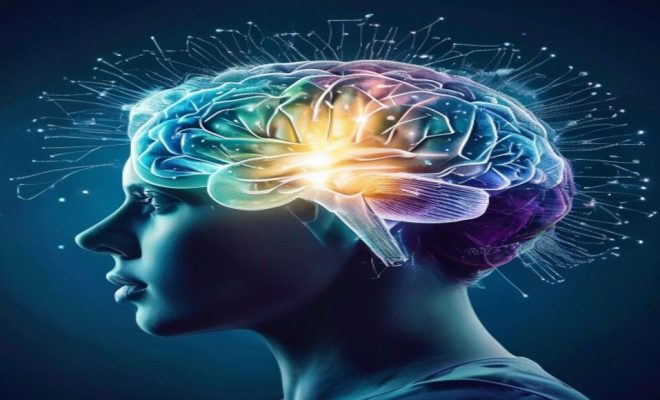
Both emotional regulation and executive function are underpinned by complex neurobiological processes. The prefrontal cortex is particularly important in this context, as it plays a key role in executive functions and emotional processing. This region of the brain is responsible for higher-order thinking, decision-making, and moderating social behavior.
Research using neuroimaging techniques, such as functional magnetic resonance imaging (fMRI), has revealed that when individuals engage in tasks requiring emotional regulation, there is significant activity in the prefrontal cortex. This indicates that the brain regions responsible for executive functions are also activated during emotional regulation tasks.
How Emotional Regulation Impacts Executive Function
It’s clear that emotional regulation and executive function are mutually influential. When an individual struggles to regulate their emotions, it can directly impact their executive function capacities. For example, strong feelings of frustration or anxiety can impair working memory and cognitive flexibility, making it harder to focus on tasks or adapt to changing demands.
Conversely, individuals with robust executive function skills tend to exhibit better emotional regulation. For example, a person who can inhibit impulsive reactions is more likely to respond to an emotional trigger thoughtfully rather than reactively. This creates a positive feedback loop: effective emotional regulation supports executive function, which in turn enhances one’s capacity to manage emotions. (See: Research on executive function.)
Strategies for Enhancing Emotional Regulation and Executive Function
Given their interconnectedness, improving skills in both emotional regulation and executive function can be beneficial. Here are some strategies that educators, parents, and individuals can use to bolster these skills:
- Mindfulness Training: Mindfulness practices have been shown to enhance emotional regulation by promoting greater awareness of emotional states and reducing reactivity.
- Emotion Regulation Techniques: Techniques such as deep breathing, cognitive restructuring, and the use of positive self-talk can help individuals manage their emotional responses effectively.
- Organizational Tools: Utilizing planners, checklists, and apps can enhance executive function by helping individuals keep track of tasks and manage time effectively.
- Physical Activity: Engaging in regular physical activity has been linked to improved mood and cognitive function, supporting both emotional regulation and executive functioning.
The Role of Education in Fostering Skills
Schools play a critical role in nurturing emotional regulation and executive function skills. Integrating social-emotional learning (SEL) programs can create an environment where students learn to recognize and manage their emotions, both individually and in group settings. These programs often include lessons on empathy, emotion regulation strategies, and conflict resolution, all of which contribute to healthier classroom dynamics.
Teachers can also foster these skills through structured routines, clear expectations, and consistent feedback, which helps students develop self-discipline and better emotional management. When students understand the expectations and routines of the classroom, they are less likely to feel overwhelmed, allowing them to engage more fully in learning.
Current Trends and Research Directions
As the fields of psychology and education evolve, researchers are increasingly focused on exploring the intricate connections between emotional regulation and executive function. Current studies aim to identify how early interventions can support these skills in children, particularly those at risk for emotional and behavioral challenges.
Moreover, research is examining how technology can aid in developing emotional regulation and executive function. Innovative applications that promote mindfulness or cognitive training exercises are being tested to see if they can produce measurable improvements in these areas.
The Impact of Emotional Dysregulation on Executive Function
When individuals struggle with emotional regulation, it can lead to significant challenges in executing daily tasks and responsibilities. For instance, those with heightened emotional responses may find it difficult to concentrate, leading to decreased performance in school or work. This can create a cycle where poor emotional regulation exacerbates executive function difficulties, which in turn leads to further emotional distress.
Understanding this relationship is essential for mental health professionals. By addressing emotional regulation issues through therapy or skills training, practitioners can help improve clients’ overall executive function capabilities. Techniques such as cognitive-behavioral therapy (CBT) can be particularly effective in this regard, equipping individuals with tools to manage their emotions and improve their cognitive functioning.
Practical Applications of Emotional Regulation and Executive Function
The interplay between emotional regulation and executive function is not just theoretical; it has real-world applications that can significantly improve quality of life. For example, in the workplace, employees who can regulate their emotions effectively are more likely to collaborate well with colleagues, respond to feedback constructively, and maintain productivity even under stress. A study published in the Journal of Applied Psychology found that employees with better emotional regulation reported higher job satisfaction and lower levels of burnout.
In educational settings, programs that emphasize both emotional skills and executive function can lead to improved academic performance. Schools that implement SEL programs have reported not only better emotional well-being among students but also marked increases in grades and test scores. The evidence suggests that when children learn to manage their emotions, they are better equipped to handle academic pressures.
Case Studies in Emotional Regulation and Executive Function
To illustrate the impact of emotional regulation on executive function, consider the case of a student named Alex. Alex often found himself overwhelmed during exams, leading to panic attacks that severely impaired his ability to think clearly and recall information. After participating in a school-based SEL program that taught relaxation techniques and cognitive restructuring, Alex learned to identify his emotional triggers and employ strategies to calm himself. As a result, not only did his exam performance improve, but he also reported feeling more confident in his ability to manage stress. (See: Mental health and emotional regulation.)
Another compelling example comes from a corporate environment. A tech company implemented an emotional intelligence training program aimed at its leadership team. The training focused on improving emotional regulation skills, which in turn enhanced executive function capabilities such as decision-making and strategic planning. The company saw a significant boost in team cohesion and project success rates. By prioritizing emotional skills, they created an environment where employees could thrive.
Frequently Asked Questions
What is emotional regulation?
Emotional regulation is the ability to manage and respond to an emotional experience appropriately. It involves both immediate reactions to emotions and longer-term strategies for handling feelings effectively.
How does emotional regulation impact executive function?
Emotional regulation can significantly impact executive function. When individuals effectively manage their emotions, they are better equipped to focus, make clear decisions, and adapt to new situations, enhancing their overall cognitive performance.
Can emotional regulation be taught?
Yes, emotional regulation skills can be taught through various methods, including mindfulness training, cognitive-behavioral techniques, and social-emotional learning programs. These strategies help individuals develop awareness and control over their emotional responses.
What role does the prefrontal cortex play in emotional regulation and executive function?
The prefrontal cortex is essential for both emotional regulation and executive function. It governs higher-order cognitive processes like decision-making and impulse control, allowing individuals to manage their emotions and behavior effectively.
How can parents support their children in developing these skills?
Parents can support their children by modeling emotional regulation, creating open lines of communication about feelings, and encouraging the use of coping strategies during stressful situations. Providing a structured environment with clear expectations also helps children learn self-discipline.
Are there specific activities that enhance both emotional regulation and executive function?
Activities that promote physical health, such as sports, yoga, and outdoor play, can enhance both emotional regulation and executive function. Additionally, engaging in arts and crafts, playing strategy games, or participating in team-building exercises can also be beneficial.
Exploring Emotional Regulation Across Different Populations
Understanding emotional regulation and executive function isn’t limited to general education settings. Various populations may experience unique challenges and require tailored approaches. For instance, children with autism spectrum disorder (ASD) often deal with emotional dysregulation, which can complicate their executive function skills. Research shows that teaching emotional regulation strategies like social stories or visual supports can significantly improve their ability to manage emotions and enhance cognitive flexibility.
In individuals with attention-deficit/hyperactivity disorder (ADHD), emotional dysregulation frequently intersects with executive function deficits. The impulsivity associated with ADHD can lead to difficulties in managing emotions and planning tasks. Specific interventions, such as video modeling or behavioral coaching, can help these individuals develop better self-control and emotional awareness.
Long-Term Benefits of Mastering Emotional Regulation and Executive Function
Mastering emotional regulation and executive function skills can have profound long-term benefits across various domains. In adulthood, individuals who possess strong emotional and executive functioning skills often demonstrate enhanced career success, healthier relationships, and greater overall life satisfaction. For instance, a longitudinal study published in the Journal of Educational Psychology found that students who engaged in SEL programs showed improved emotional intelligence and academic outcomes even years after completing the programs.
Moreover, effective emotional regulation is linked to lower rates of anxiety and depression. A study conducted by the American Psychological Association highlighted that adults who practiced emotional regulation strategies experienced fewer symptoms of these mental health disorders, leading to a more fulfilling and balanced life.
Technological Advancements in Emotional Regulation Training
As technology continues to evolve, so do the tools available for enhancing emotional regulation and executive function. Apps that focus on mindfulness, meditation, and cognitive training can provide users with immediate access to emotional regulation strategies. For example, platforms like Headspace and Calm offer guided meditations specifically designed to help users manage anxiety and improve focus.
Furthermore, virtual reality (VR) is being explored as a medium for teaching emotional regulation. VR experiences can simulate situations that trigger emotional responses, allowing individuals to practice regulation strategies in a controlled, immersive environment. Research suggests that this innovative approach can lead to significant improvements in emotional awareness and regulation skills.
Conclusion: Embracing the Interconnectedness of Emotional and Cognitive Skills
The interplay between emotional regulation and executive function is a critical aspect of human behavior and development. Recognizing how closely linked these two domains are can empower educators, parents, and mental health professionals to create supportive environments that foster both emotional and cognitive growth.
As we continue to uncover the complexities of the brain and behavior, one thing remains clear: nurturing emotional regulation alongside executive functioning is essential for achieving personal and academic success. By prioritizing these skills, we prepare individuals not only to succeed in school or work but also to lead fulfilling, emotionally balanced lives.
“`
Trending Now
Frequently Asked Questions
What is emotional regulation?
Emotional regulation refers to the processes individuals use to influence their emotions, including how they experience and express them. It involves both immediate responses to emotional stimuli and long-term strategies to manage emotions effectively, playing a crucial role in mental health and interpersonal relationships.
How does emotional regulation affect learning?
Effective emotional regulation significantly impacts learning by enabling students to manage their emotions, which can enhance resilience, decision-making, and social interactions. Students who can regulate their emotions tend to achieve better academic outcomes and develop healthier relationships in educational settings.
What are executive function skills?
Executive function skills encompass cognitive processes such as working memory, cognitive flexibility, and inhibitory control. These skills allow individuals to plan, focus attention, remember instructions, and manage multiple tasks, essential for successful goal-directed behavior and academic achievement.
Why is executive function important for students?
Executive function is crucial for students as it helps them organize their work, maintain focus, and resist distractions. Strong executive function abilities enable effective learning, allowing students to achieve their academic goals and manage their time and tasks efficiently.
How are emotional regulation and executive function connected?
Emotional regulation and executive function are interconnected cognitive and emotional processes. Effective emotional regulation enhances executive function skills, allowing individuals to manage their thoughts and actions more effectively, which is vital for personal and academic success.
What did we miss? Let us know in the comments and join the conversation.