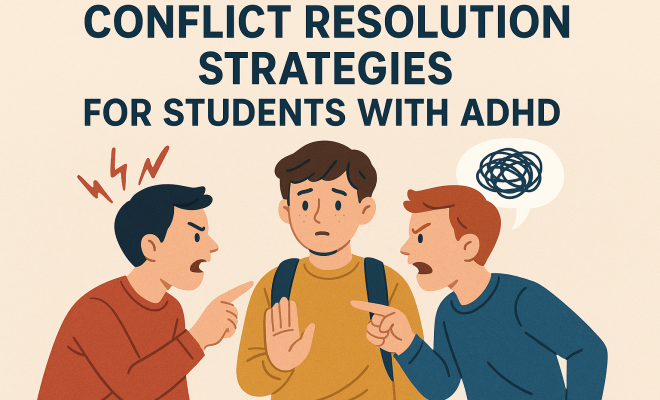
Conflict Resolution Strategies for Students with ADHD
“`html
Understanding ADHD and Its Impact on Conflict
Attention-Deficit/Hyperactivity Disorder (ADHD) is a neurodevelopmental condition that affects many children and adolescents, leading to challenges in attention, impulsivity, and hyperactivity. For students with ADHD, social interactions can often be fraught with misunderstandings and conflicts, making effective conflict resolution strategies essential. Recognizing how ADHD manifests in social situations helps educators, parents, and peers develop appropriate approaches to mitigate these conflicts.
Students with ADHD may struggle with impulsive reactions, emotional regulation, and understanding social cues, which can lead to conflicts with peers. Understanding the roots of these challenges is the first step towards implementing effective ADHD conflict resolution strategies. It’s crucial to emphasize that these strategies not only aid in resolving conflicts but also promote social skills, emotional intelligence, and self-awareness.
Key Characteristics of ADHD That Lead to Conflict
To develop effective ADHD conflict resolution strategies, it’s vital to understand the key characteristics of ADHD that contribute to conflicts:
- Impulsivity: Students with ADHD may act without thinking, leading to inappropriate comments or actions that can upset peers.
- Difficulty with Attention: A lack of focus can cause misunderstandings or the inability to follow conversations, which may lead to arguments.
- Emotional Dysregulation: Intense emotions can lead to overreactions in conflicts, causing escalation rather than resolution.
- Social Cues Misinterpretation: Many students with ADHD may not pick up on nonverbal cues, resulting in miscommunication in social scenarios.
1. Teaching Emotional Intelligence
One of the most effective ADHD conflict resolution strategies is fostering emotional intelligence in students. Emotional intelligence helps students recognize their feelings and the feelings of others, which is critical in resolving conflicts amicably.
Educators can incorporate emotional intelligence training through role-playing exercises and classroom discussions about emotions. Teaching students to label their feelings and the feelings of others can empower them to respond more thoughtfully in challenging situations. For instance, instead of reacting impulsively during a disagreement, a student might express, “I feel frustrated when you interrupt me; can we take turns speaking?” This approach encourages constructive dialogue rather than conflict escalation.
2. Role-Playing Scenarios
Role-playing is another effective strategy to help students with ADHD practice conflict resolution. By simulating conflict scenarios, students can explore various responses in a controlled environment. This practice allows them to experiment with different approaches, learn from mistakes, and reflect on what works best.
Role-playing can include common scenarios such as disagreements over game rules, sharing materials, or miscommunications in group work. After each role-play, engaging students in discussion about what went well, what didn’t, and alternative strategies can reinforce learning. This experiential approach not only builds confidence but also helps students internalize successful conflict resolution techniques.
3. Implementing Clear Communication Guidelines
Clear communication is essential in conflict resolution, especially for students with ADHD who may struggle with misunderstandings. Establishing communication guidelines within the classroom can set the stage for effective interactions.
Teachers and students can collaboratively create a set of guidelines that emphasize respect, active listening, and turn-taking during discussions. For example, implementing a “talking stick” method, where only the person holding the stick speaks, can help instill a sense of order and respect during conflicts. These guidelines serve as a foundation for constructive dialogue, making it easier for students to express their perspectives without escalating tensions.
4. Utilizing Visual Aids and Cues
Visual aids can be incredibly helpful for students with ADHD, particularly when it comes to conflict resolution. These aids can serve as reminders of strategies and techniques that encourage healthy interactions.
For instance, creating posters that outline steps for resolving conflicts—such as identifying the problem, expressing feelings, and brainstorming solutions—can act as a reference for students during conflicts. Visual timers can also help manage discussions, reminding students to give each other equal time to speak. By incorporating these tools, students are better equipped to navigate conflicts in a structured manner. (See: CDC ADHD guidelines and resources.)
5. Teaching Problem-Solving Skills
Problem-solving skills are vital in conflict resolution, and teaching these skills to students with ADHD can empower them to take charge of challenging situations. Rather than viewing a conflict as an insurmountable obstacle, students can learn to break it down into manageable parts.
Encouraging students to identify the specific issue at hand, brainstorm possible solutions, and evaluate the consequences of each option can foster critical thinking. For example, if two students are arguing over who gets to use a shared resource first, guiding them through the process of identifying the problem, discussing possible compromises, and agreeing on a solution can result in a peaceful resolution.
6. Encouraging Peer Mediation
Peer mediation can be a powerful tool for conflict resolution among students with ADHD. This approach involves training selected students to facilitate conversations between their peers in conflict. Peer mediators can help create a safe space for dialogue, allowing students to express their feelings and perspectives without judgment.
By taking on a mediator role, students not only practice their own conflict resolution skills but also develop empathy and understanding for their peers. Programs that implement peer mediation can lead to a more harmonious school environment and empower students to resolve conflicts independently, reducing reliance on teachers or adults.
7. Involving Parents and Caregivers
Involving parents and caregivers in ADHD conflict resolution strategies is essential for reinforcing skills learned in school and ensuring consistency at home. Parents can support their children by modeling constructive conflict resolution behaviors, discussing emotions, and providing opportunities for practice.
Schools can facilitate workshops or informational sessions for parents, educating them about ADHD and effective conflict resolution techniques. By collaborating with families, educators create a unified approach that enhances students’ skills and confidence in handling conflicts. This partnership encourages a holistic understanding of conflict resolution strategies, allowing children to apply what they learn in multiple settings.
Current Relevance of ADHD Conflict Resolution Strategies
The relevance of ADHD conflict resolution strategies extends beyond the classroom. In an increasingly interconnected world, interpersonal skills are critical to success in various life domains. As students with ADHD transition into adulthood, they will face conflicts not only in academic settings but also in workplaces, relationships, and community interactions.
By teaching effective conflict resolution strategies early on, educators set students on a path toward healthier relationships and improved emotional well-being. The ability to navigate conflicts is an essential life skill that can lead to enhanced collaboration, reduced stress, and a greater sense of belonging.
8. Real-Life Case Studies
Understanding the application of conflict resolution strategies can be enhanced by examining real-life case studies. Schools across the globe have successfully implemented these strategies, leading to significant improvements in students’ social interactions and conflict management skills. For instance, at a middle school in California, educators introduced a comprehensive conflict resolution program that included peer mediation and emotional intelligence training. The results showed a 40% decrease in behavioral incidents over the course of the school year.
Another example comes from a school in New York, where teachers utilized role-playing and clear communication guidelines. After implementing these strategies, students reported feeling more confident in expressing their emotions and resolving conflicts with peers. Surveys indicated that 85% of students felt they had improved their conflict resolution skills after participating in the program.
9. The Role of Teachers in Conflict Resolution
Teachers play a pivotal role in implementing ADHD conflict resolution strategies. Their approach to conflict resolution can significantly influence how students perceive and manage conflicts. When teachers model positive conflict resolution behaviors, they set a standard for students to follow. This might include calmly addressing disputes, acknowledging emotions, and guiding students towards finding mutually acceptable solutions.
Teachers are also in a unique position to identify students who may require additional support. By being observant and proactive, they can intervene early to prevent conflicts from escalating. Establishing strong relationships with students fosters an environment where children feel safe to express their concerns and seek guidance in resolving conflicts.
10. The Importance of Building Resilience
Resilience is a crucial aspect of conflict resolution, especially for students with ADHD. Building resilience involves teaching students to bounce back from setbacks and view challenges as opportunities for growth. This mindset is essential when handling conflicts, as it encourages students to learn from their experiences rather than becoming discouraged. (See: NIH ADHD information and research.)
Resilient students are more likely to approach conflicts with a positive attitude, seeking solutions rather than dwelling on problems. Schools can foster resilience through programs that teach coping strategies, encourage goal setting, and promote a growth mindset. When students understand that conflicts are a natural part of life, they are better equipped to navigate these situations effectively.
11. Statistics on ADHD and Conflict Resolution
Research provides valuable insights into the prevalence of conflict among students with ADHD and the effectiveness of conflict resolution strategies. Studies indicate that students with ADHD are more likely to experience conflicts with peers compared to their non-ADHD counterparts. Approximately 50% of children with ADHD report frequent conflicts in school settings.
Additionally, schools that implement structured conflict resolution programs have reported an average reduction of 30-50% in disciplinary actions related to conflicts. This highlights the importance of proactive strategies in addressing conflicts before they escalate.
12. Advanced Strategies for Conflict Resolution
While the previously mentioned strategies are foundational, there are advanced strategies that can further enhance conflict resolution among students with ADHD. These strategies can be integrated into existing practices or used as standalone techniques.
- Mindfulness Practices: Teaching mindfulness techniques can help students with ADHD develop greater self-awareness and emotional regulation. Mindfulness can include breathing exercises, meditation, or simple reflection practices that allow students to pause and consider their actions before reacting during conflicts.
- Conflict Journals: Encouraging students to maintain conflict journals where they document conflicts, their feelings, and how they resolved or wish they had resolved the issues can provide them with valuable insights into their behavioral patterns. This practice fosters self-reflection and aids in emotional growth.
- Collaborative Problem Solving (CPS): This approach focuses on viewing conflicts as challenges to be solved together rather than battles to be won. Students learn to work alongside each other to brainstorm solutions that satisfy both parties, fostering teamwork and respect.
13. The Importance of Training Staff
Equipping educators and staff with the necessary training to implement ADHD conflict resolution strategies effectively is crucial. Professional development programs can provide teachers with insights into ADHD, effective communication techniques, and strategies for fostering an inclusive classroom environment.
In-service training on conflict resolution can be tailored to address the unique challenges posed by students with ADHD. This includes practical workshops on role-playing scenarios, emotional regulation strategies, and methods for engaging parents in the conflict resolution process. Well-trained staff members are better equipped to support students in navigating conflicts and implementing the strategies taught in the classroom.
14. Peer Support Groups
Creating peer support groups can be a powerful addition to conflict resolution strategies for students with ADHD. These groups provide a safe space for students to share their experiences with conflict and discuss strategies that have worked for them. Peer support fosters a sense of community and belonging, which can be especially beneficial for students who often feel isolated due to their struggles with ADHD.
Facilitated by a trained adult, these groups can encourage open dialogue about challenges faced in social interactions and provide students with a platform to practice the conflict resolution strategies they are learning. Sharing successes and challenges among peers can inspire resilience and motivate students to try new techniques in their interactions.
15. Addressing Resistance to Conflict Resolution Strategies
It’s common for students, particularly those with ADHD, to feel resistant to conflict resolution strategies, especially if they view conflict as a negative experience. Understanding this resistance is vital for successfully implementing these strategies.
Engaging students in discussions about their feelings toward conflict resolution strategies can help educators tailor their approaches. Using motivational interviewing techniques can provide insights into students’ perceptions and identify barriers to their participation. Over time, as students experience the benefits of effective conflict resolution, their resistance may diminish, leading to greater acceptance and application of the strategies.
Frequently Asked Questions About ADHD Conflict Resolution Strategies
1. What are some common conflict resolution strategies for children with ADHD?
Common strategies include teaching emotional intelligence, using role-playing scenarios, implementing clear communication guidelines, and utilizing visual aids. Each strategy focuses on equipping students with tools to manage conflicts effectively. (See: WHO fact sheet on ADHD.)
2. How can parents support conflict resolution at home?
Parents can model positive conflict resolution behaviors, encourage open discussions about feelings, and provide opportunities for practicing these skills. Engaging in role-play at home can help reinforce what children learn in school.
3. Are there specific programs for conflict resolution in schools?
Many schools have adopted specific programs, such as peer mediation, which trains students to help their peers resolve conflicts. Other programs may focus on emotional regulation, communication skills, or problem-solving techniques.
4. How can schools measure the success of conflict resolution strategies?
Success can be measured through various methods, including surveys assessing student confidence in conflict resolution, tracking behavioral incidents, and evaluating overall school climate. Regular feedback from students, teachers, and parents can provide insights into the effectiveness of implemented strategies.
5. Can conflict resolution strategies help with other behavioral issues in students with ADHD?
Yes, the skills learned through conflict resolution strategies can positively influence other behavioral issues, such as impulse control and emotional regulation. By building these skills, students may experience overall improvements in their social interactions.
6. How can educators address the unique needs of students with ADHD during conflicts?
Educators can address these needs by being proactive, implementing individualized support plans, and fostering a supportive classroom environment. Techniques include using structured routines, providing visual supports, and ensuring that students understand and practice the conflict resolution strategies.
7. What role do emotions play in conflicts for students with ADHD?
Emotions can significantly impact students with ADHD during conflicts. Their emotional responses may be more intense, leading to escalated situations. Teaching emotional regulation strategies can help students manage their feelings and respond more appropriately in conflicts.
8. How can schools create a positive school climate to prevent conflicts?
A positive school climate can be fostered through inclusive practices, promoting respect and empathy, and encouraging collaboration among students. Activities that build community and celebrate diversity can reduce tensions and create a more harmonious learning environment.
Conclusion
Implementing ADHD conflict resolution strategies is crucial for fostering a supportive environment for students with ADHD. By focusing on emotional intelligence, role-playing scenarios, clear communication, visual aids, problem-solving skills, peer mediation, and engaging parents, educators can equip students with the tools they need to resolve conflicts effectively. With the right support, students with ADHD can develop essential conflict resolution skills that will benefit them throughout their lives.
“`
Trending Now
Frequently Asked Questions
What are effective conflict resolution strategies for students with ADHD?
Effective conflict resolution strategies for students with ADHD include teaching emotional intelligence, promoting self-awareness, and encouraging open communication. These approaches help students recognize their feelings, understand their peers' emotions, and develop skills to navigate conflicts constructively.
How does ADHD affect social interactions and conflicts?
ADHD affects social interactions by causing impulsivity, emotional dysregulation, and difficulty in interpreting social cues. These challenges can lead to misunderstandings and conflicts among peers, making it essential to address these issues with appropriate conflict resolution strategies.
What role does emotional intelligence play in resolving conflicts for students with ADHD?
Emotional intelligence is crucial for students with ADHD as it helps them identify their emotions and those of others. By fostering emotional intelligence, students can better manage their reactions during conflicts, leading to more effective resolutions and improved social interactions.
Why is understanding ADHD important for educators and parents in conflict situations?
Understanding ADHD is important for educators and parents as it allows them to recognize the specific challenges students face in social interactions. This knowledge enables them to implement tailored conflict resolution strategies that address impulsivity, emotional regulation, and social cue interpretation.
What are the key characteristics of ADHD that lead to conflicts?
Key characteristics of ADHD that lead to conflicts include impulsivity, difficulty with attention, emotional dysregulation, and misinterpretation of social cues. These traits can result in misunderstandings and overreactions, highlighting the need for effective conflict resolution strategies.
Have you experienced this yourself? We’d love to hear your story in the comments.