Bridging the Gap: Supporting Student Parents in Higher Education
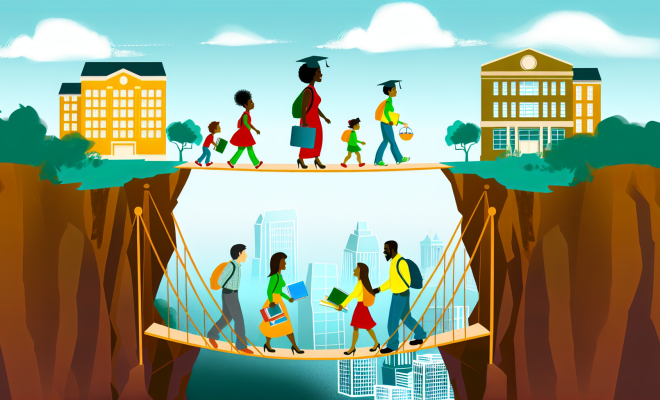
The challenges faced by student parents in higher education are becoming increasingly visible, yet their needs often remain unmet. A recent conversation with the founder of Generation Hope sheds light on the hurdles that these individuals encounter, particularly focusing on single mothers who make up the majority of this demographic.
The Reality for Student Parents
Published on March 18, 2026, in Inside Higher Ed, the interview highlights the stark reality that many student parents are living in poverty, battling pay equity gaps, and struggling with access to affordable childcare. These obstacles not only hinder their educational pursuits but also impact their overall well-being and the future of their children.
Single Mothers at the Forefront
According to the report, the majority of student parents are single mothers. This demographic faces unique challenges, including financial instability and the overwhelming responsibility of caregiving. With limited support systems, these women often juggle multiple roles—student, worker, and parent—making it incredibly difficult to succeed academically.
Despite the critical roles they play, single fathers are frequently overlooked in discussions surrounding caregiving and parenting in higher education. This lack of representation can perpetuate stereotypes and fail to recognize the contributions of all parents in educational settings.
The Importance of Data Collection
One of the key recommendations from the interview is the need for colleges and universities to begin systematically collecting data on the parenting statuses of their students. Currently, most institutions do not track this information, leading to a lack of understanding regarding the needs and challenges faced by student parents.
- Data Collection: Gathering information on parenting status can help institutions tailor their support services effectively.
- Identifying Needs: Understanding the demographics of student parents can lead to targeted resources and programs.
- Policy Development: Data can inform policy changes that create a more inclusive environment for all parents.
Creating Tailored Solutions
With 15-20% of students being parents, the demand for supportive services is significant. Colleges can take proactive steps to assist student parents by implementing solutions such as:
- After-Hours Drop-In Childcare: Providing flexible childcare options can help alleviate the burden on student parents who may have class schedules that conflict with traditional childcare hours.
- Parenting Support Groups: Establishing networks for student parents can foster community and provide a platform for sharing resources and experiences.
- Financial Assistance: Offering scholarships and grants specifically for student parents can help mitigate financial stress and enable them to focus on their studies.
The Role of Higher Education Institutions
Higher education institutions must recognize that supporting student parents is not just a matter of equity but also a pathway to student success. By addressing the specific needs of this demographic, colleges can improve retention rates and graduation outcomes.
The Ripple Effect of Support
When student parents receive adequate support, the benefits extend beyond the individual students. Their success in higher education can lead to:
- Improved Economic Stability: Graduating from college often leads to better job opportunities and higher income, which can significantly affect their families’ quality of life.
- Positive Role Modeling: Student parents who complete their education set a powerful example for their children, demonstrating the value of higher education.
- Community Impact: Educated parents contribute to stronger communities and play a crucial role in breaking the cycle of poverty.
Looking Ahead
The fight for better access and support for student parents in higher education is ongoing. Advocacy groups like Generation Hope are working tirelessly to bring these issues to the forefront, but more must be done.
As we move forward, it is essential for educational institutions to collaborate with community organizations, policymakers, and student parents themselves to create a supportive framework that acknowledges and addresses their unique challenges.
In conclusion, the journey of student parents in higher education is fraught with challenges, but with the right support, they can overcome these obstacles. By understanding their needs and implementing targeted solutions, institutions can not only enhance the educational experience for these parents but also contribute to building a more equitable society.