Why Gen Z’s Fascination with Anti-AI Gadgets Is Reshaping Tech Trends
“`html
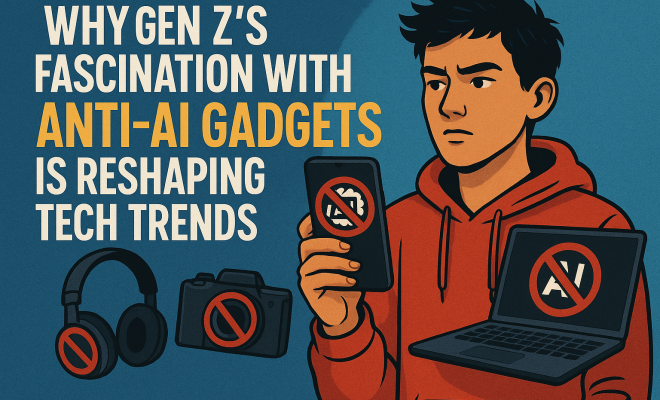
In today’s tech landscape, where artificial intelligence (AI) has become a cornerstone of innovation, a surprising counter-trend is emerging among the youngest consumers. This trend, primarily embraced by Generation Z, involves a growing inclination towards single-purpose, anti-AI devices that defy the current digital norm. As reported by Catherine Thorbecke, this phenomenon is not just a fleeting fad but a significant cultural shift that reflects deeper sentiments about technology and authenticity.
Understanding the Anti-AI Movement
Generation Z, often defined as those born from the late 1990s to the early 2010s, is the first generation to grow up in a world saturated with technology. They are comfortable with smartphones, social media, and AI-driven tools. However, this exposure has led to a paradoxical reaction: a desire for simpler, more tangible technological experiences. The anti-AI trend challenges the ubiquity of AI by promoting specialized gadgets that prioritize functionality over complex, generalized systems.
Many Gen Z consumers are increasingly drawn to devices that serve a clear, specific purpose. Instead of relying on multifunctional gadgets that incorporate AI, they are exploring tools that offer a unique value proposition. Whether it’s a vintage-style instant camera, a manual typewriter, or a quirky kitchen gadget, these items appeal to the desire for authenticity and nostalgia.
The Appeal of Specialized Gadgets
So, what exactly is driving this fascination with single-purpose devices? For one, the overwhelming presence of AI can sometimes feel impersonal or invasive. Gen Z is seeking ways to reclaim their interaction with technology, opting for tools that foster creativity and self-expression.
Specialized devices often come with a tactile experience that AI-driven tools lack. A simple example is the rise of manual coffee grinders. Many young coffee enthusiasts prefer these over automated machines. Not only do they enjoy the ritual of grinding beans, but they also appreciate the craftsmanship involved in creating their favorite brews.
Social Media’s Role in Spreading the Trend
Social media platforms like Instagram, TikTok, and Pinterest have played a pivotal role in promoting this anti-AI trend. Users are sharing photos and videos of their unique gadgets, creating a visual culture that celebrates the eccentric and the niche. The slogan ‘fear of missing out’ (FOMO) is particularly relevant here, as many young people feel compelled to showcase their latest finds.
A viral trend often starts with a few influential figures showcasing their collections of odd gadgets. This not only ignites curiosity but also fosters a community of enthusiasts eager to discover and share the next quirky device. As these posts gather likes and shares, they create an insatiable appetite for the weird and wonderful, further fueling the movement.
Impact on Consumer Behavior
This shift in preference is impacting consumer behavior in various ways. The anti-AI gadget trend reflects a desire for authenticity, individuality, and connection. Young consumers are increasingly cautious about how much they rely on digital systems, making informed choices about the technology they incorporate into their lives.
As a result, brands are now responding to this shift by introducing limited-edition or unique products aimed at Gen Z. Companies are tapping into the niche market of single-purpose gadgets, launching items that offer specialized functions and experiences. This trend opens up opportunities for startups and creators who can cater to the diverse tastes and preferences of this discerning generation.
Emotional Connections to Technology
The emotional aspect of technology cannot be overlooked. For many in Gen Z, using a quirky gadget is not merely about functionality but also about creating memories and experiences. These devices often come with backstories or unique designs that resonate with users on a personal level.
Take, for example, the resurgence of Polaroid cameras. The instant gratification of capturing a moment and having a physical photo in hand is a thrilling experience that digital cameras or smartphones can’t replicate. Gen Z users are drawn to this nostalgia, using these devices to document their lives in a more tangible way. (See: BBC article on technology trends.)
Challenges and Critiques of the Anti-AI Trend
While the anti-AI gadget trend offers an exciting alternative to typical smart devices, it also raises questions about sustainability and practicality. Critics argue that the rise of single-purpose gadgets can lead to increased waste and clutter. In a world where minimalism and environmental concerns are significant, the production of numerous specialized devices may counteract efforts to reduce consumption.
Moreover, not all consumers may have the luxury to indulge in niche devices. The cost of specialized tools can be higher than their multifunctional counterparts, limiting accessibility for some. This brings forth a need for brands to consider affordability and sustainability when developing new products targeting Gen Z.
The Intersection of Art and Technology
Another fascinating element of the anti-AI trend is how it intersects with various forms of art and creativity. Many young people are using these specialized gadgets to explore their passions, whether it’s photography, music, or crafting. The act of engaging with tangible technology fosters a deeper connection to the creative process.
For instance, musicians might favor analog synthesizers over digital ones, appreciating the unique sounds and hands-on experience these instruments provide. Artists may choose to work with physical drawing tools rather than digital tablets, relishing the tactile sensation of pencil on paper.
Looking Ahead: The Future of Gen Z Tech Trends
The anti-AI movement is not just a transient phase; it signifies a growing desire among Gen Z to redefine their relationship with technology. As this generation continues to mature and influence the market, we can expect more brands to innovate around these preferences.
The future may involve a more balanced approach to technology, where AI and specialized devices coexist. Companies might develop hybrid products that incorporate AI while still maintaining the charm and simplicity of single-purpose tools. This could lead to exciting new offerings that cater to the evolving tastes of consumers.
Contributing to a Sense of Community
The rise of anti-AI gadgets also fosters a sense of community among users. As enthusiasts share their unique finds and experiences, they create bonds with others who appreciate the same quirky devices. This communal aspect enhances the appeal, turning gadget ownership into a shared journey rather than a solitary act.
Online forums and social media groups dedicated to niche gadgets are popping up, providing platforms for users to discuss their latest acquisitions, share tips, and connect over their love for the unusual. This growing community highlights the importance of connection in the digital age, showcasing how technology can facilitate meaningful relationships.
The Impact of Sustainability on Gen Z Tech Trends
Sustainability is a crucial element that shapes Gen Z’s tech trends. While many young consumers embrace anti-AI gadgets, they are also acutely aware of the environmental impact of their purchases. This generation is more likely than previous ones to conduct research before buying, opting for brands that prioritize eco-friendly practices.
For instance, brands that use recycled materials or sustainable manufacturing processes resonate well with Gen Z. This is evident in the surge of eco-conscious companies producing items like solar-powered chargers and reusable kitchen gadgets. The demand for sustainable products aligns with the anti-AI trend, as single-purpose gadgets are often seen as more practical and less wasteful compared to their AI-enhanced counterparts.
Statistics Show a Shift in Preferences
Recent studies demonstrate a notable shift in consumer preferences among Gen Z. According to a survey conducted by McKinsey & Company, 70% of Gen Z consumers have expressed interest in purchasing more sustainable products. Furthermore, 58% indicated they would pay more for brands committed to reducing their environmental impact. This data underscores how the anti-AI movement is intertwined with a broader demand for sustainability in technology.
Additionally, a report from Deloitte highlights that 36% of Gen Z shoppers prefer to buy from brands that align with their values. This preference is shaping how companies approach product development, pushing them to create gadgets that resonate with the aspirations of young consumers while still being environmentally responsible.
Expert Perspectives on the Anti-AI Trend
Experts from various fields have weighed in on the anti-AI movement. According to Dr. Lisa G. McMahon, a sociologist specializing in technology and culture, “Gen Z’s preference for single-purpose gadgets reflects a broader search for authenticity in a world that often feels overwhelming with digital noise.” Her insights indicate that this trend is rooted in a deep-seated desire for genuine experiences that can be hard to find in a tech-saturated environment. (See: New York Times on Gen Z and technology.)
Furthermore, industry analyst James R. Callahan points out that “the anti-AI trend presents unique opportunities for brands willing to innovate responsibly. Companies that align their products with the values of Gen Z—such as sustainability and uniqueness—are poised for success.” This perspective emphasizes the importance of understanding the evolving consumer landscape as companies look to capture the attention of a discerning generation.
Comparative Analysis: Anti-AI Gadgets vs. AI-Driven Tools
When comparing anti-AI gadgets with AI-driven tools, the differences become clear. AI-driven tools often promise efficiency and convenience, capable of performing a multitude of tasks with minimal user input. For instance, a smart home device can control lights, temperature, and security systems all at once, providing a seamless experience for users who appreciate automation.
On the other hand, anti-AI gadgets emphasize simplicity and user involvement. A manual coffee grinder requires the user to engage with the process, adding a personal touch to an everyday routine. This distinction highlights a fundamental choice: do consumers prioritize efficiency, or are they seeking a deeper connection with their tools?
While AI tools may appeal to those valuing multitasking and ease, the anti-AI movement attracts individuals who find joy in the process itself. This divergence in values can significantly influence future tech developments, as companies navigate the balance between automation and authenticity.
FAQ: Understanding Gen Z Tech Trends
What are anti-AI gadgets?
Anti-AI gadgets are devices designed to perform specific functions without the integration of artificial intelligence. They focus on simplicity, usability, and tangible user experiences, catering to a desire for authenticity among consumers.
Why is Generation Z drawn to single-purpose devices?
Gen Z is drawn to single-purpose devices for several reasons, including a desire for authenticity, nostalgia, and a more hands-on interaction with technology. These gadgets often foster creativity and personal expression in ways that AI-driven tools cannot.
How does social media influence these tech trends?
Social media platforms amplify the anti-AI trend by providing a space for users to showcase their unique gadgets. Viral trends, influencers, and niche communities help popularize these devices, creating a visual culture that celebrates individuality and creativity.
Are anti-AI gadgets sustainable?
While many anti-AI gadgets can be more sustainable than their multifunctional counterparts, their overall impact depends on the materials used and the manufacturing processes involved. Brands that prioritize eco-friendly practices resonate more with Gen Z consumers, who are increasingly concerned about environmental issues.
What does the future hold for Gen Z tech trends?
The future of Gen Z tech trends may involve a blend of AI and single-purpose devices. Companies may innovate hybrid products that incorporate AI functionalities while retaining the simplicity and charm of specialized gadgets, catering to the evolving preferences of this generation.
Exploring the Global Influence of Gen Z Tech Trends
While the anti-AI movement is particularly strong in Western cultures, its influence can be seen globally. In markets like Japan and South Korea, where technology is deeply integrated into daily life, younger generations are also starting to gravitate towards more tactile, specialized devices. For example, in Japan, there has been a resurgence of interest in traditional crafts and handmade tools, reinforcing the value of authenticity and uniqueness in tech products.
This global perspective highlights how diverse cultural backgrounds can shape tech preferences. In countries with a rich history of craftsmanship, the appreciation for single-purpose gadgets often reflects a desire to preserve cultural heritage while embracing modernity. Such trends have the potential to create international market opportunities for brands willing to adapt their offerings to resonate across different cultures. (See: Scientific article on technology and authenticity.)
Case Studies: Successful Anti-AI Brands
Several brands have successfully tapped into the anti-AI trend, showcasing how specialized gadgets can resonate with Gen Z. One notable example is the resurgence of the film camera brand Kodak, which has reinvented itself by promoting its instant print cameras. These cameras not only capture moments but also encourage creativity and interaction among friends—a stark contrast to the solitary experience of digital photography.
Another example is the success of brands like Wacaco, known for their portable espresso makers. This product appeals to coffee lovers by allowing them to prepare coffee manually, emphasizing quality and control over convenience. Such brands are leveraging the anti-AI sentiment by focusing on craftsmanship, quality materials, and unique user experiences.
The Role of Education in Fostering Tech Trends
Education plays a significant role in shaping Gen Z’s relationship with technology. Schools and universities are beginning to emphasize hands-on learning experiences that encourage creativity and critical thinking. This shift is evident in education programs focusing on DIY (do-it-yourself) projects, coding classes, and workshops that promote the use of specialized tools.
As educational institutions adapt their curricula to include practical skills, students are likely to become more aware of the value in using specialized gadgets. This exposure can promote a culture of innovation, where young people appreciate the artistry behind technology rather than solely its functionality.
Navigating the Balance Between Tech and Life
In a world where technology often dictates daily rhythms, Gen Z is keen on finding a balance between technological integration and life outside of screens. This desire for balance fuels the anti-AI movement, as young people seek gadgets that encourage mindfulness, creativity, and personal interaction.
From digital detox retreats to the rise of mindfulness apps, there’s a growing recognition that mental health is equally important as technological advancement. The focus on using gadgets that bring people together—like board games or crafting tools—illustrates how Gen Z is redefining what tech means. They are not rejecting technology outright but are advocating for its purpose to create genuine human connections.
Conclusion: Embracing Authenticity in a Tech-Driven World
As Generation Z continues to navigate a world dominated by AI, their preference for single-purpose, anti-AI gadgets is a striking statement about their values and priorities. This trend reflects a desire for authenticity, creativity, and connection in a fast-paced digital landscape. Through their engagement with these specialized devices, young people are carving out spaces for themselves in the realm of technology, prioritizing experiences over mere functionality.
In the grand scheme of tech trends, this movement may seem like a small ripple, but it carries profound implications for the future of technology. As brands respond to these preferences and consumers seek out genuine experiences, we might witness a new era of innovation that marries the best of both worlds—AI’s efficiency and the charm of single-purpose tools. Ultimately, the ongoing dialogue surrounding this trend will shape the evolution of technology in ways we are only beginning to understand.
“`
Trending Now
Frequently Asked Questions
Why is Gen Z interested in anti-AI gadgets?
Gen Z's interest in anti-AI gadgets stems from a desire for simpler, more tangible experiences. Having grown up in a tech-saturated environment, they seek authenticity and creativity through specialized devices that prioritize functionality over complex AI systems.
What types of anti-AI gadgets are popular among Gen Z?
Popular anti-AI gadgets among Gen Z include vintage-style instant cameras, manual typewriters, and quirky kitchen tools. These single-purpose devices appeal to their desire for nostalgia and provide a unique value proposition compared to multifunctional AI-driven gadgets.
How does the anti-AI movement reflect cultural sentiments?
The anti-AI movement reflects a cultural shift where Gen Z is pushing back against the overwhelming presence of AI. This trend indicates a longing for authenticity and personal connection in technology, as they seek tools that enhance creativity and self-expression.
What are the benefits of using specialized gadgets?
Specialized gadgets offer several benefits, including a tactile experience and a clear, specific purpose. They allow users to engage more deeply with their tasks, fostering creativity and self-expression, which often feels more satisfying than using complex AI-driven devices.
Is the anti-AI trend a lasting change in consumer behavior?
Yes, the anti-AI trend appears to be a significant cultural shift rather than a fleeting fad. As Gen Z continues to prioritize authenticity and simplicity in technology, this movement is likely to reshape tech trends and consumer preferences in the long term.
What did we miss? Let us know in the comments and join the conversation.