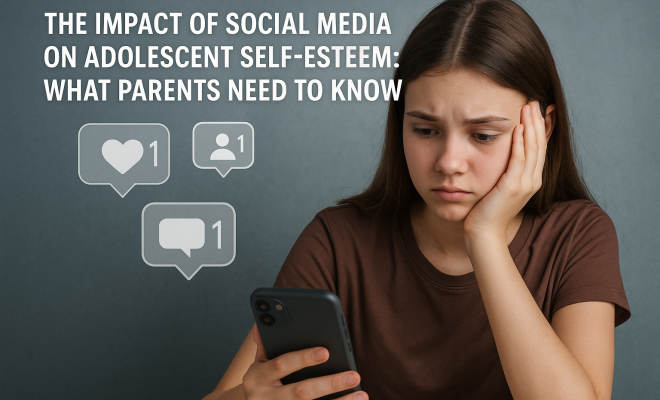
“The Impact of Social Media on Adolescent Self-Esteem: What Parents Need to Know”
“`html
As parents, navigating the turbulent waters of adolescence can often feel like an uphill battle, especially with the rising influence of social media on our youths. The intersection of social media and adolescent self-esteem has become a focal point of concern, leading to critical discussions about its impact on young people’s mental health and self-image. In this article, we’ll explore the nuances of this issue, giving parents the insights they need to help their children thrive in a digital age.
Understanding the Landscape of Social Media
Before diving into the effects of social media on adolescent self-esteem, it’s crucial to understand what social media is and how it operates. Platforms like Instagram, TikTok, Snapchat, and Twitter have fundamentally changed how teens communicate, share their lives, and perceive themselves. According to the Pew Research Center, about 85% of teens say they use social media, with a significant portion admitting it impacts their self-image.
The Positive Aspects of Social Media
While there are undeniable negative aspects of social media, it’s equally important to recognize its potential benefits. For many adolescents, social media is a space for self-expression. It provides a platform to showcase talent, engage in interests, and connect with like-minded peers. For instance, a teenager passionate about art can share their drawings on Instagram, receiving positive reinforcement from followers, which can boost confidence.
Additionally, social media can foster a sense of community. Adolescents who might feel isolated due to their interests or identities can find support and camaraderie online. For example, LGBTQ+ teens often turn to social media to connect with others experiencing similar challenges, offering invaluable support that may be lacking in their immediate environment.
The Dark Side: Social Comparison and Self-Esteem
Despite these benefits, the darker realities cannot be ignored. One of the central issues at play is social comparison. Adolescents are naturally inclined to compare themselves to their peers; social media amplifies this impulse exponentially. Research from Vogel et al. (2014) shows that individuals who engage more frequently with social media platforms often report lower self-esteem and higher levels of anxiety. This stems from the curated highlight reels that users post, which can create unrealistic standards of beauty, achievement, and happiness.
When a young person scrolls through an endless stream of seemingly perfect lives, it’s easy for them to internalize feelings of inadequacy. They may start to think, “Why don’t I look like that?” or “Why can’t I do that?” These thoughts can lead to a decline in self-worth, especially for those who are already vulnerable.
The Role of Parental Guidance
As parents, it’s vital to engage in conversations with your children about their social media use and its correlation to social media and adolescent self-esteem. Open dialogues can foster understanding and help kids process their feelings. Make it a point to ask about what they enjoy on social media and how it makes them feel. This not only teaches them to articulate their emotions but also helps you gauge their mental state.
Setting boundaries around social media usage can also be beneficial. Encourage your children to take breaks from their screens and engage in real-world activities that foster self-esteem, such as sports, arts, or volunteering. It’s not about banning social media outright but rather teaching moderation and balance.
The Impact of Cyberbullying
Another critical aspect of the social media landscape is cyberbullying, which can have devastating effects on a young person’s self-esteem. A study conducted by the StopBullying.gov found that nearly 20% of high school students experience bullying, with social media serving as a significant platform for harassment. Victims of cyberbullying often suffer from feelings of loneliness, depression, and low self-esteem.
It’s essential for parents to be aware of the signs of cyberbullying and to create a safe space for their children to share their experiences. Encourage them to speak up if they encounter any online harassment and assure them that they won’t face repercussions for doing so.
Encouraging Positive Self-Image
So, how can parents help cultivate a positive self-image in their children amidst the challenges posed by social media? One effective approach is to encourage critical thinking about content. Teach your children to consume media mindfully, questioning the authenticity of what they see online. Discuss the concept of filters, editing apps, and the pressure influencers face to present a certain image. This can empower them to view social media with a more discerning eye. (See: NIH article on social media and mental health.)
Another strategy is to help them cultivate their self-worth through offline accomplishments. Celebrate their achievements in academics, sports, or the arts, and remind them that value comes from within. Activities such as journaling can also help adolescents process their emotions and develop resilience against negative social comparisons.
Promoting Healthy Social Media Habits
It’s not just about managing the impact of social media; it’s also about promoting healthy habits. Encourage your children to follow accounts that inspire and uplift them. There are numerous creators who focus on body positivity, mental health awareness, and personal growth. By filling their feeds with positive content, adolescents can reshape how they view themselves and the world around them.
Additionally, setting a good example is crucial. Demonstrate healthy social media habits in your own usage. Show your children how to engage positively, avoid negative talk, and take breaks when necessary. The best way for them to learn is by observing your behavior.
The Role of Educational Institutions
Schools also play a pivotal role in addressing the impact of social media and adolescent self-esteem. Educational institutions can implement programs that raise awareness about the effects of social media on mental health. Workshops focusing on digital literacy can equip students with the tools to navigate online content critically. Furthermore, providing access to mental health resources can help students cope with the pressures of online life.
Collaboration between parents and schools is vital. By working together, you can create a supportive environment that prioritizes mental health and personal well-being over social media validation. This partnership can lead to more effective strategies for helping students manage their online presence and self-esteem.
Future Trends and Considerations
As technology continues to evolve, so too will social media’s impact on adolescent self-esteem. Emerging platforms and trends are constantly reshaping how young people interact with each other and with themselves. For instance, the rise of ephemeral content on platforms like Snapchat and TikTok introduces new dynamics to self-presentation and validation. It’s crucial for parents to stay informed about these trends and how they affect their children.
Looking ahead, it will be essential for both parents and educators to advocate for more responsible social media practices. Encouraging tech companies to prioritize mental health in their designs could lead to healthier online environments for adolescents. Meanwhile, fostering resilience and self-acceptance in young people will be key to helping them navigate the complexities of their digital lives.
Taking Action: Practical Steps for Parents
Understanding the impact of social media on adolescent self-esteem is just the first step. Here are some practical actions you can take:
- Engage in Open Dialogue: Regularly discuss social media use with your child. Ask about their favorite platforms and how they feel about them.
- Model Healthy Behavior: Practice positive social media habits and share your experiences with your child.
- Monitor Usage: Keep an eye on your child’s social media interactions and be aware of any signs of negative experiences.
- Encourage Offline Activities: Promote hobbies and interests that build self-esteem outside of the digital world.
- Educate About Cyberbullying: Discuss the importance of reporting bullying and create an environment where your child feels safe to speak up.
Ultimately, the influence of social media and adolescent self-esteem is a multifaceted issue that requires attention and action from parents, educators, and society as a whole. By fostering open communication, promoting positive habits, and staying informed, we can help our adolescents navigate the complexities of the digital age with confidence and resilience.
Statistics on Social Media Use and Self-Esteem
The impact of social media on adolescent self-esteem is not just anecdotal; various studies provide compelling statistics. For example, a study by the American Psychological Association found that 61% of teenagers reported feeling pressured to present a perfect image online. This pressure often leads to anxiety and low self-esteem, as adolescents feel they must compete with the curated lives of their peers.
Moreover, the Journal of Pediatrics published findings indicating that teens who spend more than three hours a day on social media are 60% more likely to experience mental health issues such as anxiety and depression. It’s clear that the time spent online can have a significant impact on how adolescents feel about themselves.
Expert Perspectives on Social Media’s Impact
Experts in psychology and adolescent development stress the importance of understanding these dynamics. Dr. Jean Twenge, a psychologist and author of the book iGen, emphasizes that social media can exacerbate feelings of loneliness and inadequacy among teenagers. She points out that the rise of smartphones and social media corresponds with a noticeable increase in mental health issues in this demographic.
Another expert, Dr. Delaney Ruston, who created the documentary Screenagers, advocates for a balanced approach to technology. She suggests that it’s essential for parents to not only monitor usage but to also discuss the emotional implications of social media with their children. She believes that fostering open communication can help mitigate some of the adverse effects.
Comparative Analysis: Social Media Platforms and Self-Esteem
Not all social media platforms have the same effect on self-esteem. A comparative analysis of platforms reveals varying impacts. For instance, research indicates that Instagram, with its focus on visual content, often leads to more significant self-esteem issues due to constant comparisons about appearance and lifestyle. On the other hand, platforms designed for messaging, like WhatsApp, tend to foster more meaningful connections and less superficial comparisons.
Additionally, TikTok has emerged as a space where creativity and self-expression thrive. While it can still contribute to self-esteem issues, particularly related to trends and challenges, it also allows users to share their unique talents and receive positive reinforcement, potentially boosting confidence in some contexts.
Frequently Asked Questions
How can I tell if my child is struggling with self-esteem issues related to social media?
Look for changes in their behavior, such as increased withdrawal from social activities, a drop in academic performance, or frequent complaints about feeling inadequate. Open conversations about their online experiences can also provide insights.
What are some signs of cyberbullying I should watch for?
Be alert for changes in your child’s mood or behavior, such as becoming secretive, showing signs of anxiety or depression, or expressing fear about going to school or using their device. If they seem especially upset after using social media, it may be a sign of cyberbullying.
Can social media ever have a positive impact on my child’s self-esteem?
Yes, social media can provide opportunities for self-expression and connection with like-minded peers. If used positively, it can help adolescents build a sense of community and receive validation for their interests and talents.
What can I do if my child is experiencing low self-esteem due to social media?
Encourage them to take breaks from social media, engage in offline activities that promote self-esteem, and have open discussions about their online experiences. Professional counseling may also be beneficial for deeper emotional issues.
How often should I check my child’s social media accounts?
While it’s essential to monitor usage, it’s equally important to respect their privacy. Regularly discussing their social media habits and experiences can provide a balance between oversight and independence.
Exploring Social Media Trends and Their Effects
New trends continuously emerge on social media, and understanding these can help parents better comprehend the dynamics affecting their children’s self-esteem. For example, the “like” culture fosters an environment where validation is often tied to the number of likes or comments received on a post. This can lead adolescents to equate their self-worth with online popularity, making them feel inadequate if their posts don’t receive the same level of attention as their peers.
Another trend is the growing popularity of challenges and viral content, which can pressure adolescents to conform and participate, potentially leading to risky behaviors. Understanding these trends can help parents guide their children more effectively, ensuring they engage with social media in a way that supports their mental health.
Building Digital Resilience
Helping adolescents develop resilience in the face of social media challenges is crucial. This means teaching them coping strategies for dealing with negative feedback or cyberbullying. Role-playing different scenarios can prepare them for real-life situations, helping them feel more confident when facing adversity online.
Encourage your child to take breaks from social media, especially during emotionally taxing periods. For instance, if they experience a breakup or fail a test, suggest a digital detox to help them reset emotionally and regain perspective. This can foster healthier habits and reduce the reliance on social validation.
Real-Life Examples of Positive Social Media Use
Several campaigns and initiatives exemplify how social media can be used positively. For instance, the #BodyPositivity movement encourages individuals to embrace their bodies and reject societal standards of beauty. This can help adolescents build a more positive self-image by challenging the unrealistic portrayals often seen online.
Social media platforms have also become avenues for mental health awareness, with campaigns like #BellLetsTalk promoting conversations about mental health challenges. Such initiatives can empower adolescents to speak out about their struggles and seek help, reinforcing that they are not alone in their experiences.
Statistics on Mental Health and Social Media Use
According to various studies, the correlation between social media use and mental health is significant. The National Institutes of Health reported that adolescents who spend more than two hours a day on social media are more likely to report symptoms of depression and anxiety. This statistic underscores the importance of monitoring not just usage time but also the quality of content consumed.
In a survey conducted by Common Sense Media, 35% of teenagers stated that social media makes them feel more connected to their friends, while 32% said it leads to feelings of anxiety. This dual perspective highlights the complexity of social media’s impact on adolescent self-esteem and mental health.
The Importance of Digital Literacy
Educating adolescents about digital literacy is critical in helping them navigate social media effectively. Digital literacy includes understanding how to critically evaluate online content, recognizing misinformation, and being aware of the emotional impact of social media interactions. Schools can incorporate lessons on digital literacy into their curricula, ensuring that students are equipped with the knowledge to engage with social media responsibly.
Parents can also play a role by discussing digital literacy at home. Encourage your child to verify information before sharing it and to think critically about the content they consume. This not only aids in developing their social media skills but also contributes to building a healthier self-esteem by fostering a more discerning approach to online interactions.
Final Thoughts on Navigating Social Media
As technology continues to develop, understanding the interplay between social media and adolescent self-esteem remains essential. By fostering an environment of open communication, critical thinking, and positive engagement with social media, parents can play a key role in their children’s development. The goal isn’t to eliminate social media from their lives but to help them navigate it in a way that supports their mental health and self-image.
Remember, your involvement and guidance can make a significant difference. With the right tools, conversations, and support systems, adolescents can thrive in a digital age full of challenges and opportunities. Staying informed and engaged is the first step towards fostering resilience and self-acceptance in our youth.
“`
Trending Now
Frequently Asked Questions
How does social media affect adolescent self-esteem?
Social media can significantly impact adolescent self-esteem by fostering both positive and negative self-perceptions. While it offers opportunities for self-expression and community building, it also encourages social comparison, leading to feelings of inadequacy and low self-worth among teens.
What are the positive effects of social media on teens?
Social media can positively affect teens by providing platforms for self-expression, showcasing talents, and connecting with like-minded peers. It can also create supportive communities, especially for marginalized groups, helping adolescents find acceptance and encouragement.
What should parents know about social media and mental health?
Parents should be aware that social media can influence their children's mental health and self-image. Understanding the dynamics of online interactions and encouraging open discussions can help mitigate negative effects and promote healthy social media use.
How can parents help their teens navigate social media?
Parents can help their teens navigate social media by fostering open communication about online experiences, setting boundaries for usage, and encouraging critical thinking about the content they consume. Engaging in discussions about self-worth and positive self-image is also essential.
What role does social comparison play in adolescent self-esteem?
Social comparison plays a significant role in adolescent self-esteem, as teens often measure themselves against their peers' curated online personas. This can lead to feelings of inadequacy and lower self-esteem, particularly when they perceive themselves as less successful or attractive.
What did we miss? Let us know in the comments and join the conversation.