
Baby Temperaments: Easy, Difficult, or Slow-to-Warm?
“`html
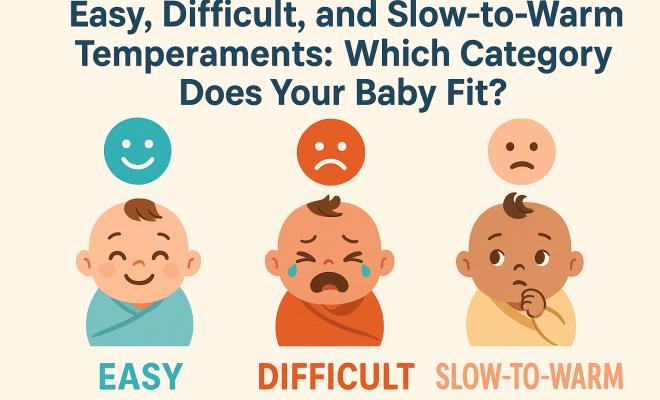
Understanding your baby’s temperament can be a journey filled with revelations. Not all infants are created equal; some are easy-going and adaptable, while others may be feisty and require more patience. The concept of baby temperaments provides a framework for parents to understand their child’s unique personality traits. This article will explore the classifications of easy, difficult, and slow-to-warm temperaments, helping you identify where your baby fits and offering practical insights on how to nurture their development.
Understanding Baby Temperaments
Temperament refers to the innate personality traits that children are born with. These traits influence how they react to new experiences, their moods, and their overall behavior. Psychologist Stella Chess and her colleague Alexander Thomas conducted extensive research in the 1970s and identified three primary temperament categories: easy, difficult, and slow-to-warm. Their findings are still relevant today as they provide essential guidance for parents navigating the complexities of child-rearing.
What Are Easy Temperaments?
Babies classified with an easy temperament are often described as cheerful, adaptable, and predictable. These infants usually exhibit regular feeding and sleeping patterns, and they tend to approach new experiences with curiosity rather than fear. If your baby fits this category, you may find that they smile often, respond positively to social interactions, and handle changes in routine without significant distress.
Parents of easy babies often experience less stress because these infants typically require less effort to soothe. For instance, if you’re out running errands and your baby is cooing in their stroller, it’s likely that they’re comfortable and content. Research indicates that about 40% of children fall into this easy temperament category, making it the most common type.
The Characteristics of Difficult Temperaments
In contrast, difficult babies present a unique set of challenges. These infants tend to be more fussy, have irregular sleep and feeding schedules, and may be resistant to new experiences. They often cry more frequently and can be harder to soothe. If your baby is classified as difficult, you might find that they become overwhelmed easily or react negatively to change.
About 10% of infants are categorized as having a difficult temperament. For example, during a family gathering, a difficult baby may become agitated in a crowded or noisy environment, requiring extra attention and care from parents to restore calm. Understanding these traits can help you develop strategies to support your baby’s emotional needs while also managing your own stress levels.
Exploring Slow-to-Warm Temperaments
Slow-to-warm babies, accounting for about 15% of children, tend to be somewhat shy or cautious in new situations. They may take longer to adapt to changes in their environment compared to easy babies. Initially, they might react with reluctance or fear when introduced to unfamiliar people, but over time, they typically warm up as they become familiar with their surroundings.
Managing a slow-to-warm baby requires patience. For instance, if you’re introducing your child to a new daycare, it may be beneficial to visit the location multiple times before the first full day, allowing your baby to explore the space at their own pace. Understanding this temperament can foster a sense of security and reduce anxiety for both the child and the parent.
Identifying Your Baby’s Temperament
Recognizing your baby’s temperament is crucial for tailoring your parenting approach. You can start by observing their reactions in different scenarios. Consider how they respond to new people, situations, and changes in routine. Keep an eye out for the following indicators:
- Adaptability: Does your baby quickly adapt to new environments or routines?
- Activity Level: Is your baby generally active or more subdued?
- Intensity of Reaction: When surprised or upset, how intensely does your baby react?
- Positive Mood: Is your baby generally happy and smiling?
- Social Engagement: How eager is your baby to engage with others?
By assessing these factors, you can determine which category your baby may fit into. Keep in mind that a child may display traits from more than one category, and it’s also possible for temperaments to evolve as they grow.
Practical Insights for Parenting Each Temperament
Once you’ve identified your baby’s temperament, consider these tailored strategies for each category:
For Easy Babies
Even though easy babies require less effort, it’s still essential to foster their development. Engage them in stimulating activities that promote cognitive and motor skills. Regular routines can help maintain their contentment and security.
For Difficult Babies
Parents of difficult babies may benefit from establishing a predictable routine to help reduce anxiety. Try to be flexible and patient; soothing techniques like swaddling, rocking, or using white noise can be effective. You might also want to create a calm environment, especially during transition times, to help your baby feel secure. (See: Research on infant temperament traits.)
For Slow-to-Warm Babies
Patience is key when managing slow-to-warm infants. Allow them time to acclimate to new environments, and encourage exploration at their own pace. Introduce new experiences gradually, and reassure them with your presence as they navigate unfamiliar situations.
The Importance of Environment and Parenting Style
Your baby’s environment and your parenting style play significant roles in their temperament development. A nurturing, supportive atmosphere can help foster positive traits. For instance, responsive caregiving—where you promptly attend to your baby’s needs—can build trust and security, particularly for difficult and slow-to-warm infants.
Additionally, parent-child interaction styles also influence how temperaments manifest. For example, a parent who encourages exploration will likely help a slow-to-warm baby become more confident. On the other hand, a parent who is overly reactive to a difficult baby’s distress may inadvertently reinforce those negative behaviors.
Flexibility and Adaptation
As your baby grows, their temperament may shift, influenced by various factors such as environment, social interactions, and developmental milestones. It’s crucial to remain flexible and adjust your approach as needed. For example, an easy baby may become more challenging during phases of growth or when facing new cognitive developments, like teething or learning to walk.
Understanding that temperament is not fixed but can evolve allows parents to adapt their strategies while continuing to support their child’s emotional and developmental needs.
Expert Insights on Baby Temperaments
Experts in child psychology emphasize the importance of recognizing and respecting your baby’s unique temperament. Dr. Linda Blair, a clinical psychologist specializing in child development, notes that understanding a child’s temperament can help parents respond more appropriately to their needs, leading to a healthier parent-child relationship. In her research, she highlights how positive interactions can help mitigate negative behaviors exhibited by difficult or slow-to-warm infants.
Furthermore, she advocates for a strengths-based approach. Instead of focusing solely on the challenges associated with difficult babies, it’s essential to recognize and foster their strengths, such as resilience and determination.
Current Relevance of Baby Temperaments
In our fast-paced world, where parenting advice is often overwhelming, understanding baby temperaments offers a sense of clarity. With growing awareness of mental health and emotional well-being, recognizing the differences in how children respond to their environments is more critical than ever. This awareness can lead to more compassionate parenting and a deeper bond between parent and child.
Moreover, as children enter school and social situations, their temperament can affect their interactions with peers and adults. By understanding their temperament, parents can better prepare their children for social challenges, equipping them with coping strategies that honor their unique personalities.
Final Thoughts on Baby Temperaments
The journey of understanding your baby’s temperament is an ongoing exploration. It’s essential to remember that every child is unique, and while these classifications can provide insight, they are merely guidelines. By embracing your baby’s temperament and responding to their needs with compassion and understanding, you can foster a nurturing environment that promotes healthy emotional development. Whether your baby is easy, difficult, or slow-to-warm, each temperament has its strengths and weaknesses, and all deserve a loving, supportive approach as they grow and thrive.
Common Misconceptions About Baby Temperaments
There are several misconceptions about baby temperaments that can lead to misunderstandings among parents. One common belief is that a difficult temperament is a sign of a “bad” baby or poor parenting. In reality, temperament is not a reflection of a baby’s worth or their parent’s skills. It is simply an inherent part of their personality.
Another misconception is that a child’s temperament is fixed for life. While certain traits may be consistent, children can exhibit different behaviors depending on the environment and experiences they encounter. Each phase of development can bring changes in how a child’s temperament is expressed.
Additionally, many parents worry that their child’s temperament will affect their future social interactions and success. While temperamental traits can influence behavior, they don’t determine a child’s destiny. Many individuals with difficult or slow-to-warm temperaments are able to thrive in social and academic settings when properly supported.
Parenting Tips for Each Temperament: A Deeper Dive
Here, we will explore additional practical strategies for parenting each temperament type. Understanding these nuances can greatly enhance your parenting approach and your child’s well-being. (See: CDC on child temperament and development.)
More Strategies for Easy Babies
With easy babies, it’s wonderful to build on their natural disposition. Engage them with colorful toys, songs, and stories to stimulate their cognitive development. Since they are usually good at adapting, try introducing them to different environments such as parks or playgroups, which can help them socialize and develop friendships early on.
Additionally, since easy babies often thrive on routine, consider creating a daily schedule that includes regular nap times, feeding, and play. This can help solidify their sense of security and comfort.
More Strategies for Difficult Babies
For parents of difficult babies, it’s vital to become adept at recognizing their cues. Keep a journal of their patterns to better understand what works for soothing them. When dealing with stressors, try to create a calming atmosphere, using dim lighting or soft music during fussy times.
Additionally, consider engaging in activities that promote bonding, such as baby massage. This can help alleviate their stress and create a positive connection, making them feel more secure in their environment.
More Strategies for Slow-to-Warm Babies
Slow-to-warm babies benefit greatly from gradual introductions to new experiences. Instead of overwhelming them with large groups, consider smaller gatherings where they can feel more secure. Giving them time to warm up to new people can also prevent anxiety.
Use familiar objects or toys as transitional items in new settings to help ease their fears. Consistency in routine, along with gentle encouragement to explore, can bolster their confidence and overall comfort level in new situations.
Statistics About Baby Temperaments
Understanding the prevalence of different baby temperaments can help contextualize your experiences. Research shows that while 40% of babies are classified as easy, 10% are difficult, and 15% are slow-to-warm, the remaining 35% may exhibit mixed characteristics from each category. This overlap emphasizes the uniqueness of every child.
Furthermore, studies suggest that temperament can have long-term effects on behavior later in life. Children with difficult temperaments may face challenges in social interactions, but with appropriate support, many develop successful coping mechanisms as they grow.
Frequently Asked Questions (FAQ)
1. Can a baby’s temperament change over time?
Yes, a baby’s temperament can evolve as they grow. Experiences such as new environments, social interactions, and developmental milestones can influence how their temperament is expressed.
2. How can I help my baby with a difficult temperament?
Creating a predictable routine, using soothing techniques, and providing a calming environment can help. It’s also essential to practice patience and understanding, responding sensitively to their needs.
3. What should I do if my baby seems to have a mix of temperaments?
It’s common for babies to show traits from multiple temperament categories. Observe their behaviors and responses to different situations, and tailor your parenting approach to match their needs.
4. Are there specific parenting styles that work best for different temperaments?
Absolutely! Understanding your baby’s temperament can guide you in adjusting your parenting style. For example, a slow-to-warm baby may benefit from a gentle, patient approach, while an easy baby might thrive in a more adventurous environment.
5. How do temperaments affect learning and social interactions later in life?
Temperament can influence how children engage with peers and cope with challenges. For instance, difficult babies may struggle in social settings without support, while easy babies might adapt more quickly. Teaching coping strategies early on can help all temperament types navigate social interactions effectively.
6. Do genetics play a role in determining a child’s temperament?
Yes, temperament can be influenced by genetics, as well as by environmental factors. Studies show that temperament traits can run in families, but how these traits manifest can vary widely based on individual experiences.
Tips for Sibling Relationships Based on Temperament
If you have more than one child, understanding their distinct temperaments can be incredibly helpful in fostering positive sibling relationships. For example, an easy baby may naturally get along with a difficult sibling due to their adaptable nature, while a slow-to-warm baby may need more time to adjust to the presence of a new sibling.
Here are a few tips for navigating sibling relationships:
- Encourage Positive Interactions: Create opportunities for your children to bond, such as shared playtime with toys or games that promote teamwork.
- Respect Individual Needs: Recognize that each child has different needs. For instance, give your difficult baby extra reassurance during transitions, while allowing your easy baby to take the lead in play.
- Teach Empathy: Encourage your children to express their feelings and understand each other’s perspectives. This can be particularly important for a slow-to-warm child who might need guidance in social scenarios.
Long-term Effects of Baby Temperaments
Research has shown that a child’s temperament can have lasting implications for developmental outcomes. For example, children who were identified as difficult may face challenges in school settings due to their heightened sensitivities and resistance to boundaries. However, many of these children go on to develop unique strengths, such as creativity and resourcefulness.
In contrast, easy babies often continue to exhibit social adaptability, but they may also become complacent if not challenged adequately. It’s important for parents to strike a balance by encouraging persistence and resilience in their children, regardless of their temperament.
Creative Activities to Support Development Based on Temperament
Engaging in creative activities tailored to your baby’s temperament can enhance development. Here are some ideas:
For Easy Babies
Encourage creativity through sensory play. Provide safe materials like play dough, finger paints, or sensory bins filled with rice or beans, allowing them to explore textures and colors freely.
For Difficult Babies
Incorporate calming activities such as music therapy or nature walks. These can help soothe their senses while promoting exploration in a less overwhelming environment.
For Slow-to-Warm Babies
Introduce art activities that require less direct exposure to new people. For instance, set up at-home craft stations where they can create at their own pace while feeling secure in their familiar surroundings.