“Phonological Awareness Activities for Toddlers and Preschoolers: Building Pre-Reading Skills Early”
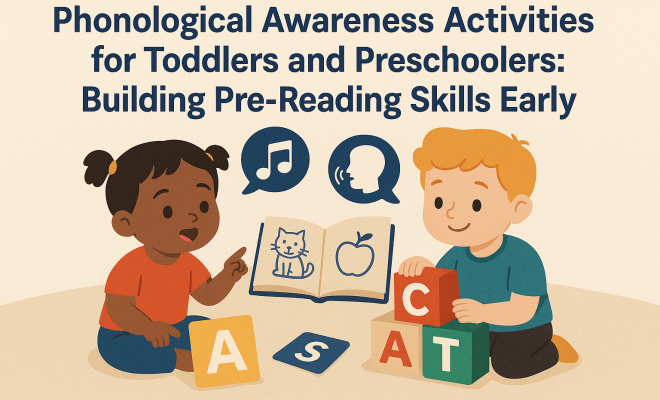
“`html
As parents and educators, we all want to give young children the best start in reading. One of the most critical skills in achieving this is phonological awareness. This set of skills involves recognizing and manipulating the sounds within spoken words. Engaging toddlers and preschoolers in phonological awareness activities can pave the way for literacy development. Let’s explore what phonological awareness is, why it’s so important, and delve into some fun and effective activities that can help foster these skills.
Understanding Phonological Awareness
Phonological awareness is an umbrella term that includes a range of skills that relate to the recognition of sounds in spoken language. It encompasses several key components:
- Rhyming: Recognizing and producing words that rhyme.
- Syllable awareness: Counting, blending, and segmenting syllables in words.
- Onset and rime: Identifying the initial consonant sound (onset) and the vowel and any following consonants (rime).
- Phoneme awareness: The ability to identify and manipulate individual sounds in words.
These skills are foundational for effective reading, as they help children understand how words are formed. Research indicates that children who develop strong phonological awareness skills tend to have better reading outcomes.
Why Phonological Awareness Matters
The significance of phonological awareness cannot be overstated. According to the National Reading Panel, phonological awareness is one of the five essential components of reading instruction, alongside phonics, fluency, vocabulary, and comprehension. Here are some reasons why developing these skills early is crucial:
- Predictive of Reading Success: Numerous studies have demonstrated that children with strong phonological awareness are more likely to become proficient readers. Children who struggle with these skills often face challenges as they progress in their reading.
- Improves Spelling Skills: Understanding the sounds within words aids children in decoding and spelling, which can enhance their writing abilities.
- Supports Language Development: Phonological awareness activities encourage vocabulary growth and comprehension, which are essential for effective communication.
Ultimately, fostering these skills sets children up for a lifetime of literacy success.
Key Phonological Awareness Activities for Toddlers
When considering phonological awareness activities for toddlers, the focus should be on play and interaction. Young children learn best through hands-on experiences that engage their senses. Here are some activities tailored for toddlers:
1. Rhyme Time
Rhyme time is a simple yet effective way to introduce toddlers to rhyming words. You can start by reading books with rich rhymes, like Dr. Seuss titles, or singing nursery rhymes together. Encourage your child to fill in the blanks when you pause at the end of a line. For example, “Hickory dickory dock, the mouse ran up the ____.” This playful engagement helps them hear and identify rhyming patterns.
2. Syllable Clapping
Clapping out syllables is another fun activity. Say a word and have your child clap their hands for each syllable. For instance, the word “banana” has three syllables, so you would clap three times. This activity not only teaches syllable segmentation but also promotes motor skills and rhythm.
3. Sound Sorting
Create a simple sound-sorting activity using everyday objects. Gather items that start with different sounds, such as “cat” (k sound) and “ball” (b sound). Place them in two separate baskets as you say the words aloud, emphasizing the beginning sound. It’s an enjoyable way for toddlers to connect sounds with objects.
Engaging Preschoolers with Phonological Activities
As children transition to preschool, they are ready for slightly more complex phonological awareness activities. Here are a few suggestions:
4. Phoneme Isolation Games
Phoneme isolation is the ability to recognize a sound in a word. Play games where you ask your child to identify the first or last sound in a word. For example, ask, “What sound do you hear at the beginning of ‘dog’?” This encourages active listening and sound recognition.
5. Silly Sound Songs
Creating silly songs or chants can make sound play even more enjoyable. Use a familiar tune, like “Twinkle, Twinkle, Little Star,” and replace the words with sounds or words that start with the same phoneme. For instance, “Bumble, bumble, buzzing bee, buzzing sounds are fun, you see!” Singing actively engages children, making sound awareness a delightful experience.
6. Letter Sound Matching
Using alphabet flashcards, you can create a matching game where children pair letters with picture cards that begin with those letters. For example, match the letter ‘C’ with a card depicting a cat. This reinforces both letter recognition and phonemic awareness.
Integrating Phonological Awareness into Daily Routines
Phonological awareness activities don’t have to be confined to structured play—they can be integrated into everyday routines. Here are some ideas:
7. Everyday Conversations
Incorporate phonological awareness into conversations. For example, as you walk outside, point out objects and emphasize their sounds. “Look, a b-b-bird! Can you hear the ‘b’ sound?” This casual approach helps children become more aware of sounds in their environment. (See: National Institute of Child Health.)
8. Cooking Together
Cooking is a fantastic opportunity to practice phonological awareness. As you prepare meals, talk about the ingredients and emphasize the initial sounds. For example, “We’re using p-p-pasta today!” This not only promotes phonemic awareness but also encourages bonding time between parent and child.
Phonological Awareness in Digital Learning
With the rise of technology, digital resources can also support phonological awareness development. There are numerous applications and online games specifically tailored to enhance phonological skills. Here’s how to effectively integrate technology:
9. Educational Apps
Look for educational apps that focus on phonological awareness activities. Applications like “Endless Alphabet” and “Starfall” provide interactive games that engage children in sound recognition, rhyming, and syllable segmentation. These platforms can make learning phonological skills entertaining and interactive.
10. Online Storytime
Participating in online storytime sessions can also enhance phonological skills. Many libraries and educational websites host virtual story hours where children can listen to books with repetitive and rhyming text. Encourage children to clap or dance when they hear rhymes during the reading, making it an active experience.
Assessing Phonological Awareness Development
As children engage in phonological awareness activities, it’s essential to assess their progress. Here are some effective strategies:
11. Observational Assessment
Pay attention to how children interact during activities. Are they able to identify rhyming words? Do they clap out syllables accurately? Keeping track of observations can provide valuable insight into their phonological awareness development.
12. Simple Checklists
Create checklists that outline specific phonological skills to look for. For example, include items like “Can they recognize rhyming words?” or “Can they segment a three-syllable word?” Regularly reviewing these checklists can help in identifying areas where additional support may be needed.
Challenges and Solutions
While fostering phonological awareness is vital, some children may face challenges. Here are some common issues and potential solutions:
13. Difficulty with Sound Manipulation
Some children struggle to manipulate sounds within words. If this is the case, aim for more hands-on activities that involve movement. For instance, use colored blocks to represent sounds and physically move them around as they blend sounds. This multisensory approach can make abstract concepts more concrete.
14. Limited Vocabulary
Children with a limited vocabulary may struggle with phonological awareness. Reading a diverse range of books can help expand their vocabulary. Choose books with rich language and varied themes to introduce new words and sounds.
Partnering with Educators
For parents, collaborating with educators can enhance the effectiveness of phonological awareness activities. Here’s how:
15. Open Communication
Maintain regular communication with teachers about your child’s progress. Discuss phonological awareness activities being implemented in the classroom and ask how you can support these efforts at home. This partnership can create a consistent learning environment.
16. Workshops and Resources
Attend workshops offered by schools or early childhood programs that focus on phonological awareness. These sessions can provide additional strategies and resources to reinforce skills effectively.
The Lasting Impact of Phonological Awareness
Building phonological awareness is not just about preparing children for reading; it’s about instilling a lifelong love and understanding of language. As children learn to recognize and manipulate sounds, they gain confidence in their communication skills. The activities discussed in this article can easily be woven into daily life, turning learning into a fun and engaging experience. By nurturing these foundational skills early on, you’re not just preparing your child for reading—you’re opening the door to a world of possibilities.
Exploring Advanced Phonological Awareness Activities for Kindergarteners
As children move into kindergarten, their phonological awareness can be further developed with more advanced activities. These activities not only solidify existing skills but also introduce new concepts that are essential for reading and writing. Here are some activities designed specifically for kindergarteners:
17. Word Play with Manipulatives
Using letter tiles or magnetic letters, have children create words. You can say a word and ask them to build it using the letters. This tactile approach helps reinforce phoneme segmentation and blending. For instance, say the word “cat” and have them find the letters C, A, and T to form the word. This activity strengthens their understanding of how sounds correspond to letters, making the connection between spoken and written language clearer. (See: U.S. Department of Education on Early Learning.)
18. Phonological Awareness Bingo
Create bingo cards filled with pictures or words. Call out sounds or words, and ask children to mark their cards accordingly. For example, if you say “sh,” they would look for pictures of “shoe” or “shark.” This game can be quite engaging and helps children practice sound recognition in a playful manner.
19. Story Mapping
After reading a story, engage children in story mapping. Ask them to identify different sounds within words found in the title or main characters. For example, if you read “The Three Little Pigs,” ask them to highlight the ‘p’ sound in “pigs” and “puffed.” This reinforces sound recognition while also fostering comprehension.
Statistics on Phonological Awareness and Reading Success
Understanding the relationship between phonological awareness and reading success can motivate parents and educators to prioritize these activities. Here are some telling statistics:
- According to the National Early Literacy Panel, children who demonstrate strong phonological awareness skills are 2-3 times more likely to become proficient readers.
- Research from the University of Oregon indicates that 80% of children who struggle with reading in third grade have deficits in phonological awareness.
- Studies show that children who participate in phonological awareness programs see an improvement of 30% or more in their reading skills after just a few months of intervention.
These statistics underscore the importance of phonological awareness activities in early literacy education.
Expert Perspectives on Phonological Awareness
Experts in the field of early childhood education emphasize the importance of phonological awareness. Here’s what some of them have to say:
Dr. Emily Smith, Early Childhood Education Specialist: “Phonological awareness is not just a precursor to reading; it is a crucial building block for all language skills. Activities that engage children in sound play can dramatically improve their literacy trajectories.”
Dr. James Perkins, Child Development Researcher: “It’s fascinating to see how children’s brains respond to sound manipulation. The earlier we can introduce these fun phonological activities, the better prepared they will be for the complexities of reading and writing.”
Frequently Asked Questions about Phonological Awareness Activities
What age should phonological awareness activities start?
Phonological awareness activities can start as early as 2-3 years old. At this age, simple activities like rhyming games and syllable clapping can lay the groundwork for more advanced skills as they grow.
How can I tell if my child has a phonological awareness deficit?
Signs of phonological awareness deficits include difficulty rhyming, trouble breaking words into syllables, and challenges with identifying sounds at the beginning or end of words. If you notice these signs, target specific activities to address these areas.
Are there phonological awareness activities suitable for older children?
Yes! While many activities are geared toward younger children, older children can benefit from more complex games that involve word manipulation, such as creating new words by changing sounds or engaging in word games that require deeper thinking, like “word ladders.”
Can phonological awareness be taught through technology?
Absolutely! Many educational apps and online games are designed to promote phonological awareness. Look for programs that emphasize sound recognition, rhyming, and syllable segmentation in a fun and interactive way.
What are some additional resources for phonological awareness?
There are numerous books, websites, and resources available for phonological awareness. Look for comprehensive guides like “The Phonological Awareness Handbook” by Karen A. H. MacMillan, or utilize websites like Reading Rockets and the International Literacy Association for activities and tips.
The Role of Parents in Phonological Awareness Development
As a parent, your involvement is crucial to your child’s phonological awareness development. Here are some ways you can support your child:
Engage in Daily Reading
Make reading a daily habit. Choose books that are rich in rhymes and playful language. This not only helps with phonological awareness but also fosters a love for reading.
Use Everyday Opportunities
Look for opportunities during everyday routines to incorporate phonological activities. Whether it’s during grocery shopping or car rides, asking questions about sounds can turn mundane moments into learning experiences.
Lead by Example
Be enthusiastic about phonological activities! When children see their parents engaging in sound play, they’re more likely to join in and enjoy the process.
Expanding Phonological Awareness Activities: Strategies for Diverse Learning Styles
Recognizing that each child learns differently, it’s essential to tailor phonological awareness activities to fit various learning styles. Here are some strategies to consider:
Visual Learners
For children who learn best through visual stimuli, consider using colorful charts and illustrations. Flashcards with images that correspond to words can provide a strong visual cue. Create a phoneme wall where children can see words and images related to different sounds.
Auditory Learners
Auditory learners thrive on sound. Incorporate music and rhythm into activities. Use musical instruments to create sound patterns, and ask children to replicate them. Rhyming songs can also reinforce phonological concepts while being enjoyable to sing along to.
Kinesthetic Learners
Children who learn best through movement benefit from hands-on activities. Use large, movable letter cards or physical objects to represent sounds. Activities like hopscotch with letters or jumping to different sounds can provide the engagement they need to grasp concepts more effectively.
Community Resources and Workshops
Many communities offer resources and workshops that can aid in developing phonological awareness among children. Here are a few to explore:
Local Libraries
Most local libraries host story hours or phonics workshops designed to improve phonological awareness. These events often include fun activities that engage children while providing parents with new strategies to use at home.
Parent-Teacher Associations (PTA)
PTAs frequently sponsor workshops and informational sessions on literacy and phonological awareness. Participating can give parents tools to implement effective strategies at home.
Community Education Programs
Check out community centers or after-school programs that focus on literacy. Many of these programs offer resources and activities specifically designed to enhance phonological awareness.
Conclusion: A Future of Literacy Awaits
Building phonological awareness is a journey that begins at a young age. By engaging in fun and effective phonological awareness activities, parents and educators can equip children with the skills they need to succeed in reading and beyond. The importance of these skills stretches far beyond the classroom, influencing everyday communication and the ability to express oneself. With dedication and creativity, you can make learning an enjoyable experience that fosters a love for language that lasts a lifetime.
“`
Trending Now
- this guide on 15 read-alouds that make teachers cry every time
- “Using Bloom’s Taxonomy to Write Better…
- “Bloom’s Taxonomy for Parents: How to…
- this guide on “piaget’s conservation tasks: simple activities to assess your preschooler’s cognitive development”
- read the full story
Frequently Asked Questions
What are phonological awareness activities for toddlers?
Phonological awareness activities for toddlers include fun games that focus on recognizing and manipulating sounds in spoken words. These can involve rhyming games, syllable clapping, or sound matching exercises, all designed to help young children develop essential pre-reading skills.
Why is phonological awareness important for preschoolers?
Phonological awareness is crucial for preschoolers as it lays the foundation for reading success. It helps children understand how sounds form words, which is a key skill for reading and spelling. Research shows that strong phonological awareness leads to better reading outcomes.
How can I improve my child's phonological awareness?
You can improve your child's phonological awareness by engaging them in activities like singing songs, playing rhyming games, and reading aloud together. Encouraging them to clap out syllables and identify sounds in words can also enhance these skills effectively.
What are some examples of phonological awareness skills?
Examples of phonological awareness skills include rhyming, syllable awareness (counting and segmenting syllables), onset and rime identification, and phoneme awareness, which involves recognizing and manipulating individual sounds in words.
At what age should children start phonological awareness activities?
Children can start phonological awareness activities as early as toddlers, around ages 2 to 3. Engaging them in sound-related games and activities at this age helps build the foundational skills necessary for reading as they grow older.
What did we miss? Let us know in the comments and join the conversation.