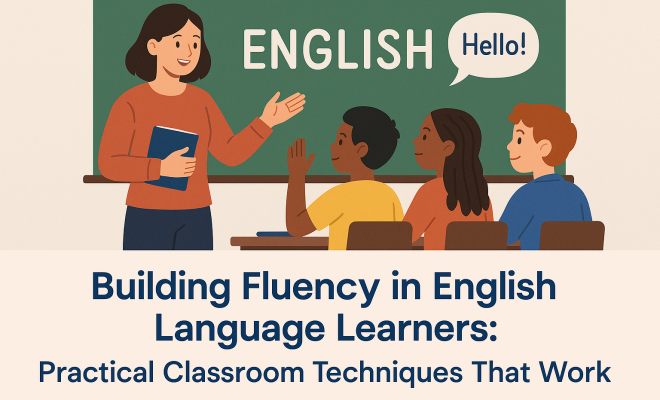
“Building Fluency in English Language Learners: Practical Classroom Techniques That Work”
“`html
In the diverse landscape of modern classrooms, teaching English language learners (ELLs) has become increasingly important. As educators, the challenge lies in not only teaching English as a second language but also in building fluency in English language learners. Fluency, in this context, refers to the ability to read, write, speak, and understand English effortlessly and at a natural pace. This article delves into effective classroom techniques that can significantly enhance the fluency of ELLs, ensuring they thrive academically and socially.
The Importance of Fluency in English Language Learning
Fluency is a crucial component of language acquisition that transcends mere vocabulary and grammar. It encompasses understanding the rhythm, tone, and structure of the language. For ELLs, developing fluency can pave the way to better academic performance, improved communication skills, and increased confidence in social interactions. As they become more fluent, ELLs are more likely to participate actively in classroom discussions, collaborate with peers, and express themselves clearly.
Understanding the Challenges Faced by English Language Learners
Before implementing effective strategies, it’s essential to understand the unique challenges that ELLs face. Language barriers can hinder their ability to engage fully in content learning, participate in group activities, and express their thoughts. Factors such as cultural differences, prior educational experiences, and varying levels of exposure to English can contribute to these challenges. As teachers, recognizing these barriers is the first step toward creating an inclusive and supportive learning environment.
Creating a Supportive Learning Environment
Building fluency in English language learners begins with a classroom environment that nurtures risk-taking and experimentation with language. Here are some strategies to foster such an environment:
- Encouragement of Peer Interaction: Promote activities that require collaboration among students. Group work not only helps ELLs practice speaking but also reduces anxiety as they engage with peers.
- Inclusive Classroom Culture: Celebrate linguistic diversity by incorporating multicultural materials and perspectives into the curriculum. This can make ELLs feel valued and motivated to learn.
- Consistent Routines: Establishing predictable classroom routines can help ELLs feel more secure and ready to participate, as they become familiar with the structure of daily activities.
Integrating Language and Content Instruction
The integration of language and content instruction is a powerful approach for building fluency in English language learners. By teaching language skills simultaneously with subject content, you can create meaningful learning experiences. Here’s how to effectively implement this strategy:
- Scaffolded Instruction: Use scaffolding techniques that gradually build support as students develop their language skills. Start with modeling before moving to guided practice and then independent tasks.
- Use of Visual Aids: Incorporate visuals such as charts, graphs, and images to support comprehension, making complex content more accessible for ELLs.
- Real-World Context: Connect language learning with real-world applications. Use authentic materials, such as newspapers or videos, to make lessons relevant and engaging.
Engaging Reading Strategies
Reading fluency is a critical area of focus for ELLs. Employing targeted reading strategies can significantly enhance their fluency skills. Consider these approaches: (See: English language learners resources.)
- Repeated Reading: Encourage ELLs to read the same text multiple times. This practice builds confidence and improves their speed and accuracy.
- Choral Reading: Implement choral reading sessions where the entire class reads together. This allows ELLs to hear fluent reading while also practicing their own.
- Interactive Read-Alouds: Model fluent reading with expressive intonation and pacing. After reading, discuss the text to improve comprehension and encourage questions.
Enhancing Vocabulary Acquisition
Vocabulary plays a crucial role in achieving fluency. Strategies to enhance vocabulary acquisition for ELLs include:
- Word Walls: Create interactive word walls that display key vocabulary words. Make these accessible for students to reference throughout lessons.
- Contextual Learning: Teach vocabulary in context rather than isolation. Use stories, songs, and thematic units to introduce new words along with their meanings.
- Interactive Activities: Incorporate games and activities, like word mapping or vocabulary charades, that make learning new vocabulary engaging and dynamic.
Incorporating Technology in Language Learning
In today’s digital age, technology can be a valuable ally in building fluency in English language learners. Here are some ways to harness technology for fluency development:
- Language Learning Apps: Utilize apps designed for language learning that offer interactive exercises and instant feedback. Platforms like Duolingo or Rosetta Stone can provide personalized practice.
- Online Collaboration Tools: Encourage ELLs to use platforms like Google Docs for collaborative writing projects. This fosters peer interaction and enhances writing fluency.
- Multimedia Resources: Integrate videos, podcasts, and interactive games into your lessons, allowing students to engage with the language in varied formats.
Promoting Speaking and Listening Skills
Effective communication is crucial for ELLs’ overall success. Strategies for promoting speaking and listening skills should include:
- Structured Conversations: Implement structured formats for discussions, such as think-pair-share, to give students time to formulate their thoughts before sharing.
- Role-Playing Activities: Engage students in role-playing scenarios to practice conversational English in realistic contexts, enhancing both fluency and confidence.
- Listening Comprehension Exercises: Use authentic audio materials and ensure that listening activities are supported by follow-up questions and discussions.
Assessing Fluency Progress
Monitoring the progress of ELLs is essential for understanding their growth in fluency. Here are some effective assessment strategies:
- Observational Assessments: Regularly observe students during speaking activities. Take notes on their use of vocabulary, speed, and clarity to track improvements.
- Performance Tasks: Design tasks that require students to demonstrate their fluency, such as presentations or storytelling, providing opportunities for authentic assessment.
- Self-Assessment Tools: Encourage students to evaluate their own fluency progress through self-reflection journals, which can foster awareness and motivation.
Building a Community of Support
Finally, fostering a supportive community is vital for ELLs. Encourage collaboration among students and engage families in the learning process. Here are a few ways to build this community:
- Family Engagement: Host workshops for families to understand the curriculum and how they can support their children’s language learning at home.
- Peer Mentorship: Pair ELLs with fluent English-speaking peers for mentorship. This creates opportunities for social interactions while enhancing language skills.
- Celebration of Success: Recognize and celebrate milestones in language learning. This could be through awards, showcases, or classroom displays of student work.
The Role of Cultural Sensitivity in Language Learning
Understanding and incorporating cultural sensitivity into language instruction is essential when building fluency in English language learners. Each student brings their cultural background into the classroom, which can influence their learning styles, motivations, and interactions. Acknowledging these differences can greatly enhance the educational experience for ELLs. Here are some ways to infuse cultural sensitivity into your teaching:
- Multicultural Curriculum: Use materials that reflect the diverse backgrounds of your students. This can include literature, historical context, and examples relevant to their cultures.
- Classroom Discussions on Culture: Foster open discussions about cultural differences and similarities. This not only builds understanding but also encourages ELLs to share their perspectives.
- Responsive Teaching: Adapt teaching methods based on the cultural contexts of your students. This personalized approach can drive engagement and motivation.
Utilizing Storytelling as a Tool for Fluency
Storytelling can be an engaging method to help build fluency in English language learners. By encouraging students to tell their own stories or retell familiar tales, educators can promote language practice in a low-pressure environment. Here are some storytelling techniques that can be effective: (See: Challenges faced by English language learners.)
- Personal Narrative Sharing: Have students share personal stories related to their lives. This gives them a chance to use vocabulary and structures they are comfortable with while practicing speaking.
- Story Circles: Organize storytelling circles where students take turns sharing parts of a story. This collaborative approach encourages listening and speaking skills.
- Visual Storytelling: Utilize pictures or comics to help students create and tell their stories. This visual aid can enhance comprehension and stimulate language use.
Building Fluency Through the Arts
Incorporating arts into language learning is another effective way to engage ELLs and build fluency in English language learners. Arts can provide alternative avenues for expression and engagement. Here’s how to use the arts in your teaching:
- Drama and Role Play: Use drama activities to allow students to express themselves in English while engaging in creative role play. This helps with both fluency and confidence.
- Music and Song: Integrate music into lessons. Songs can introduce vocabulary, improve pronunciation, and make learning memorable. Consider using popular songs that ELLs can relate to.
- Art Projects: Assign art projects that require students to explain their work in English. This gives them a chance to practice descriptive language in a context they find enjoyable.
Strategies for Family Engagement
Parents and guardians play a crucial role in the language development of ELLs. Engaging families in their children’s education can support fluency building. Here are some strategies to enhance family involvement:
- Communication in Home Languages: Provide information and resources in the native languages of families, ensuring they can engage effectively with the school community.
- Learning Workshops: Offer workshops that teach parents how to support their children’s language learning at home through activities and resources.
- Home-School Connections: Create projects that students can work on with their families, fostering a connection between home and school and reinforcing language skills.
FAQs on Building Fluency in English Language Learners
Here are some frequently asked questions about building fluency in English language learners:
- What is fluency in the context of language learning? Fluency refers to the ability to communicate effortlessly in a language, including reading, writing, speaking, and understanding with ease and at a natural pace.
- Why is fluency important for ELLs? Fluency is vital as it enhances academic performance, boosts confidence, and facilitates better communication with peers and teachers.
- How can I assess the fluency of my ELL students? You can assess fluency through observational assessments, performance tasks, and student self-assessments to gauge their speaking, reading, and writing abilities.
- What role does culture play in language learning? Cultural background can affect learning styles and communication preferences. Being culturally responsive helps educators tailor their teaching to better support ELLs.
- How can technology support fluency development? Technology can provide interactive practice through language learning apps, online collaboration tools, and multimedia resources that cater to various learning styles.
Deepening the Understanding of Fluency
To truly support ELLs in their journey toward fluency, it’s crucial to understand the different facets of fluency beyond just speaking. Fluency can often be broken down into three key components: accuracy, automaticity, and prosody.
- Accuracy: This refers to the correct use of grammar, vocabulary, and pronunciation. ELLs who struggle with accuracy may find it difficult to convey their thoughts clearly, leading to frustration. Regular practice and corrective feedback can help improve this aspect of fluency.
- Automaticity: This is the ability to process language quickly without hesitation. Activities that encourage repetition, such as timed reading exercises or language games, can help ELLs develop automaticity. When students are not thinking about the mechanics of language, they can focus more on content and communication.
- Prosody: This involves the rhythm and intonation of speech. Fluent speakers not only speak quickly but also use the natural melody of their language. Introducing poetry, songs, and drama into lessons can enhance prosody, helping ELLs sound more natural in their speech.
The Importance of Social Interaction in Language Learning
Social interaction plays an essential role in building fluency in English language learners. Engaging in conversations with peers is not just about practicing language; it’s also about building relationships and confidence. Here are some benefits of incorporating social interactions into ELL instruction: (See: Federal resources for English learners.)
- Peer Learning: When ELLs engage in conversations with their classmates, they can learn from each other. They can share vocabulary, clarify misunderstandings, and practice language skills in a supportive environment.
- Reducing Anxiety: Learning in a social context can help reduce the anxiety that many ELLs feel when speaking English. Informal settings, such as group discussions or language games, can be less intimidating than formal presentations.
- Real-World Practice: Social interactions provide real-world practice that is essential for language acquisition. Students learn to navigate social cues, slang, and idiomatic expressions that are not typically covered in textbooks.
Building a Strong Foundation with Phonics and Phonemic Awareness
Phonics and phonemic awareness are foundational skills that can support fluency for ELLs, particularly for younger learners. Understanding sounds and how they form words is crucial for developing reading and writing skills. Here’s how to incorporate these elements into your teaching:
- Phonemic Awareness Activities: Engage students in activities that highlight sounds, such as rhyming games or sound matching. These activities can help students develop an ear for the language.
- Systematic Phonics Instruction: Implement a structured phonics program that teaches the relationship between letters and sounds. This can help ELLs decode words more efficiently, leading to greater reading fluency.
- Word Games: Use games like Scrabble, Boggle, or phonics-related apps to make learning phonics fun and interactive, encouraging practice in a low-stakes environment.
Evaluating and Adjusting Instructional Strategies
It’s essential for educators to continuously evaluate and adjust their instructional strategies based on student progress and feedback. Regularly reflecting on what works and what doesn’t can lead to improved outcomes for ELLs. Here are some ways to evaluate and adapt your teaching:
- Gather Feedback: Regularly ask students for feedback on lessons and activities. Understanding their perspective can inform instructional changes that better meet their needs.
- Monitor Engagement: Keep an eye on student engagement levels during lessons. If a particular strategy isn’t resonating, consider trying a different approach to maintain interest and participation.
- Use Assessment Data: Analyze assessment data to identify trends in student performance. If many students struggle with a specific area of fluency, it may be time to re-evaluate your instructional methods in that domain.
Additional Resources for Educators
Supporting ELLs in building fluency can be enhanced through additional resources. Here are several valuable tools and references:
- Professional Development: Participate in workshops and courses focused on ELL education to stay current with effective strategies and research.
- Online Communities: Join online forums or social media groups where educators share resources, experiences, and strategies for teaching ELLs.
- Literature and Research: Read books and articles on language acquisition and education strategies tailored to ELLs for a deeper understanding of best practices.
- Collaborate with Specialists: Work with ESL specialists or bilingual educators who can offer insights and support in addressing the diverse needs of ELLs.
Building fluency in English language learners is a multifaceted endeavor that requires commitment, creativity, and a deep understanding of students’ needs. By implementing these practical techniques, educators can create enriching learning experiences that foster fluency and empower ELLs to succeed both in school and in their future endeavors. As you continue to refine your teaching practices, remember that each small step contributes to the larger goal of helping students find their voice in a new language.
“`
Trending Now
Frequently Asked Questions
What are effective strategies for teaching English language learners?
Effective strategies for teaching English language learners include fostering a supportive learning environment, encouraging peer interaction, utilizing visual aids, and integrating culturally relevant materials. These approaches help ELLs engage with the language and build fluency through collaborative and interactive methods.
Why is fluency important for English language learners?
Fluency is crucial for English language learners as it enhances their reading, writing, speaking, and comprehension skills. Achieving fluency allows ELLs to participate actively in classroom discussions, communicate effectively, and gain confidence in social interactions, ultimately leading to improved academic performance.
What challenges do English language learners face?
English language learners face various challenges, including language barriers that limit their engagement in content learning, cultural differences, and varying levels of prior educational experiences. These factors can hinder their ability to express thoughts and participate fully in classroom activities.
How can teachers create a supportive environment for ELLs?
Teachers can create a supportive environment for English language learners by promoting risk-taking and language experimentation, encouraging peer interactions, and providing a culturally responsive curriculum. This inclusive atmosphere helps ELLs feel safe and motivated to practice their language skills.
What role does peer interaction play in language learning?
Peer interaction plays a vital role in language learning as it provides English language learners with opportunities to practice speaking and listening in a natural context. Collaborative activities enhance communication skills, build confidence, and encourage the use of English in authentic situations.
What did we miss? Let us know in the comments and join the conversation.