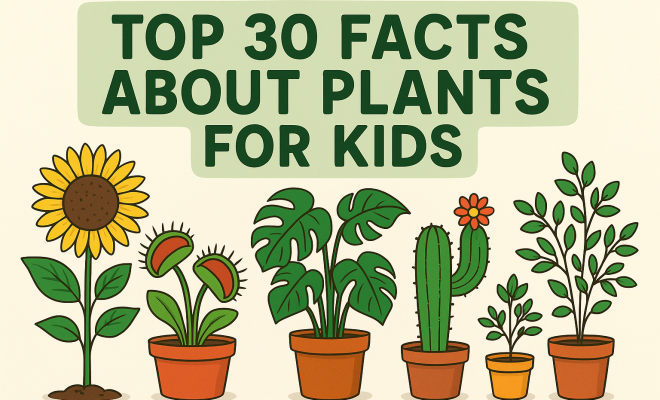
Top 30 Facts About Plants for Kids
“`html
Plants are everywhere, and they play a crucial role in our world. For kids, learning about plants can be fun and enlightening. Here are 30 fascinating facts about plants for kids that inspire curiosity and wonder about the green world around us. For more on this, see explore nature webcams.
1. Plants Are Essential for Life
Did you know that plants are vital for our survival? They produce oxygen through a process called photosynthesis, which is how they convert sunlight, carbon dioxide, and water into energy. This oxygen is what we breathe, making plants crucial for life on Earth.
Every year, a single large tree can produce enough oxygen for two human beings. In this way, forests and greenery help sustain life on our planet. Encouraging kids to understand the importance of plants can lead to a deeper appreciation for nature and environmental conservation.
2. Plants Can Communicate
Incredible as it sounds, plants can communicate with each other! They release chemical signals to warn neighboring plants about pests or diseases. For instance, when attacked by insects, some plants emit specific scents that not only attract predators of the pests but also signal nearby plants to bolster their defenses.
This inter-plant communication can be a fascinating topic for kids. It shows how life is interconnected and how plants utilize their environments in ways we often overlook. Exploring this idea can help foster a sense of wonder in young minds.
3. There Are Over 390,000 Plant Species
According to scientists, there are over 390,000 recognized plant species on Earth. This number includes everything from towering trees to tiny flowers. Each type of plant has its own unique characteristics and adaptations that allow it to thrive in various environments.
Understanding the diversity of plant life can be an exciting adventure for kids. Encourage them to explore local flora or even create a scrapbook of different plants they encounter. This not only builds knowledge but also sparks a connection to nature.
4. Plants Have Immune Systems Too
Just like humans, plants have immune systems that help them fight off diseases and pests. When a plant is infected, it can produce chemicals that help it resist the infection and recover. This response is similar to how our bodies produce antibodies to fight off illness.
Discussing plant immunity can be an engaging way to teach kids about biology and health. They can learn how plants protect themselves and compare it to human immunity, providing a relatable context for understanding biological processes.
5. Some Plants Are Carnivorous
Carnivorous plants like the Venus flytrap and pitcher plant are fascinating examples of how plants can adapt to their environments. These plants catch and digest insects to supplement their nutrient intake, particularly in nutrient-poor soils.
Learning about carnivorous plants can captivate kids’ imaginations. They can explore how these plants trap their prey and what adaptations they have developed to survive in challenging conditions. This topic also introduces discussions about ecosystems and food chains.
6. Plants Can Live for Thousands of Years
Some plants, like the bristlecone pine, can live for over 5,000 years! These ancient trees have witnessed significant changes in the climate and environment around them. They thrive in harsh conditions, showcasing resilience and adaptability.
The longevity of certain plants can inspire kids to think about time and change in nature. Sharing stories about ancient trees can help them appreciate history and the importance of preserving our natural heritage.
7. Plants Can Grow in Extreme Conditions
Did you know that some plants can thrive in extreme environments? For instance, desert plants have adaptations that help them conserve water, while aquatic plants are specialized to live in water. The resilience of these plants shows how life can thrive in various conditions.
Exploring how plants adapt to their environments can help kids understand concepts like evolution and adaptation. It’s a great way to combine science with adventure, encouraging them to think about how life can exist in unexpected places.
8. Plants Can Have Superpowers
Some plants have unique abilities that might sound like superpowers! For example, the Mimosa pudica, or sensitive plant, can quickly fold its leaves when touched. This rapid movement is a defense mechanism against herbivores that might want to eat it.
These “superpowers” can be a fun way to engage kids with botany. By learning about these fascinating adaptations, they can develop a sense of wonder about the plant kingdom. It’s a playful yet informative approach that can foster a love for science.
9. Plants Contribute to Medicine
Many of the medicines we use today come from plants. For example, the painkiller aspirin is derived from willow bark. Plants have been the source of countless medicinal compounds that have helped humans throughout history.
Teaching kids about medicinal plants can provide insight into the relationship between nature and health. They can learn about natural remedies and how plants have contributed to human well-being for centuries. This knowledge can foster a sense of respect for flora and encourage healthy, natural living.
10. A Plant Can Grow Without Soil
While most plants need soil to grow, some can thrive in water or air! Hydroponics is a method where plants grow in nutrient-rich water instead of soil. This technique shows how versatile plants can be in finding the right conditions to flourish. (See: Importance of plants for air quality.)
Exploring hydroponics can be an exciting project for kids, encouraging them to try growing plants in unconventional ways. This can spark an interest in science and sustainability, as they discover innovative methods for cultivation.
11. Plants Can Be Used for Fuel
Plants are also a source of fuel! Biomass, which includes plant material, can be burned to produce energy. Additionally, biofuels made from crops like corn and sugarcane are increasingly used as alternatives to fossil fuels.
Engaging with the concept of biofuels can help kids understand renewable energy sources and environmental sustainability. Learning about how plants can be utilized for energy can inspire discussions about climate change and the importance of caring for our planet.
12. Plants Can Help Clean the Air
Plants are natural air purifiers. They absorb carbon dioxide and release oxygen, improving air quality. Some indoor plants, like the spider plant and peace lily, can even filter out pollutants from the air.
Teaching kids about the importance of plants in maintaining clean air can encourage them to incorporate more greenery into their lives. They can learn which plants are best for indoor spaces, fostering an appreciation for nature even within their homes.
13. Plants Can Dance
Believe it or not, some plants can move in response to stimuli. The sensitive plant we mentioned earlier is one, but others like the sunflower turn to track the sun as it moves across the sky! This phenomenon is called heliotropism.
Exploring the movement of plants can ignite kids’ curiosity about biology and nature. They can observe plants in their surroundings and discuss how these movements occur, blending fun with learning.
14. Plants Can Have Flowers of Every Color
The diversity of flower colors is truly stunning! Flowers can be red, blue, yellow, pink, and even patterns of different shades. These colors often serve a purpose, attracting specific pollinators like bees, butterflies, and birds.
Discussing the variety of flower colors can interest kids in botany and biology. They might enjoy creating their flower color chart or even painting their representations, blending art with science.
15. Some Plants Live in Water
Water plants, or aquatic plants, like lily pads and water hyacinths, thrive in rivers, lakes, and ponds. They have unique adaptations that allow them to float and absorb nutrients directly from water.
Exploring aquatic plants can lead to discussions about ecosystems and the importance of water conservation. Kids can learn about different habitats and the role of plants in maintaining aquatic environments.
16. Cacti Are Amazing Survivors
Cacti are well-known for their ability to survive in arid conditions. They store water in their stems and have spines instead of leaves, reducing moisture loss. Some cacti can live for decades, adapting to extreme temperatures.
This resilience can inspire kids to appreciate the adaptability of living organisms. They can learn fun facts about different cactus species and even try growing their own at home!
17. Plants Can Regenerate
Many plants have the ability to regenerate after being damaged. For instance, if a tree loses a branch, it can often grow back. Some plants can even reproduce through cuttings, where a small piece of the plant can grow into a new one.
Discussing regeneration can help kids understand plant biology and the concept of life cycles. They might enjoy experimenting with plant cuttings to see if they can grow new plants, adding a hands-on element to their learning.
18. Plants Can Be Found on Every Continent
From the Arctic tundra to tropical rainforests, plants are found in every corner of the globe. Each continent has its unique plant species adapted to its climate and environment, showcasing the incredible diversity of life on Earth.
Exploring plants from different continents can lead to discussions about geography and biodiversity. Kids can learn about various ecosystems and even create a global plant map, connecting them to the planet’s natural beauty.
19. Plants Have Unique Lifecycles
Plants go through different stages in their lifecycles, from seed to mature plant. Some plants, like annuals, complete their life cycle in one year, while perennials can live for several years, returning each season.
Understanding plant lifecycles can be a fun, educational activity. Kids can plant seeds and track their growth, keeping journals of their observations, which reinforces their understanding of biology and patience.
20. Plants Can Be Beautifully Fragrant
Many plants, especially flowers, produce delightful scents. These fragrances can attract pollinators and can also be used in perfumes and aromatherapy. Plants like lavender and jasmine are well-known for their soothing aromas.
Introducing kids to the world of fragrant plants can enhance their sensory experiences. They can explore scents and even create their potpourri, blending creativity with learning.
21. Some Plants Are Edible
Many plants produce fruits, vegetables, and herbs that are delicious and nutritious! Kids may be surprised to learn that many of their favorite foods come from plants, such as strawberries, carrots, and basil. (See: Research on plant communication.)
Encouraging kids to explore edible plants can lead to healthier eating habits. They can grow their herbs or vegetables at home, reinforcing the connection between nature and food while cultivating a sense of responsibility.
22. Plants Can Be Used for Clothing
Some plants produce fibers that are used to make clothing! Cotton, linen, and hemp are all derived from plants. These materials have been used for centuries to create textiles that are comfortable and stylish.
Discussing plant-based clothing can help kids understand the importance of sustainable fashion. They can learn about the process of turning plants into fabrics and think critically about consumer choices.
23. Plants Can Help with Learning
Studies show that being around plants can improve concentration and creativity. Schools that incorporate greenery into their environments often report better academic performance from students.
Encouraging kids to care for plants in their classrooms or homes can foster a sense of responsibility and enhance their learning experiences. It teaches them about nurturing living things and the benefits of a green environment.
24. Plants Can Be Used in Gardening
Gardening is a great way for kids to connect with plants. It can teach them about responsibility, patience, and the life cycles of plants. Starting a small garden can be a rewarding and educational experience for young gardeners.
Involving kids in gardening can improve their understanding of where food comes from and enhance their appreciation for nature. It’s a hands-on way to learn while having fun!
25. Some Plants Are Poisonous
While many plants are safe to touch and eat, some can be toxic. Plants like poison ivy and deadly nightshade can cause serious harm. Teaching kids to recognize these plants can help them stay safe while exploring the outdoors.
Discussing poisonous plants can also lead to lessons about foraging and respecting nature. It’s important for kids to understand the dangers while fostering an appreciation for the beauty of plants.
26. Plants Play a Role in Climate Control
Plants help regulate the climate by absorbing carbon dioxide, a greenhouse gas. Forests are particularly important for sequestering carbon, helping to combat climate change and maintain a balanced ecosystem. There’s a fuller look at fun nature crafts and activities.
This fact highlights the importance of conservation efforts. Teaching kids about plants’ roles in climate control can inspire them to advocate for environmental protection and sustainability in their communities.
27. Plants Can Help Prevent Soil Erosion
Plant roots help to hold soil in place, preventing erosion. This is especially crucial in areas prone to heavy rains or winds. By covering the ground, plants also help maintain a healthy ecosystem.
Explaining the importance of plants in soil health can lead to discussions about agriculture and sustainable practices. Kids can learn how their actions impact the environment and why it’s important to protect plant life.
28. Plants Can Have an Impact on Wildlife
Plants are an essential part of wildlife habitats. They provide food, shelter, and a breeding ground for various animals. From trees that offer homes for birds to flowers that feed bees, plants are integral to the food web.
Discussing the relationship between plants and wildlife can deepen kids’ understanding of ecosystems. They can learn about specific species that rely on plants, fostering an appreciation for biodiversity.
29. Plants Are Used in Art and Culture
Throughout history, plants have inspired art, music, and literature. From Vincent van Gogh’s sunflowers to the symbolic meaning of the lotus in various cultures, plants have shaped human expression.
Encouraging kids to explore the intersection of plants and art can enhance their creativity. They might enjoy drawing or crafting projects inspired by their favorite plants, blending knowledge with artistic expression.
30. Every Plant Has a Purpose
Lastly, every plant has its role in the ecosystem. Whether it’s producing oxygen, providing food, or offering shelter, plants contribute to the balance of life on Earth. Understanding this interconnectedness can foster a sense of responsibility in kids.
By discussing the purpose of various plants, kids can learn to appreciate their surroundings and understand the importance of conservation. This knowledge can empower them to take action and protect the planet for future generations.
31. How Plants Affect Our Mood
Have you ever noticed how spending time around plants can lift your spirits? Studies have shown that being in green spaces can reduce stress and enhance overall well-being. Plants can create a calming environment, making them perfect for homes, schools, and parks.
Encouraging kids to spend time outdoors among plants can help them develop healthy habits. Activities like nature walks or simply playing in the garden can greatly influence their mood and mental health while promoting physical activity and connection to nature.
32. Plants as Natural Resources
Besides oxygen and beauty, plants provide numerous resources that we rely on every day. Wood from trees is an essential material in construction and furniture-making. Additionally, plants are used to produce countless products, such as paper, rubber, and even dyes for clothing.
Teaching kids about these natural resources can help them understand the importance of sustainable practices. Discussions can include recycling paper, reducing waste, and the impact of deforestation on the environment.
33. FAQs About Plants for Kids
Q: Why are plants important for the environment?
A: Plants play a crucial role in maintaining ecosystems by providing oxygen, food, and habitat for wildlife. They also help regulate the climate and improve air quality.
Q: Can all plants grow in the same conditions?
A: No, different plants have specific needs for sunlight, water, and soil type. Understanding these needs can help them thrive in their environments.
Q: How can I start my own plant project at home?
A: You can start by planting seeds in pots with soil or using hydroponics. Choose easy-to-grow plants like beans or herbs, and track their growth in a journal.
Q: Are there plants that can survive without sunlight?
A: Yes, some plants, like certain types of fungi, do not need sunlight and can thrive in dark environments by obtaining nutrients from decaying organic matter.
Q: What are some fun ways to learn about plants?
A: You can visit botanical gardens, go on nature walks, create a plant scrapbook, or conduct experiments to see how plants grow in different conditions.
In summary, these facts about plants for kids reveal just how remarkable the plant kingdom is. From their vital role in our ecosystems to their unique adaptations and uses, plants are an endless source of fascination and learning. Encouraging kids to explore and appreciate plants can lead to a lifelong love of nature and science.
“`
Trending Now
Frequently Asked Questions
What are the important facts about plants for kids?
Plants are essential for life as they produce oxygen through photosynthesis, support ecosystems, and can communicate with each other. There are over 390,000 plant species, each with unique characteristics that contribute to our environment. Learning these facts can inspire kids' curiosity and appreciation for nature.
How do plants communicate with each other?
Plants communicate by releasing chemical signals to warn nearby plants about threats like pests or diseases. For example, when attacked, some plants emit scents that attract predators of the pests and alert neighboring plants to strengthen their defenses, showcasing the interconnectedness of nature.
Why are plants important for the environment?
Plants play a crucial role in the environment by producing oxygen, providing food and habitat for wildlife, and helping regulate the climate. They also contribute to soil health and water conservation, making them vital for maintaining ecological balance and supporting life on Earth.
How many different types of plants are there?
There are over 390,000 recognized plant species on Earth, ranging from towering trees to tiny flowers. Each species has unique adaptations that allow it to thrive in different environments, making the study of plant diversity an exciting topic for kids and nature enthusiasts alike.
What can kids learn from studying plants?
Studying plants can teach kids about biology, ecology, and the importance of environmental conservation. It encourages curiosity, creativity, and a deeper understanding of nature, helping them appreciate the role plants play in sustaining life and maintaining ecological balance.
Have you experienced this yourself? We’d love to hear your story in the comments.