5 Ways Teachers Can Conquer the Third-Quarter Slump

:
Introduction: Understanding the Mid-Year Hurdle
As the school year progresses, teachers often find themselves facing a unique set of challenges during the third quarter. This period, typically around January to March, can be particularly taxing, as both educators and students grapple with fatigue, waning motivation, and the pressures of impending assessments. Recognizing these challenges, it is essential for teachers to employ effective strategies that not only help them navigate this difficult time but also rejuvenate their passion for teaching. In this article, we will explore five actionable ways teachers can make it through the third-quarter struggle, providing insights that can lead to a more fulfilling and productive teaching experience.
Creating a Supportive Community: Building Connections with Colleagues
One of the most effective ways teachers can combat the challenges of the third quarter is by fostering a supportive community among their peers. Collaboration and camaraderie can significantly alleviate stress and provide teachers with the encouragement they need to push through tough times.
Engaging in regular meetings or informal gatherings can help teachers share experiences, resources, and strategies. This exchange of ideas not only reinforces a sense of belonging but also sparks creativity in lesson planning. Furthermore, establishing a buddy system where teachers can check in on one another fosters accountability and emotional support.
Teachers can also participate in professional development workshops or online forums that enable them to connect with educators outside their immediate environment. By forming relationships with others who share similar challenges, teachers can gain new perspectives and rejuvenate their passion for teaching.
Incorporating Self-Care: Prioritizing Mental and Physical Health
Amidst the hustle and bustle of the school year, teachers often neglect their own well-being. However, prioritizing self-care is crucial for maintaining energy and enthusiasm during the third quarter. Teachers should take time to engage in activities that promote mental and physical health.
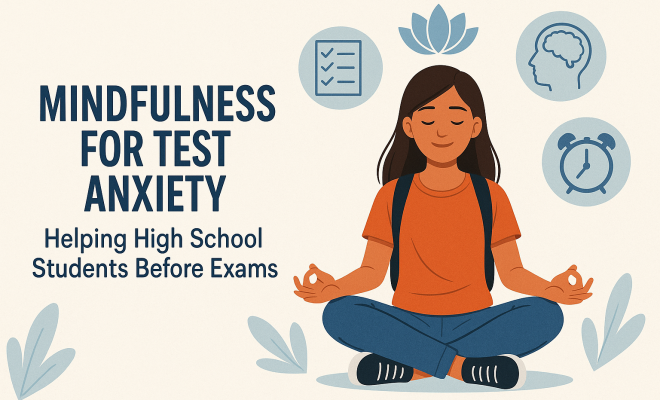
Simple practices such as mindfulness and meditation can help reduce stress and improve focus. Additionally, incorporating regular exercise into their routines can boost mood and energy levels. Whether it’s a brisk walk during lunch or joining a local fitness class, physical activity is a powerful way to combat fatigue.
Moreover, teachers can benefit from setting boundaries around their work. Designating specific times for grading or lesson planning, and ensuring that evenings and weekends include time for relaxation and hobbies, can help prevent burnout. By taking care of themselves, teachers will be better equipped to support their students.
Revisiting Goals: Setting New Objectives for the Remainder of the Year
The third quarter presents an excellent opportunity for teachers to reassess their goals for the school year. Rather than viewing this period as a time of stagnation, educators can take proactive steps to reignite their motivation and focus.
Teachers should reflect on their initial goals and evaluate their progress. Identifying any areas that may need adjustment allows for a more tailored approach to the remainder of the year. Setting new, achievable objectives can create a renewed sense of purpose. For instance, if a teacher aims to enhance student engagement, they could introduce innovative teaching methods or technology-based tools to invigorate their lessons.
Furthermore, involving students in this goal-setting process can be incredibly beneficial. By encouraging students to set their own academic and personal goals, teachers foster a sense of ownership and motivation. This collaborative approach not only empowers students but also inspires teachers to strive towards collective success.
Implementing Engaging Activities: Revitalizing the Classroom Experience
As the winter months drag on, both students and teachers may find themselves slipping into a rut. To combat this, teachers can introduce engaging and interactive activities that make learning exciting again. A well-planned lesson can reinvigorate the classroom atmosphere and motivate students to participate actively.
Incorporating project-based learning or hands-on activities can provide students with real-world connections to the material being taught. These types of lessons often spark enthusiasm and encourage collaboration among students. Additionally, integrating technology into lessons, such as using educational apps or online tools, can enhance engagement and provide diverse learning experiences.
Teachers may also consider thematic units or cross-curricular projects that allow for creativity and exploration. By breaking away from traditional teaching methods, educators can create a dynamic learning environment that keeps both students and teachers energized.
Seeking Professional Development: Embracing Lifelong Learning
The third quarter can be an ideal time for teachers to seek out professional development opportunities. Engaging in workshops, courses, or online webinars can provide fresh insights and strategies to enhance teaching practices.
By investing in their own professional growth, teachers can reignite their passion for education. Learning about new teaching methods, classroom management techniques, or subject-specific content can empower educators to approach their classrooms with renewed enthusiasm.
Furthermore, professional development offers a chance to network with other educators, share experiences, and gain support. Teachers can return to their classrooms with innovative ideas that not only benefit their own practice but also enhance student learning outcomes.Exploring New Teaching Strategies: Adapting to Student Needs
As teachers navigate the challenges of the third quarter, it is essential to remain flexible and open to exploring new teaching strategies that align with the diverse needs of students. Adapting to varying learning styles and interests can significantly enhance student engagement and motivation.
Incorporating differentiated instruction is one effective approach. By tailoring lessons to accommodate different skill levels and learning preferences, teachers can ensure that all students feel challenged yet supported. For example, using tiered assignments allows students to work at their own pace while still addressing the same key concepts. This strategy promotes a sense of achievement and can help students stay motivated during the mid-year slump.
Additionally, integrating cooperative learning techniques can foster a sense of community in the classroom. Group work encourages collaboration and peer support, enabling students to learn from one another. Teachers can implement structured group activities where students are assigned specific roles, ensuring everyone contributes and benefits from the experience. This not only enhances learning but also builds social skills and creates a positive classroom atmosphere.
Implementing Feedback Loops: Enhancing Communication with Students
Another vital strategy for teachers during the third quarter struggle is to implement effective feedback loops that enhance communication with students. Providing timely and constructive feedback can motivate students to take ownership of their learning and foster a growth mindset.
Teachers can establish regular check-ins with students to discuss their progress, challenges, and goals. These conversations can take place during one-on-one meetings or through digital platforms, allowing for personalized communication that empowers students. By actively listening to student concerns and acknowledging their efforts, teachers can build stronger relationships and create a supportive learning environment.
Moreover, encouraging peer feedback can be an effective way to enhance student engagement. Students can participate in peer review sessions, where they provide constructive feedback on one another’s work. This process not only reinforces learning objectives but also cultivates critical thinking skills. By fostering a culture of feedback, teachers can help students feel more connected to their learning and motivated to improve.
Utilizing Parent Involvement: Strengthening the Home-School Connection
Engaging parents in their children’s education can be a powerful tool in combating the challenges of the third quarter. Strengthening the home-school connection fosters a collaborative environment that supports student success.
Teachers can organize parent-teacher conferences, workshops, or informational sessions to keep parents informed about classroom activities, goals, and expectations. Providing resources and strategies for parents to support their children at home can reinforce learning and create a sense of partnership.
Additionally, utilizing communication platforms, such as newsletters or social media, can keep parents updated on classroom happenings. Highlighting student achievements and sharing upcoming projects can encourage parents to engage in their children’s education actively. When parents feel informed and involved, it can lead to increased motivation and accountability for students during these challenging months.
Reflecting on Personal Teaching Practices: Continuous Improvement
Lastly, teachers can take this time to reflect on their personal teaching practices and seek continuous improvement. Self-reflection is a crucial component of professional growth and can help educators identify areas for development.
Teachers may consider keeping a reflective journal where they document their experiences, challenges, and successes throughout the third quarter. This practice encourages intentional thinking about their instructional strategies and classroom management techniques. By analyzing what works and what doesn’t, teachers can make necessary adjustments that enhance their teaching effectiveness.
Furthermore, engaging in peer observations can provide valuable insights into different teaching styles and approaches. By observing colleagues in action, teachers can gain new ideas and perspectives that can be applied in their own classrooms. This collaborative reflection fosters a culture of growth and support among educators, ultimately benefiting both teachers and students.
Incorporating Technology: Enhancing Learning with Digital Tools
In today’s digital age, leveraging technology can be a game-changer for teachers looking to invigorate their classrooms. The third quarter is an excellent time to explore various digital tools that can enhance learning experiences and student engagement.
Teachers can utilize educational platforms and apps that facilitate interactive learning. For instance, using tools like Google Classroom or Edmodo can streamline communication and organization, making it easier for students to access resources and submit assignments. Additionally, gamifying lessons with platforms like Kahoot! or Quizizz can transform traditional assessments into engaging games that motivate students to participate actively.
Moreover, teachers can encourage students to create digital projects, such as presentations, videos, or podcasts, allowing them to express their understanding in creative ways. This approach not only fosters critical thinking and collaboration but also prepares students for the digital world they will encounter in the future.
By embracing technology and integrating it into their teaching practices, educators can create a dynamic and engaging learning environment that energizes both themselves and their students.
Building Resilience: Cultivating a Growth Mindset in the Classroom
Finally, fostering resilience and a growth mindset in students is crucial for overcoming the challenges of the third quarter. Teachers play a pivotal role in helping students develop the skills necessary to persevere through difficulties.
Educators can model a growth mindset by sharing their own challenges and how they overcame them. By normalizing struggles and emphasizing the importance of effort and persistence, teachers can encourage students to embrace challenges rather than shy away from them.
Incorporating activities that promote resilience, such as goal-setting exercises or reflections on past successes, can empower students to take ownership of their learning journey. Encouraging them to view failures as learning opportunities fosters a culture of perseverance and determination.
By nurturing resilience, teachers not only support student growth but also create a positive and encouraging classroom environment that can help everyone push through the third-quarter struggle.
Conclusion: Strategies for Overcoming the Third-Quarter Challenge
Navigating the third-quarter struggle can be daunting for teachers and students alike, but implementing effective strategies can make a significant difference. By prioritizing self-care, fostering collaboration, embracing technology, and cultivating resilience, educators can create a more engaging and supportive environment that enhances learning outcomes. Ultimately, these approaches not only help teachers survive the challenges of this pivotal time but also empower students to thrive academically and personally.