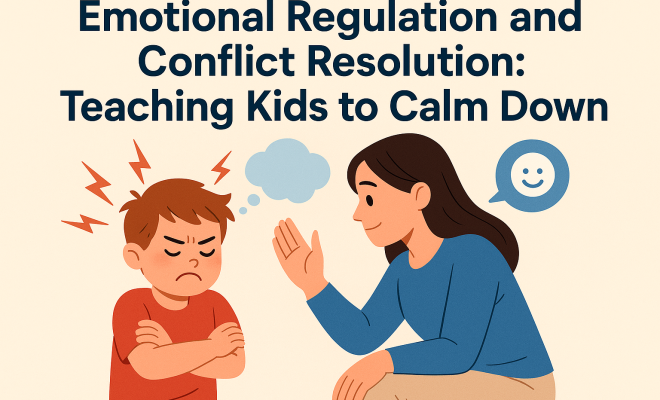
Emotional Regulation and Conflict Resolution: Teaching Kids to Calm Down
“`html
Understanding how to manage emotions is an essential skill for children. The concept of emotional regulation for kids is crucial for their development, influencing everything from their social interactions to academic performance. In a world where children face various challenges—from academic pressure to social dynamics—teaching them how to navigate their feelings can significantly improve their quality of life.
What is Emotional Regulation?
At its core, emotional regulation refers to the processes by which individuals influence their own emotional experience. This can include the ability to control the intensity and duration of emotional responses to various stimuli. For kids, this means finding ways to manage feelings of anger, frustration, sadness, and anxiety appropriately and effectively.
To put it plainly, emotional regulation is about helping children recognize their feelings, understand their triggers, and develop strategies to respond to those feelings constructively. Without these skills, children may struggle with conflicts, experience heightened emotional reactions, and face difficulties in their relationships.
Why is Emotional Regulation Important for Kids?
The ability to regulate emotions serves as a foundation for various aspects of a child’s life. Here are a few reasons why emotional regulation for kids is so crucial:
- Social Skills: Children who can manage their emotions are often better at forming and maintaining friendships. They can handle disagreements without resorting to aggression or withdrawal.
- Academic Success: Emotional regulation impacts attention and focus. Kids who can manage anxiety or frustration are more likely to perform well in school.
- Behavioral Control: Children who lack emotional regulation may struggle with impulsivity, leading to behavioral issues that can affect their relationships with peers and adults.
- Mental Health: Learning to manage one’s emotions can lower the risk of anxiety, depression, and other mental health issues later in life.
Common Emotional Triggers for Children
Children encounter a range of emotional triggers throughout their daily lives. Understanding these triggers can help parents and educators develop strategies for teaching emotional regulation. Some common triggers include:
- Social Interactions: Conflicts with friends, bullying, or feelings of exclusion can provoke strong emotional reactions.
- Academic Challenges: Difficulty with schoolwork or performance pressure can lead to feelings of frustration or anxiety.
- Home Environment: Family conflicts, divorce, or significant changes can significantly impact a child’s emotional state.
- Life Transitions: Moving to a new school, starting a new activity, or experiencing changes in routine can create uncertainty and stress.
Teaching Kids to Recognize Their Emotions
The first step in emotional regulation for kids is helping them identify their feelings. Children often have difficulty articulating their emotions, which can lead to confusion and heightened stress. Here are several strategies for teaching kids to recognize their emotions:
- Use Emotion Charts: Visual aids, such as emotion charts, can help children articulate their feelings. These charts typically depict various emotions along with corresponding facial expressions.
- Model Emotional Vocabulary: Parents and caregivers can enhance their children’s emotional vocabulary by naming their emotions aloud during appropriate moments. For example, saying, “I feel frustrated because I can’t find my keys” helps children understand that it’s normal to feel a range of emotions.
- Encourage Reflection: After a strong emotional experience, encourage kids to reflect on what they felt and why. Questions like, “What made you feel that way?” can prompt self-awareness.
Strategies for Emotional Regulation in Kids
Once children can identify their emotions, the next step is to teach them practical strategies for emotional regulation. Here are some effective techniques: (See: CDC on emotional health in youth.)
- Deep Breathing: Breathing techniques can help calm the body and mind. Encourage children to take slow, deep breaths when they start to feel overwhelmed. A simple technique is the “4-7-8 method,” where they inhale for 4 seconds, hold for 7 seconds, and exhale for 8 seconds.
- Mindfulness Activities: Mindfulness practices, such as meditation or yoga, can help children become more aware of their thoughts and feelings. These activities encourage a sense of calm and present-moment awareness.
- Physical Activity: Engaging in physical activity is a fantastic way for children to release pent-up energy and tension. Whether it’s sports, dancing, or simply playing outside, movement can help regulate emotions.
- Creative Expression: Encourage children to express their emotions through art, writing, or music. Creative outlets allow them to externalize their feelings constructively.
Conflict Resolution: An Essential Companion to Emotional Regulation
Emotional regulation and conflict resolution go hand in hand. When children learn to manage their emotions, they are better equipped to handle conflicts without escalating situations. Teaching kids conflict resolution skills is integral for fostering healthy relationships. Here are several strategies:
- Encourage Open Dialogue: Create an environment where children feel safe expressing their emotions and discussing conflicts. Encourage them to use “I” statements, such as “I feel upset when…” to articulate their feelings without blaming others.
- Teach Problem-Solving Skills: Help children brainstorm solutions to disputes. Encourage them to consider the perspectives of all parties involved and find a solution that respects everyone’s feelings.
- Role-Playing Scenarios: Role-play various conflict scenarios with your child. This practice allows them to rehearse how to manage conflicts and apply emotional regulation techniques in real-life situations.
The Role of Parents and Educators
Parents and educators play a critical role in teaching emotional regulation for kids. Their guidance and support can significantly influence children’s emotional development. Here are some effective ways that adults can nurture these skills:
- Modeling Behavior: Children learn by example. Demonstrating healthy emotional regulation in your own life will encourage kids to adopt similar strategies.
- Creating a Supportive Environment: Establish a safe and supportive atmosphere where children feel comfortable expressing their emotions. This environment should encourage open communication and validate their feelings.
- Providing Consistent Feedback: Offer constructive feedback when children successfully manage their emotions or resolve conflicts. Acknowledge their efforts and encourage continued practice.
Current Trends and Research in Emotional Regulation for Kids
Recent studies have highlighted the importance of teaching emotional regulation in schools. Programs that focus on social-emotional learning (SEL) have gained traction, with research suggesting that SEL can lead to improved academic performance and reduced behavioral problems.
For example, a study published in the journal Child Development found that children who participated in SEL programs exhibited better emotional regulation skills, which led to increased academic achievement and more positive social interactions.
Furthermore, the increasing emphasis on mental health awareness has led to more schools integrating emotional regulation training into their curricula. Programs designed to teach emotional intelligence are being adopted across various educational institutions, demonstrating a growing recognition of its importance for child development.
Resources for Parents and Educators
To assist in teaching emotional regulation for kids, numerous resources are available:
- Books: Look for titles like The Whole-Brain Child by Daniel J. Siegel and Tina Payne Bryson, which offers strategies for supporting emotional development in children.
- Online Courses: Websites like Coursera and edX offer courses on emotional intelligence and social-emotional learning for educators and parents alike.
- Workshops: Many organizations offer workshops on emotional regulation and conflict resolution skills, providing practical tools for parents and educators.
Common Misconceptions about Emotional Regulation for Kids
When discussing emotional regulation, it’s important to address some misconceptions that may hinder effective teaching and understanding. Here are a few common myths and the truths behind them:
- Myth: Emotional Regulation Means Suppressing Emotions. Many think that emotional regulation involves hiding or ignoring feelings. In reality, it’s about acknowledging emotions and finding healthy ways to express and manage them.
- Myth: Children Naturally Know How to Regulate Their Emotions. While some kids may have innate skills in managing emotions, most need guidance and practice. Emotional regulation is learned, much like any other skill.
- Myth: Only Children with Behavioral Problems Need to Learn Emotional Regulation. All children can benefit from learning these skills, regardless of their behavior. Emotional regulation fosters resilience and helps build healthy relationships.
Expert Perspectives on Emotional Regulation
Experts in child psychology and education emphasize the importance of emotional regulation. Dr. John Gottman, a psychologist known for his work on emotional intelligence, asserts that teaching kids to understand and manage their emotions is critical for their success in life. He states, “When parents teach their children about emotions, they help them develop emotional intelligence, which is a greater predictor of success than IQ.” (See: NIH on behavior and emotional regulation.)
Similarly, Dr. Daniel Goleman, an emotional intelligence expert, explains that emotions play a crucial role in decision-making. By developing emotional regulation skills, children can make better choices and navigate complex social situations more effectively.
Real-Life Examples of Emotional Regulation in Action
Understanding the application of emotional regulation strategies can be highlighted through relatable scenarios. Consider a child named Emma who struggles with anxiety during math tests. Instead of allowing her anxiety to overwhelm her, Emma learns to use deep breathing techniques before starting her test. She takes a moment to breathe in deeply, hold it, and exhale slowly, allowing her mind to clear and become focused. This simple practice empowers her to approach her test with a calmer mindset.
Another example involves a boy named Liam, who often gets frustrated when playing competitive sports. Rather than letting his anger result in outbursts, he practices creative expression by drawing his feelings after games. Reflecting on these emotions through art gives Liam an outlet, helping him process his frustrations and improve his emotional responses in future games.
Frequently Asked Questions about Emotional Regulation for Kids
What age should kids start learning emotional regulation?
Children can begin learning about emotional regulation as early as preschool. Introducing simple concepts like identifying basic emotions can be beneficial. As they grow, you can introduce more complex strategies.
How can I help my child if they’re struggling with emotional regulation?
If your child has difficulty regulating their emotions, consider seeking support from a child psychologist or counselor. They can provide tailored strategies and interventions that suit your child’s needs.
Are there specific activities that help with emotional regulation?
Yes, activities such as mindfulness exercises, journaling, and engaging in the arts can foster emotional regulation. Activities that promote mindfulness help children stay present and aware of their feelings.
How can schools implement emotional regulation programs?
Schools can adopt social-emotional learning (SEL) curricula, provide teacher training on emotional literacy, and create programs that encourage emotional expression through various activities. Collaboration between parents and educators is key to successful implementation.
Additional Techniques for Supporting Emotional Regulation
In addition to the strategies already discussed, there are various other techniques that can help reinforce emotional regulation skills in kids:
- Storytelling: Reading stories that illustrate emotional experiences can help children learn about feelings and responses in relatable situations. Discuss the characters’ emotions and decisions afterward to reinforce learning.
- Gratitude Practices: Encouraging children to express gratitude can shift their focus from negative emotions to positive ones. Consider having a “gratitude jar” where they can write down things they’re thankful for.
- Routine Establishment: Creating a daily routine helps children feel secure and manage their emotions better, as they know what to expect. Predictability can significantly reduce anxiety and emotional distress.
- Check-In Moments: Regularly checking in with your child about their feelings—perhaps during meals or before bedtime—encourages them to articulate their emotions and feel heard.
Statistics on Emotional Regulation and Child Development
Several studies underscore the significance of emotional regulation in children’s development:
- Research from the Collaborative for Academic, Social, and Emotional Learning (CASEL) shows that students who participate in SEL programs demonstrate an average improvement of 11 percentile points on standardized tests compared to those who do not.
- A study published in Psychological Bulletin found that children with strong emotional regulation skills are 30% more likely to succeed academically than their peers.
- According to a report from the American Psychological Association, effective emotional regulation is linked to lower rates of behavioral issues in children, showing a 25% reduction in disciplinary actions among those who receive emotional skills training.
Building Resilience Through Emotional Regulation
Resilience is the ability to bounce back from setbacks, and emotional regulation plays a pivotal role in cultivating this quality in children. When kids learn to manage their emotions, they are better equipped to face challenges and adapt to changes. Here are some ways emotional regulation fosters resilience:
- Encouraging Problem-Solving: By teaching kids to handle their emotions effectively, you empower them to approach problems with a solutions-oriented mindset.
- Building Self-Esteem: Successfully managing emotions boosts confidence, as children learn they can control their reactions and navigate difficult situations.
- Enhancing Social Connections: Better emotional regulation leads to improved relationships with peers, which can provide a strong support system during tough times.
Long-Term Benefits of Emotional Regulation for Kids
Investing time and effort into teaching emotional regulation pays off in the long run. The skills children develop can influence their lives well into adulthood:
- Workplace Success: Adults who have strong emotional regulation skills are often more successful in their careers, as they can manage stress, collaborate with others, and lead teams effectively.
- Healthy Relationships: People with good emotional regulation tend to have healthier relationships, as they can communicate better and resolve conflicts without escalating tensions.
- Overall Well-Being: Emotional regulation is linked to better mental health outcomes, reducing the risk of anxiety, depression, and other mood disorders later in life.
Conclusion: Fostering a Generation of Emotionally Intelligent Kids
Teaching kids emotional regulation is about equipping them with the tools they need to face life’s challenges. By focusing on recognizing emotions, employing practical strategies, and fostering conflict resolution skills, you can help children develop resilience and emotional intelligence. As parents, educators, and caregivers, the goal is to nurture a generation capable of navigating their emotions and conflicts with grace and understanding. It’s not just about calming down; it’s about building a brighter, more empathetic future.
“`
Trending Now
Frequently Asked Questions
What is emotional regulation in children?
Emotional regulation in children refers to their ability to manage and respond to their emotional experiences. This includes controlling the intensity and duration of feelings such as anger, sadness, and anxiety, helping them navigate social interactions and academic challenges effectively.
Why is emotional regulation important for kids?
Emotional regulation is crucial for children as it enhances their social skills, academic performance, and behavioral control. It helps them manage conflicts constructively, reduces impulsivity, and lowers the risk of mental health issues, leading to improved overall well-being.
How can I teach my child emotional regulation?
To teach emotional regulation, help your child recognize their feelings and understand their triggers. Encourage them to develop coping strategies, such as deep breathing or talking about their emotions, and model appropriate emotional responses in various situations.
What are the benefits of teaching emotional regulation?
Teaching emotional regulation benefits children by promoting better social interactions, enhancing academic performance, and improving mental health. It equips them with skills to handle stress, resolve conflicts peacefully, and build lasting relationships.
What happens if a child can't regulate their emotions?
If a child struggles to regulate their emotions, they may face challenges such as impulsivity, frequent conflicts, and difficulties in relationships. This can lead to heightened emotional responses, impacting their social and academic life negatively.
Have you experienced this yourself? We’d love to hear your story in the comments.