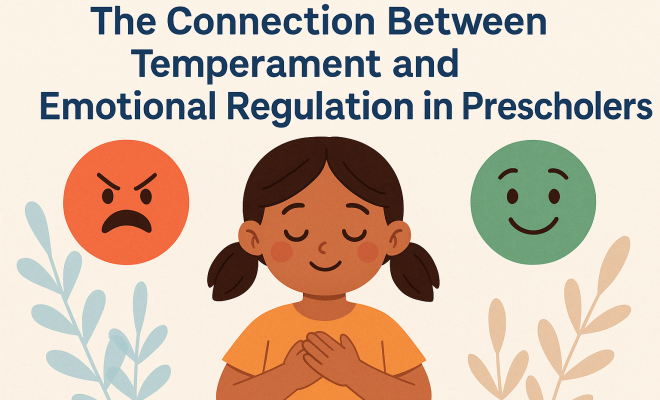
The Connection Between Temperament and Emotional Regulation in Preschoolers
“`html
Understanding temperament and emotional regulation in preschoolers is crucial for parents, educators, and caregivers who want to foster healthy emotional development in young children. As children embark on their early social journeys, their ability to manage emotions can significantly influence their interactions, learning, and overall well-being. This article delves into the intricacies of temperament and emotional regulation, examining their connection and offering practical insights for nurturing emotional intelligence in preschoolers.
Defining Temperament and Emotional Regulation
Temperament refers to the innate traits that determine how children react to their environment, including their mood, activity level, and adaptability. According to renowned child psychologist, Thomas Chess, and his colleague, Alexander Thomas, temperament can be categorized into nine dimensions, such as activity level, rhythmicity, approach/withdrawal, adaptability, intensity of reaction, mood, persistence, distractibility, and sensory threshold.
Emotional regulation, on the other hand, is the ability to monitor, evaluate, and modulate emotional reactions in various situations. For preschoolers, emotional regulation entails managing feelings of frustration, anxiety, and excitement, allowing them to respond appropriately to their environment. This ability is essential for social interactions and academic success.
The Role of Temperament in Emotional Regulation
A child’s temperament significantly influences their capacity for emotional regulation. For example, a child with a high activity level may find it challenging to focus and self-soothe when upset. Conversely, a child with a more adaptable temperament might navigate emotional challenges with greater ease. Studies have shown that children with an easy temperament, characterized by a positive mood and adaptability, tend to develop better emotional regulation skills compared to their more difficult peers.
Moreover, the interaction between different temperament traits can create a unique emotional landscape for each child. For instance, a child who is both withdrawn and intense might struggle to express their feelings openly, leading to frustration and emotional outbursts. Understanding these dynamics is essential for parents and educators to provide appropriate support.
Research Insights on Temperament and Emotional Regulation
Numerous studies have explored the relationship between temperament and emotional regulation in preschoolers. A significant finding, highlighted in a study published in the journal Emotion, showed that children who exhibit a high level of negative emotionality often struggle with emotional regulation. These children are prone to tantrums and may react explosively to perceived threats or frustrations.
Furthermore, research by the National Institute of Child Health and Human Development found that children with better emotional regulation skills tend to have more positive peer interactions and experience less conflict. This indicates that developing emotional regulation early on can set the stage for healthier social relationships later in life.
The Impact of Parenting on Temperament and Emotional Regulation
Parents play a pivotal role in shaping their child’s temperament and emotional regulation abilities. Parenting styles influence how children perceive and respond to emotions. For instance, authoritative parenting—which combines warmth with appropriate discipline—has been linked to better emotional regulation in children.
In contrast, overly permissive or harsh parenting can hinder a child’s ability to manage emotions effectively. Children raised in chaotic environments or those who experience inconsistent responses from parents may struggle with emotional dysregulation, leading to behavioral issues. Therefore, establishing a nurturing and structured environment is vital for fostering healthy emotional development.
Strategies for Supporting Emotional Regulation in Preschoolers
Given the importance of emotional regulation, parents and caregivers can adopt several strategies to support preschoolers in managing their emotions. Here are some effective techniques: (See: Emotional regulation in children.)
- Model Emotional Regulation: Children learn by observing. Parents who demonstrate healthy emotional management provide a valuable example for their children.
- Label Emotions: Helping children identify and label their feelings can enhance their emotional vocabulary and understanding. For instance, saying, “I can see you’re feeling sad because your toy broke” encourages children to express their feelings verbally.
- Teach Coping Strategies: Introduce simple coping mechanisms, such as deep breathing, counting to ten, or using a ‘calm-down corner’—a designated space where children can go to relax when upset.
- Provide Consistent Routines: Establishing predictable daily routines promotes a sense of security, helping children feel more in control of their emotions.
- Encourage Problem-Solving: Rather than immediately intervening during conflicts, encourage children to brainstorm solutions. This fosters critical thinking and emotional resilience.
Recognizing Signs of Emotional Dysregulation
It’s essential for parents to recognize signs of emotional dysregulation in preschoolers. Symptoms can manifest in various ways, including:
- Frequent tantrums or meltdowns
- Difficulty transitioning between activities
- Excessive clinginess or withdrawal
- Frequent expressions of anger or aggression
- Physical complaints, such as stomachaches or headaches, without a clear medical cause
If you notice these signs consistently, it may be beneficial to seek guidance from a child psychologist or counselor who specializes in emotional development.
The Importance of Socialization in Emotional Regulation
Social interactions play a significant role in developing emotional regulation skills. Preschoolers learn to navigate their emotions through play and interaction with peers. Cooperative play, sharing, and conflict resolution provide opportunities for children to practice emotional regulation and develop empathy.
Moreover, group activities in preschool settings can foster essential skills. Children who participate in team games must learn to negotiate, share, and manage disagreements—all critical aspects of emotional regulation. Educators can enhance this experience by encouraging collaborative projects and structured play.
The Role of Educators in Supporting Emotional Development
Preschool educators also play a critical role in helping children understand and regulate their emotions. By creating a supportive learning environment, they can teach emotional literacy and coping strategies. Here are some ways educators can promote emotional regulation in the classroom:
- Integrate Social-Emotional Learning: Incorporate lessons that focus on emotional awareness and regulation into the curriculum. Activities that involve role-playing or discussing emotions can be very effective.
- Provide a Safe Space: Design classrooms that allow children to express their feelings freely. For instance, a ‘feelings wall’ where children can post drawings or notes about their emotions can stimulate discussion.
- Encourage Peer Support: Foster an environment where children feel comfortable discussing their emotions and challenges with classmates, promoting empathy and understanding.
Cultural Influences on Temperament and Emotional Regulation
Cultural context can also shape how temperament and emotional regulation are perceived and handled. Different cultures have varying beliefs regarding emotional expression and regulation. For example, in some cultures, emotional restraint is valued, while others may encourage open expression of feelings.
Understanding cultural perspectives on emotion can help parents and educators navigate emotional development more effectively. Being aware of these cultural differences can enhance communication and support emotional growth in diverse classrooms.
Exploring the Link Between Temperament and Emotional Regulation
It’s fascinating to consider how the various dimensions of temperament interact with emotional regulation. For instance, children who score high on traits such as intensity or sensory sensitivity may experience emotions more acutely. This heightened sensitivity can make it more challenging for these children to regulate their emotions effectively. Conversely, understanding these temperament traits can provide parents and educators with the insight needed to tailor support strategies.
For example, a child with a high intensity of reaction might benefit from specific strategies, such as gradual exposure to emotional stimuli and practice in impactful breathing techniques. Research suggests that such individualized approaches can significantly enhance emotional regulation skills in preschoolers.
Practical Activities to Enhance Emotional Regulation Skills
Engaging preschoolers in activities designed to build emotional regulation skills can be both effective and enjoyable. Here are a few practical activities: (See: Child behavior and emotional development.)
- Emotion Charades: This fun game encourages children to express and identify feelings. One child acts out an emotion without speaking, while others guess the emotion. It fosters understanding and vocabulary around emotions.
- Storytime Discussions: Reading books that focus on characters experiencing various emotions can facilitate discussions about feelings. Ask questions like, “How do you think that character feels?” or “What could they do to feel better?”
- Mindfulness Exercises: Simple mindfulness practices, such as guided imagery or nature walks, can help children become aware of their feelings and learn calming techniques. This practice enhances their ability to manage emotions.
- Emotional Journals: Even at a young age, children can draw or dictate their feelings in a journal. This practice allows them to articulate emotions and reflect on their experiences.
Statistics on Emotional Development in Preschoolers
Understanding the statistics surrounding emotional development can help underscore the importance of addressing temperament and emotional regulation. For instance, studies show that:
- Approximately 20% of preschool-aged children exhibit behavioral problems related to emotional dysregulation.
- Children who receive early interventions for emotional regulation show a 30% improvement in social skills by the time they reach kindergarten.
- Research indicates that preschoolers with strong emotional regulation capabilities are 50% more likely to exhibit positive peer relationships.
- According to the American Psychological Association, children who can effectively regulate their emotions are less likely to develop anxiety disorders as they grow older.
Expert Perspectives on Supporting Emotional Regulation
Experts in child psychology emphasize the importance of early emotional development. Dr. Laura Markham, a clinical psychologist and author, highlights that “emotional regulation is not just about managing emotions but also about developing a deeper understanding of oneself.” She advocates for parents to engage in open conversations about emotions to help children articulate their feelings.
Similarly, Dr. Daniel Siegel, a clinical professor of psychiatry, stresses the role of mindfulness in emotional regulation. He notes, “When children learn to pause and reflect before reacting, they can better manage their emotions.” His work encourages parents to incorporate mindfulness practices into daily routines to foster emotional resilience.
Frequently Asked Questions (FAQ)
What age do children start to develop emotional regulation skills?
Emotional regulation skills begin developing in infancy but become more apparent during preschool years. By the age of three, children start to express emotions more clearly and can begin to learn basic regulation techniques.
How can I tell if my child’s temperament is affecting their emotional regulation?
If your child frequently experiences intense emotions, struggles to calm down, or has difficulty transitioning between activities, their temperament may be impacting their emotional regulation. Observing how they respond to different emotional situations can provide insight.
Are certain temperamental traits more favorable for emotional regulation?
Generally, children with a more adaptable temperament tend to develop better emotional regulation skills. However, all temperaments can learn effective regulation strategies with the right support and environment.
How can parents help a child with a difficult temperament?
Parents can support children with difficult temperaments by providing consistent routines, modeling emotional regulation, and using positive reinforcement. Creating a safe space for the child to express their emotions and using coping techniques can also be beneficial.
What role do peers play in emotional regulation?
Peers play a crucial role in emotional regulation. Interactions with friends allow preschoolers to practice their emotional skills in a social context, helping them learn to share, negotiate, and resolve conflicts, which are all vital for emotional growth.
Additional Considerations: Gender Differences in Emotional Regulation
Research indicates that there are often gender differences in how children express their emotions and regulate them. Boys may exhibit more externalizing behaviors, such as aggression or acting out, while girls might show more internalizing behaviors, such as anxiety or withdrawal. This can be attributed to socialization patterns and cultural expectations surrounding gender roles.
For instance, girls are often encouraged to be more nurturing and emotionally expressive, while boys may be taught to suppress their emotions. It’s vital for parents and educators to recognize these inherent differences and provide tailored support to help all children develop effective emotional regulation strategies, regardless of gender.
How Temperament Affects Learning Styles
In addition to emotional regulation, a child’s temperament can significantly influence their learning style. For example, children with high activity levels may thrive in environments that allow for movement and hands-on learning. In contrast, more reserved children may prefer quieter, more structured settings. Recognizing these differences can help caregivers and educators create environments that cater to the diverse needs of all children.
By accommodating these varied learning styles, adults can enhance preschoolers’ emotional regulation and overall learning experiences. For instance, incorporating more kinetic activities can help energetic children channel their energy productively while providing calm, focused tasks can benefit more introverted children.
Parenting Approaches for Different Temperament Types
Understanding your child’s specific temperament type can guide your parenting approach. For example, children with a difficult temperament may require more patience and structured routines to help them feel secure. On the other hand, easy-going children may thrive with more flexibility and opportunities for exploration. Here are some tailored strategies based on temperament:
- For Difficult Temperament: Establish clear boundaries and routines, provide consistent responses to emotions, and use calming techniques to help your child learn self-soothing strategies.
- For Easy Temperament: Encourage exploration and independence while providing choices and opportunities for social interactions, which can help them develop deeper emotional insights.
- For Active Temperament: Incorporate physical activities into daily routines and provide outlets for their energy, while also teaching them to engage in quieter activities to balance their emotional expression.
- For Sensitive Temperament: Acknowledge their feelings and provide a safe space for emotional expression. Engage in role-playing scenarios that help them navigate social situations.
Long-Term Benefits of Emotional Regulation Skills
Investing in teaching emotional regulation skills during the preschool years can yield significant long-term benefits. Research indicates that children who develop strong emotional regulation skills are more likely to succeed academically and socially throughout their lives. These children tend to have better relationships with peers and adults and are less prone to mental health issues as they grow older.
Additionally, children with effective emotional regulation are generally more resilient in facing life’s challenges. They are better equipped to handle stress, adapt to changes, and maintain a positive outlook despite difficulties. Cultivating these skills early on can pave the way for a healthier emotional landscape as they transition into adulthood.
Conclusion: The Ongoing Journey of Emotional Development
The connection between temperament and emotional regulation in preschoolers is complex yet fascinating. By understanding the nuances of temperament and the importance of emotional regulation, parents and educators can foster an environment that promotes healthy emotional development. Through consistent support, modeling, and learning opportunities, we can equip preschoolers with the necessary tools to manage their emotions effectively. In doing so, we prepare them for a future filled with positive social interactions and emotional resilience.
“`
Trending Now
Frequently Asked Questions
What is the connection between temperament and emotional regulation in preschoolers?
Temperament influences how preschoolers react to their environment and manage emotions. Children with varying temperamental traits, such as activity level and adaptability, exhibit different capacities for emotional regulation, affecting their social interactions and overall well-being.
How does temperament affect emotional development in young children?
A child's temperament plays a crucial role in their emotional development. For instance, children with an easy temperament often develop better emotional regulation skills, while those with more challenging temperaments may struggle with managing emotions and adapting to social situations.
What are the key dimensions of temperament in preschoolers?
Temperament in preschoolers can be categorized into nine dimensions: activity level, rhythmicity, approach/withdrawal, adaptability, intensity of reaction, mood, persistence, distractibility, and sensory threshold, each influencing how children respond to their environment.
Why is emotional regulation important for preschoolers?
Emotional regulation is vital for preschoolers as it enables them to manage feelings of frustration, anxiety, and excitement. This skill is essential for successful social interactions, academic performance, and overall emotional well-being.
How can parents help preschoolers with emotional regulation?
Parents can support preschoolers' emotional regulation by providing a nurturing environment, modeling emotional responses, teaching coping strategies, and encouraging open communication about feelings, which fosters healthy emotional development and resilience.
What’s your take on this? Share your thoughts in the comments below — we read every one.