How Avoidant Attachment Develops in Early Childhood
“`html
Understanding the dynamics of human relationships starts from a young age, as early experiences shape our emotional responses and connections. One crucial psychological framework that sheds light on these early relational patterns is attachment theory. Among the different attachment styles, avoidant attachment in childhood has garnered significant attention, particularly in how it manifests and its lasting implications. In this article, we’ll explore how avoidant attachment develops during early childhood, the factors contributing to it, and the profound effects it can have on an individual throughout life.
What is Attachment Theory?
Attachment theory, pioneered by psychologist John Bowlby in the mid-20th century, posits that the bonds formed between children and their primary caregivers have profound implications for emotional and social development. Bowlby emphasized that these early relationships provide a blueprint for future interpersonal dynamics.
According to Bowlby, attachment plays a critical role in survival, as children who develop secure attachments are more likely to thrive emotionally and socially. He suggested that there are four primary attachment styles: secure, anxious, avoidant, and disorganized. Each style reflects different patterns of behavior in response to caregivers, significantly influencing emotional health and relationship patterns later in life.
Understanding Avoidant Attachment in Childhood
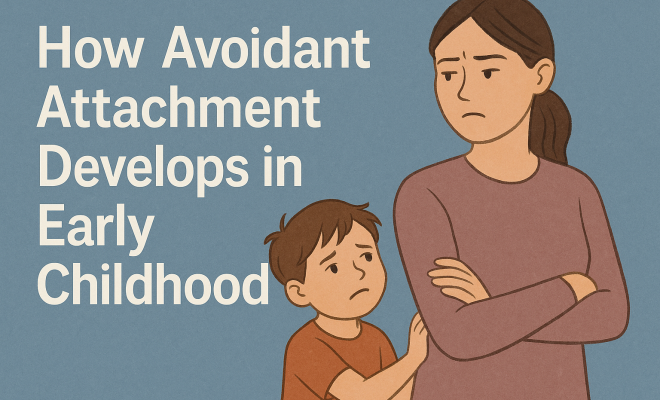
Avoidant attachment in childhood is characterized by a child’s reluctance to depend on caregivers, often leading to emotional distance. Children with this attachment style typically exhibit self-reliance at an early age and may suppress their emotional needs. They often appear indifferent or dismissive of their caregivers, which can be misinterpreted as independence.
While some level of independence is healthy, children with avoidant attachment often struggle to express their emotions or seek comfort from caregivers. This behavior often stems from their early experiences where emotional needs were ignored or invalidated. Understanding this dynamic is crucial for parents, educators, and mental health professionals, as it lays the groundwork for intervention and support.
The Role of Caregiver Interaction
The formation of avoidant attachment is heavily influenced by caregiver behavior. Research indicates that caregivers who exhibit a pattern of emotional unavailability or inconsistent responsiveness can foster avoidant behaviors in their children. When a child approaches a caregiver for comfort or support and is met with indifference or rejection, they learn to suppress their emotional needs.
This emotional distancing is not a sign of a child’s inherent personality but rather a learned response to the environment. A study published in the Journal of Child Psychology and Psychiatry highlights that children who perceive their caregivers as sources of distress or unavailability tend to develop avoidant attachment styles. In these cases, children learn that expressing needs often leads to disappointment or neglect, making emotional withdrawal a coping mechanism.
Developmental Stages and Their Impact
Childhood is divided into various developmental stages, each with unique challenges and opportunities for forming attachment bonds. From birth to around two years, known as the infancy stage, children are highly dependent on caregivers. During this stage, the quality of caregiver interaction is paramount.
From ages two to six, often referred to as the early childhood stage, children begin to explore independence. This is when avoidant attachment may solidify if children have learned to shy away from seeking emotional support. These behaviors can manifest in social situations where children may avoid peers, exhibit reluctance to engage in group play, or demonstrate a lack of interest in forming friendships.
Environmental Factors Contributing to Avoidant Attachment
Beyond caregiver interaction, various environmental factors contribute to the development of avoidant attachment in childhood. These factors may include:
- Parental Stress: High levels of parental stress can lead to an emotionally unresponsive environment, pushing children toward avoidant behaviors.
- Family Dynamics: Families with high conflict or instability can create an atmosphere where children’s emotional needs are often overlooked.
- Socioeconomic Status: Families with limited resources may struggle to provide emotional support, emphasizing survival over emotional nurturing.
- Cultural Influences: Some cultures prioritize emotional restraint and self-reliance, which can promote avoidant behaviors in children.
Understanding these factors can provide insight into why some children develop avoidant attachment and why intervention strategies must consider the broader context of a child’s life. (See: Attachment theory overview.)
Identifying Avoidant Attachment in Children
Recognizing avoidant attachment in childhood can be challenging, as these children may not exhibit overt signs of distress. Instead, they may appear self-sufficient or aloof. Some key indicators can help parents and educators identify potential avoidant attachment:
- Avoidance of Emotional Connection: Children may not seek comfort when upset and prefer to manage their emotions independently.
- Difficulty in Forming Relationships: They may struggle to connect with peers or adults, often preferring solitary activities.
- Emotional Suppression: Children might exhibit little emotional expression, often appearing indifferent to praise or criticism.
- Reluctance to Share Feelings: When asked about their feelings, they may provide vague or dismissive responses.
By being aware of these signs, caregivers can take proactive steps to address avoidant attachment patterns before they become ingrained.
Long-Term Implications of Avoidant Attachment
The long-term implications of avoidant attachment in childhood can be significant. Adults with avoidant attachment styles often struggle with intimacy and emotional closeness in romantic relationships. They may find it challenging to depend on others or accept help, leading to isolation and loneliness.
Research indicates that individuals with avoidant attachment often exhibit lower relationship satisfaction and may have a higher likelihood of experiencing anxiety and depression. For instance, a study published in the Personality and Social Psychology Bulletin found that avoidantly attached individuals often engage in maladaptive coping strategies, such as emotional numbing, which can exacerbate mental health issues.
Moreover, avoidant attachment can perpetuate cycles of emotional distance in families. Adults with this attachment style may inadvertently pass on their behaviors to their children, creating a generational pattern of emotional unavailability.
Strategies for Parents and Caregivers
While the development of avoidant attachment can be concerning, there are effective strategies for parents and caregivers to foster secure attachments. Here are some actionable steps to support emotional development in children:
- Consistent Responsiveness: Responding consistently to a child’s emotional needs fosters a sense of security and encourages healthy attachment behaviors.
- Open Communication: Encourage children to express their feelings freely. Validate their emotions and provide a safe space for discussion.
- Model Healthy Relationships: Demonstrating healthy relationships and emotional openness teaches children about connection and mutual support.
- Emotional Coaching: Help children label and understand their feelings, guiding them in healthy emotional expression and coping strategies.
These strategies can help counteract avoidant patterns by promoting a nurturing environment that prioritizes emotional connection.
Intervention Techniques for Children with Avoidant Attachment
For children already exhibiting avoidant attachment behaviors, various intervention techniques can facilitate healing and promote healthier attachment styles. Therapy, specifically attachment-based therapy or play therapy, can significantly benefit children struggling with emotional expression and connection.
Attachment-based therapy focuses on enhancing the caregiver-child relationship by addressing emotional needs and fostering secure attachments. Play therapy, on the other hand, utilizes play as a medium for children to express their feelings, helping them work through emotional challenges in a non-threatening way.
Additionally, parent training programs can empower caregivers with strategies to build emotional connections effectively. These programs often emphasize the importance of understanding attachment styles and adopting practices that promote secure attachments.
The Relevance of Understanding Avoidant Attachment Today
Understanding avoidant attachment in childhood is more relevant than ever, especially as society grapples with increasing rates of anxiety and depression among children and adolescents. With growing awareness of mental health, recognizing the role of attachment styles can lead to more effective prevention and intervention strategies.
As parents and educators become more attuned to the signs of avoidant attachment, they can better support children in developing healthier emotional patterns. This proactive approach not only benefits individual children but creates a ripple effect that positively impacts families and communities. (See: Importance of attachment in childhood.)
FAQ: Common Questions About Avoidant Attachment in Childhood
What causes avoidant attachment in childhood?
Avoidant attachment typically develops in response to caregiver behaviors. When caregivers are consistently emotionally unavailable or dismissive, children learn to suppress their needs and emotions. This can stem from various factors such as stress, mental health issues in parents, high conflict within the family, or cultural influences that prioritize independence over emotional expression.
How can I help a child with avoidant attachment?
Supporting a child with avoidant attachment involves creating a safe and nurturing environment. Focus on consistent responses to their emotional needs, encourage open communication, and model healthy relationships. Engaging in therapeutic interventions, such as play therapy or family counseling, can also be effective.
Can avoidant attachment be changed in adulthood?
Yes, while avoidant attachment patterns can be difficult to change, they are not fixed. Therapy, particularly forms like cognitive-behavioral therapy (CBT) or attachment-based therapy, can help individuals understand their attachment styles and learn healthier ways to connect with others.
How can schools support children with avoidant attachment?
Schools can play a vital role by promoting emotional literacy and providing a supportive environment. Educators can encourage group activities to foster social connections and offer resources for counseling services. Training teachers to recognize signs of attachment issues can also enhance their ability to support affected children.
Is avoidant attachment always a negative thing?
While avoidant attachment can lead to challenges in emotional regulation and relationships, it is essential to understand that these behaviors often stem from learned responses to difficult situations. Recognizing these patterns offers a pathway for growth and healing, as individuals can learn to develop healthier attachments over time.
Real-Life Examples of Avoidant Attachment
To illustrate avoidant attachment in childhood more vividly, let’s consider a couple of hypothetical yet relatable examples.
Example 1: Emily’s Story
Emily is a six-year-old girl whose parents are often preoccupied with work and personal issues. When she falls and scrapes her knee at the playground, instead of seeking help from her parents, she brushes off the pain and tries to walk it off alone, displaying a reluctance to seek comfort. This behavior can be traced back to her early experiences where her requests for help were often met with distraction or dismissal.
Example 2: Lucas’s Experience
Lucas, a ten-year-old boy, often prefers to play alone during recess. When his classmates invite him to join their games, he declines and says he enjoys being by himself. This preference for solitude is a defense mechanism he developed after realizing that seeking companionship often resulted in rejection or teasing in earlier grades. Lucas’s story showcases how avoidant attachment can manifest in social contexts.
Both Emily and Lucas exemplify how avoidant attachment behaviors can develop from early relational dynamics and can lead to challenges in their emotional and social lives.
Effects on Academic Performance
Avoidant attachment can also impact academic performance in children. Students with this attachment style may struggle in school due to their reluctance to engage with peers or teachers. They might avoid group projects or classroom discussions, which can hinder their learning and social development.
Research has shown that children with avoidant attachment may display lower academic achievement and higher rates of school absenteeism. A study published in the International Journal of Behavioral Development found that avoidant attachment styles correlated with lower grades and less participation in school activities. This lack of engagement can perpetuate a cycle of underachievement, further affecting self-esteem and social skills.
The Impact of Peer Relationships
Peer relationships play a crucial role in a child’s development, providing opportunities for socialization and emotional learning. However, children with avoidant attachment often find it difficult to form these connections. Their tendency to withdraw can lead to social isolation, which can be detrimental to their emotional well-being.
Without strong peer relationships, avoidantly attached children may miss out on essential social skills, such as empathy, cooperation, and conflict resolution. These skills are critical for navigating both personal and professional relationships later in life. A longitudinal study highlighted that children with avoidant attachment styles reported lower satisfaction in friendships and found it challenging to maintain long-term relationships as they grew older.
Long-Term Relationship Patterns
The patterns established in childhood regarding attachment can persist into adulthood. Individuals with avoidant attachment may find it difficult to trust their partners, leading to conflicts and misunderstandings in romantic relationships. They might have a tendency to prioritize independence over intimacy, which can create distance and frustration for both partners.
According to a survey conducted by the American Psychological Association, adults with avoidant attachment styles often report higher levels of conflict in relationships and lower satisfaction overall. Learning to navigate these dynamics is essential for fostering healthy adult relationships. Therapy can be a valuable tool in addressing these issues, helping individuals work through their fears of closeness and dependence.
Promoting Resilience and Change
Despite the challenges posed by avoidant attachment, there is hope for change and resilience. Intervention strategies can help children learn healthier ways to engage emotionally with others. Programs that focus on building emotional intelligence and social skills can be particularly beneficial.
Encouraging children to participate in team sports, drama classes, or group activities can foster connection and collaboration. These experiences provide a safe space for children to practice vulnerability and reliance on others, breaking down walls built by avoidant behaviors. Moreover, supportive communities and nurturing educators can play a pivotal role in guiding children toward secure attachment styles.
Conclusion
Avoidant attachment in childhood presents complex challenges that stem from early relational dynamics. By understanding its roots, recognizing its signs, and implementing effective strategies for change, we can help children form healthier emotional connections moving forward. Whether through proactive parenting, educational interventions, or therapeutic support, there is hope for children who exhibit avoidant attachment behaviors. Emphasizing the importance of emotional health, we can work towards ensuring that every child has the opportunity to develop secure and fulfilling relationships in their lives.
“`
Trending Now
Frequently Asked Questions
What causes avoidant attachment in children?
Avoidant attachment in children often develops from inconsistent or unresponsive caregiving. When caregivers are emotionally unavailable or dismissive of a child's needs, the child learns to suppress their emotions and rely on themselves, leading to a reluctance to seek comfort or connection.
How does avoidant attachment affect relationships later in life?
Individuals with avoidant attachment may struggle with intimacy and emotional expression in relationships. They often appear distant or indifferent, which can create challenges in forming deep connections and may lead to patterns of isolation or conflict in adult relationships.
What are the signs of avoidant attachment in children?
Signs of avoidant attachment in children include a reluctance to seek comfort from caregivers, emotional distance, and a strong sense of self-reliance. These children may also appear indifferent to their caregivers' presence or absence, often suppressing their emotional needs.
Can avoidant attachment be changed in adulthood?
Yes, while avoidant attachment styles can be deeply ingrained, they can be modified through therapy and positive relationship experiences. Engaging in self-reflection, building trust, and learning to express emotions can help individuals develop healthier attachment patterns.
What is the impact of avoidant attachment on emotional health?
Avoidant attachment can lead to challenges in emotional health, including difficulties in expressing feelings, increased anxiety, and a tendency to isolate oneself. This attachment style can hinder emotional regulation and result in issues with self-esteem and relationship satisfaction.
What’s your take on this? Share your thoughts in the comments below — we read every one.